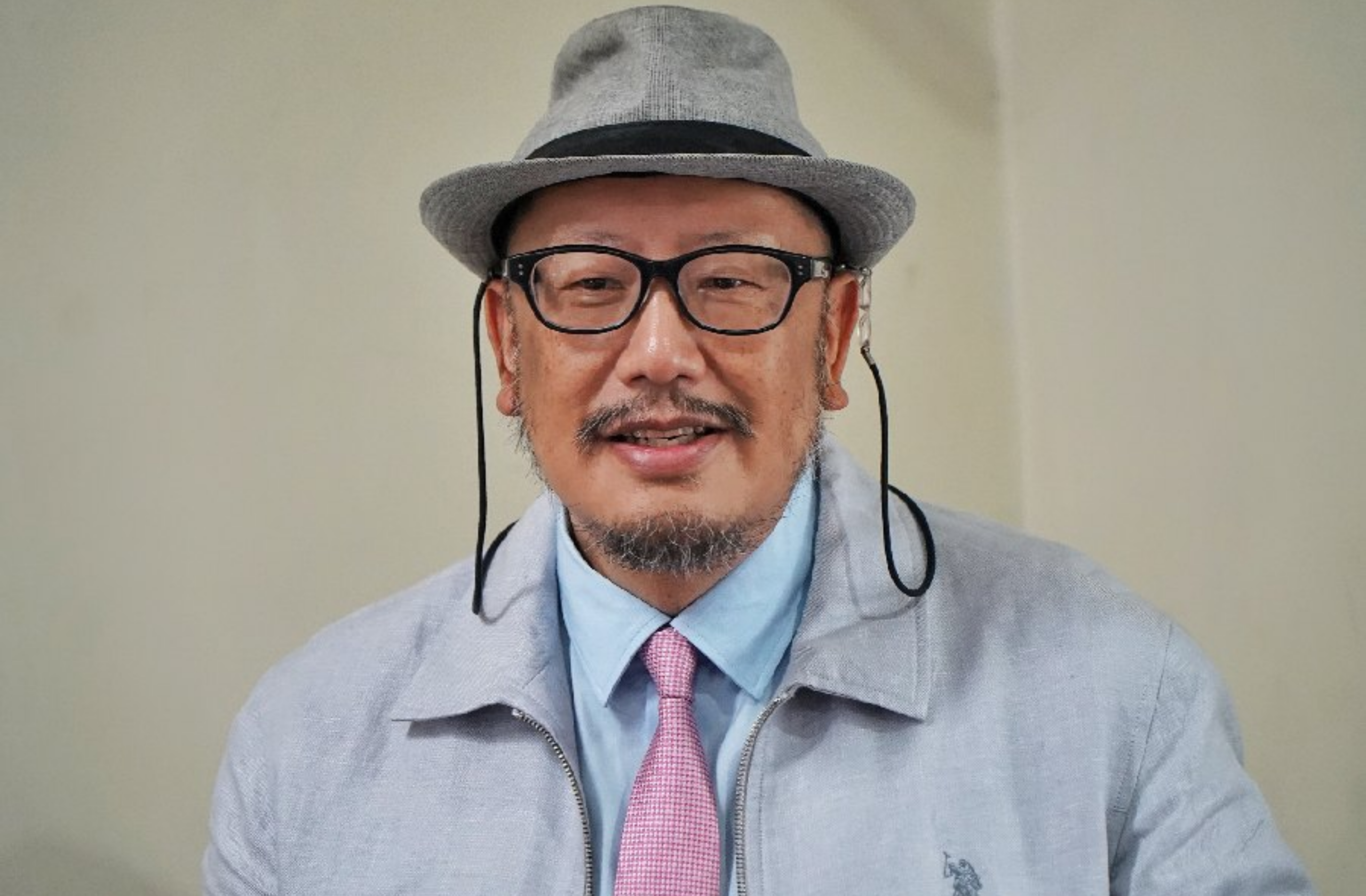

“I think it’s just the beginning for the F&B industry here,” said Harry Hakuei Kosato when our team at The Restaurant Times sat down with him to learn about his journey in India and how he planned to expand his brand, Sushi and More, further.
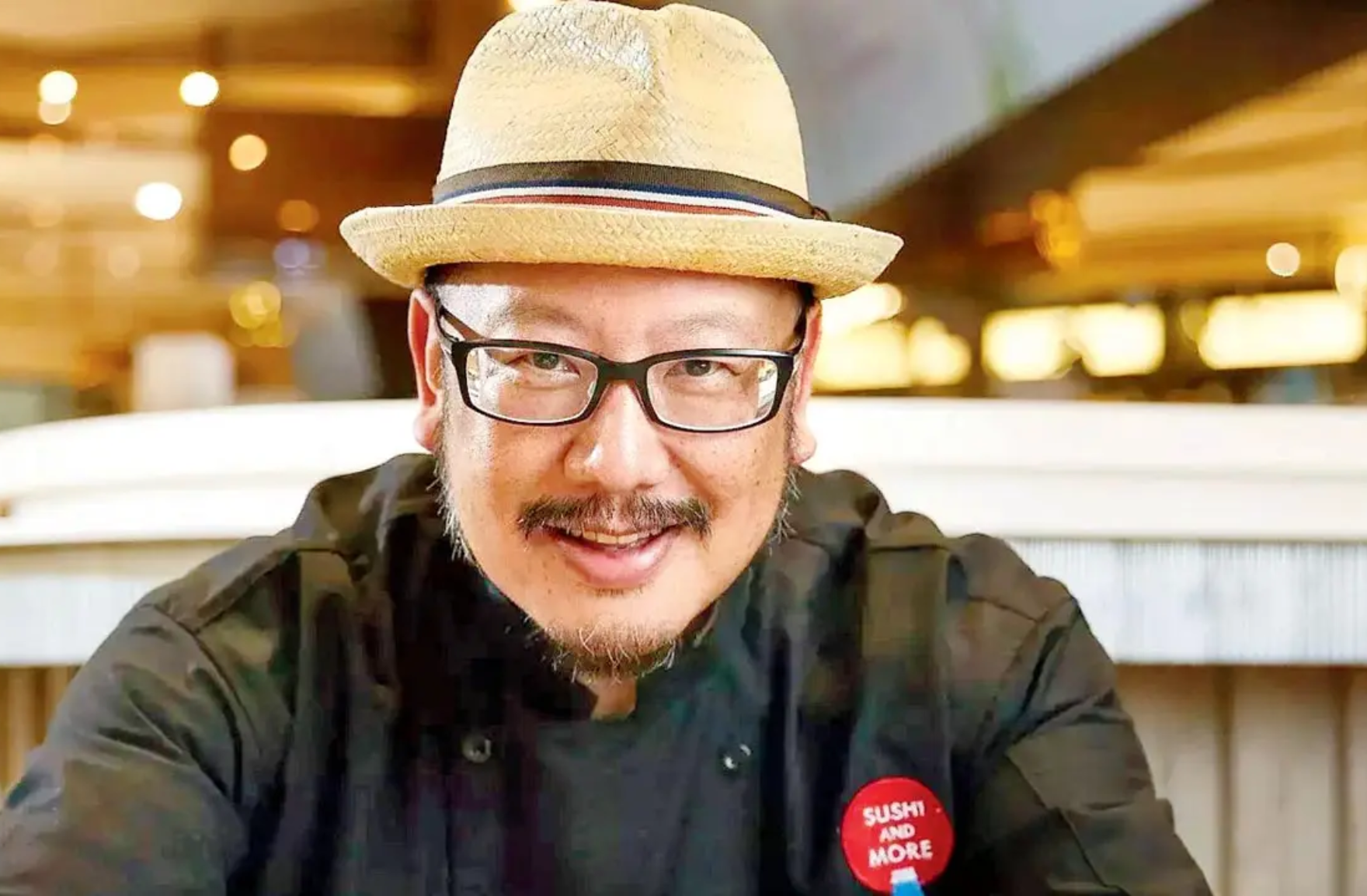
For context, Harry Hakuei Kosato is a serial entrepreneur. He is a founder and managing director of Sushi and More, which is btw India’s largest sushi delivery service with outlets across India. Along with this, he is also the India representative and director of Kikkoman Corporation, the world’s leading manufacturer of soy sauce. Before starting his own sushi business, he was the marketing manager of Dyson Tokyo and helped Four Seasons Hotel set up its pan-Asian restaurant.
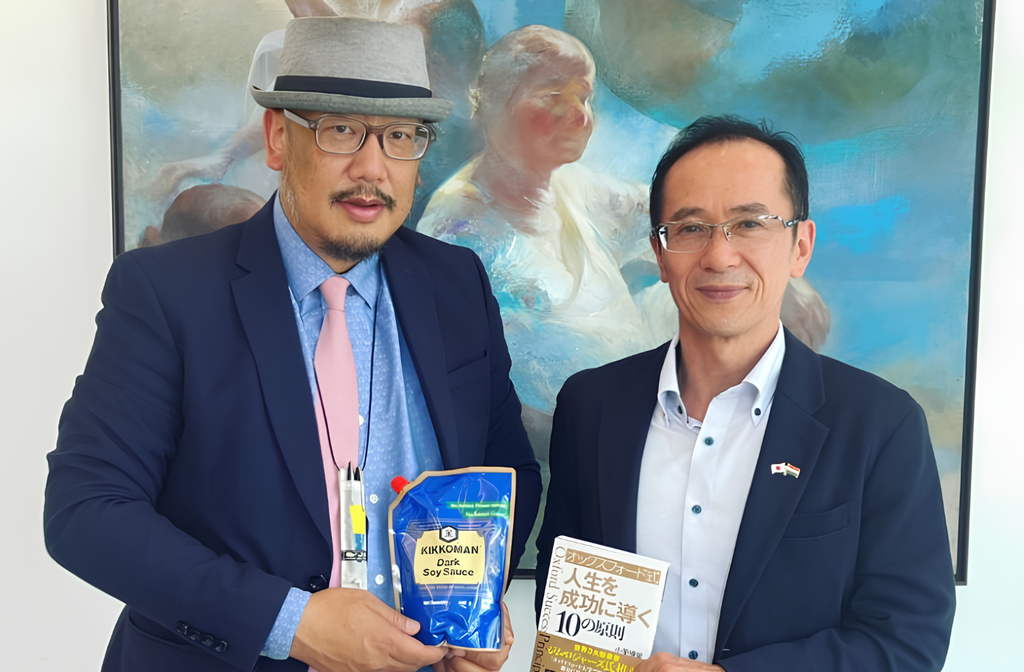
Today, Kosato works closely with chefs, restaurateurs and food-service professionals through Kikkoman, while also serving as a Japanese Cuisine Goodwill Ambassador and writing regularly about India’s changing food culture.
In 2026, that work took another step forward with the launch of the Kikkoman Center for Chinese Cuisine, an initiative aimed at education, talent development, and improving culinary standards within India’s Chinese food ecosystem.
But behind it all, his key focus has always been on understanding the market, respecting the food, building the right people and systems, and creating something that can last.
For Harry Kosato, Food Has Always Been About More Than Food
We don’t think there is anyone out there who doesn’t enjoy great food and great experiences.
As for Kosato, food is “the purest form of entertainment” because it nourishes people while also creating opportunities to socialize, and maybe that’s why he sees India’s food and beverage industry as an opportunity that extends well beyond its size. In fact, Kosato believes that there are three key things that make India particularly exciting – its enormous scale, its extraordinary culinary diversity and its growth potential. Kosato never misses an opportunity to talk about the country as a place where cuisines, ingredients, chefs and consumers are constantly influencing one another.
“You can provide so much happiness to people through food, as it’s such an integral part of a person’s life and it’s very much a part of Indian culture. I think it’s a very, very exciting time for the Indian F&B industry.”
In 2025, Kosato brought more than 100 chefs, restaurateurs and industry professionals together for Kikkoman’s third annual Culinary Experts Meetup in Kolkata. In 2026, the fourth edition in New Delhi expanded that industry-building approach even further with the launch of the Kikkoman Center for Chinese Cuisine.
Building a Japanese Food Business in India Was Once Considered Impossible
When Kosato started Sushi and More in India, the idea of building a sushi business outside premium hotels and restaurants was far from obvious.
“15 years ago, a lot of my friends from Japan, New York, and London advised me against launching the Sushi business in India, saying nobody was going to eat it in India,” he recalled. The concerns were practical enough, like those of hygiene, transportation, ingredient availability, and a shortage of trained staff. But Kosato strongly believed that once people experienced the food and developed a taste for it, sushi could move very well beyond its niche audience.
“Global cuisines find their way into any city or in any country at the right time. It’s all about the good taste,” he said, and thankfully, that prediction has played out. Sushi is now familiar across India’s urban restaurant landscape, appearing not only at specialist Japanese restaurants but also on the menus of pan-Asian and other contemporary restaurants.
Yet Kosato now sees the opportunity as much larger than sushi.
In a conversation with The Telegraph, he argued that Japanese cuisine is still at a very early stage in India. He estimated that India has around 50 proper Japanese restaurants, compared with roughly 80,000 in China, describing the gap as an indication of the market’s untapped potential.
“People talk about Japanese food as if it is already a big trend in India, but you have seen nothing yet,” he said. For him, the next wave will be driven partly by travel. As more Indians travel internationally, experience Japanese food firsthand and return home, their expectations and curiosity around the cuisine are likely to grow.
The Ingredient Problem is Also an Opportunity
Introducing a cuisine to a new market is never simply about putting a dish on a menu. Ingredients matter a lot as well.
When our team spoke to Kosato, he pointed to a growing consumer interest in authentic and natural products and argued that the food industry has a responsibility to pay closer attention to what it serves.
Kikkoman India, for example, is built around positioning its naturally brewed soy sauce as an all-purpose seasoning rather than an ingredient reserved for sushi. The company has expanded its Indian offering to include soy sauce, dark soy sauce and oyster-flavored sauce, while working with chefs to demonstrate how the products can be used across cuisines.
The challenge, however, is perception.
“There is a widespread misconception that Japanese soy sauce = soy sauce used for sushi,” Kosato explained in a separate interview. His work in India has therefore involved educating chefs and food-service operators about the differences between types of soy sauce and demonstrating how Kikkoman can be used across Chinese, Asian, Western and Indian cooking.
In fact, in 2026, Kosato told Sugarmint that Kikkoman aims to become the leading brand in India’s Asian sauce category by 2030, with a particular focus on the HORECA sector. The publication also reported that Kikkoman is exploring investment in a new large-scale manufacturing facility in India.
The Real Business is People and Operations
For all the attention that food, branding and marketing receive, Kosato believes the foundation of an F&B business is much simpler, i.e., people and operations.
“I think there are two important things while running a business – your people who are running the business, and the operations,” he said.
Marketing, branding, PR, packaging and delivery all matter. But without the right people and systems behind them, they cannot create a sustainable business.
“You can rely on your people to run the systems, and the people rely on the systems. Without both of these in place, you cannot have a sustainable and growing business.”
It is a philosophy that has remained consistent throughout his career. When with our team, Kosato was already thinking beyond short-term success. He said he viewed business in decades rather than one-, three-, or five-year cycles and considered alignment between what a company promises and what it actually delivers as a more meaningful measure of success.
That long-term approach is now visible in his work with Kikkoman as well.
Rather than treating the Indian market simply as a sales opportunity, the company has increasingly invested in chef engagement, culinary education and industry conversations. The annual Culinary Experts Meetup has become one such platform, while the newly launched Kikkoman Center for Chinese Cuisine is designed to provide education, identify and nurture talent, and raise culinary standards.
Winning Chefs Before Winning Consumers
Kosato’s approach to the Indian market has always involved getting closer to the people actually cooking the food. “Observation and experience are the 2 basic things I am always working on with my team to keep updated on what’s going on,” he said in a separate interview.
But he added that the most important insights often come from simply listening to people on the ground. “The answer invariably lies on the streets of India and in listening to our customers; having the ear on the ground is so fundamental and critical.”
For Kosato, such conversations are a way to understand how India’s food culture is changing and where an international brand can add value without losing its identity.
That becomes particularly important in a market as diverse as India.
Authenticity Does Not Mean Standing Still
One of the more interesting shifts in Kosato’s recent work is the way he talks about authenticity.
Kikkoman’s India journey has involved introducing a traditional Japanese product to a market with its own deeply established food traditions. The company’s response has not been to treat authenticity as something rigid. Instead, it has focused on showing how a traditional product can work across different cuisines.
For example, Kikkoman recently developed its Dark Soy Sauce specifically with the Indian market in mind after research showed the popularity of Indian Chinese cuisine and the widespread use of dark soy sauce in it. The product was developed without coloring agents or artificial seasonings, with the aim of delivering a deeper flavor while retaining Kikkoman’s positioning around naturally brewed products.
The same idea surfaced during Kikkoman’s 2026 Culinary Experts Meetup, where one of the central discussions focused on whether authenticity should be treated as a fixed concept at all.
Basically, the point is that cuisines change as they travel, adapting to local ingredients, palates and customs while retaining elements of their original identity.
Social Media Can Create Attention. It Cannot Fix the Food.
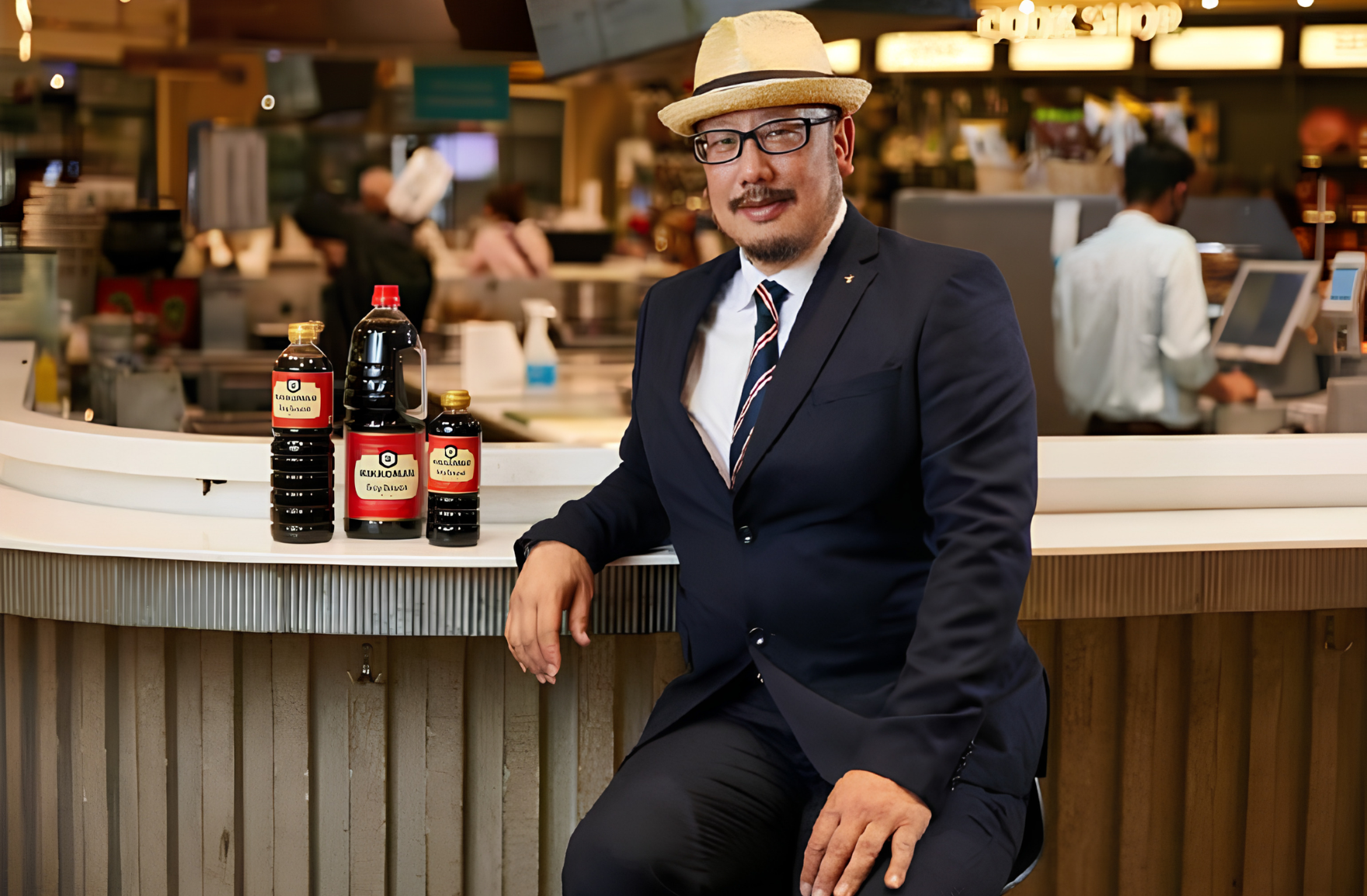
Kosato is very cautious about social media. Like, he does acknowledge its importance but questions the “obsession” around gaining followers and warns businesses against allowing social media to overshadow the fundamentals of their operation.
In his words: “Social media is important, but you should not get carried away with it.”
He argues that a restaurant can promise anything online, but if the food does not deliver, the marketing cannot sustain the business. That perspective has aged particularly well as restaurant discovery has become increasingly digital.
For Kosato, however, the hierarchy remains unchanged. Build the right product. Build the right team. Build the right systems. Then use social media to tell people about it.
Think in Decades, But Focus on Today
Perhaps the most revealing part of Kosato’s philosophy is the apparent contradiction between how far ahead he thinks and how closely he focuses on the present.
When our team spoke to him, he had recently held a team retreat to discuss the company’s past and future. He was thinking in decades, he said, but wanted his employees to focus on the food they were making that day.
“It’s very easy to say to the staff that I want to open 1000 stores in another 20 years. But is that the goal we should be chasing? Why are we chasing a number?” Instead, he wanted every employee to think about whether the order they were preparing would “spread happiness to the customer.”
If you think about it, his current ambitions for Kikkoman in India are significant, from expanding its presence across HORECA and retail to building the brand’s position in the Asian sauce category and potentially developing local manufacturing capacity. At the same time, his work remains intensely grounded in individual relationships. He writes regularly about meeting chefs, restaurant owners, students, industry professionals and consumers, and in 2025 described those encounters as one of the great joys of his work.
That may explain why, after more than three decades in business, his advice to people entering the industry remains remarkably simple – “Enjoy, enjoy, and enjoy.”