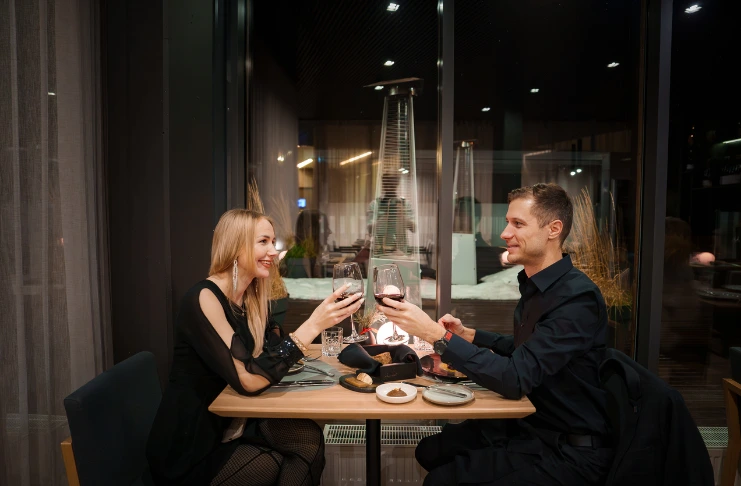

Hospitality today is not just about food. Experiential restaurants in India are redefining the meaning of dining with immersive themes, sensory storytelling, and finely tuned ambiance. For restaurateurs, executive chefs, and food and beverage industry professionals, this trend represents a strategic frontier, one that combines culture, innovation, and emotion to elevate the dining experience.
India’s food service industry is experiencing significant growth. In 2024, it was valued at approximately USD 50.99 billion and is expected to grow to USD 123.5 billion by 2033 at a CAGR of 10.33 percent. The full-service segment (which includes experiential concepts) alone is projected to reach USD 37.93 billion in 2025 and grow to USD 64.72 billion by 2030 at a CAGR of 11.28 percent. Industry observers note a shift as customers desire more than just great food; they want an emotional connection and immersive experiences. Globally, 72 percent of diners now say they would like more experiential options, such as themed dining or chef’s tables.
This blog dives deeper. You’ll explore examples, design principles, and practical tips on how to bring memorable dining experiences to life across cities like New Delhi and Mumbai, combining cuisine, ambience, and narrative. Let’s expand every facet so you can envision how to craft a meaningful journey from appetizer to dessert.
The Rise of Experiential Dining in India
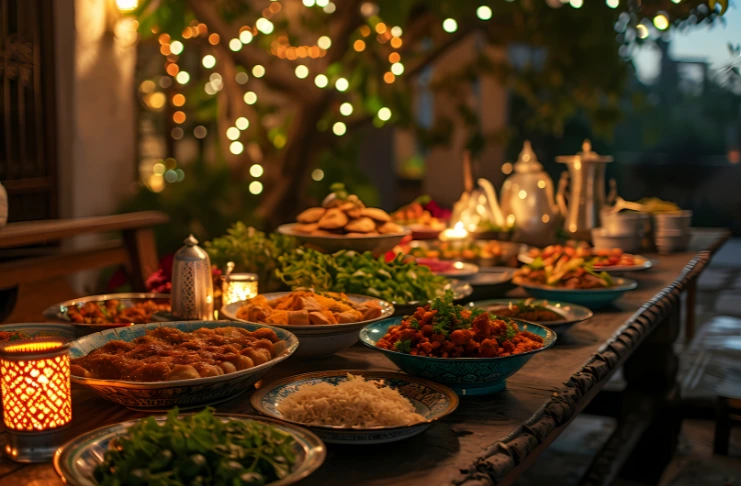
Experiential dining has become a defining trend in the global hospitality industry, and India is no exception. Modern diners, especially in metro cities like New Delhi and Mumbai, are seeking more than just a well-cooked meal. They want immersive environments, cultural stories, and multisensory engagement that turn dining into an event.
INDUSTRY INSIGHTS
| A 2024 Entegra survey found that 72 percent of global diners prefer restaurants that offer unique experiences beyond food presentation. In India, the full-service restaurant market is set to reach USD 64.7 billion by 2030, driven in part by the rising demand for experiential formats. |
Experiential restaurants often integrate art, music, storytelling, and personalized service to create a memorable evening. These experiences cater to both non-vegetarians and vegetarians, making them inclusive while charging a premium price. For restaurateurs, investing in this trend offers a powerful competitive edge.
With experiential dining shaping the market, several fine dining restaurants are leading the way in setting standards for creativity and guest engagement. Let’s explore some standout concepts redefining dining experiences across India.
Fine Dining Restaurants That Rewrite the Playbook
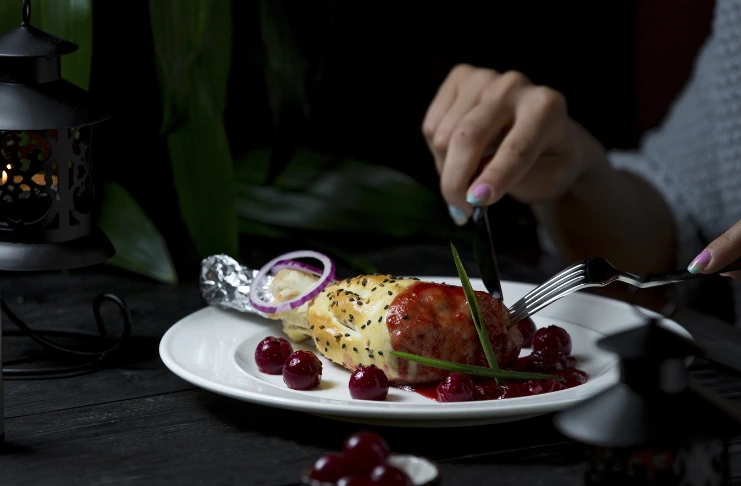
Experiential dining in India isn’t hypothetical; it’s happening right now at pioneering venues that merge design, storytelling, and cuisine. These fine dining restaurants are redefining guest expectations and proving that immersive concepts can delight diners and drive business growth.
The Open-Kitchen Salon at Indian Accent, New Delhi
At Indian Accent, nestled within The Lodhi Hotel, guests experience an elevated fine dining journey as they observe the executive chef and team craft signature dishes. While not a full open kitchen concept, the restaurant frequently hosts chef’s table events and showcases creative plating in view of diners. The six-course tasting dinner menu—including imaginative interpretations of pani puri and smoked duck—blends visual performance with refined tastes. This blending of theatre and cooking underscores the value of visibility and connection.
Banquet of Hoshena, Mumbai – A Theatrical Feast
At Mumbai’s Ramee Guestline Hotel, Banquet of Hoshena creates a dramatic, immersive experience that blends storytelling, 3D imagery, props, and seven courses of food. Guests witness mannequins, visual illusions, levitating dishes, and even whisper fears into magical pouches as they dine. The combination of culinary artistry and dramatic narrative transforms dining into an immersive performance.
Carnival by Trèsind, Mumbai – A Vibrant Celebration
Carnival by Trèsind in Juhu takes the concept of themed restaurants to festive extremes. A carnival atmosphere unfolds with masked bartenders, whimsical décor, quirky wall art, and a menu showcasing regional flavours in playful formats like chaat sundae and jackfruit cutlet. A magical mentalist roams the space, surprising guests mid-course. This creative chaos becomes an experience that diners remember, talk about, and photograph.
Why These Examples Stand Out
- Indian Accent highlights how refining presentation and inviting guests into the process builds connection and prestige.
- Banquet of Hoshena demonstrates how narrative, theatricality, and culinary design merge to engage multiple senses.
- Carnival by Trèsind illustrates how high-energy themes and interactive décor can turn a meal into a celebration.
Collectively, these venues show that experiential dining in India is evolving beyond mere menu creativity; it’s about holistic design, immersive storytelling, and creating memorable moments that transcend the plate.
Meet the Chef Behind the Feasts
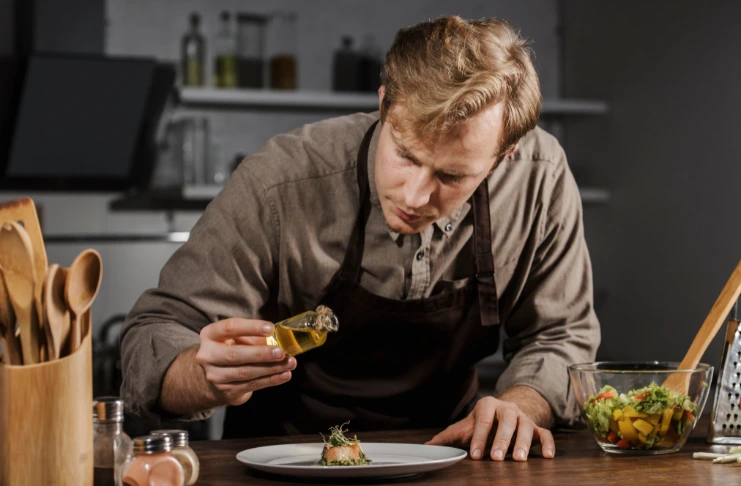
A standout executive chef can elevate a meal into a theatre. These chefs collaborate with designers, lighting specialists, and musicians to create immersive spaces where service and plating are tied into an overarching narrative. For example, one chef carved out a themed corner within a restaurant for interactive plating. It increased the average per-course spend by 15 percent as guests became more engaged with the process and narrative.
Designing Your Dining Experience
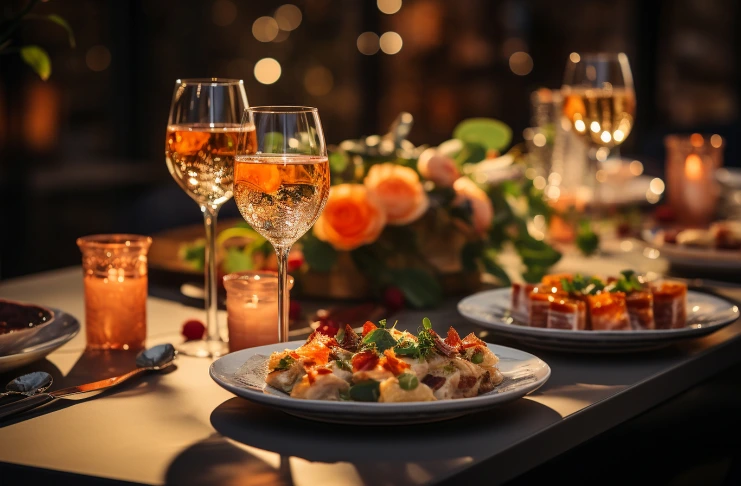
You can design immersive dining without overhauling your entire business. Here is a step-by-step guide:
Curate the Environment
Start with concept-driven space design, maybe a salon-style lounge, a courtyard with soft lantern glow, or a room with rotating projections. Even in hotels, the ambience can transform: imagine a poolside dinner, lit with soft fairy lights, subtle music, and linen-draped tables. Changing décor according to the time of day can reset guests’ expectations and heighten the sense of discovery.
Story-Led Menu
Your menu becomes part of the journey: an amuse-bouche introduces a theme, followed by dishes each tied to cultural stories, like a rice-based starter referencing coastal traditions, or a tangy relish that recalls street-side festivals. Menus with contextual storytelling have been shown to raise per-head checks by around 12 percent.
Engage All Senses
Sound matters. Gentle live music, curated playlists, or ambient soundscapes (rain, festival drummers) can stretch perceived dining time by up to 25 percent, making events feel richer. Incorporate scent, such as citrus smoke for dessert or pre-meal aromas of herbs. Textural elements, such as a course served on a cold stone or presented under a smoking dome, create dining moments that guests remember and photograph.
Bringing It to Life in Hotels and Restaurants
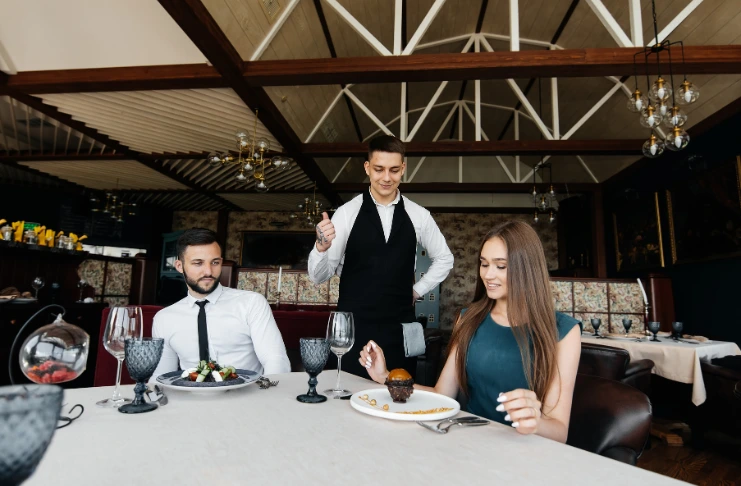
Experiential dining is most effective when tailored to the unique strengths of your space. Whether your restaurant is nestled within a luxury hotel or operates as a standalone outlet, design choices should complement your brand identity and resources. Hotels can leverage their grandeur and built-in amenities to create immersive fine-dining experiences, while independent restaurants enjoy the agility and creative freedom that come with being independent.
Hotels: Turning Legacy into Luxury
Hotels have an unmatched advantage in the experiential dining market, offering architectural richness, well-maintained infrastructure, and access to a captive guest base. By integrating themed dining rooms, curated live performances, and exclusive chef-led events, hotels can enhance guest loyalty and attract non-resident diners.
A heritage property in Delhi transformed its salon-style fine dining restaurant into a Mughal-inspired court for evening service. The dinner experience included live traditional music, antique-style décor, and a multi-course menu celebrating royal Indian cuisine. Within six months, this concept drove a 25 percent increase in restaurant revenue and garnered extensive press coverage, positioning the property as a cultural dining destination.
Hotels also benefit from cross-selling opportunities, as pairing immersive dining experiences with luxury stays, spa treatments, or curated culinary tours can boost guest spend per stay. According to Mordor Intelligence, the Indian luxury hotel market is estimated to be around USD 2.99 billion in 2025 and is projected to grow to approximately USD 4.83 billion by 2030, indicating a compound annual growth rate (CAGR) of about 10.06% for the period 2025–2030. Experiential restaurants inside hotels can become a major profit driver.
Standalone Restaurants: Agility and Creativity at Work
Independent restaurants can pivot more quickly, experiment with various themes, and collaborate with creative partners without the operational constraints of large hotel chains. This flexibility allows them to reinvent dining spaces seasonally and tap into niche audiences.
A Mumbai-based restaurant offers a prime example: it partnered with local artists to curate a rotating gallery where diners explore artwork before being seated. This journey created anticipation, sparked conversation, and encouraged guests to linger longer. The approach resulted in 80 percent of diners staying beyond average dining times, with notable increases in wine and cocktail orders. By blending art and gastronomy, this restaurant positioned itself as more than a dining venue; it became a cultural hub.
Standalone venues can also explore thematic pop-ups, chef’s tables, and limited-time tasting menus, keeping the brand fresh and fostering repeat visits. Creative storytelling and partnerships with cultural organizations or culinary influencers can generate high organic visibility, helping them compete with larger hospitality brands.
Why This Approach Works:
Both hotels and standalone restaurants have unique advantages to leverage. Hotels can focus on exclusivity and grandeur, integrating experiential dining into a broader luxury offering, while standalone outlets can capitalize on flexibility, creativity, and trend adoption. By tailoring immersive dining strategies to their unique strengths, both formats can attract a diverse audience, strengthen brand loyalty, and increase profitability.
Making It Work: Practical Tips for Restaurateurs

Bringing experiential dining to life is not just about high budgets or extravagant interiors. It is about intentional planning, storytelling, and a well-coordinated team that delivers an unforgettable journey for every guest. For restaurant owners and hospitality leaders, these steps can help scale innovation without overwhelming resources.
1. Start Small and Test Concepts
Introduce experiential elements gradually by starting with a single tasting course or a themed night. This approach allows you to gauge guest reactions, adjust service flow, and measure ROI before committing to large-scale redesigns. Restaurants that pilot concepts often achieve smoother operations when scaling because the model has been stress-tested.
2. Train Staff to Tell Stories
Your service team is your frontline in delivering exceptional experiences. Invest time in rehearsing narratives behind every dish, teaching staff pacing, and coordinating cues for music or lighting changes. Well-trained staff make immersive dining feel seamless, while poorly coordinated service can break immersion instantly.
3. Track Metrics and Guest Behavior
Collect data actively. Measure dwell time, table turnover, repeat bookings, and social shares to evaluate the effectiveness of your efforts. Industry insights suggest that immersive design can increase guest dwell time by around 30 percent, directly boosting sales of wine, cocktails, and premium add-ons.
4. Collaborate with Local Talent
Partnerships with local artisans, performers, and cultural experts can create authentic stories that resonate with diners. This collaboration adds depth to your narrative while strengthening your brand as a supporter of the community and regional culture.
5. Plan Smart Investments
Experiential design does not have to mean expensive overhauls. Prioritize modular investments such as adaptable lighting, rotating décor, and reusable props to keep the space fresh. This allows you to change themes or highlight new seasonal menus without frequent capital expenditure.
For restaurateurs exploring immersive dining, success depends on balancing creativity with operational efficiency. By starting small, training your team, and investing wisely, you can create a dining environment that excites guests while maintaining financial sustainability. These principles help restaurants stand out in a competitive market, offering an experience that diners want to return to and share with others.
Key Takeaways
Every section above lays the groundwork. Now here’s a refined overview, acting like a mini guide for F&B professionals looking to adopt experiential ideation:
| Stage | Why It Matters |
| Concept Planning | Defines emotion; sets up an immersive journey from the first glance. |
| Menu & Narratives | Builds deeper engagement and elevates guest perception and value. |
| Sensory Design | Multisensory involvement improves memory and social sharing. |
| Staff Training | Execution depends on alignment; small missteps break immersion. |
| Pilot & Data | Iterates concept wisely and ensures ROI before scaling. |
| Collaborations | Adds authenticity and taps into niche audiences organically. |
| Modular Investments | Keeps concept fresh while managing costs. |
Conclusion
In the fast-evolving world of fine dining restaurants and experiential restaurants in India, the shift from plate to performance is no longer optional; it’s essential. Whether you operate in New Delhi, Mumbai, or emerging metropolitan areas, immersive spaces, story-led menus, and sensory elements form the backbone of a modern dining experience. Verified industry growth underscores the potential: the full-service market alone is expected to reach USD 38 billion by 2025 and continue to expand. Guests are increasingly demanding emotional and multisensory journeys, which in turn leads to higher spending, loyalty, and social advocacy. Thoughtful, scalable experiential design backed by smart metrics can help F&B professionals differentiate, monetize, and sustain brand relevance.
Frequently Asked Questions
1. What is an experimental restaurant?
An experimental restaurant is a dining concept that challenges traditional norms by exploring unconventional formats, materials, or sensory experiences. It might feature inventive presentation methods, unusual cutlery, or immersive environments designed to provoke reflection and deepen engagement. One example is the Amsterdam-based Experimental Gastronomy, where artists design disruptive utensils to slow down and reframe the act of eating.
2. What is the highest rated restaurant in India?
3. Is there any 3 Michelin star Indian restaurant?
Yes. Trèsind Studio, located in Dubai, has become the first Indian restaurant in the world to earn three Michelin stars.
4. What is the cost of Farmlore Bangalore?
The cost for two people at Farmlore in Bengaluru is approximately ₹6,500.