
Saudi Arabia’s restaurant scene is buzzing with opportunity. With 34.3 million people and 99.0 percent internet penetration, the digital landscape has become the new battleground for attracting customers.
The numbers don’t lie: 34.1 million social media users are actively engaging online, making Saudi Arabia restaurants digital marketing strategies absolutely essential for restaurant success.
How is the Digital Revolution Reshaping Saudi Restaurants?
Digital transformation has hit the hospitality sector hard. A traditional word-of-mouth marketing strategy simply can’t compete with the reach of targeted ads and social media campaigns.
When 99.6 percent of Saudi Arabia’s population uses social media platforms, restaurants that ignore online marketing are missing out on massive opportunities to connect with their target audience.
The shift is about creating meaningful connections that convert internet users into paying customers.
Modern consumers expect restaurants to have a strong online presence, complete with engaging content and seamless digital experiences.
Why & How Does Social Media Drive Restaurant Success in Saudi Arabia?

Let’s talk numbers that matter. The Saudi Internet 2024 report revealed that WhatsApp topped the list of most used applications among internet users in the Kingdom, with a share of 92.2%, followed by YouTube with 79.9%, and Snapchat with 79 %.
These statistics represent millions of potential customers scrolling through feeds, looking for their next dining experience.
Successful restaurants use these platforms to showcase their brand personality, share behind-the-scenes content, and create communities around their food. The key lies in understanding that each platform serves different purposes and attracts different demographics.
Visual storytelling is incredibly popular among Saudi audiences. High-quality photos of signature dishes, restaurant ambiance, and chef preparations generate significantly more engagement than generic promotional posts.
How Can Restaurants Build a Strong Digital Marketing Foundation?
Every successful marketing strategy starts with understanding your customers. Saudi Arabia boasts a diverse population where consumer preferences vary dramatically across age groups and regions.
The 60.5 percent male and 39.5 percent female demographic split means restaurants need nuanced approaches that appeal to both segments effectively.
Your restaurant website serves as a digital headquarters. Poor website performance can kill conversions faster than bad reviews. Fast-loading pages, mobile-responsive design, and clear navigation directly impact your website’s visibility in search results.
The competitive market demands restaurants to think beyond basic online presence. Successful businesses integrate multiple digital channels to create comprehensive customer journeys that guide potential customers from discovery to dining.
How Can Restaurants Master Local SEO in Saudi Arabia?

Local SEO has become non-negotiable for restaurants wanting to increase foot traffic. When hungry customers search for “restaurants near me,” your establishment needs to appear prominently in search results. This requires strategic optimization of Google My Business listings, consistent NAP (Name, Address, Phone) information across directories, and location-specific content.
The Saudi market presents unique challenges. Cultural considerations, local language preferences, and regional dining habits all influence search behavior. Restaurants that understand these nuances create more effective SEO strategies that resonate with their target audience.
Mobile devices dominate internet usage in Saudi Arabia, with 48.1 million cellular mobile connections active across the country. This mobile-first reality means your local SEO strategy must prioritize mobile user experience above everything else.
How Does Influencer Marketing Increase Restaurant Visibility?
Influencer partnerships can dramatically increase reach and build authentic connections with potential customers. Saudi influencers have cultivated loyal followings who trust their dining recommendations. This trust translates into real business results when partnerships align with your restaurant’s brand values.
Choosing the Right Influencer Partners
Micro-influencers often deliver better ROI than celebrity partnerships. Their smaller, more engaged audiences typically generate higher conversion rates and provide more cost-effective marketing outcomes.
Food bloggers and lifestyle influencers who genuinely appreciate your cuisine create more authentic content that resonates with their followers.
Maximizing Influencer Campaign Impact
Successful influencer campaigns go beyond single posts. Long-term partnerships that allow influencers to become genuine brand advocates produce sustained results. These relationships help restaurants build credibility and reach more customer segments organically.
How Do Google Ads and PPC Work for Restaurants?
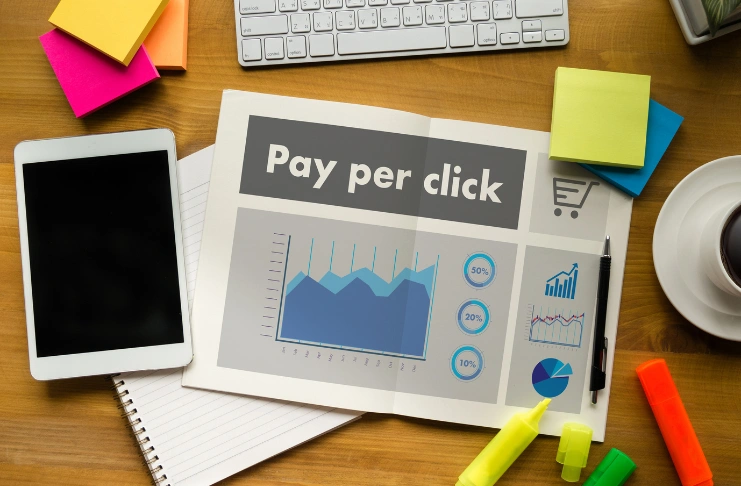
Google Ads provide immediate visibility for restaurants launching new locations or promoting special events. Pay-per-click campaigns target specific keywords related to your cuisine, location, or unique offerings. The key to success lies in careful keyword selection and budget management.
Start small and scale based on performance. Monitor campaigns through Google Analytics to understand which ads generate the best return on your ad spend. This data-driven approach ensures marketing investment supports business growth rather than draining resources.
Run targeted ads during peak dining hours when customers actively search for restaurant options. Timing optimization can significantly improve campaign performance while reducing overall costs.
How Can Email Marketing Improve Customer Retention?
Email marketing remains one of the most cost-effective ways to maintain ongoing relationships with customers. Building subscriber lists through website sign-ups, in-store promotions, and social media campaigns creates valuable direct communication channels.
Personalized campaigns perform significantly better than generic newsletters. Segmenting email lists based on dining frequency, menu preferences, or special occasions allows restaurants to send more relevant, engaging content that drives repeat visits.
Automated email sequences for new subscribers create positive first impressions while nurturing potential customers toward their first visit. Follow-up emails after dining experiences encourage feedback and promote future visits.
What Type of Content Drives Maximum Restaurant Engagement Online?

Educational content positions restaurants as culinary authorities while attracting organic website traffic. Share cooking tips, ingredient spotlights, and cultural food stories that connect with your audience’s interests beyond just promoting menu items.
Behind-the-scenes content humanizes your brand and builds emotional connections. Stories about ingredient sourcing, chef backgrounds, or restaurant history create compelling narratives that customers remember and share.
Short-form video content dominates social media engagement. Kitchen tours, cooking demonstrations, and staff spotlights create shareable content that extends your organic reach. Video performs particularly well on TikTok and Instagram, where visual storytelling drives user engagement.
INDUSTRY INSIGHT
| Saudi Arabia’s hospitality sector is going through one of the fastest digital shifts in the world. By early 2025, internet penetration reached 99 percent. Mobile connections are even higher at 48.1 million, i.e., 140 percent of the population, showing how common multi-device and multi-SIM use has become. The sector’s value stands at USD 27.14 billion in 2025 and is expected to double by 2030, fueled by Vision 2030 investments and digital-first strategies. Restaurants and hotels are racing to adopt CRM systems, loyalty apps, mobile ordering, and automated payment gateways to keep pace with customer expectations. Direct digital booking channels are expanding at a 15.65 percent CAGR, surpassing traditional OTAs and giving brands stronger direct relationships with guests. With 85.3 percent of the population living in cities and a median age of 29.6, the core audience is young, urban, and digitally fluent. For restaurants, this means that seamless digital engagement is no longer optional. It’s the foundation for long-term competitiveness. |
How Are Restaurant Apps and Mobile Ordering Changing the Game?
Digital services now include dedicated restaurant apps that streamline online ordering and enhance customer convenience. Apps provide direct communication channels while building customer loyalty through integrated reward programs and personalized offers.
Mobile optimization ensures your marketing reaches customers regardless of device or location. With mobile internet download speeds averaging 124.61 Mbps across Saudi Arabia, customers expect fast, responsive digital experiences.
Push notifications keep restaurants top-of-mind for regular customers while promoting special offers and new menu items. However, balance is crucial – too many notifications can annoy customers and lead to app deletions.
What Social Media Campaigns Convert Views Into Visits?

Interactive content generates higher engagement rates than static posts. Polls, contests, and user-generated content campaigns create community participation while extending organic reach. Encouraging customers to share meal photos with branded hashtags amplifies your marketing without additional costs.
Responding promptly to comments and messages demonstrates customer service excellence while building stronger relationships. Active engagement shows customers you value their opinions and creates loyal customers who recommend your restaurant to others.
Community building through Facebook groups or dedicated hashtags fosters deeper connections beyond individual transactions. These communities generate word-of-mouth referrals and create environments where customers actively promote your restaurant.
How Should Restaurants Use Analytics to Optimize Performance?
Google Analytics provides detailed insights into customer behavior, traffic sources, and conversion rates. Understanding which digital marketing channels drive the most valuable customers helps optimize budget allocation and strategy focus.
Monitor social media engagement rates, email open rates, and website conversion metrics regularly. This data reveals which content resonates with your audience and which strategies need adjustment.
Performance data should guide all marketing decisions. Successful campaigns deserve increased investment, while underperforming strategies need immediate evaluation and modification. Regular analysis prevents wasted ad spend and maximizes marketing ROI.
A/B testing different content types, posting schedules, and campaign approaches reveals optimization opportunities that can significantly improve results over time.
How Does SEO Support Long-Term Restaurant Growth?
SEO requires patience but delivers sustainable results. Optimizing menu pages, location information, and blog content for relevant keywords improves organic search visibility over time. This organic traffic typically converts better than paid advertising because customers actively seek your services.
Content marketing through blog posts about food trends, local dining culture, and restaurant news attracts potential customers while building domain authority. Regular, high-quality content publication signals search engines that your website provides valuable information.
Link building through local partnerships, food blogger collaborations, and community involvement strengthens your website’s authority and improves search rankings for competitive keywords.
Should Restaurants Outsource Digital Marketing or Keep It In-House?
Deciding between outsourced digital marketing services and in-house management depends on restaurant size, budget, and growth objectives. Agencies bring specialized expertise and advanced tools, while internal teams understand brand culture and customer relationships better.
Many successful restaurants adopt hybrid approaches, maintaining in-house content creation while outsourcing technical aspects like SEO implementation or paid advertising management. This balance provides cost efficiency while maintaining brand authenticity.
How Can Customer Behavior Data Improve Targeting?
Understanding how customers discover, evaluate, and choose restaurants guides effective marketing strategy development. Saudi consumers increasingly research dining options online before making decisions, making a strong digital presence absolutely essential.
Mobile device usage patterns show customers often search for restaurants during commute times or while already out. This behavior suggests geo-targeted advertising and mobile-optimized content should prioritize immediate conversion opportunities.
How Do Digital Loyalty Programs Build Repeat Business?
Digital loyalty programs track customer visits while rewarding repeat business. Mobile app integration makes participation convenient and provides valuable customer data for personalized marketing.
Exclusive offers for loyal customers create appreciation and encourage continued patronage. Tiered reward systems motivate increased spending while providing clear value to regular customers.
How Should Restaurants Analyze Competition and Position Themselves?
The competitive market requires continuous monitoring of rival strategies while developing a unique positioning that highlights your restaurant’s distinctive qualities. Regular competitor analysis reveals gaps in their approach and opportunities for differentiation.
Innovation often provides temporary competitive advantages before becoming industry standards. Early adoption of new social media platforms, payment technologies, or delivery services can attract customers seeking novel experiences.
How Should Restaurants Invest in Digital Marketing for Growth?

Budget allocation should reflect performance data rather than equal distribution across all channels. Channels that attract customers and increase sales deserve larger investment shares, while underperforming strategies need critical evaluation.
Starting with proven, low-cost strategies like organic social media and email marketing builds a foundation audience before investing heavily in paid advertising. This approach reduces risk while establishing baseline performance metrics.
Smart investment in technology infrastructure supports long-term growth. Quality point-of-sale systems, reliable internet connectivity, and professional photography equipment enable better marketing execution and customer experience delivery.
Understanding when additional investment in digital marketing services becomes necessary prevents missed opportunities. Growing restaurants often reach points where professional expertise delivers better returns than continued in-house management.
How Can Restaurants Future-Proof Their Digital Strategy?
Staying competitive requires adaptability and a willingness to experiment with emerging technologies and platforms. Consumer preferences evolve rapidly, and restaurants must evolve their strategies accordingly to maintain relevance.
Regular strategy reviews ensure your marketing efforts align with changing customer expectations and market dynamics. What works today might not work tomorrow, making flexibility essential for long-term success.
Conclusion
Digital marketing has transformed from optional to essential for restaurant success in Saudi Arabia. With 99.6 percent social media penetration and widespread mobile adoption, restaurants must embrace comprehensive digital strategies to attract and retain customers effectively.
Success requires understanding your target audience, selecting appropriate platforms, and consistently delivering valuable content that resonates with Saudi consumers.
Whether implementing social media marketing, email campaigns, or search engine optimization, digital channels offer scalable, cost-effective ways to build customer relationships and increase sales.
Frequently Asked Questions
1. What is the trend in digital marketing in Saudi Arabia?
Digital marketing in Saudi Arabia shows explosive growth with 99.0 percent internet penetration and 34.1 million active social media users. Mobile-first approaches dominate, with visual content and influencer partnerships being incredibly popular strategies driving customer engagement.
2. What is the best marketing strategy for restaurants?
The most effective approach combines social media marketing, local SEO, and email marketing. Focus on platforms where your target audience spends time, create engaging visual content, and maintain consistent customer communication to build lasting relationships.
3. What are the top 7 types of digital marketing strategies?
Here are the top 7 digital marketing strategies you should consider:
– Social media marketing across multiple platforms
– Search engine optimization for local visibility
– Email marketing for customer retention
– Influencer marketing partnerships
– Content creation and storytelling
– Pay-per-click advertising campaigns
– Mobile marketing and restaurant app development
4. What are the 4 Ps of restaurant marketing?
Product (menu offerings and dining experience), Price (competitive pricing strategy), Place (physical location and online ordering platforms), and Promotion (comprehensive digital marketing campaigns, social media presence, and targeted customer engagement strategies).