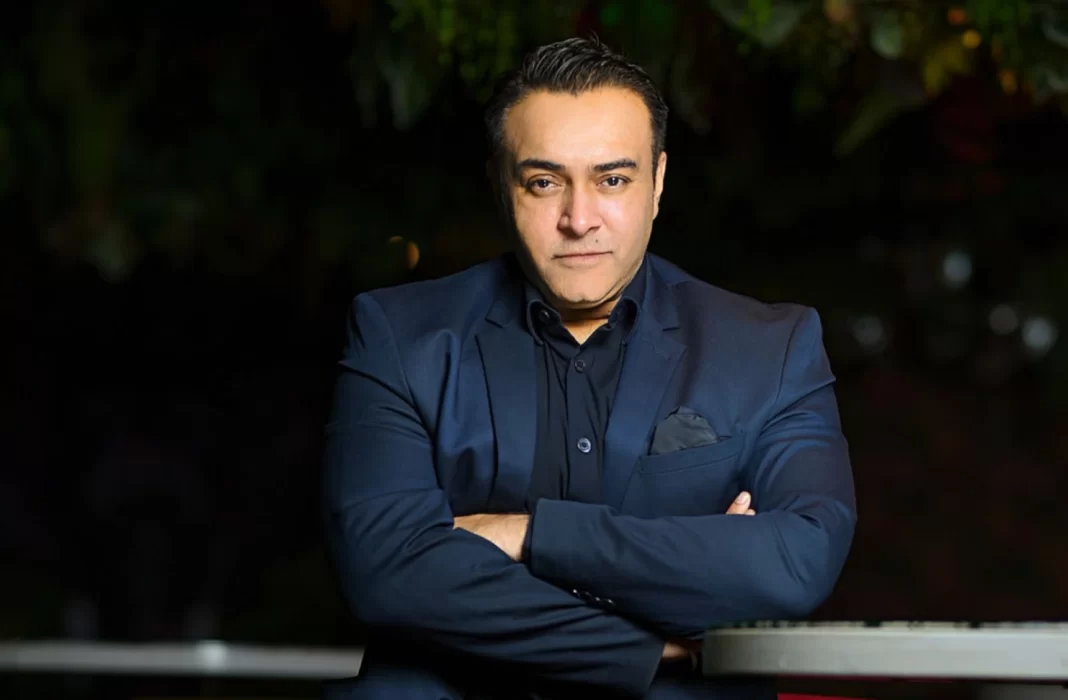

When given a choice, almost every inheritor ‘preserves’ legacy. But Zorawar Kalra had to do it differently. So, he stopped chasing what “should” be done and started trusting ideas that felt “too audacious at first.”
And it was this exact choice that not only redefined his own trajectory, but the very conversation around Indian cuisine on the global stage. Speaking with The Restaurant Times, Zorawar reflects on how legacy, risk, and, especially, resilience have shaped his journey.
Carrying forward a legendary name is never easy. His father built an empire on the authentic flavors of India, and the path ahead seemed neatly laid out: honor the recipes, follow the blueprint, maintain the tradition. But Zorawar knew that simply repeating the past would never carve out a place for his own.
“By treating legacy not as a script but as a foundation,” he explains, “I’ve learnt to build my own narrative while staying deeply grateful for the vision that came before me.”
This was never rebellion for its own sake. It was evolution with intent.
The Power of Big Ideas
The shift began with a simple question: What if Indian food could be more than expected?
While the culinary world was content to box Indian cuisine into familiar categories—traditional, heavy, predictable—Zorawar saw something else entirely. He saw a theater. He saw science. He saw stories waiting to be told in ways that had never been attempted.
One of his big ideas was introducing modern Indian cuisine at a time when the market demanded traditional. It was a gamble that went against conventional wisdom, market research, and probably the advice of every consultant in the hospitality industry.
But Zorawar knew that innovation doesn’t kill tradition. It keeps it alive.
“That pivot not only challenged perceptions but opened global doors for Indian food to be seen as avant-garde,” he says. Today, such an ethos runs from Masala Library’s molecular interpretations of street food to Farzi Café’s theatrical presentations, which turn dining into performance art.
The Art of Emotional Architecture
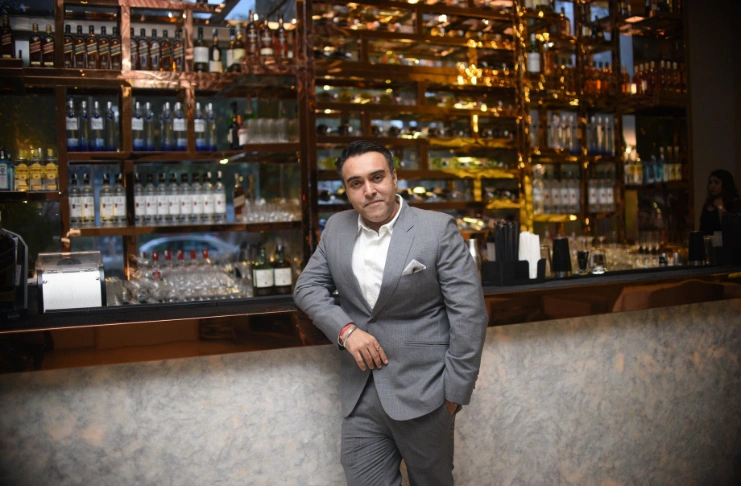
Walk into any of Zorawar’s restaurants, and you’ll immediately get how the experience is the center of it all.
His creative process boils down to, “What conversation do we want people to have when they leave?” Everything else (menu, music, even the last bite) is designed to deliver that specific feeling.
This approach has created dining experiences that defy easy categorization. Whether it’s Farzi Café’s playfulness or Masala Library’s sophistication, each concept carries what Zorawar calls the Massive DNA: “storytelling, innovation, and a certain irreverence.”
But what’s most striking about his philosophy is the understanding that hospitality is really about human connection. “I was first drawn by the sheer power of food to create memories and connections,” he admits, “and I stayed because I realized hospitality is one of the few industries where art, culture, and human experience intersect every single day.”
Leading with Empathy in an Unforgiving Industry
The restaurant industry has a reputation for brutal hierarchies, authoritarian leadership, and cutthroat competition. Zorawar’s approach challenges these conventions at their core.
His leadership philosophy is deceptively simple: “Lead with empathy, experiment without fear, and empower people to grow beyond their titles.”
In an industry where ideas traditionally flow only from the top down, Zorawar says, “I surround myself with curious people, keep a beginner’s mindset, and remind myself that the best ideas can come from the commis, the guest, or the city streets, you just have to listen.”
It’s a thought born from knowing that innovation requires diverse perspectives and that the best insights often come from the most unexpected sources. But making this work across multiple cities, countries, and customer types has been challenging.
“Balancing hyper-local relevance with a consistent brand soul,” he explains, has been one of the biggest hurdles in scaling. “We’ve learned that the best way to scale is to think global but act local, respecting each city’s unique pulse.”
The Invisible Grind Behind the Glamour
For all the theatrics and Instagram-worthy moments, Zorawar speaks with disarming candor about what it really takes.
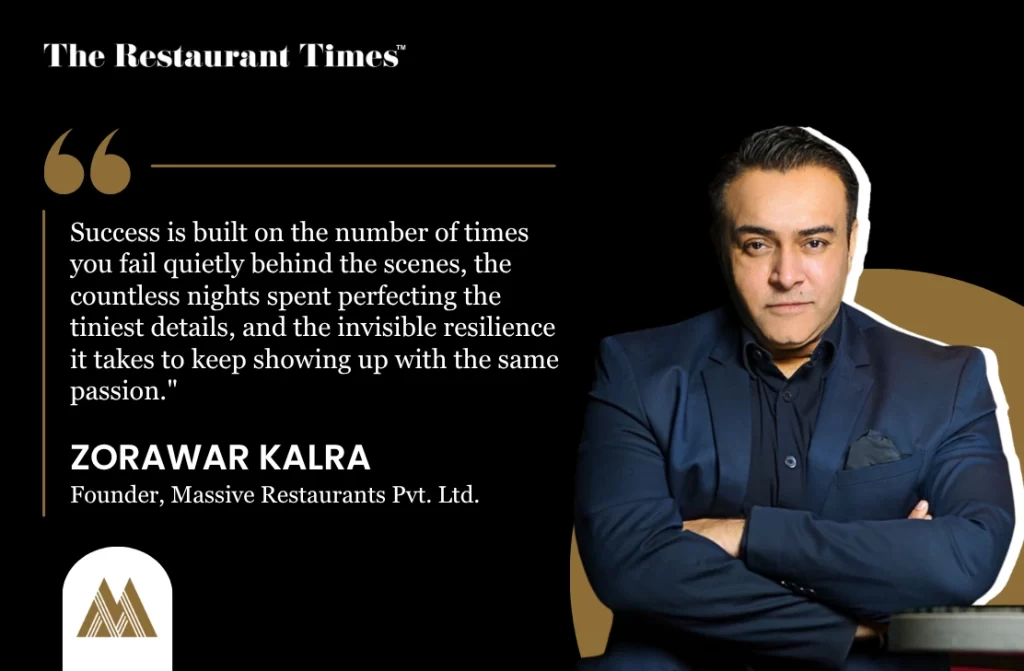
It’s an acknowledgment of the unglamorous side: failures, obsession, the relentless push for perfection, that underpins his success. Every breakthrough concept, every flawless dish, every lasting memory is built on hours of unseen work.
Yet for all the challenges, there’s an infectious passion that drives him forward. The magic moments, when everything comes together and creates something awe-inspiring for guests, make “it all worth it.”
On Success and Competition
Success, for Zorawar, has changed over time. “Earlier, success was about creating concepts that worked. Today, it’s about building legacies that inspire, empower teams, and make a lasting cultural impact.”
This shift shows the maturity that comes from achieving your first goals and realizing they weren’t the finish line, but merely stepping stones to something bigger. It’s about moving from proving yourself to building something that lasts beyond any single achievement.
Maybe most telling is his view on competition in an industry known for territorial battles: “Collaboration is the new competition, when we share ideas, we don’t dilute our edge, we sharpen it.”
It’s a perspective that demonstrates confidence in your own vision and recognizes that everyone benefits when the entire industry advances together.
The Future of Indian Cuisine
With Farzi now in New York and concepts expanding globally, Zorawar is at the forefront of Indian cuisine’s international evolution.
“I see Indian food finally taking its place as a genre that’s not just rich in tradition but dynamic, playful, and capable of standing shoulder to shoulder with the best global culinary movements,” he says.
This isn’t just hope. It’s the logical result of years spent proving that Indian food could be modern, experimental, and globally relevant without losing its heart. Each successful international venture proves that authentic doesn’t mean unchanging, and innovation doesn’t require giving up your identity.
The Unfinished Revolution
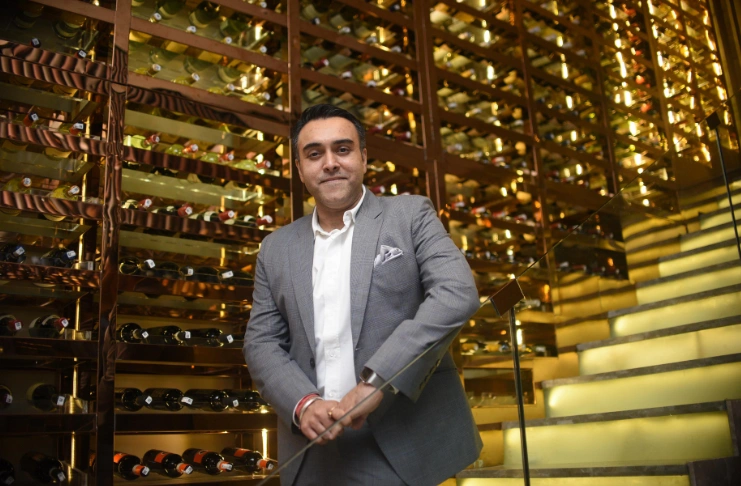
As our conversation draws to a close, there’s a sense that Zorawar’s story is still being written. When asked about the future, he points to sustainability and food waste as the next big challenge needing “radical reinvention.”
“It’s time for our industry to innovate with the same energy we use for culinary creativity,” he insists.
For someone who has spent his career challenging the way things are done, it makes sense that he sees the next challenge not in what his restaurants serve, but in how they serve it – responsibly, sustainably, with the same bold innovation that has defined his journey.
The Legacy Continues
Zorawar Kalra’s story isn’t just about restaurants or food. It’s about having the courage to honor what came before while refusing to be trapped by it. It’s about understanding that the best way to tribute those who built the foundation isn’t to copy them, but to build on what they started.
In transforming Indian dining from familiar to revolutionary, from local to global, from traditional to cutting-edge, he has proven that legacy and innovation aren’t opposites. Instead, they work together to create something completely new.
His advice to new entrepreneurs captures his whole approach: “Stay obsessed with your craft, stay agile with your strategy, and remember: people will forget what they ate, but they’ll never forget how you made them feel.”
In an industry built on serving others, Zorawar Kalra has mastered the art of serving up change, one bold idea at a time.