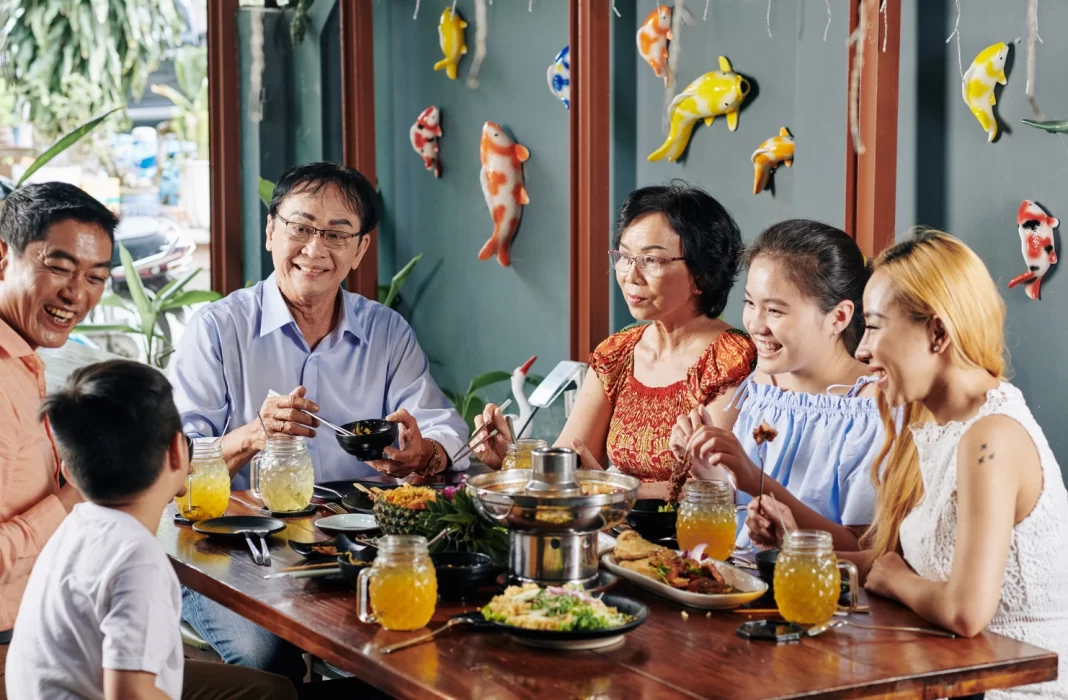

You walk into a restaurant and within minutes, you know whether it’s special or just another place to eat. Maybe it’s the way the host greets you at your table. Maybe it’s the smell of delicious food from the kitchen or the atmosphere. Whatever it is, what makes a good restaurant does far more than serving food.
The difference between a successful restaurant and one that barely survives comes down to specific, tangible factors. In 2025, with the restaurant industry projected to hit $1.5 trillion in sales, success demands a thoughtful approach to every aspect of the restaurant business.
What makes a good restaurant successful? The answer involves consistent execution across multiple areas: amazing food, excellent service, smart operations, and the ability to create dining experiences that matter to customers.
Understanding these key factors separates restaurants that build loyal customers from those that close their doors. Let’s explore what makes a restaurant truly great and how restaurant owners can build something that lasts.
Why Does Food Quality Matter Most in a Successful Restaurant?
Good food is the foundation of every successful restaurant. Everything else builds on top of it, but if your food disappoints, nothing else matters. A good restaurant maintains consistent quality whether customers visit on Tuesday afternoon or Saturday night.
Quality ingredients make a difference that diners can taste. With 78% of consumers preferring restaurants that source ingredients locally, there’s clear demand for thoughtful sourcing. Great food made with fresh ingredients sets the baseline for what makes a restaurant successful.
But quality alone doesn’t cut it. Many restaurants serve good food yet struggle to survive. Consistency is what transforms first-time guests into regular patrons who bring family and friends. When customers know they can count on delicious food every visit, they become advocates.
Your restaurant menu needs balance. Offer enough menu items to appeal to different tastes, but not so many that your kitchen gets overwhelmed. Many restaurant owners make the mistake of oversized menus that compromise quality. Highly successful restaurants keep focused menus with dishes they can execute perfectly every time.
How Does Service Shape the Overall Dining Experience?
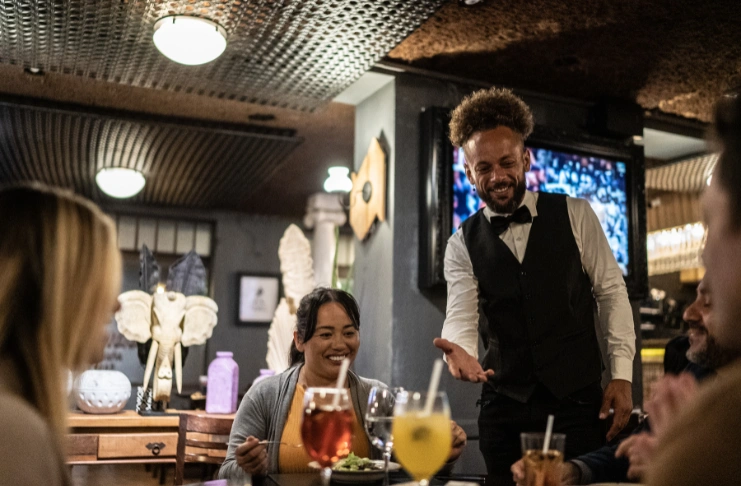
While 64% of full-service restaurant customers prioritize their overall dining experience over meal prices, service plays a massive role in that experience. What makes a great restaurant is how the staff make guests feel from the moment they walk in until they leave their table.
Great servers do more than deliver food and take orders. They read the room, anticipate needs, and make guests feel genuinely welcomed. Friendly service creates a comfortable atmosphere where diners want to spend time with family and friends.
Training your front-of-house staff properly creates consistency across every meal and every table. They need to know the restaurant menu inside out, understand timing and flow, and handle problems gracefully. When servers are knowledgeable and attentive without being intrusive, the dining experience becomes memorable.
Speed matters too, but it varies by concept. A new restaurant focusing on quick-casual dining needs efficient service. Fine dining restaurants require a different pace that gives guests time to savor each course and enjoy their meal. Understanding what your target audience expects and delivering it consistently builds trust.
Empowering staff to solve problems on the spot prevents small issues from becoming bad reviews. Bad service drives customers away faster than anything else. When your team can resolve issues quickly, you create loyal customers who overlook occasional mistakes.
Why & How Do Atmosphere and Ambiance Influence Where People Eat?
The physical atmosphere sets expectations before anyone tastes the food. A good restaurant creates an ambiance that aligns with its concept and appeals to its target market. An Italian restaurant feels different from a trendy downtown spot, and that’s intentional.
Lighting, music, seating arrangements, and decor all contribute to creating a pleasant ambiance. Good lighting can create a cozy atmosphere that makes diners want to linger over their meal. Harsh lighting and uncomfortable chairs work against even the best food.
Cleanliness is non-negotiable. Spotless bathrooms, clean tables, and well-maintained spaces signal that you care about details. Customers notice when restaurants let their standards slip.
The noise level matters more than many restaurant owners realize. Some concepts thrive on energetic buzz, while others need quieter spaces for conversation. Understanding what works for your target audience and designing accordingly makes a real difference in the customer experience.
What Role Do Operations Play in Restaurant Success?

Behind every great restaurant experience is a well-run restaurant business. Efficient operations, smart scheduling, and attention to food costs separate profitable restaurants from those that struggle despite being busy with customers.
With labor costs typically accounting for 25-35% of total revenue, effective scheduling becomes important. Many restaurants fail because they can’t balance staffing needs with costs. Good restaurant owners forecast demand accurately and staff appropriately.
Food costs management through portion control, waste reduction, and smart purchasing protects profitability. When 91% of restaurant owners reported food cost increases in 2025, controlling these expenses becomes essential. You can’t save money by compromising quality, but you can eliminate waste.
Standard operating procedures ensure consistency across shifts. When everyone follows the same recipes, portioning guidelines, and service standards for every dish and every meal, quality remains consistent regardless of who is working.
How Do Leadership and Culture Impact Restaurant Performance?
Great restaurants start with strong leadership that creates positive workplace cultures. With 81% of restaurant operators reporting staffing challenges, building a team that wants to stay makes a competitive difference in the food industry.
Good restaurant owners and managers inspire their teams rather than just managing them. They set clear expectations, provide proper training, and create environments where people take pride in serving customers. This matters because engaged employees deliver better service and create better dining experiences.
Employee turnover has become a major challenge. Research shows 56% of restaurant employees value flexible scheduling, making it a key factor in retention. Restaurants that offer better benefits and reasonable schedules attract and retain better talent than others.
Recognition and growth opportunities keep good employees from leaving. When staff see paths for advancement and feel appreciated, employee turnover drops, and institutional knowledge builds. Many restaurant owners underestimate the cost of turnover to their business.
What Is Menu Engineering and Why Does It Matter?

A good restaurant designs its menu strategically. Menu engineering analyzes which dishes are profitable and popular, helping you understand what makes your restaurant money.
Your restaurant menu should highlight your unique selling proposition. What makes your restaurant different from other restaurants competing for the same customers? Maybe it’s your favourite dish that everyone raves about, or specialty menu items that showcase what your chef does best.
Pricing requires balancing value perception with profit needs. With 47% of restaurant operators increasing menu prices in 2024 to combat rising costs, the challenge is to raise prices without driving customers away. Strategic pricing based on food costs and market research protects margins while maintaining value.
Menu descriptions matter more than many realize. Well-written descriptions that highlight quality ingredients and preparation methods can increase sales of high-margin dishes. Clear, appetizing language helps customers make choices and creates anticipation for their meal.
Seasonal menu changes keep things fresh and allow you to take advantage of ingredient availability. They also give regular customers reasons to return and try something new, building repeat business.
How Do Restaurants Build Strong Customer Relationships?
Nine out of ten adults enjoy dining out, emphasizing the restaurant industry’s role in social experiences. A successful restaurant recognizes the importance of creating moments that become part of customers’ lives, whether that’s a family dinner celebration or a gathering of friends for a meal.
Personalized service makes customers feel valued. When staff remember regulars’ names and preferences, it builds emotional connections. These relationships drive repeat business and word-of-mouth marketing, bringing new customers through your doors.
Loyalty programs work when done well. Research shows 85% of consumers stick to brands that offer personalized rewards. The key is making them genuinely valuable. Highly successful restaurants use these programs to keep loyal customers engaged and spending money.
Listening to customer feedback and acting on it shows you care about their experience. Good restaurants actively seek input through comment cards, online reviews, and direct conversation with guests at their table, then make meaningful changes.
How Does Technology Improve Modern Restaurant Operations?

By 2025, approximately 95% of restaurant operators are expected to use some form of artificial intelligence in their operations. Technology has become essential for competing effectively and meeting customers’ expectations of a great restaurant.
Online ordering and reservations are now standard expectations. Digital ordering and delivery have grown 300% faster than dine-in traffic since 2014, making these capabilities critical. Many restaurants now derive significant revenue from customers who never sit at a table.
Point-of-sale systems that integrate with inventory, scheduling, and accounting streamline operations. A good restaurant uses technology to work smarter, save on labor costs, and improve service quality.
Social media presence matters enormously. With 81% of restaurant owners using Facebook for marketing and many restaurants leveraging social media platforms like Instagram and TikTok, digital visibility is crucial. Customers discover where to eat through social media more than ever before.
Mobile payment options matter to customers. Nearly 40% of diners prefer using mobile payment apps over physical cards. Offering these options at every table improves the checkout experience and speeds service during busy dinner rushes.
Why Is Financial Management Critical for Restaurants?
Even the most beloved restaurants fail if the numbers don’t work. What makes a restaurant successful in the long term is understanding the business side. Many factors affect profitability, but managing food and labor costs is key.
Understanding your prime cost (food costs plus labor costs) gives you the clearest picture of operational efficiency. Most successful restaurants keep prime cost between 60-65% of revenue, leaving room for other expenses and profit. Many restaurant owners fail because they don’t track these numbers.
Regular financial reviews catch problems early. Monthly analyses of food costs, labor percentages, and overall profitability help you spot trends. When you see food costs rising or labor creeping up, you can make adjustments before small issues become crises that could lose customers.
The 30-30-30 rule suggests allocating roughly 30% of revenue to food costs, 30% to labor, and 30% to operating expenses, leaving 10% for profit. This balancing act varies by restaurant type, but it provides a framework for understanding whether your restaurant business model works.
Cash flow management keeps operations running smoothly. Restaurants with seasonal fluctuations need robust financial planning to cover expenses during slower periods when fewer customers dine in.
How Do Marketing and Visibility Attract More Customers?
With the restaurant industry becoming increasingly competitive, a good restaurant needs strong marketing to attract new customers and retain existing ones. Social media marketing has become essential rather than optional.
Visual content drives engagement. Quality photos of food, behind-the-scenes content with your chef, and happy customers enjoying their meal all help build interest. Research shows 91% of companies use video as a marketing tool, and restaurants should too.
Local SEO matters enormously. Approximately 62% of consumers use local search results when looking for restaurants. Making sure your restaurant appears in searches for your target market improves visibility and brings customers through your doors.
Word of mouth remains powerful, especially when amplified on social media platforms. Creating dining experiences worth talking about generates organic marketing. A Harvard Business School study found that a one-star increase in Yelp ratings correlates with a 5-9% increase in revenue.
Understanding your target audience helps focus marketing efforts. A fine dining restaurant markets differently than a casual family spot or an Italian restaurant. What makes your restaurant appealing to your specific customers should drive how you communicate and where you spend marketing dollars.
Why Does Location Still Matter for Restaurant Success?
A great location can make or break a restaurant business. Even with amazing food and top-notch service, the wrong location makes it harder to attract customers. Location is one of the most important key factors in what makes a restaurant successful.
High-traffic areas with good visibility naturally bring more customers. However, a great location also means understanding your target market. An Italian restaurant near office buildings might thrive on lunch but struggle at dinner. A fine-dining spot needs patrons who are willing to spend money on expensive meals.
Parking and accessibility matter more than many restaurant owners realize. If customers can’t easily get to your restaurant or find parking, they’ll choose other restaurants instead. This is especially true for family dining, where convenience drives decisions.
Rent costs must align with revenue potential. A small business might not be able to afford prime real estate. Many restaurants fail not because of bad food or service, but because their location costs eat up profits before they can establish loyal customers.
How Can Restaurants Adapt to Industry and Consumer Changes?

The restaurant industry constantly evolves, and what makes a good restaurant today includes the ability to adapt. The pandemic proved that flexibility separates successful restaurants from those that close.
Off-premise dining has fundamentally changed the restaurant business. With 82% of restaurant operators experiencing a 33% average increase in takeout and delivery sales, restaurants need systems to deliver food and handle online ordering without compromising the dining experience for guests at tables.
Consumer preferences shift over time. Nearly 70% of consumers are making more effort to select nutrient-dense foods, and 65% of Gen Z prioritize healthfulness. A good restaurant monitors these trends and adjusts its menu and offerings accordingly.
Economic conditions impact how much customers spend and how often they eat out. With 75% of people expecting to reduce or maintain overall spending in 2025, restaurants need strategies for maintaining traffic during tighter economic times. Many restaurants struggle because they can’t adapt to changing customer behavior.
INDUSTRY INSIGHT
| The restaurant industry reached a significant milestone in 2025, with projected sales hitting $1 trillion for the first time since the pandemic. The workforce is expanding by 200,000 jobs, bringing total employment to 15.9 million. Despite this growth, many factors challenge restaurant owners. Labor costs rose for 89% of operators, and recruiting remains the top concern for 32% of restaurants. Consumer behavior continues to shift, with restaurant spending surpassing grocery shopping for the first time in October 2024, accounting for 56.4% of total food sales. This shows customers are choosing to spend time and money at restaurants rather than cooking at home. |
Why Do Successful Restaurants Focus on Quality Over Quantity?
Many restaurants try to be everything to everyone, but highly successful restaurants understand their unique selling proposition and focus on doing it exceptionally well. Whether you’re a casual spot or a fine-dining establishment, quality matters more than serving every possible dish.
Top-notch execution in your chosen concept beats mediocre execution across multiple concepts. An Italian restaurant that masters authentic regional dishes will build more loyal customers than one that tries to offer Italian, Mexican, and American food.
The best chef in the world can’t overcome a restaurant business with too many menu items or inconsistent quality. What makes a restaurant successful is the ability to consistently deliver great food and service that match customers’ expectations based on your concept and price point.
Small business restaurants often succeed by focusing on what they do best. They create a comfortable atmosphere, serve amazing food in their specialty, and build relationships with customers. They don’t try to compete with every restaurant in town; they just aim to be the best at what they offer.
How Does Staff Training Elevate the Guest Experience?

Your staff makes or breaks the customer experience. Many restaurant owners focus on hiring but underinvest in training. What makes a good restaurant great is a team that consistently delivers excellent service at every table, every meal, every shift.
Training should cover more than just how to take orders and deliver food. Staff need to understand your restaurant menu deeply, know how each dish is prepared, and be able to make recommendations. When guests ask questions, knowledgeable servers create confidence and enhance the dining experience.
Cross-training creates flexibility. When servers understand kitchen operations and cooks understand service flow, the whole restaurant runs better. This coordination prevents poor service that can result in the permanent loss of customers.
Ongoing training keeps standards high. Restaurant business success requires continuous reinforcement of what makes your restaurant special and how to maintain quality. New employees learn from experienced staff, and everyone stays aligned on creating the great dining experience customers expect.
What Does “Value” Mean to Today’s Restaurant Customers?
In 2025, amid economic pressures that affect how much people spend on eating out, what makes a restaurant successful is delivering clear value.
Fine dining restaurants can deliver value through exceptional food, impeccable service, and memorable dining experiences, even at high prices. Casual spots deliver value through consistent quality, generous portions, and friendly service at moderate prices.
Understanding your target market’s definition of value is crucial. Family diners might value kid-friendly menu items and a comfortable atmosphere that welcomes children. Business lunch clients might value speed and quality. Evening guests with friends might value ambiance and great food that invites lingering.
Many factors contribute to perceived value: the quality of food, the atmosphere, how staff treat customers, whether meals arrive promptly, and whether the experience feels worth the price. A good restaurant optimizes all these elements for its target audience.
Conclusion
What makes a good restaurant comes down to executing fundamentals consistently while creating dining experiences that resonate with customers. It requires great food prepared consistently, excellent service that makes guests feel valued, thoughtful operations that protect profitability, and leadership that builds strong teams.
Frequently Asked Questions
1. What are the characteristics of a good restaurant?
A good restaurant serves quality food consistently, provides excellent customer service, maintains a clean and inviting atmosphere, manages food costs effectively, creates positive dining experiences, and builds loyal customers through repeat business and word-of-mouth referrals.
2. What is the 30 30 30 rule for restaurants?
The 30 30 30 rule for restaurant business suggests allocating roughly 30% of revenue to food costs, 30% to labor costs, and 30% to operating expenses, leaving 10% for profit. Many restaurant owners use this as a guideline, though percentages vary by restaurant type.
3. What makes a good restaurant successful?
A successful restaurant combines great food, excellent service, smart financial management, effective marketing, strong leadership, and the ability to create memorable dining experiences. Understanding your target market and consistently delivering on your unique selling proposition are key factors.
4. What are the three C’s in a restaurant?
The three C’s are Consistency (delivering the same quality every meal), Cleanliness (maintaining hygiene standards that keep customers confident), and Communication (keeping staff aligned and guests informed). These fundamentals support what makes a restaurant successful long-term.