When it comes to writing restaurant menu descriptions, every word matters, especially when customers spend only 109 seconds scanning your menu. Those precious moments determine whether they order the premium dish or settle for something basic.
Great menu descriptions don’t just inform. They sell. They paint vivid pictures that make customers crave your food before it even arrives. This guide shows you exactly how to write menu descriptions that boost sales and keep customers coming back.
Why Do Menu Descriptions Matter for Restaurant Sales?
Menu descriptions directly impact your bottom line. Well-crafted descriptions can increase order values by up to 30%. That’s the difference between a struggling restaurant and a thriving one.
Your menu is your silent salesperson. It works around the clock on your restaurant website, paper menu, and online ordering system. Every description either convinces customers to order or sends them to your competitor.
Think about it this way. A customer sees “Grilled Chicken” versus “Herb-crusted free-range chicken breast grilled to perfection, served with roasted seasonal vegetables from local farms.” Which dish sounds worth paying more for?
The second description creates value. It suggests quality through specific details. It makes the dish sound special. Restaurant owners who master this skill see immediate improvements in restaurant sales.
However, most industry experts recommend that menu descriptions should be no more than two lines of text. This sweet spot gives you enough space to entice customers without overwhelming them. Make sure you abide by.
What are the Key Elements of Effective Menu Descriptions?

A well-structured menu description typically flows in this order:
- Start with the dish name
- Highlight key ingredients
- Include a unique selling point
- Add a descriptive element
- Conclude with essential dietary information
Here’s how this structure works in practice: “Pan-seared Atlantic salmon with crispy skin, served over creamy risotto made with locally foraged mushrooms and finished with white truffle oil. (GF)”
This structure works because it mirrors how customers think about food. They want to know what they’re getting, what makes it special, and whether it fits their dietary needs.
The cooking process you mention directly impacts how customers perceive the quality of your food. Specific cooking methods suggest skill, time, and attention to detail. This is why writing menu descriptions requires careful consideration of every word choice.
Which Words Make Food Sound More Appealing?
Sensory words transform ordinary dishes into must-have experiences. These descriptive words help customers envision the taste, texture, and aroma before they place their order.
Texture words that sell include crispy, crunchy, tender, flaky, creamy, smooth, rich, velvety, buttery, silky, and melt-in-your-mouth. Flavor words that entice customers are savory, tangy, zesty, bold, smoky, caramelized, roasted, fresh, bright, and aromatic.
Cooking method words that suggest quality include hand-rolled, slow-roasted, fire-grilled, house-made, artisan-crafted, wood-fired, braised, seared, and charred.
Origin words that build trust include farm-fresh, locally sourced, seasonal, grass-fed, free-range, wild-caught, artisanal, traditional, and authentic.
These descriptive adjectives work because they trigger specific memories and expectations. “Crispy” evokes a satisfying texture. “Locally sourced” suggests freshness and quality.
When writing food descriptions, choose words that create the most appealing mental image.
How Do Different Restaurant Types Write Menu Descriptions?

Different types of restaurants require different approaches to menu writing. Your target audience expects specific language and detail levels that align with their expectations. For example:
Fine dining restaurants employ elegant, detailed descriptions that focus on technique and premium ingredients. These fancy menu descriptions justify higher prices through sophisticated language.
Casual dining restaurants use friendly, approachable language with personality. These descriptions should feel conversational and welcoming.
Family restaurants create warm, inclusive descriptions for all ages. They emphasize comfort, familiarity, and value.
Fast-casual restaurants write clear, concise descriptions emphasizing quality and freshness. They balance speed with quality messaging.
INDUSTRY INSIGHT
| Menu engineering research shows that highlighting locally sourced ingredients can increase sales by up to 20%. Restaurants that prominently feature local sourcing in their menu descriptions see significant boosts in customer orders, particularly among millennials and Gen Z diners who prioritize sustainability and community connection. |
What Makes Menu Item Descriptions Memorable?
Memorable menu descriptions stick in customers’ minds long after they leave your restaurant. They create stories customers want to share with friends and reasons to return.
Story elements that work include personal connections, such as “Grandma’s secret recipe,” time investments, like “slow-smoked for eight hours,” unique preparations, like “hand-rolled fresh daily,” and local connections, like “sourced from Johnson Family Farm.”
These phrases create an emotional connection through premium ingredients, local sourcing, tradition, and sensory details. Memorable descriptions make customers feel they’re getting something special, not just food. They help reduce food waste by making every dish sound worth ordering.
How Do You Write Mouth-Watering Menu Descriptions?
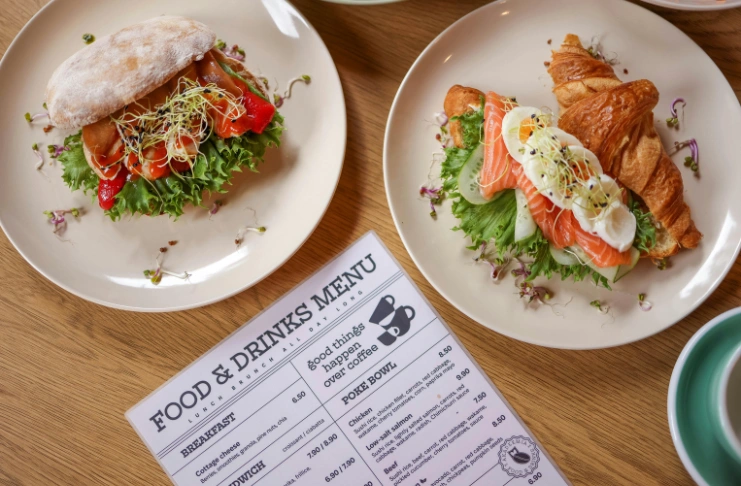
Mouth-watering descriptions trigger physical responses in customers. They should make people literally salivate when reading your menu, creating immediate desire for your food.
Sensory triggers that work include sizzling sounds, such as “served on a sizzling cast-iron plate,” aromatic descriptions like “fragrant with fresh herbs,” texture contrasts like “crispy outside, tender inside,” and temperature details like “served piping hot.”
These mouth-watering phrases make customers hungry while reading your menu. They transform browsing into active craving, which directly translates to higher sales and customer satisfaction.
How Do You Write Descriptions for Special Dietary Needs?
Modern diners have diverse dietary requirements. Your menu descriptions must communicate what’s safe for different dietary restrictions while maintaining appeal.
Essential dietary markers include gluten-free (GF), dairy-free (DF), nut-free (NF), vegetarian (V), and vegan (VG). Place these markers at the end of your description for easy scanning.
Example: “Quinoa bowl with roasted vegetables, avocado, and tahini dressing, served over mixed greens. (GF, V)”
Beyond basic markers, describe modifications available. “Can be made dairy-free upon request” or “Available with gluten-free bread” shows flexibility.
Consider mentioning organic ingredients when available, as health-conscious diners often seek these options. This information is helpful for customers who prioritize clean eating or have specific health goals.
How Do You Write Restaurant Menu Descriptions That Actually Sell?

Writing enticing menu descriptions requires specific strategies that work across all restaurant types. These proven techniques will immediately improve your menu’s selling power.
Tip 1: Use Active Voice Instead of Passive Voice
Active voice creates more engaging, direct descriptions. “We grill our steaks over open flames” sounds better than “Steaks are grilled over open flames.” Active voice puts your restaurant in control and makes the cooking process sound more intentional.
When customers read active descriptions, they feel a stronger connection to your restaurant’s cooking process.
Tip 2: Include One Specific Detail That Makes Your Dish Unique
Every dish needs something that sets it apart from competitors. Perhaps it’s your secret spice blend, a special cooking technique, or a unique ingredient combination. This detail justifies pricing and creates memorability.
Example: “Our famous chocolate cake features three layers of Belgian cocoa sponge with espresso-infused buttercream frosting.” The specific details (Belgian cocoa, espresso-infused) make this chocolate cake sound special compared to generic descriptions.
Tip 3: Mention the Geographic Origin of Special Ingredients
Geographic origin adds perceived value and authenticity. “Maine lobster,” “Napa Valley olive oil,” or “Wisconsin aged cheddar” immediately suggest quality and premium sourcing.
This technique works particularly well for restaurants emphasizing quality ingredients. It helps justify higher prices and fosters trust with customers who value ingredient sourcing.
Tip 4: Avoid Generic Words Like “Delicious” or “Tasty”
Generic words don’t provide helpful information and waste precious space. Instead of “delicious,” use specific flavor profiles. Instead of “tasty,” describe actual taste elements.
Better alternatives include specific descriptors like “smoky,” “tangy,” “rich,” or “aromatic.” These words provide customers with actual information about what they can expect to taste.
Tip 5: Test Your Descriptions by Reading Them Aloud

If descriptions sound awkward when spoken, they’ll read awkwardly too. Reading aloud helps identify awkward phrasing, unclear meanings, and overly complex sentences.
This technique ensures your descriptions flow naturally and sound appealing when servers describe specials or answer customer questions.
Tip 6: Keep a Consistent Voice Throughout Your Entire Menu
Don’t switch between formal and casual language randomly. Your entire menu should consistently reflect your restaurant’s personality and brand voice.
Consistency builds trust and creates a cohesive brand experience. Customers should feel like they’re reading one unified document, not a collection of random descriptions.
Tip 7: Use Numbers When They Add Value
Numbers like “aged 28 days,” “slow-roasted for eight hours,” or “hand-rolled daily” suggest quality and care. Specific timeframes and quantities make preparation sound more thoughtful and valuable.
This technique works because numbers feel concrete and trustworthy. They suggest your restaurant follow specific processes rather than taking shortcuts.
Tip 8: End Strong with Compelling Final Words
Your last few words should reinforce why customers should order this dish. End with the most appealing element, whether it’s a special sauce, a premium ingredient, or a unique preparation method.
Strong endings create lasting impressions and help customers remember specific dishes when making their final decision.
How Do You Write Descriptions for Your Online Menu?
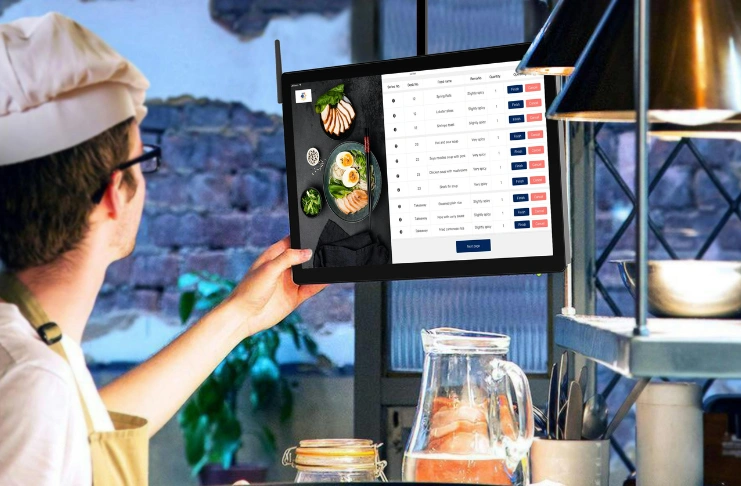
Your online ordering menu reaches customers in different contexts than your paper menu. Online customers often browse from home, have more time to read, and can easily compare options across different restaurants.
Online restaurant menu advantages include more space for longer descriptions, the ability to include food photography, easy updates and changes, and integration with your online ordering system.
Online-specific strategies include using longer descriptions (30-40 words), including more detailed preparation methods, highlighting delivery and takeout suitability, and adding nutritional information when relevant.
What Role Does Food Photography Play in Menu Descriptions?
Food photography and menu descriptions work together to drive sales. Great photos grab attention while descriptions close the sale by providing details that images cannot convey.
Best practices for photo and description combinations include matching description details to what is visible in photos, using descriptions to explain cooking methods shown, and highlighting ingredients that are prominently featured in images.
Strong descriptions should make customers want your food even without pictures. When combined with food photography, they create an irresistible combination that drives orders.
What Are Common Menu Description Mistakes to Avoid?
Even experienced restaurant owners make menu description mistakes that hurt sales. Avoiding these errors immediately improves your menu performance and customer experience.
Some mistakes include using generic words that fail to differentiate your food, writing descriptions that don’t align with your price point, overloading descriptions with too many adjectives, and forgetting to mention dietary restrictions or allergens.
Generic words to avoid are “delicious,” “tasty,” “good,” and “nice.” These words don’t provide useful information and waste valuable space. Better alternatives include specific flavor profiles and descriptive sensory words.
Pricing mismatch examples include using basic language for premium-priced items, overcomplicating descriptions for casual dining, failing to justify higher prices through description quality, and undervaluing house-made or premium ingredients.
Length mistakes include writing lengthy descriptions for fast-casual menus, using minimal descriptions for fine dining, inconsistent length across similar menu items, and not adapting length for different platforms.
Regular maintenance prevents these mistakes. Update seasonal ingredient references, remove outdated preparation methods, add new dietary restriction information, and refresh language to avoid staleness.
How Do You Test and Improve Your Menu Descriptions?
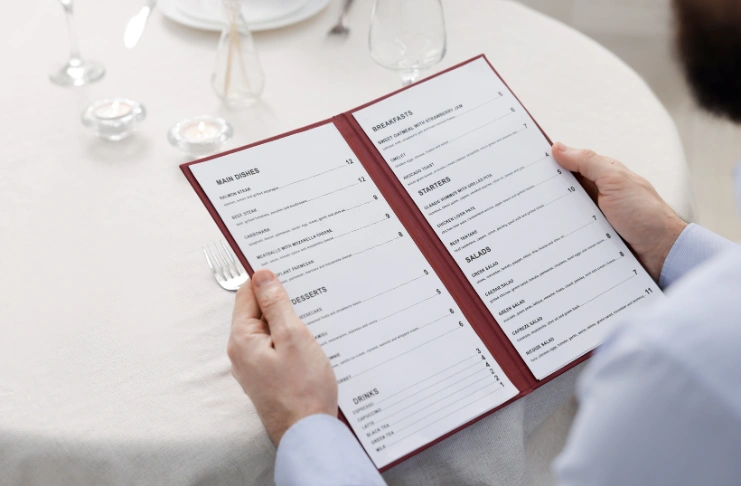
Testing menu descriptions helps you understand what drives sales and what confuses customers.
Standard testing methods include A/B testing different descriptions for the same dish, asking servers which descriptions generate the most questions, tracking sales data before and after description changes, and getting customer feedback on clarity and appeal.
Test your description length, ingredient emphasis, emotional appeal, and dietary information placement. Look for improvement indicators, such as increased sales for items with new descriptions, positive customer feedback, and higher average order values.
Remember: Your menu descriptions should evolve with your restaurant and customer preferences. What worked last year might not work today. Regular testing ensures that your descriptions continue to drive sales and customer satisfaction.
Conclusion
Writing mouthwatering restaurant menu descriptions requires a combination of art and science. The right words can transform ordinary dishes into must-have experiences that customers crave.
Focus on creating vivid pictures with sensory words, highlight what makes your food special, and always consider your target audience. Whether you’re writing for a fine dining establishment or a casual family restaurant, your descriptions should match your brand voice and price point.
Frequently Asked Questions
1. How to write a food menu description?
Start with the dish name, highlight key ingredients, include one unique selling point, add descriptive elements, and end with dietary information. Keep descriptions between 20 and 30 words for optimal impact.
2. What is an example of a food description?
“Pan-seared Atlantic salmon with crispy skin, served over creamy risotto made with locally foraged mushrooms and finished with white truffle oil. (GF)”
3. What are the descriptive words for menu?
Use sensory words like crispy, tender, creamy, smoky, fresh, hand-rolled, locally sourced, artisan-crafted, and slow-roasted to create appeal and suggest quality.
4. How do you write a good restaurant menu?
Use clear, appetizing language that matches your restaurant type, include essential dietary information, highlight unique ingredients or preparation methods, and maintain a consistent voice throughout.
5. How do you write a dish description?
Focus on key ingredients, cooking method, unique elements, and sensory details. Avoid generic words and create vivid images that help customers envision the dining experience.
6. What is the description of a dish?
A dish description explains what customers will receive, including main ingredients, preparation method, accompaniments, and any special qualities that make it worth ordering.
7. How do you describe the presentation of a dish?
Use visual words like “artfully arranged,” “elegantly plated,” “rustic,” or “colorful” along with specific details about garnishes, sauces, and serving style.
8. How do you describe a fancy dish?
Use sophisticated language, mention premium ingredients, highlight advanced cooking techniques, include origin details, and create elegance through word choice and phrasing.
9. What are 5 examples of persuasive writing?
Sensory language, emotional appeals, social proof, scarcity messaging, and benefit-focused descriptions that show value rather than just features.
10. What techniques can be used in persuasive writing?
Use vivid imagery, emotional triggers, social validation, urgency, specificity, storytelling, and benefit-focused language to influence customer decisions.
11. What are at least 10 common persuasive techniques and devices?
Sensory language, emotional appeals, social proof, scarcity, authority, storytelling, benefit focus, specificity, comparison, urgency, personalization, and credibility building.
12. What are the top 3 persuasive techniques?
Sensory language that creates vivid mental pictures, emotional appeals that connect with desires, and social proof that builds trust and confidence.
13. How do you write a menu description?
Follow the structure: dish name, key ingredients, unique selling point, descriptive elements, and dietary information. Use sensory words and match your restaurant’s voice.
14. What is an example of menu merchandising?
Highlighting signature items with detailed descriptions, using strategic placement for high-margin dishes, and creating visual emphasis through design and descriptive language.