

Running a restaurant means juggling dozens of moving financial pieces every single day. While customers see the final plate, restaurant owners know the real challenge happens behind the scenes, where cash flow management can make or break your business.
Smart restaurants maintain cash flow through proven strategies that keep money moving in the right direction.
The restaurant industry faces unique challenges. You deal with perishable inventory, seasonal fluctuations, and razor-thin margins. Your success depends on understanding how cash moves through your operation and implementing systems that protect your financial stability.
What Does Restaurant Cash Flow Really Mean?
Cash flow represents the money moving in and out of your restaurant. When customers pay for meals, that creates positive cash flow. When you pay for food costs, labor costs, and overhead costs, that creates cash outflows.
Restaurant cash flow differs from simple profit calculations. You might show profit on paper while struggling with actual cash availability.
This happens when you have outstanding accounts receivable or large inventory purchases. Understanding this distinction helps restaurant owners make better decisions.
How Do You Build Accurate Cash Flow Forecasts?
Cash flow forecasts help you predict future financial positions. Start by analyzing historical data from slow periods and busy seasons. Look at monthly patterns and daily variations to build realistic projections.
Factor in fixed costs like rent, variable costs that change with sales, and seasonal adjustments. Include upcoming expenses like equipment purchases and tax season payments. Update these cash flow forecasts monthly based on actual performance.
Most successful restaurants create multiple scenarios – best case, worst case, and most likely outcomes. This approach helps you prepare for various situations and maintain financial stability.
How Can You Control Labor Costs Without Hurting Service?
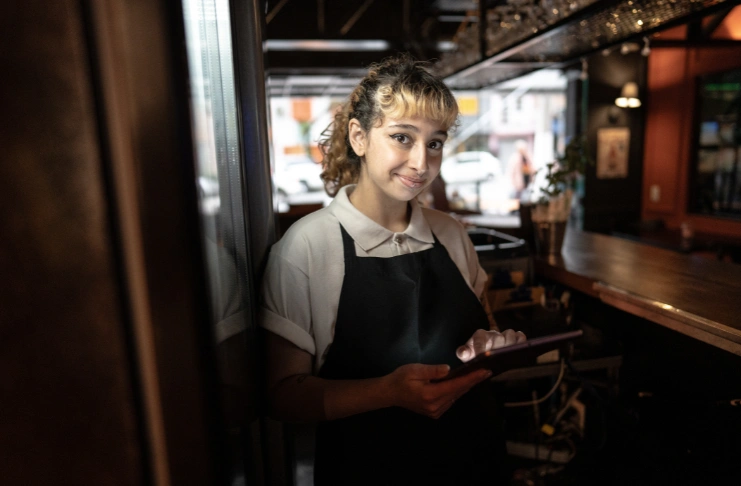
Labor represents your largest controllable expense. Track labor costs as both a percentage of sales and absolute dollars. Aim for 25-35% of revenue, depending on your service model.
Cross-train employees to handle multiple positions. This flexibility reduces staffing costs during slow periods while ensuring service quality during busy times. Monitor labor costs daily, not monthly – weekly reviews catch problems before they drain your cash reserve.
INDUSTRY INSIGHT
| In 2024, 79% of restaurants reported being short at least one role, with bartenders in the highest demand. Costs are climbing: 99% of operators say labor expenses are up, and training a new employee now averages $3,560. Yet tenure remains low at 110 days, with turnover at 26%. To cope, 30% of operators are cross-training staff, while 46% use QR code menus to ease front-of-house pressure. Automation helps too, with 41% seeing efficiency gains. Still, wages drive churn, as 34% of staff cite pay as their reason for leaving. |
How Should Restaurants Manage Food Costs Effectively?
Food costs directly impact cash flow because inventory represents cash tied up in products that spoil quickly. Maintain food costs between 28 and 32% of revenue through careful inventory management.
Track usage patterns and waste through regular inventory counts. This reveals where money disappears through spoilage or overportioning. Negotiate flexible payment terms with suppliers – many offer net-30 schedules that improve cash flow timing.
Some vendors provide bulk discounts, but balance savings against increased inventory costs and spoilage risks. To manage cash flow, create seasonal budgets accounting for changing ingredient costs throughout the year.
How Can Restaurants Improve Revenue Timing?

Speed up cash collection by encouraging immediate payment methods. Cash and credit cards provide instant access to funds, while checks delay cash availability.
Digital orders increase average spend significantly – 20% for general online orders and 26% for quick-service restaurants, according to recent data. However, delivery platforms charge fees and delay payments, so balance increased revenue against commission costs.
Review accounts receivable regularly. Outstanding invoices represent money you earned but cannot access. Follow up promptly and consider requiring deposits for large catering orders.
Why Is Building a Cash Reserve Critical?
Every restaurant needs a cash reserve for unexpected expenses and slow periods. Maintain three to six months of operating expenses in readily available funds.
Build reserves gradually during profitable periods rather than waiting for emergencies. Set aside a fixed percentage of profits each month. Store funds in interest-bearing accounts with easy access.
Your cash reserve should cover operational expenses, tax season payments, equipment maintenance, and marketing campaigns. Monitor your bank account daily to track cash position and identify trends early.
How Can You Cut Costs Without Cutting Corners?
Review all recurring expenses quarterly to identify savings opportunities. Cancel unused services, renegotiate contracts, and consolidate purchases where possible.
Time large expenses strategically during profitable periods. Delay non-essential spending during slow seasons to maintain healthy cash flow.
Consider leasing expensive equipment rather than making large cash purchases. While costlier long-term, leasing preserves cash for daily operations and provides tax deductions.
What Technology Actually Helps Manage Restaurant Cash Flow?
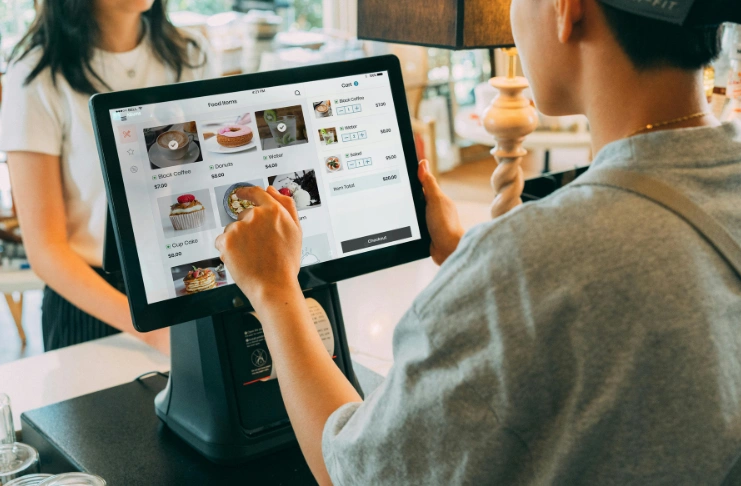
Modern restaurant systems provide real-time financial data for better cash flow management. These track sales, inventory, and labor costs automatically.
Integration between point of sale systems and accounting software eliminates duplicate data entry and provides a comprehensive financial picture. Cloud-based systems let you monitor performance from anywhere.
Investment in good systems pays dividends through better financial control and early problem identification.
How Should Restaurants Handle Seasonal Sales Changes?
Restaurant sales vary significantly by season and local events. Create seasonal budgets accounting for predictable revenue variations and adjust expenses accordingly.
During slow periods, reduce hours for part-time staff and postpone non-essential maintenance without compromising service quality. Implement creative promotions to attract customers.
Build relationships with multiple suppliers for flexibility during disruptions. Having backup vendors prevents shortages and provides negotiating leverage.
How Can Restaurants Work Effectively With Banks and Lenders?
Maintain good relationships with financial partners through regular communication about your restaurant’s financial health. This builds trust and provides access to emergency funding.
Establish a line of credit during profitable periods, not when you need it. Credit lines provide safety nets for temporary shortfalls and seasonal gaps.
Document financial performance thoroughly for potential investors. Well-organized financial statements and cash flow forecasts demonstrate professional management.
Why Is Daily Cash Flow Monitoring Important?
Check your cash position every morning before opening. This daily habit identifies problems before they become serious.
Track key indicators including sales per square foot, average check size, and cost percentages. Weekly cash flow reviews provide a broader perspective on trends. Monthly comprehensive reviews examine balance sheet health and progress toward goals.
How Should Restaurants Plan Cash Flow for Growth?
Sustainable growth requires careful cash flow planning to avoid overextending resources. Each expansion should include detailed projections showing how new locations affect overall cash flow.
Growth initiatives often need significant upfront investments before generating returns. Plan financing carefully and maintain adequate reserves throughout expansion periods.
Strategic planning includes market research, competitive analysis, and realistic timelines. Partner with experienced investors who provide capital and expertise while reducing financial risk.
How Can Debt and Financing Be Managed Safely?
Keep loan payments manageable relative to operating cash flow. High debt servicing can create cash flow problems during slow periods.
Understand the terms and conditions of all financial agreements. Hidden fees and restrictive covenants impact flexibility when you need it most.
Consider refinancing options when interest rates drop or your financial position improves.
Why Are Inventory Control Systems Essential?

Implement systems tracking inventory from delivery to plate. Proper inventory management prevents cash from disappearing through waste or theft.
Use inventory data to optimize ordering patterns and reduce unnecessary expenses. Regular counts reveal usage patterns and help identify problems quickly.
Balance carrying costs against stockout risks – too much inventory ties up cash, while too little creates service problems.
How Can Restaurants Optimize Staffing Costs?
Beyond base wages, factor in benefits, payroll taxes, and training expenses when calculating true staffing costs. These can add 20-30% to base wages.
Use point of sale data to match staffing levels with customer demand patterns. Overstaffing during quiet periods drains cash unnecessarily.
Develop flexible scheduling systems that can adapt quickly to changing business levels while maintaining service quality standards.
What Tax Planning Strategies Protect Cash Flow?
Plan for quarterly estimated payments and annual income taxes. Set aside funds regularly rather than facing large tax bills.
Take advantage of available tax deductions, including equipment depreciation and business expenses. Time for equipment purchases to optimize tax benefits.
Work with qualified accountants who understand restaurant operations. Professional guidance identifies savings opportunities and ensures compliance.
How Should Emergency Funds Be Managed?
Beyond regular cash reserves, maintain separate emergency funds for truly unexpected expenses like major equipment failures or natural disasters.
These funds should be easily accessible but separate from operating accounts to prevent accidental spending.
Review and adjust emergency fund levels annually based on business growth and risk exposure changes.
How Can Vendor Relationships Improve Cash Flow?
Negotiate payment terms that align with your cash flow cycles. Many suppliers offer discounts for early payment when the cash position allows.
Diversify suppliers to avoid dependence on a single source. Multiple relationships provide backup options and competitive pricing.
Build strong relationships through consistent communication and timely payments when possible.
What Are the Benefits of Integrated Restaurant Technology?
Integrated systems reduce manual errors and provide consistent reporting accuracy. This helps identify cash flow problems early and measure improvement efforts.
Automation eliminates duplicate data entry and provides comprehensive financial pictures for informed decision-making.
Real-time data access allows quick responses to changing conditions and immediate problem identification.
Why Is the Cash Flow Statement So Important?
Understanding your cash flow statement helps distinguish between profitability and cash availability. This statement shows actual cash movements versus accounting profits.
Regular review of cash flow statements identifies patterns and trends affecting your restaurant’s financial health.
Use these statements to communicate the financial position to lenders, investors, and other stakeholders clearly.
How Do You Create Effective Seasonal Budgets?
Create seasonal budgets accounting for predictable revenue and expense variations throughout the year. Plan marketing campaigns and menu changes to maximize peak periods.
Adjust inventory levels and staffing patterns based on seasonal demand forecasts. This prevents overcommitting resources during slow periods.
Review and update seasonal budgets annually based on actual performance and changing market conditions.
How Should Operational Expenses Be Controlled?
Track all operational expenses carefully to identify cost reduction opportunities without affecting service quality.
Categorize expenses to understand where money goes and which categories offer the most improvement potential.
Regular expense reviews help maintain tight cost control while ensuring adequate resources for quality operations.
How Can Payment Processing Be Optimized?

Optimize payment processing to reduce fees and speed cash access. Compare different processor options regularly for better terms.
Encourage payment methods providing the fastest cash access while considering processing costs and customer preferences.
Monitor processing statements monthly to catch errors or unexpected fee increases quickly.
How Should Restaurants Track Financial Performance?
Establish key performance indicators measuring both financial and operational success. Track these metrics consistently for trend identification.
Compare performance to industry benchmarks and previous periods to gauge improvement efforts.
Use performance data to make informed decisions about pricing, menu changes, and operational adjustments.
How Do You Manage Cash Flow During a Crisis?
During economic downturns or unexpected challenges, focus on cash preservation over profitability. Reduce all non-essential expenses immediately.
Communicate with suppliers and lenders about potential payment delays before problems occur. Most prefer early communication to surprise defaults.
Develop contingency plans for various crisis scenarios, including supply shortages, staff reductions, and temporary closures.
How Do You Maintain Long-Term Financial Health?
Balance short-term cash flow needs with long-term financial health goals. Sometimes accepting lower immediate returns supports a better future position.
Invest in systems and training that improve operational efficiency and financial control over time.
Regularly assess overall financial health beyond just cash flow to ensure sustainable business development.
Conclusion
Effective cash flow management keeps your restaurant running smoothly through good times and bad. The strategies outlined here provide a foundation for financial stability, but remember that every restaurant is different.
Start with daily monitoring and basic forecasting, then gradually implement more sophisticated techniques as your comfort level grows. The key is consistency – small daily actions compound into significant improvements over time.
Frequently Asked Questions
1. What is the 30/30/30/10 rule for restaurants?
This rule suggests 30% for food costs, 30% for labor, 30% for overhead, and 10% profit. While useful as a guideline, actual percentages vary by restaurant type and market.
2. What is the cash flow of a restaurant?
Restaurant cash flow is money moving in from sales minus money going out for expenses like inventory, labor, and rent. Positive cash flow means more money comes in than goes out.
3. What does it mean to maintain cash flow?
Maintaining cash flow means ensuring you always have enough money available for operations by managing payment timing, building reserves, and forecasting future needs.
4. What is a cash flow forecast for a restaurant?
A cash flow forecast predicts future cash positions based on expected sales and expenses, helping identify potential shortfalls before they happen.