

The bakery industry continues to rise like perfectly proofed dough, with the global bakery market valued at $150.7 billion in 2023 and expected to reach $203.3 billion by 2030. For restaurateurs and food service professionals looking to expand into the baking business, creating a comprehensive bakery business plan serves as your recipe for success.
Whether you’re planning a retail bakery, home bakery, or specialty operation, a well-crafted business plan transforms your business idea into a roadmap for profitability and growth.
Why Your Bakery Business Needs a Strategic Business Plan?

A successful business starts with proper planning. A business plan gives you a clear picture of startup costs, day-to-day expenses, pricing, and how you expect the bakery to grow over time. Financial investors and business partners expect detailed documentation that demonstrates your understanding of the competitive market and your path to profitability.According to the Small Business Administration, businesses with formal business plans are 16% more likely to achieve viability than those without documented strategies. This statistic becomes particularly relevant in the food service industry, where margins are tight and competition is fierce.
How Does Your Bakery’s First Impression Matter?
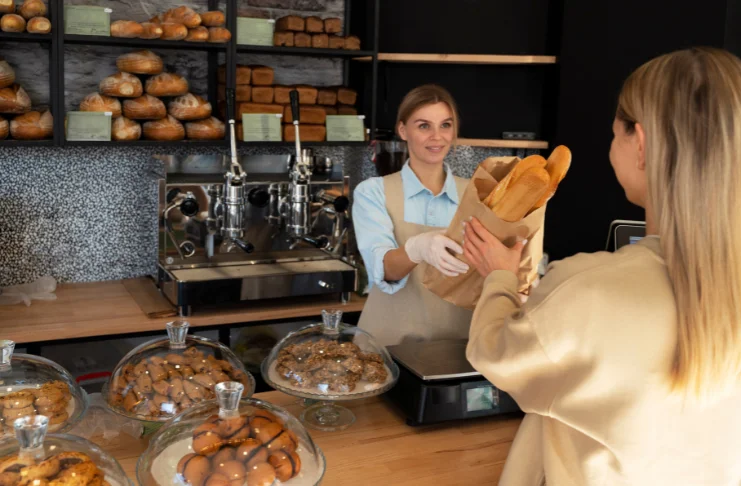
The executive summary is the snapshot of your bakery business plan. In one or two pages, it should explain what your bakery is about, why it has a strong chance of succeeding, and why someone should feel confident investing in it.
This is where you briefly outline your mission, the customers you want to serve, what makes you different from other bakeries, and a high-level look at your financial outlook. Many lenders and partners read this section first, so it needs to be sharp and to the point.
Finally, your executive summary should address the fundamental question: why will your bakery succeed where others might struggle?
What is the Best Company Overview and Business Structure?

Your company overview establishes the foundation of your bakery business plan by defining who you are, what you do, and how you’ll operate. This section provides potential investors and partners with essential information about your business structure and strategic positioning in the market.
Company Description and Legal Structure
Start by defining your bakery’s legal structure, for example, whether you’re setting up an LLC, corporation, or partnership. Then describe what your bakery is and its positioning in the local market.
Be clear about what makes you different from the other bakeries nearby, be it your location, product focus, pricing, or your approach to customer service.
Mission Statement and Business Goals
Your mission statement should explain what your bakery stands for and how you want customers to feel when they buy from you. Once that’s done, set specific, measurable, and time-bound business goals to make them attainable.
For example, you might aim to reach $500,000 in revenue in your first year, or win 15% of the local specialty bread market within two years.
What Does Your Competitive Landscape Look Like?

Market analysis helps you understand the business environment your bakery will operate in. Start by understanding customer preferences, local demand, pricing trends, and the competition to determine your bakery’s positioning and identify opportunities.
This insight supports better decisions on product mix, positioning, and growth, and it also demonstrates to investors that your strategy is grounded in real market conditions.
Bakery Industry Overview and Market Trends
The bakery industry has stayed strong, even when other sectors slow down. Growth is being driven by artisanal and specialty products, along with changing customer preferences. More people are looking for options like organic, gluten-free, and locally sourced baked goods, creating opportunities for innovative baking businesses.
INDUSTRY INSIGHTS
| The global bakery products market was valued at USD 503.4 billion in 2025 and is projected to reach USD 628.29 billion by 2030, growing at a compound annual growth rate (CAGR) of 4.53% during this period. |
Target Market and Customer Analysis
Define your target audience with precision. For example, you may be focusing on busy professionals who want quick breakfast options, families purchasing custom cakes, or customers who prefer artisanal and health-focused breads.
Look at the local demographics, income levels, spending habits, and buying preferences. A clear idea of your customer base will help you shape your menu, pricing, marketing, and service approach so they align with what your customers actually want.
Competitive Market Assessment
Study other bakeries in your area to understand their strengths, weaknesses, and market positioning. From there, identify the opportunities your bakery can pursue; perhaps a niche product category, a service gap, or a different price point.
This assessment will help you define your competitive advantages and set pricing that attracts customers while still supporting healthy margins.
Why Defining Your Product Portfolio Matters?

Your menu has a direct impact on how customers experience your bakery, how complex your operations become, and how strong your margins are.
Core Product Lines and Specialties
Outline the main products you plan to sell, such as breads, pastries, cakes, and any signature or seasonal items. You can also include specialty categories such as French pastries, artisanal loaves, savory bakes, or custom desserts to make your bakery stand out.
Moreover, high-quality baked goods require consistent recipes, reliable suppliers, and skilled bakers. Clearly document your production methods and quality expectations so every item meets the same standard.
Menu Development and Pricing Strategy
Develop a pricing strategy that reflects the true production costs while remaining competitive. Factor in ingredient costs, labor expenses, overhead, and desired profit margins for each product. Plus, research local market prices to ensure your pricing aligns with customer expectations and local economic conditions.
It is also a good idea to plan for seasonal items and occasion-based products to boost revenue during holidays and peak periods.
How Do Operations Help with Bakery Success?

Efficient operations transform great recipes into consistent customer experiences and sustainable profits.
Production Planning and Inventory Management
Effective inventory management helps you reduce waste while ensuring fresh products are always available. That’s why it is important to have systems for tracking ingredient usage, predicting demand, and managing perishable inventory.
Additionally, you must plan your daily production schedule around peak customer hours and product shelf life. For example, bread may need several bake cycles in a day, while decorated cakes require prep ahead of time.
Staffing and Skilled Bakers
Identify the staffing roles you require for different operational areas: baking, customer service, cleaning, and management. Experienced bakers usually cost more but play a key role in product quality and consistency.
You can also plan training programs to develop your team’s skills and cross-training to ensure operational flexibility during busy periods or staff absences.
Food Safety and Quality Control
Implement comprehensive food safety protocols that exceed local health department requirements. Document procedures for ingredient storage, preparation, baking, and display to maintain consistent quality and safety standards.
Regular training and monitoring ensure all team members understand and follow established protocols.
How to Attract and Retain Customers to Your Bakery?

Good marketing helps you reach the right people and turn them into loyal customers to boost repeat business.
Target Audience Engagement
Build your marketing around the customers you want to serve. For example, busy professionals may respond to messages about speed and convenience, while families may be more interested in custom cakes and celebration-focused services.
But don’t overlook local businesses either. They can become strong repeat clients for catering, meeting orders, and staff events.
Advertising Strategy and Promotion
Draft a marketing plan that combines traditional advertising with digital outreach. Use social media to share your daily bakes, specials, and a little of the work that happens behind the scenes — it helps people feel connected to your brand and reminds them to stop by.
Getting involved in the community also helps build awareness. Events like farmers’ markets, food fairs, and local celebrations give people a chance to try your products and remember your name.
Building a Loyal Customer Base
Customer loyalty programs are excellent ways to encourage people to come back more often. Punch cards, small member discounts, or birthday treats are easy ways to reward regulars and make them feel valued.
Service plays a big role, too. When customers feel genuinely looked after, they’re far more likely to return — and to tell others about your bakery.But before you roll out any promotions, work on a marketing budget to support your needs.
How to Plan Financials and Secure Your Bakery’s Future?
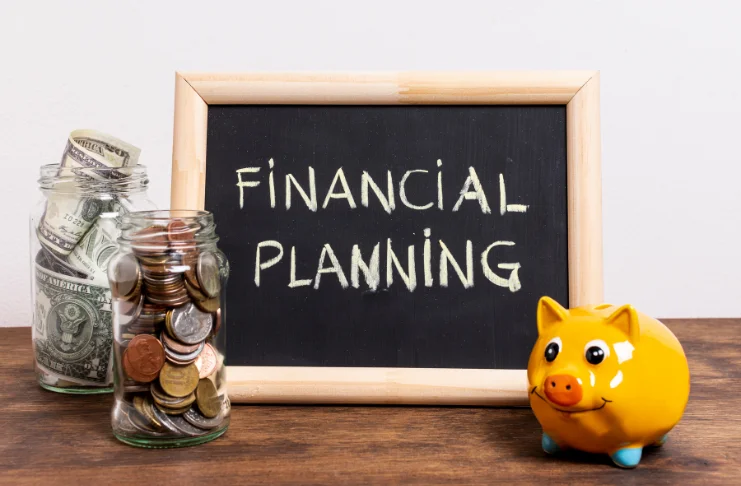
Comprehensive financial planning ensures your bakery remains viable through seasonal fluctuations and growth phases.
Startup Costs and Initial Investment
Start by listing everything you’ll need to pay for upfront — equipment, opening inventory, permits, insurance, and enough working capital for the first few months. Major items like ovens, mixers, refrigeration, and display cases can be expensive, so plan carefully for how you’ll finance them.
If the space needs renovation to meet health codes or to create the right atmosphere for customers, include those costs in your startup budget as well.
Financial Projections and Revenue Forecasting
Develop realistic sales and expense forecasts using market research and local pricing as a guide. Consider seasonal swings as well — many bakeries see stronger sales during holidays and special events.
On average, profitable bakeries operate with net margins of 3-5%, with the potential for higher margins on specialty or premium products.
Cash Flow Statement and Profit Projections
Prepare documentation for potential investors or lenders, including detailed financial projections, market analysis, and operational plans. Banks and investors want to see realistic assumptions and clear paths to profitability.
Consider various funding sources: traditional bank loans, SBA loans, equipment financing, or investor partnerships. Each option has different requirements and implications for business ownership and control.
Securing Funding and Financial Investors
Prepare documentation for potential investors or lenders, including detailed financial projections, market analysis, and operational plans. Banks and investors want to see realistic assumptions and clear paths to profitability.
Consider various funding sources: traditional bank loans, SBA loans, equipment financing, or investor partnerships. Each option has different requirements and implications for business ownership and control.
How to Do Risk Management and Contingency Planning?
Proactive risk management protects your investment and keeps the business running during unexpected challenges.
Identifying Potential Challenges
A bakery business often faces a few common challenges, such as ingredient cost fluctuations, equipment failures, staffing shortages, or seasonal demand variations. It’s best to develop contingency plans for each potential issue.
It’s also worth reviewing insurance options, including property, liability, and business-interruption coverage, so you have the support you need if operations are disrupted.
Developing Strategies for Success
Create flexible operational procedures that can adapt to changing market conditions or unexpected challenges. Offering a mix of products and revenue streams can also help balance out slower periods.
Maintain relationships with backup suppliers and equipment service providers to minimize disruption during supply chain issues or equipment failures.
What is the Implementation Timeline?

Structured implementation phases reduce startup stress and increase your chances of a successful launch.
Phase 1: Foundation Building
Start with the basics: secure your location, apply for permits, and install equipment. This stage usually takes 3 to 6 months and accounts for the bulk of your upfront spending.
During this time, focus on building relationships with suppliers, locking in your recipes, as well as hiring and training your team.
Phase 2: Soft Opening and Testing
Conduct a soft opening with limited hours and menu offerings to test operations and gather customer feedback. This phase allows you to refine processes and identify areas for improvement before full operations begin.
Phase 3: Grand Opening and Growth
Launch full operations with comprehensive marketing campaigns to attract customers and build awareness. Monitor performance metrics closely and adjust strategies based on actual results.
How to Measure Success?

Track the metrics that show how your bakery is really performing. Daily sales, customer counts, average order spend, and product performance can all help you understand what’s working and what’s not.
Customer feedback matters as well. Reviews, short surveys, and everyday conversations in the shop can reveal patterns and highlight areas where the experience can be improved.
Financial metrics like net profit, gross profit, and cash flow will indicate whether the business is sustainable in the long term. Reviewing these regularly helps you make adjustments before small issues become bigger ones.
Conclusion
Creating a comprehensive bakery business plan requires careful planning, market research, and realistic financial projections. However, this investment in planning significantly increases your chances of building a successful business that serves customers and generates sustainable profits.
Remember that your business plan should evolve as your bakery grows and market conditions change. Regular reviews and updates ensure your strategies remain relevant and effective.
With proper planning, quality products, and dedicated customer service, your bakery business can become a valued part of your local community while achieving your financial and professional goals. The time invested in creating a thorough business plan pays dividends in reduced risks, clearer decision-making, and increased likelihood of long-term success.
Frequently Asked Questions
1. Is bakery a profitable business?
Yes, bakeries can be profitable with franchised bakeries reporting an average 14.6% operating profit margin, though most bakeries typically operate with profit margins ranging from 5% to 15%.
2. How do I make a business plan for a bakery?
Create a comprehensive business plan by including an executive summary, market analysis, financial projections, operations plan, and marketing strategy. Use available SBA templates and business planning software to structure your plan professionally for investors and lenders.
3. How much money do I need to start a bakery business?
Bakery startup costs range from $267,000 to $535,000 for commercial operations, while smaller bakeries typically require $15,000 to $50,000 in initial investment.
4. Do I need an LLC to start a bakery?
While you don’t necessarily need an LLC to start a bakery business, it offers important liability protection and tax benefits for your business. You can also choose other legal structures, like a corporation or sole proprietorship, depending on your specific needs and circumstances.