

Understanding your target market is the cornerstone of restaurant success. Creating detailed restaurant customer personas helps you make informed decisions about everything from menu development to marketing strategies. When you know exactly who walks through your doors, you can tailor experiences that keep them coming back, leading to higher retention, better reviews, and stronger brand loyalty.
A restaurant customer persona is a detailed customer profile of your ideal customer based on real data and research. These personas go beyond basic demographics to include dining preferences, spending habits, values, and lifestyle choices. They serve as a roadmap for your business decisions, guiding everything from promotions and communication style to operational planning and service tone.
The restaurant industry is incredibly competitive, with thousands of dining options available to consumers. Standing out requires more than good food; it demands a deep understanding of your restaurant’s target audience. Customer personas help you cut through the noise and consistently and effectively speak directly to the people most likely to become loyal customers.
What is Meant by Restaurant Customer Personas?
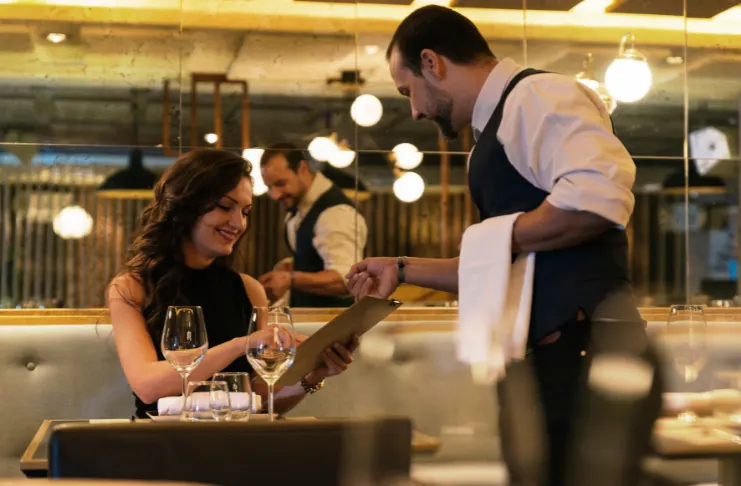
Unlike traditional buyer personas, restaurant owners must account for the emotional, cultural, and psychological drivers behind dining decisions, not just who your guests are, but why they choose to dine with you.
What Makes Restaurant Personas Unique
Restaurant personas stand apart from traditional business personas because dining is both a functional need and an emotional experience. People eat not just to satisfy hunger, but for connection, celebration, and convenience. Effective restaurant customer personas must reflect food preferences, dietary needs, cultural values, and the emotional motivations behind dining choices.
The Psychology Behind Dining Decisions
Understanding the psychological factors that influence restaurant choices is essential for effective persona development. Customers make dining decisions based on convenience, social status, emotional state, past experiences, and quality of service.
Some diners prioritize speed and efficiency, while others value ambiance and service quality. Price sensitivity varies significantly across different customer segments, influencing everything from menu pricing to promotional strategies.
What are the Benefits of Customer Segmentation for Restaurants?

Creating accurate restaurant customer personas isn’t just a marketing tool—it’s a strategy that enhances your marketing campaigns and transforms every part of your business. From campaign performance to menu design and guest satisfaction, understanding your restaurant target audience helps you make smarter, more profitable decisions.
Improved Marketing ROI
When you truly understand your restaurant target audience, you can create marketing that speaks directly to what your customers care about, leading to:
- Higher engagement and conversion rates through targeted campaigns
- Stronger emotional connections with personalized messaging
- Increased loyalty from guests who feel seen and valued
With the right customer segmentation for restaurants, your marketing becomes not just efficient but deeply effective, enhancing customer loyalty.
Enhanced Menu Development
Understanding your customer groups helps you make smarter decisions about what to serve and how to price it.
- Menus reflect your guests’ preferences, from comfort food to dietary trends
- Pricing aligns with what your audience is willing to pay
- Offers feel more relevant, driving higher satisfaction and sales
When your menu and pricing match your target audience’s needs, you create experiences that keep them coming back.
Better Customer Experience
When your team understands your restaurant customer personas, every part of the guest experience becomes more intentional.
- Staff can tailor service to match customer expectations and habits
- Training focuses on handling different diner types effectively
- Layout and ambiance reflect what your core audience values most
Aligning service and operations with your target audience leads to smoother experiences and more loyal guests.
INDUSTRY INSIGHT
| According to a report, 74% of consumers say they are more likely to return to a restaurant that offers a unique or personalized experience, emphasizing the need for a better and curated customer experience |
How to Identify Restaurant Customers?

To build accurate and actionable restaurant customer personas and identify potential customers, you need more than guesses—you need real insights. Combining POS analytics, direct guest feedback, and in-restaurant observation gives you a complete picture of your restaurant target audience and how they truly behave.
Analyzing Customer Data
Your POS system is more than a payment processor—it’s a powerful tool for understanding your restaurant customer persona.
- Track order history, average spend, and visit frequency to spot high-value guests
- Identify peak dining times and popular menu items by customer type
- Segment diners based on behavior, like regular lunch patrons vs. weekend groups
By analyzing this data, you can refine your restaurant target audience and serve each segment with greater precision.
Direct Customer Research Methods
To truly understand your restaurant customer persona, go beyond the numbers and listen to your guests directly.
- Use surveys and interviews to explore dining motivations and lifestyle preferences.
- Ask about what drives their restaurant choices—convenience, health, ambiance, or service.
- Monitor social media and reviews to catch unfiltered feedback and real-time sentiment.
Combining direct input with social listening helps shape a more human, accurate view of your restaurant’s target audience.
Observational Research Techniques
Sometimes, the best insights come from simply watching how your restaurant’s target audience behaves in real time.
- Notice how different groups interact with the staff, the menu, and the dining space.
- Observe dining duration, group size, and peak visitation times
- Track responses to specials, upsells, or limited-time offers
These real-world behaviors help fill in the gaps that surveys or data might miss, making your restaurant customer personas even more accurate.
What are Some Demographic Segmentation Strategies?
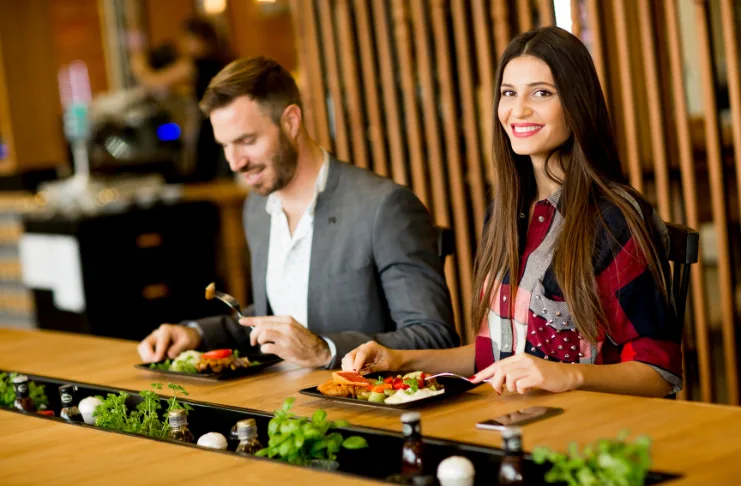
Two of the most foundational elements in building accurate restaurant customer personas are age and income. These demographic factors influence not only what guests order, but also how often they dine out, what they value, and how they engage with your brand.
Age-Based Customer Personas
Your restaurant customer persona strategy should consider generational habits, as each group brings its own set of expectations and dining behaviors.
- Gen Z prioritizes tech-friendly service, ethical sourcing, and brand transparency
- Millennials look for quality, speed, and shareable experiences, especially on social media
- Gen X prefers convenience, comfort, and family-oriented offerings
- Baby Boomers value personal service, traditional flavors, and a relaxed atmosphere
By aligning your restaurant target audience approach with generational preferences, you can craft more relevant menus, marketing, and experiences that truly connect.
Income and Spending Behavior
A key part of defining your restaurant customer persona is understanding how income influences dining choices and expectations.
- High-income diners focus on quality, exclusivity, and service over price—they’ll pay more for premium experiences
- Middle-income segments want balance: good food at a fair price, with occasional splurges for standout moments
- Budget-conscious customers seek strong value—generous portions, reliable quality, and affordable pricing matter most
Tailoring your offerings to these income-based segments helps you attract the right restaurant target audience without compromising your brand positioning.
What are Psychographic Segmentation Approaches?

A strong restaurant customer persona goes beyond age and income—it reflects your guests’ lifestyles, values, and dining motivations. These deeper insights help you connect with your restaurant target audience in more meaningful ways.
Lifestyle-Based Segments
Not all diners visit for the same reason. Lifestyle and personal values play a major role in shaping your restaurant customer persona and how you serve them.
- Health-conscious guests prioritize nutritional value, ingredient transparency, and menu customization
- Social diners are drawn to vibrant atmospheres, attentive service, and experiences they can share with friends or online
- Busy professionals and convenience seekers need fast, consistent meals that fit into their on-the-go routines
By aligning your restaurant’s offerings with these lifestyle priorities, your customer segmentation for restaurants becomes more precise, and your dining experience becomes more relevant.
Values and Attitude Patterns
Many of today’s restaurant customer personas are shaped by values like sustainability and food quality.
- Eco-conscious diners seek restaurants that prioritize local sourcing, reduce waste, and operate responsibly
- Quality-driven guests care about how food is prepared, where ingredients come from, and the chef’s expertise
- Both groups are often willing to pay more for experiences that align with their values
Understanding these priorities helps you connect with high-intent segments of your restaurant target audience.
What are Behavioral Segmentation Methods?

Behavioral traits like visit frequency and spending habits reveal how your restaurant customer personas interact with your business. These insights help you target the right diners with the right offers, at the right time.
Visit Frequency Patterns
Understanding how often guests visit helps refine your restaurant customer persona strategy and improve targeting.
- Regular customers follow predictable habits—same dishes, same times—making them ideal for loyalty and retention campaigns
- Occasional visitors respond to promotions, events, or word-of-mouth, offering chances to re-engage with personalized offers
- First-time diners are high-stakes—if their initial experience is strong, they’re more likely to return and become loyal customers
- Takeouts are becoming increasingly common, with 75% of restaurant traffic now being takeouts, with speed and convenience driving consumer choices.
Segmenting by visit frequency allows you to tailor marketing efforts that turn one-time visits into lasting relationships with your restaurant’s target audience.
Spending and Order Patterns
Spending behavior is a key element of your restaurant customer persona and influences both marketing and menu strategy.
- High-value customers tend to choose premium items, add extras, and dine during peak times—ideal for upselling and exclusive loyalty offers
- Budget-conscious diners focus on value menus, deals, and promotions—best reached with price-sensitive messaging and rewards for consistency
Recognizing these patterns allows you to personalize offers and boost engagement across every segment of your restaurant target audience.
What is Geographic and Location-Based Segmentation?

Understanding where your guests live, work, or travel from is key to shaping personalized dining experiences and targeted restaurant marketing.
Local vs. Tourist Segments
Where your guests come from plays a big role in shaping your restaurant customer personas and their dining expectations.
- Local customers value consistency, speed, and perks like loyalty rewards—they’re your most frequent and dependable diners
- Tourists seek out local flavors and memorable experiences—they’re open to spending more if it feels authentic and unique
- Business travelers prioritize speed, reliability, and proximity to hotels or offices—ideal for grab-and-go or efficient dine-in service
By recognizing these location-based needs, you can fine-tune all your marketing efforts and offerings for every segment of your restaurant target audience.
Neighborhood Demographics
Geography influences your restaurant customer persona more than you might think—urban and suburban diners have distinct needs and habits.
- Urban diners value walkability, quick service, and diverse, globally inspired menus that match their fast-paced, cosmopolitan lifestyles. That is why QSRs made up roughly 50% of the U.S. food service market share in 2024.
- Suburban guests prioritize parking, spacious seating, and family-friendly environments with a strong value for money
By tailoring your experience to match local expectations, you better serve each segment of your restaurant target audience—right where they are.
How to Create Detailed Customer Personas?

To make your restaurant customer persona truly useful, you need to combine the right data with a thoughtful development process. From demographic details to real-time feedback, these components ensure your restaurant’s target audience is clearly defined and actionable.
Essential Persona Components
A complete restaurant customer persona goes beyond surface-level data—it blends demographics with motivations and behaviors.
- Include basics like age, income, family status, and occupation to set the foundation
- Add lifestyle details—why they dine out, what matters most (health, convenience, experience), and how they choose where to eat
- Identify preferred communication channels: email, SMS, social media, or in-app alerts
- Track how they discover new restaurants—via Google, Instagram, TikTok, or word-of-mouth
The more you understand both who your restaurant target audience is and why they make decisions, the more effectively you can market to them.
Persona Development Process
Creating accurate restaurant customer personas starts with gathering the right data and updating it regularly.
- Use sources like surveys, interviews, POS data, and social media analytics to uncover patterns
- Look for shared traits and behaviors that define clear customer segments
- Test your personas against real-world interactions and feedback
- Adjust regularly to reflect shifts in customer preferences, market trends, and seasonal behavior
By continuously refining your restaurant target audience profiles, you ensure your strategy stays relevant and your messaging stays effective.
How to Implement Persona-Based Marketing Strategies?
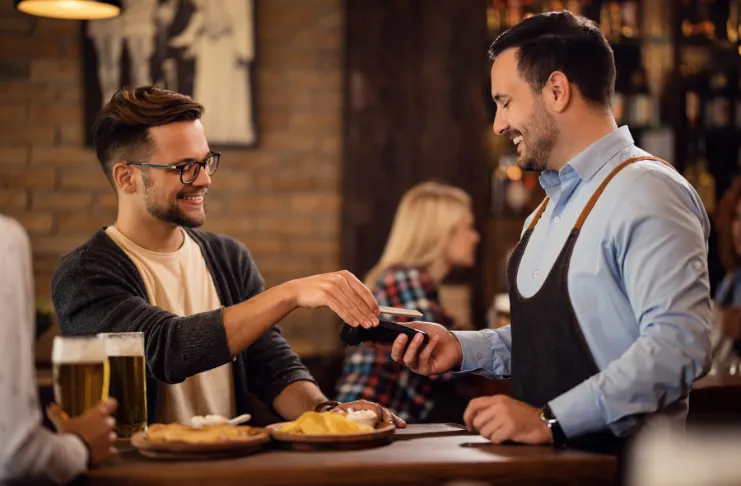
Once you’ve defined your restaurant customer personas, the next step is delivering the right message through the right channels. Tailoring both your content and platforms to each segment of your restaurant target audience drives stronger engagement and better results.
Content Marketing Approaches
Effective content marketing starts with understanding what matters most to your restaurant concept and customer personas.
- Health-conscious diners respond to nutrition info, clean ingredient highlights, and wellness-focused blog or video content
- Families look for kid-friendly menus, group dining promotions, and content about comfort, convenience, and value
- Young, social-savvy segments engage with short-form visuals on TikTok and Instagram, while professionals lean toward thoughtful posts on LinkedIn
Aligning your content with each persona’s interests and preferred platforms helps you connect more meaningfully with your restaurant target audience.
Channel Selection Strategies
The key to reaching your restaurant customer persona is meeting them where they already spend their time and trust information.
- Some diners rely on online reviews (Google, Yelp) before making decisions
- Others prefer recommendations via social media, influencers, or word of mouth
- Traditional advertising still resonates with certain local or older demographics
- Email marketing works well when segmented—target each persona with tailored promotions, menu updates, or exclusive events
Selecting the right channels based on your restaurant target audience ensures your message lands where it matters most.
How to Measure the Effectiveness of Your Persona?

Creating your restaurant customer personas is only the beginning. To stay effective, you need to track performance and continuously refine each profile based on real-world data and changing guest behavior.
Key Performance Metrics
To know which restaurant customer personas drive results, you need to measure how each segment performs.
- Monitor visit frequency, average spend, and retention rates to identify high-value personas
- Compare how different personas respond to promotions, loyalty programs, and seasonal offers
- Analyze campaign performance by persona—see which messages, platforms, and formats deliver the best ROI
These insights help you fine-tune your strategy and invest where your restaurant target audience delivers the most impact.
Continuous Improvement Process
Your restaurant customer persona isn’t a one-time project—it should evolve with changing trends and customer behavior.
- Schedule quarterly reviews to assess accuracy based on fresh data and campaign performance
- Use surveys, social listening, and direct feedback to capture shifts in preferences, habits, and expectations
- Adapt personas as needed to reflect seasonality, new dining trends, or shifting demographics
By keeping your restaurant’s target audience profiles current, your marketing and service stay aligned with what guests truly want.
Conclusion
Creating a restaurant customer persona isn’t just a marketing exercise—it’s a strategic investment in your restaurant’s growth. When you understand your restaurant’s target audience, you can craft memorable dining experiences, develop menus that resonate, and launch campaigns that actually convert. You don’t just serve food—you serve expectations, preferences, and values.
By using data-driven insights and effective customer segmentation for restaurants, you’re not guessing; you’re making informed decisions that attract the right guests. Whether you’re opening a new location, refining your existing concept, or launching a new promotion, knowing how to identify restaurant customers gives you a competitive edge in a crowded industry where guest loyalty is hard-won.
Today’s diners expect personalization, and personas help you deliver exactly that. From first-time visitors to loyal regulars, every customer interaction becomes an opportunity to build a connection and drive loyalty. The more accurate your restaurant customer personas, the more aligned your service, marketing, and operations will be with your customers’ needs—and the more likely they are to keep coming back, again and again.
Frequently Asked Questions
What are the 4 types of customer personas?
Behavioral, demographic, psychographic, and geographic are the four main types of customer personas.
Who are the target customers of a restaurant?
Families, professionals, students, tourists, and locals are typically the target customers of a restaurant, depending on its concept.
How do I create a buyer persona for a restaurant?
Collecting customer data, segmenting audiences, analyzing behavior, and building profiles is how you create a buyer persona for a restaurant.
What is a consumer persona example?
“Emily, a 32-year-old urban professional who dines out twice a week and prefers plant-based options,” is an example of a consumer persona.
What is the target audience of a restaurant?
The target audience of a restaurant is the specific group of people most likely to dine there based on factors like age, income, lifestyle, and dining habits.
Who is mostly the target audience?
The target audience is mostly determined by the restaurant’s theme, price point, and cuisine, such as millennials for casual dining or affluent professionals for fine dining.
What are the demographics of a restaurant customer?
Age, gender, income level, education, occupation, and family status are common demographics of a restaurant customer.
Who is the target audience for fine dining restaurants?
High-income individuals, business professionals, couples celebrating special occasions, and food enthusiasts are the target audience for fine dining restaurants.
What are the 4 customer segments?
Demographic, geographic, psychographic, and behavioral are the four main customer segments.
What is demographic segmentation of restaurants?
Demographic segmentation of restaurants means grouping customers by attributes like age, income, gender, education, and family size.
What are the 2 segments of the restaurant industry?
Commercial and non-commercial are the two primary segments of the restaurant industry.
How is the restaurant industry segmented?
The restaurant industry is segmented by service type (quick service, casual, fine dining), customer type, and ownership model (independent vs. chain).
What is the 30/30/30/10 rule for restaurants?
The 30/30/30/10 rule suggests allocating 30% of revenue to food costs, 30% to labor, 30% to operating expenses, and 10% as profit.
What are the types of customers in a restaurant?
Types of customers in a restaurant include regulars, first-timers, deal-seekers, critics, social diners, and loyalists.
How do you classify customers of the food service industry?
Customers in the food service industry are classified by frequency, spending behavior, dining occasion, and loyalty level.