



The restaurant logo design impact goes far beyond simple visual appeal; it acts as a strategic foundation for your restaurant’s brand identity. In an industry where first impressions are everything, your restaurant logo is often the first interaction potential customers have with your business. This graphic symbol instantly communicates your restaurant’s personality, concept, and values, helping you stand out in a saturated, highly competitive market.
A well-designed restaurant logo not only enhances brand recognition but also establishes credibility and trust. Whether it’s featured on your storefront, menus, social media marketing, or other marketing materials, your logo sets the tone for the entire dining experience. It evokes emotions, reinforces your unique selling proposition, and creates a strong emotional connection that can turn casual diners into loyal patrons.
From fast food chains to fine dining establishments, an effective restaurant logo is more than just logo design—it’s a long-term asset that influences customer perception, encourages repeat business, and fuels brand growth.
What is the Psychology Behind Restaurant Logo Design?

Understanding the restaurant logo design impact on visual memory, emotional connection, and trust is essential for building a strong brand identity that attracts customers and drives loyalty.
The restaurant logo design impact lies in how it taps into visual memory to create a memorable impression. A well designed logo boosts brand recognition, builds trust, and strengthens your restaurant’s brand identity.
An effective restaurant logo uses color psychology, typography, and visual elements to evoke desired emotions. These cues influence customer perception, convey your brand personality, and align with your restaurant’s target audience.
A professional designer can craft a distinctive logo that reflects your restaurant concept and brand narrative. When your restaurant logo resonates with your target market, it drives customer loyalty and repeat business.
How Restaurant Logos Shape Brand Image?

The restaurant logo design impact lies in its ability to establish visual hierarchy, reflect brand values, and help your restaurant stand out in a competitive market, driving recognition and connecting with your target audience.
Establishing Visual Hierarchy
The importance of a restaurant logo becomes evident when considering how it establishes visual hierarchy across all brand touchpoints. Your logo serves as the anchor point that ties together menus, signage, packaging, and digital presence.
A consistent logo application creates a cohesive brand experience that reinforces your restaurant’s identity during every customer interaction. This consistency builds brand strength and recognition over time.
INDUSTRY INSIGHT
| According to a study, restaurants that invest in consistent and recognizable brand elements—such as logos, color schemes, and visual identity—can see up to a 23% increase in revenue. |
Communicating Brand Values
Restaurant logos communicate core brand values without requiring explanation. A rustic, hand-drawn logo might convey farm-to-table freshness, while a sleek, modern design suggests contemporary cuisine and upscale dining.
These visual cues help customers quickly understand what type of dining experience to expect. This immediate communication reduces customer uncertainty and attracts the right target audience.
Differentiation in Competitive Markets
Restaurant logo and customer perception work together to create meaningful differentiation. In saturated markets, your logo becomes a crucial differentiator that sets you apart from similar establishments.
Unique design elements help customers remember your restaurant and choose it over competitors. This differentiation becomes increasingly important as dining options multiply in urban areas.
How Does Logo Influence Customer Perception?

The restaurant logo design impact begins with first impressions, influencing how customers perceive your brand, pricing, and quality—while aligning with the cultural and visual preferences of your target audience.
First Impressions Matter
The restaurant logo design impact begins the moment customers encounter your brand. Whether through online searches, social media, or physical signage, your logo shapes initial perceptions about quality, style, and value. 70% of consumers associate good logo design with a trustworthy brand.
Customers form opinions within seconds of seeing your logo. These rapid judgments influence whether they’ll consider your restaurant for their dining needs or move on to competitors.
Quality Perception and Price Expectations
Logo design quality directly correlates with customer expectations about food quality and pricing. A sophisticated, well-executed logo suggests premium offerings and justifies higher price points.
Conversely, casual or playful logos set expectations for more affordable, approachable dining experiences. This perception alignment helps attract customers whose expectations match your actual offerings.
Cultural and Demographic Resonance
Effective restaurant logos resonate with specific cultural and demographic groups. Understanding your target audience’s visual preferences helps create logos that speak directly to their tastes and expectations.
Local cultural elements, generational preferences, and lifestyle factors all influence how different customer segments perceive and respond to logo designs.
What are Some Digital Age Logo Considerations?

The restaurant logo design impact is key to digital success, ensuring your logo works seamlessly across social media, mobile apps, and websites to boost visibility and attract online customers.
Social Media Optimization
Modern restaurant logo design impact extends heavily into digital spaces. Your logo must work effectively across various social media platforms, each with different size requirements and display contexts.
Instagram-friendly logos need to remain recognizable at small sizes, while Facebook cover photos require different proportional considerations. This multi-platform functionality is essential for digital marketing success.
Mobile Responsiveness
With mobile ordering and delivery apps dominating the restaurant industry, logo scalability becomes crucial. Even when reduced to app icon sizes, your logo must maintain clarity and impact.
Mobile-first design thinking ensures your logo performs well across all digital touchpoints where customers interact with your brand. This adaptability directly affects online visibility and customer acquisition.
Website Integration
How a logo affects restaurant branding becomes particularly evident in website design. Your logo’s placement, size, and styling on your website influence user experience and brand perception.
Effective website logo integration guides visitor attention, reinforces brand identity, and creates professional credibility that encourages online ordering and reservations.
How to Measure the Effectiveness of Your Logo?

The restaurant logo design impact is measurable through brand recall, customer feedback, and conversion data—guiding smarter design choices that drive better business outcomes.
Brand Recognition Metrics
The importance of restaurant logo can be quantified through brand recognition studies and customer surveys. Measuring unprompted brand recall helps assess logo effectiveness in creating memorable impressions.
Regular assessment of logo performance helps identify when design updates might be necessary to maintain competitive advantage and customer relevance.
Customer Feedback Analysis
Restaurant logo and customer perception can be evaluated through direct customer feedback and online reviews. Customers often comment on restaurant ambiance and branding, providing valuable insights into logo effectiveness.
Social media mentions and brand sentiment analysis offer additional data points for understanding how your logo influences customer perceptions and brand reputation.
Conversion Rate Impact
Digital marketing campaigns provide measurable data on logo effectiveness. Comparing click-through rates, conversion rates, and engagement metrics across different logo variations helps optimize design decisions.
A/B testing different logo treatments in digital advertising reveals which design elements most effectively drive customer action and business results.
What are Some Industry-Specific Logo Strategies?
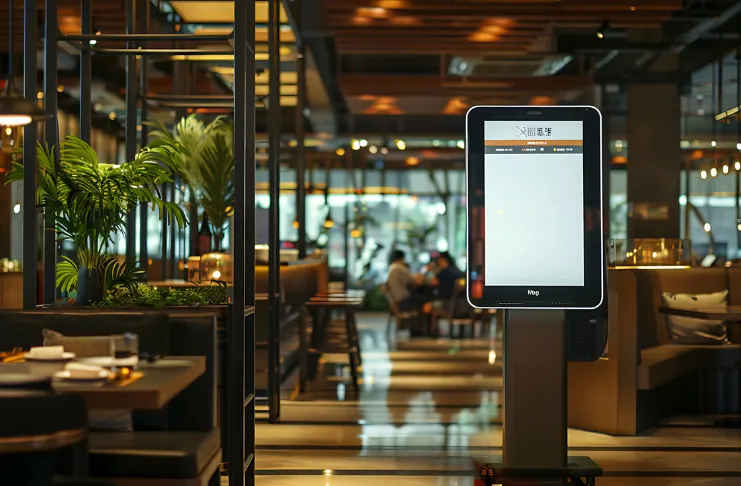
The impact of restaurant logo design varies by dining type—fast food, fine dining, and casual restaurants each need distinct visual strategies aligned with customer expectations and brand positioning.
Fast Food vs. Fine Dining
Fast food logos emphasize speed and convenience, using bold colors like red, yellow, and orange—proven to stimulate appetite and comfort—paired with simple shapes to grab attention and prompt quick decisions.
Fine dining establishments require more sophisticated logos that convey elegance, exclusivity, and culinary expertise. These design differences reflect distinct customer expectations and market positioning.
Cultural Cuisine Considerations
Restaurants serving specific cultural cuisines benefit from logos that authentically represent their heritage while appealing to diverse customer bases. Balancing cultural authenticity with broad appeal requires careful design consideration.
Traditional design elements must be integrated thoughtfully to avoid stereotypes while still communicating cuisine type and cultural connection.
Casual Dining Balance
Casual dining restaurants face unique challenges in logo design, needing to balance approachability with quality perception. These logos must appeal to families while maintaining sophistication for adult diners.
The design must communicate value, comfort, and quality without appearing too upscale or too casual for the target market.
How Does Logo Evolution and Rebranding Correlate with One Another?

The restaurant logo design impact shifts over time—updating your logo smartly preserves brand equity, keeps it relevant, and strengthens customer loyalty through clear, thoughtful communication.
When to Update Your Logo
Restaurant logo design impact changes over time as design trends evolve and customer preferences shift. Knowing when to update your logo requires careful consideration of brand equity versus market relevance.
Signs that logo updates might be beneficial include declining brand recognition, dated design elements, or significant changes in target demographics or restaurant concept.
Maintaining Brand Equity
How a logo affects restaurant branding becomes complex during rebranding efforts. Successful logo evolution maintains recognizable elements while updating outdated aspects.
Gradual transitions often work better than complete redesigns, allowing customers to adjust to changes while maintaining brand continuity and recognition.
Customer Communication During Changes
The importance of restaurant logo updates must be communicated effectively to existing customers. Explaining design changes helps maintain customer loyalty and reduces confusion during transition periods.
Clear communication about logo changes demonstrates transparency and respect for customer relationships, potentially strengthening brand loyalty through the update process.
Conclusion
The restaurant logo design impact starts long before a customer walks through your doors—it begins with that first glance. As noted in the introduction, your restaurant logo often serves as the first touchpoint between your brand and potential diners, instantly shaping brand perception and setting expectations. A well-designed restaurant logo can spark curiosity, communicate your restaurant’s personality, and create a strong emotional connection that influences dining choices.
However, the impact goes beyond visual appeal. A thoughtfully designed logo strengthens your restaurant’s brand identity, reinforces your values, and builds trust over time. Understanding how logo design affects restaurant branding allows you to make strategic design choices that support growth, customer loyalty, and brand differentiation. Whether you’re a cozy café or a fast food chain, the right branding strategy helps you stand out in a competitive market.
In the end, a unique logo becomes more than a graphic symbol—it becomes a catalyst for brand recognition, repeat business, and lasting success.
Frequently Asked Questions
1. Why are food logos important?
Food logos are important because they visually communicate the brand’s identity and values, and attract customers.
2. What is the impact of using logos?
The impact of using logos is enhanced brand recognition, customer trust, and increased business visibility.
3. Why is logo design so important?
Logo design is important because it creates a memorable first impression and distinguishes a brand in the market.
4. How important is branding for a restaurant?
Branding is crucial for a restaurant because it defines its identity, attracts the target audience, and builds loyalty.
5. How do logos impact branding?
Logos impact branding by visually representing the brand’s message and fostering emotional connections with customers.
6. How does a logo help in branding?
A logo helps in branding by serving as a consistent, recognizable symbol across all customer touchpoints.
7. What makes a good logo for a restaurant?
A good logo for a restaurant is simple, memorable, relevant to the cuisine, and reflects the restaurant’s personality.
8. Why is branding important for restaurants?
Branding is important for restaurants because it shapes customer perception and drives long-term business success.
9. What is the significance of a logo?
The significance of a logo is that it symbolizes the brand, builds recognition, and communicates core values.
10. Why is restaurant design important?
Restaurant design is important because it influences customer experience, reinforces brand identity, and drives repeat visits.
11. Why is a logo important in putting up a business?
A logo is important in putting up a business because it establishes brand identity and attracts initial customer interest.


