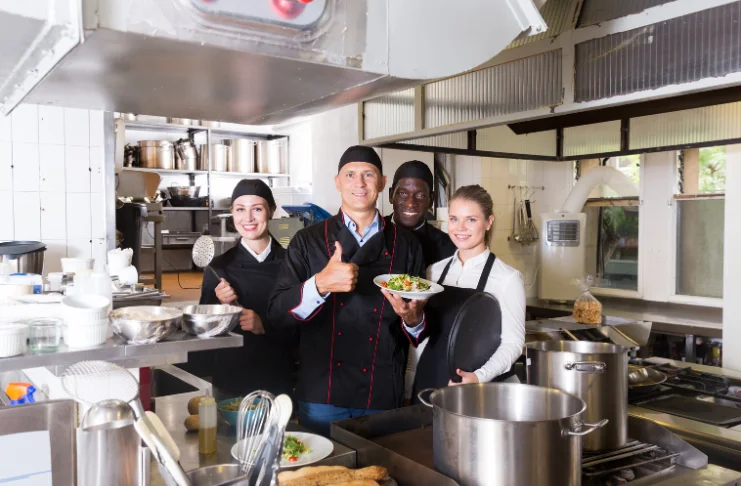

Opening a new restaurant or reviving an existing one? Whether you’re just starting out or looking to spice up your marketing game, discovering the right restaurant advertising ideas can set you apart in a competitive industry. With diners constantly seeking new culinary experiences, your ability to grab their attention is as important as the taste of your food.
This blog dives into 25+ innovative, proven, and powerful advertising strategies for restaurants to help you attract new customers, retain loyal patrons, and elevate your restaurant’s brand identity. Let’s cook up a plan to fill those tables!
What are the 25+ Creative Restaurant Advertising Ideas to Attract More Diners?
Here are 25+ creative restaurant advertising ideas to attract more diners to your restaurant:
1. Craft a Winning Restaurant Marketing Strategy
Before jumping into tactics, take time to develop a solid restaurant marketing strategy. This includes identifying your target audience, setting marketing goals, budgeting, and choosing the right mix of traditional and digital advertising.
Think of this as your restaurant’s secret sauce. Every decision depends on it. Start by defining who your ideal customer is. Are you targeting busy professionals looking for quick lunch spots, families seeking weekend dining experiences, or young couples wanting date night destinations? Understanding your audience shapes everything from your menu pricing to your social media content.
Budget allocation matters too. A good rule of thumb is spending 3-6% of your revenue on marketing, but new restaurants might need to invest more initially. Split your budget between proven strategies and experimental tactics to maintain steady growth while discovering what works best for your concept.
2. Promote New Restaurant Openings with a Bang
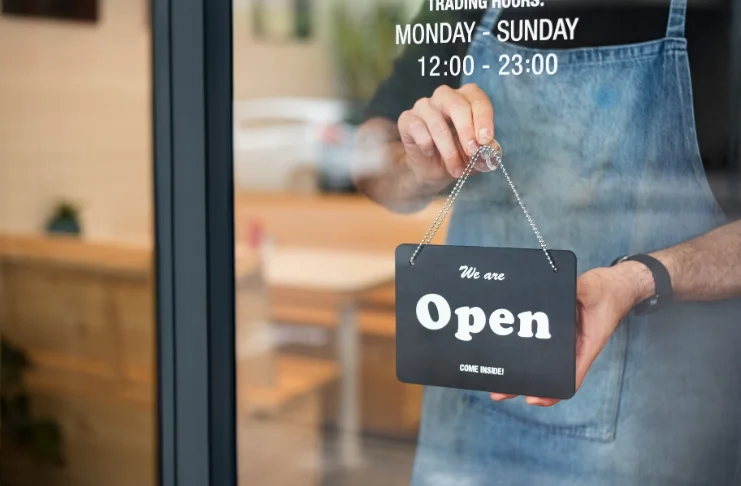
If you’re wondering how to advertise a new restaurant, create buzz before the doors even open. Host a soft launch for influencers, local food bloggers, and the media. Offer sneak previews or tasting nights to generate online reviews and hype.
The key is building anticipation systematically. Start with social media teasers showing construction progress, staff training, or menu development. Share behind-the-scenes glimpses that make people feel invested in your journey.
Consider hosting multiple pre-opening events. Invite local business owners for a networking lunch, offer exclusive previews to social media followers, or organize a charity fundraiser that generates positive community buzz. Each event creates different touchpoints with potential customers.
Don’t forget about timing. Plan your grand opening during peak dining periods and ensure you have adequate staff and inventory. A successful launch sets the tone for your restaurant’s reputation, so preparation is crucial.
3. Create Eye-Catching Restaurant Signage
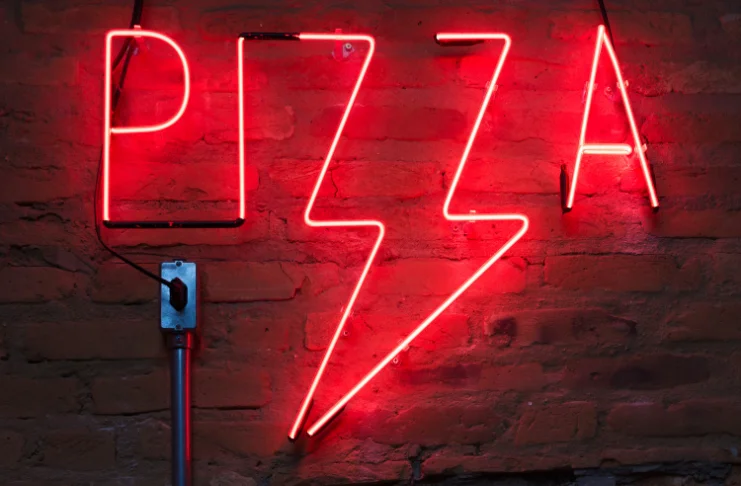
Don’t underestimate the power of great restaurant signage. Your logo, font, colors, and storefront should instantly communicate your concept. Bold, well-lit signs can increase walk-in traffic and build brand identity.
Your signage is often the first impression potential diners have of your restaurant. It should be visible from a reasonable distance, readable in various lighting conditions, and reflect your restaurant’s personality. A cozy bistro might use warm, script fonts, while a modern sushi bar could opt for clean, minimalist typography.
Consider your location’s foot traffic patterns. Street-facing restaurants need different signage strategies than mall locations or second-floor establishments. Use directional signs, sidewalk boards, or window displays to guide customers to your entrance.
4. Use Social Media Marketing to Your Advantage
Platforms like Instagram, Facebook, and TikTok are goldmines for restaurant marketing.
INDUSTRY INSIGHT
| 72% of diners use Facebook to research restaurants and decide where to eat, emphasizing the importance of social media marketing for visibility and customer attraction. |
Post behind-the-scenes videos, highlight best-selling menu items, and run giveaways. Use relevant hashtags and encourage user-generated content to reach new audiences.
Each platform serves different purposes. Instagram excels at showcasing food photography and restaurant ambiance. Facebook works well for community building and event promotion. TikTok captures younger audiences with creative, entertaining content about your food preparation or staff personalities.
Consistency is crucial. Develop a content calendar that balances promotional posts with engaging, value-driven content. Share cooking tips, ingredient spotlights, or staff stories that humanize your brand. Respond promptly to comments and messages to build genuine connections with followers.
5. Build a Mobile-Optimized Restaurant Website

Your restaurant website is your digital front door. Ensure it’s mobile-friendly, fast-loading, and includes an online menu, reservation tools, online ordering, and your Google Business Profile.
Most customers browse restaurant websites on their phones, so mobile optimization isn’t optional. Your site should load quickly, display clearly on small screens, and make it easy to find essential information like hours, location, and contact details.
Include high-quality photos of your dishes, interior, and staff. Write compelling descriptions that convey your restaurant’s atmosphere and specialties. Make your menu easily accessible and regularly updated to reflect seasonal changes or new offerings.
Integrate practical features like online reservations, ordering systems, and contact forms. The easier you make it for customers to engage with your restaurant, the more likely they are to visit. Consider adding customer testimonials and press coverage to build credibility.
6. Leverage Local SEO to Show Up in Searches

Local SEO ensures your restaurant pops up when people search “restaurants near me.” Optimize your Google Business Profile, collect positive reviews, and include location-based keywords throughout your site. Restaurants with a complete Google Business Profile are 70% more likely to receive visits.
So, start with your Google Business Profile, which appears in local search results and Google Maps. Complete every section with accurate information, high-quality photos, and regular updates about hours, menus, or special events. Encourage satisfied customers to leave reviews and respond professionally to all feedback.
Use location-specific keywords naturally throughout your website content. Instead of just “Italian restaurant,” use “Italian restaurant in downtown Springfield” or “best pasta in the Arts District.” Create location pages if you have multiple outlets.
7. Collect and Promote Online Reviews

Today’s diners trust online reviews as much as personal recommendations. Encourage satisfied guests to leave reviews on Google, Yelp, and TripAdvisor. Respond professionally to both positive and negative reviews.
Timing matters when requesting reviews. Ask customers during their visit when they’re enjoying their meal, not during payment when they’re focused on leaving. Train staff to naturally mention reviews during positive interactions: “We’re so glad you enjoyed your meal! If you have a moment, we’d love a review on Google.”
Show gratitude for praise and empathy for criticism. Thank reviewers for positive feedback and address concerns in negative reviews professionally. Potential customers notice how you handle criticism, and thoughtful responses can actually improve your reputation.
Create a system for monitoring and responding to reviews regularly. Set up Google Alerts for your restaurant name and check review platforms weekly. Quick responses show you value customer feedback and are committed to excellent service.
8. Partner with Local Businesses

Cross-promote with other local businesses. Offer lunch discounts for employees in nearby offices or collaborate with a local brewery for a tasting night. It builds community and brings in new customers.
Look for businesses that serve similar demographics but aren’t direct competitors. A coffee shop might partner with a lunch restaurant, or a boutique hotel could collaborate with a fine dining establishment. These partnerships create mutual benefits and strengthen local business networks.
Create formal partnership agreements that outline responsibilities, profit sharing, and promotion expectations. Document successful collaborations to refine your approach and build lasting relationships that benefit both businesses long-term.
Consider seasonal partnerships that align with local events or holidays. A restaurant might partner with a nearby theater for dinner-and-show packages, or collaborate with a farmers market for fresh ingredient promotions.
9. Design a Loyalty Rewards Program
A strong loyalty rewards program keeps regular customers coming back. Whether it’s a punch card or a digital app, offer perks like a free meal, discount, or free dessert after a set number of visits.
Digital loyalty programs provide valuable customer data and more flexible reward options. Track customer preferences, visit frequency, and spending patterns to personalize offers and improve their experience. Simple apps or point-of-sale system integrations make participation effortless.
Structure rewards to encourage desired behaviors. Offer bonus points for off-peak visits, new menu item trials, or social media engagement. Create tiered systems where frequent customers receive enhanced benefits, making them feel valued and special.
Promote your loyalty program prominently in-store, on your website, and through social media. Train staff to explain benefits during customer interactions and make sign-ups simple and quick.
10. Launch Email Marketing Campaigns
Send personalized email marketing campaigns that announce events, menu changes, or exclusive offers. Segment your list to engage both loyal customers and potential customers effectively. Email marketing generates an average ROI of $36 for every $1 spent (up to $42 in some cases!), making it one of the most effective strategies for customer engagement and retention.
Build your email list through website sign-ups, loyalty program enrollment, and in-store promotions. Offer incentives like exclusive discounts or first access to new menu items to encourage subscriptions.
Segment your audience based on dining frequency, preferences, or special occasions. Send birthday offers to customers during their birthday month, promote family meals to parents, or highlight happy hour specials to after-work diners.
Create engaging subject lines and mobile-friendly designs. Include compelling visuals of your food and clear calls-to-action. Test different send times and frequencies to optimize open rates and engagement.
11. Write a Deliciously Useful Restaurant Blog

Start a restaurant blog to boost SEO, share stories, and highlight your delicious food. Topics can include chef interviews, recipes, or sustainability practices. It’s an engaging way to build your restaurant’s brand identity.
Choose topics that interest your target audience while showcasing your expertise. Share simplified versions of signature recipes, explain seasonal ingredient sourcing, or highlight staff stories. Educational content about food preparation or nutritional benefits positions you as a trusted authority.
Optimize blog posts for search engines by including relevant keywords naturally. Write compelling headlines and meta descriptions that encourage clicks. Include high-quality images and internal links to other website pages.
Maintain a consistent posting schedule to keep readers engaged and improve search rankings. Promote blog posts through social media and email newsletters to maximize reach and drive website traffic.
12. Offer Free Advertising Through Giveaways

Encourage word-of-mouth by offering free meals, free dessert, or branded swag in online contests. Require participants to tag friends and share your social media channels to enter. It’s free promotion with exponential reach.
Design giveaways that align with your marketing goals. If you want to increase Instagram followers, require participants to follow your account and tag friends. For email list growth, collect entries through newsletter sign-ups.
Choose prizes that represent your restaurant well. A free dinner for two showcases your full dining experience, while branded merchandise keeps your name visible long after the contest ends. Make prizes valuable enough to generate genuine excitement.
Follow contest rules and regulations for your platform and location. Clearly state entry requirements, selection criteria, and prize details. Announce winners publicly and deliver prizes promptly to maintain credibility.
13. Invest in Paid Digital Advertising
Platforms like Google Ads and Facebook Ads let you hyper-target your audience. Use geo-targeting to reach people nearby and retarget past website visitors. Paid digital advertising delivers quick visibility.
Start with small budgets to test different ad formats and audiences. Google Ads work well for capturing search intent when people look for restaurants, while Facebook and Instagram ads excel at building awareness and showcasing your food visually.
Target specific demographics, interests, and behaviors that match your ideal customers. Use location targeting to reach people within a reasonable driving distance. Retarget website visitors who didn’t make reservations with special offers or reminders.
Monitor ad performance regularly and adjust based on results. Track metrics like click-through rates, conversion costs, and return on ad spend. Successful campaigns can be scaled up, while underperforming ads should be refined or paused.
14. Utilize Influencer Marketing
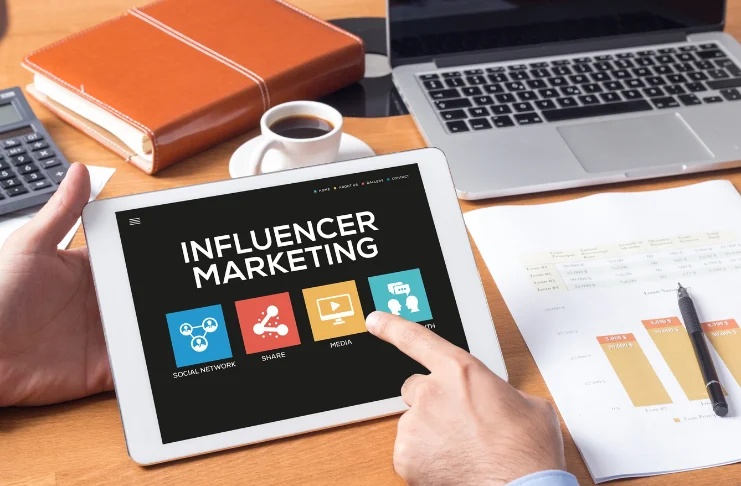
Collaborate with micro-influencers or local foodies who align with your vibe. Their endorsement can bring instant credibility and new diners who trust their recommendations.
Focus on micro-influencers with 1,000-10,000 engaged followers rather than celebrities with millions. Their audiences are more likely to be local and genuinely interested in their recommendations. Research potential partners to ensure their values and audience align with your restaurant.
Offer authentic experiences rather than just free meals. Invite influencers to special events, menu tastings, or behind-the-scenes experiences they can share with their followers. Authentic content performs better than obvious advertisements.
Establish clear expectations about deliverables, posting schedules, and content guidelines. Provide high-quality dishes and excellent service to ensure positive coverage. Long-term relationships with local influencers can provide ongoing exposure and credibility.
15. Host Events to Draw Crowds

Live music, trivia nights, cooking classes, or themed dinners offer reasons for guests to visit beyond the food. Events generate buzz, improve engagement, and can turn first-timers into repeat customers.
Choose events that complement your restaurant’s atmosphere and target audience. A family restaurant might host kids’ cooking classes, while a wine bar could organize tasting events. Events should feel natural to your concept rather than forced.
Promote events well in advance through social media, email newsletters, and local event listings. Create Facebook events and encourage sharing. Consider partnering with local organizations or performers to expand your reach.
Plan events during typically slow periods to maximize impact. Tuesday night trivia or Thursday live music can boost mid-week sales. Ensure you have adequate staff and supplies for increased capacity during events.
16. Highlight Unique Selling Points

What sets you apart? Whether it’s a fusion menu, rooftop view, or pet-friendly patio, promote your USPs in every piece of marketing material.
Identify what makes your restaurant different from competitors. It could be your chef’s background, unique cooking techniques, locally sourced ingredients, or exceptional service style. These differentiators should be prominently featured in all marketing communications.
Create compelling stories around your unique features. Instead of just saying “farm-to-table,” tell customers about your relationship with local farmers and how fresh ingredients impact flavor. Make your USPs emotionally resonant and memorable.
Use unique selling points to guide content creation and marketing campaigns. If your strength is authentic ethnic cuisine, share cultural stories and traditional preparation methods. If you excel at service, highlight staff training and customer care stories.
17. Implement a Smart Restaurant Marketing Plan

Consolidate all your marketing efforts into a cohesive restaurant marketing plan. Regularly assess what’s working, adjust based on results, and ensure all staff understand the promotions.
Create a centralized marketing calendar that coordinates all promotional activities. Include seasonal campaigns, special events, social media content, and advertising schedules. This prevents overlapping efforts and ensures consistent messaging.
Establish key performance indicators (KPIs) to measure marketing effectiveness. Track metrics like customer acquisition cost, lifetime value, website traffic, and social media engagement. Regular analysis helps optimize future campaigns.
Train all staff on current promotions and marketing initiatives. Servers should know about social media contests, hosts should understand loyalty programs, and managers should be able to explain special offers. Consistent internal communication ensures external marketing success.
18. Make the Menu a Marketing Tool

Use menu engineering and design to highlight high-margin dishes, chef specials, and seasonal items. A well-thought-out menu item layout can influence decisions and boost profits.
Apply psychological principles to menu design. Use strategic placement, typography, and visual cues to guide customer attention to profitable items. Create separate sections for specialties and use descriptive language that appeals to the senses.
Regularly analyze menu performance to identify top sellers and underperformers. Adjust pricing, descriptions, or placement based on sales data. Seasonal menu updates keep offerings fresh and give customers reasons to return.
Consider offering limited-time specials that create urgency and encourage trial. Feature these prominently on table tents, social media, and staff recommendations. Track their performance to inform future menu decisions.
19. Set Up a Functional Online Menu
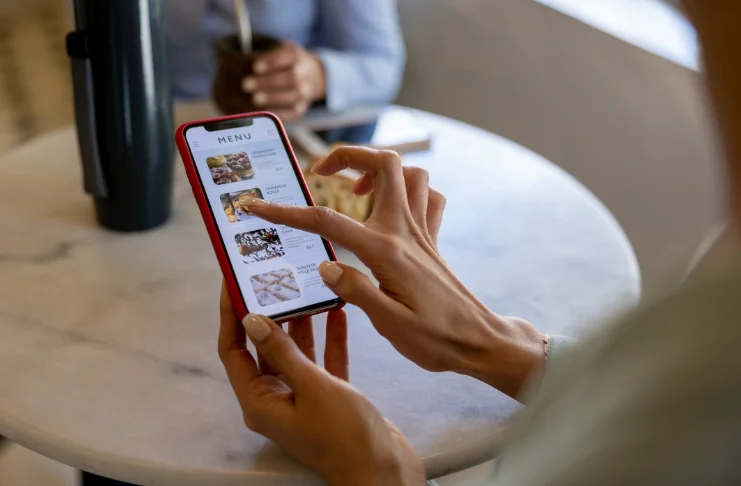
An online menu that’s easy to read, mobile-friendly, and regularly updated can improve orders and visibility. Include enticing descriptions and professional images to whet appetites.
Ensure your online menu matches your physical menu exactly. Outdated prices or unavailable items create customer frustration and lost sales. Update online menus immediately when making changes to physical versions.
Write compelling descriptions that highlight unique ingredients, preparation methods, or flavor profiles. Use sensory language that helps customers imagine the dining experience. Include dietary information and allergen warnings for customer safety and convenience.
Optimize menu photos for web use while maintaining quality. Include images of signature dishes and popular items. Consider hiring a professional food photographer for the best results, as quality images significantly impact ordering decisions.
20. Try Guerrilla Marketing Tactics
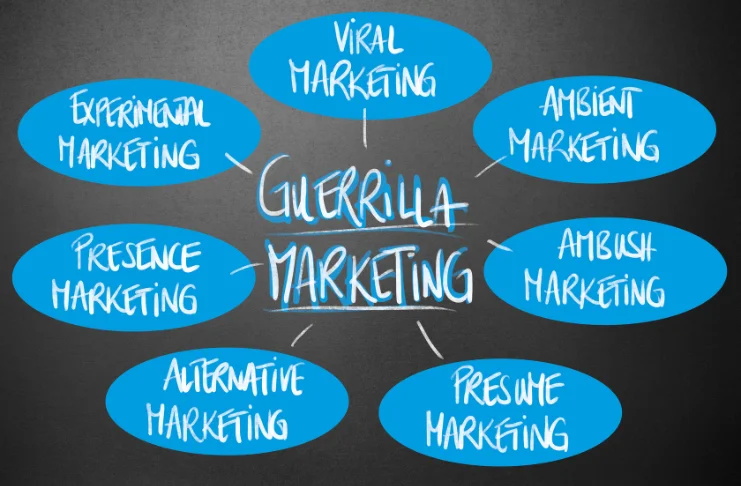
Think sidewalk chalk art, pop-up tastings at farmers markets, or flash mobs in local parks. These quirky advertising strategies for restaurants grab attention and are highly shareable.
Guerrilla marketing works best when it’s unexpected and memorable. Create experiences that surprise and delight potential customers while staying true to your brand. Ensure activities are legal and obtain necessary permits for public spaces.
Document guerrilla marketing activities for social media sharing. These authentic, behind-the-scenes moments often generate more engagement than polished advertising. Encourage participants to share their experiences online.
Keep guerrilla marketing efforts budget-friendly by using creativity instead of expensive materials. Simple ideas executed well often have more impact than elaborate campaigns. Focus on creating genuine connections with your community.
21. Encourage User-Generated Content

Create Instagrammable spots or dishware and encourage guests to post and tag your restaurant. Feature their content on your profiles to boost authenticity and reach.
Design photo-worthy elements throughout your restaurant. Consider colorful wall murals, unique plating, interesting lighting, or branded elements that encourage photography. Make these features feel natural to your concept rather than forced.
Diners love seeing their photos featured. It’s the digital version of putting a picture on the wall. Regularly share customer photos on your social media accounts with proper credit and thanks. This builds community and encourages others to share.
Create hashtags specific to your restaurant and promote them through signage, social media, and staff interactions. Monitor these hashtags to discover content you can reshare and engage with customers who use them.
22. Monitor and Manage Your Online Reputation

Reputation is everything. Proactively use reputation management tools to track reviews, social mentions, and customer feedback. Consistency and quick responses build trust.
Set up Google Alerts for your restaurant name and monitor review platforms regularly. Respond to reviews promptly and professionally, thanking customers for positive feedback and addressing concerns in negative reviews.
Create standard response templates for common review scenarios while personalizing each response. This ensures consistency while saving time. Train staff to alert management immediately about any service issues that might result in negative reviews.
23. Advertise Through Delivery Apps
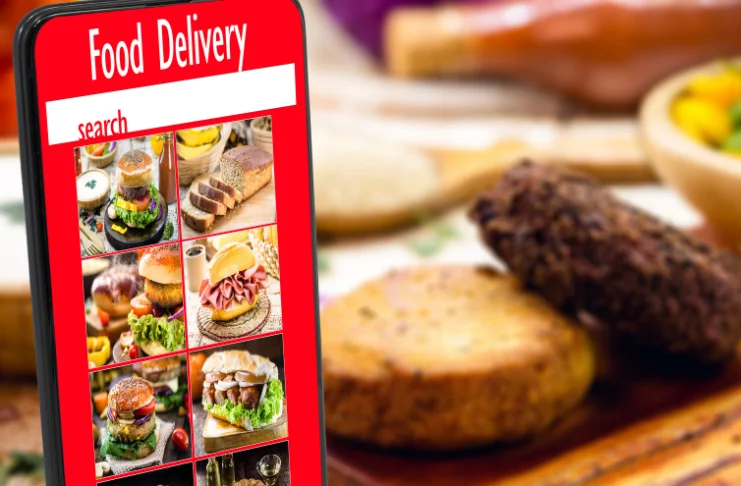
List your restaurant on popular platforms like Zomato, Swiggy, Uber Eats, or DoorDash. Optimize your profile with images, keywords, and top-rated dishes. Apps can be excellent discovery channels.
Choose delivery platforms that serve your target market effectively. Research commission rates, delivery areas, and customer demographics to make informed decisions. Start with one or two platforms before expanding.
Optimize your delivery app profiles with compelling descriptions, high-quality photos, and accurate information. Highlight popular items and include dietary options. Regular profile updates keep your listings fresh and relevant.
Design delivery-friendly menu items that travel well and maintain quality. Some dishes work better for delivery than others. Consider offering delivery-specific items or packaging that preserves food quality during transport.
24. Target Ads for Special Occasions

Create limited-time campaigns for holidays, birthdays, or anniversaries. Offer packages like “Romantic Dinner for Two” or “Birthday Bash Bundle.” These draw in diners celebrating and make your place memorable.
Plan special occasion campaigns well in advance. Create Valentine’s Day promotions in January, Mother’s Day campaigns in April, and holiday menus in early December. Early planning allows for better execution and promotion.
Design packages that provide value while maintaining profitability. Bundle popular items with special touches like complimentary desserts or anniversary cards. Price packages attractively compared to ordering items separately.
Promote special occasion packages through targeted advertising, email campaigns, and social media. Create urgency with limited availability or early bird discounts. Track performance to refine future seasonal campaigns.
25. Use Video Marketing
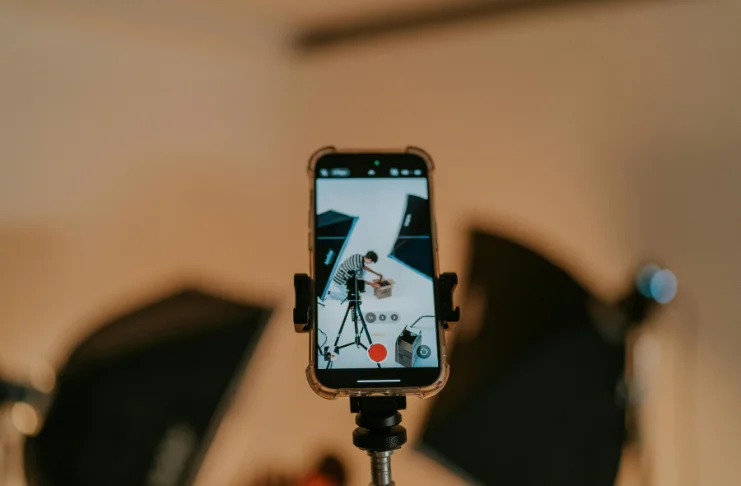
Video sells. Create short clips featuring your chef plating meals, guests enjoying experiences, or time-lapse prep footage. Use these across your social media platforms and website.
Focus on authentic, engaging content rather than perfect production quality. Behind-the-scenes videos of food preparation, staff interactions, or customer experiences often perform better than polished advertisements.
Keep videos short and optimized for mobile viewing. Most social media users watch videos without sound initially, so include captions or visually compelling content that works silently. Hook viewers within the first few seconds.
Repurpose video content across multiple platforms with platform-specific optimizations. A longer video can be edited into Instagram Stories, TikTok clips, and Facebook posts. This maximizes your content investment.
26. Run Referral Programs
Reward customers who bring in friends with discounts or freebies. Word-of-mouth remains one of the most effective marketing strategies in the restaurant industry.
Create simple referral systems that are easy for customers to understand and use. Offer meaningful rewards that motivate participation without significantly impacting profits. Both referrers and new customers should receive benefits.
Track referral program performance to understand which customers are your best advocates. Recognize and reward top referrers with special perks or VIP treatment. This encourages continued participation and builds loyalty.
Promote referral programs through multiple channels, including social media, email newsletters, and in-store signage. Train staff to explain the program and encourage participation during customer interactions.
27. Get Press Coverage

Pitch stories to local media about your concept, chef, or impact on the local community. Being featured in a food column or blog can massively boost visibility.
Develop newsworthy angles that interest journalists. This could be a unique menu concept, community involvement, sustainability practices, or the chef’s background. Create compelling press releases with high-quality photos and contact information.
Build relationships with local food writers, bloggers, and media personalities. Invite them for tastings or special events. Maintain professional relationships even when not seeking coverage.
Follow up appropriately after sending press releases or hosting media events. Provide additional information or photos if requested. Always thank journalists for coverage and maintain positive relationships for future opportunities.
28. Create a Unique Brand Voice

Your restaurant marketer or team should ensure consistent tone, visuals, and message across platforms. Whether you’re cheeky or elegant, own it and stay consistent.
Define your brand personality clearly. Are you sophisticated and refined, casual and friendly, or edgy and innovative? This personality should reflect in everything from social media posts to staff interactions.
Regularly audit your brand presence across all platforms to ensure consistency. Update outdated content and refine messaging based on customer feedback and market response.
A strong brand voice builds recognition and customer loyalty.
29. Use QR Codes for Menus and Feedback
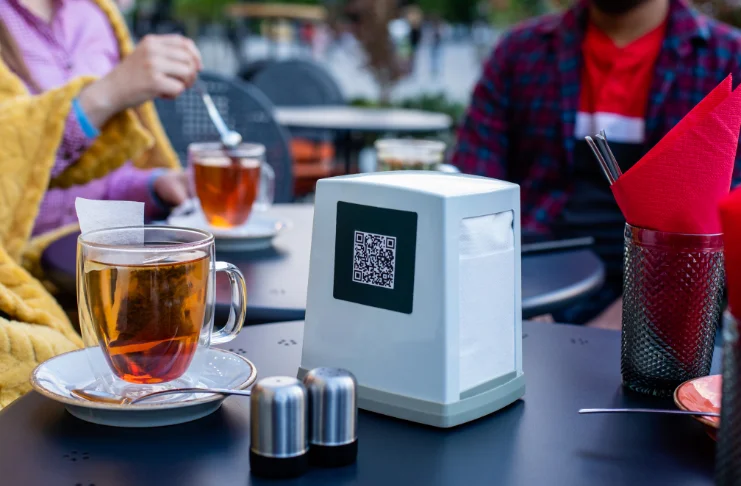
Modernize the dining experience with QR codes. Link to your menu, online reservation tool, or post-meal surveys. It’s interactive, hygienic, and data-rich.
Implement QR codes strategically throughout the customer journey. Table tent QR codes can link to menus, while receipt QR codes might connect to feedback surveys or loyalty program sign-ups.
Ensure QR code destinations are mobile-optimized and load quickly. Test codes regularly to confirm they work properly. Provide alternative options for customers who are uncomfortable with QR code technology.
30. Engage with the Local Market

Sponsor school events, support charities, or participate in street fairs. Getting involved with the local market builds goodwill and puts your name on the map.
Choose community involvement opportunities that align with your brand values and target audience. Family restaurants might sponsor youth sports teams, while upscale establishments could support arts organizations.
Participate actively rather than just providing financial support. Volunteer at events, provide food samples, or offer expertise. Active participation creates stronger community connections and better marketing opportunities.
Document community involvement for marketing purposes. Share photos and stories from events on social media and your website. This demonstrates your community commitment and builds local brand loyalty.
Conclusion
There’s no single recipe for restaurant success. From email marketing to social media marketing, restaurant promotion ideas to restaurant blogs, your strategy should be a dynamic mix of these restaurant advertising ideas.
Track results, listen to customer feedback, and don’t be afraid to innovate. Whether you’re focused on free advertising or scaling with paid ads, a thoughtful approach will help you attract more customers, build loyalty, and stand out in the restaurant business.
Time to serve your best marketing dish yet!
Ready to grow your restaurant? Bookmark this blog, share it with your team, and start experimenting with the most impactful ideas today. Your future diners are already hungry. Let’s make sure they find you first!
Frequently Asked Questions
1. How do you advertise for your restaurant?
You can advertise your restaurant using a mix of digital marketing, social media, local SEO, email campaigns, and influencer partnerships.
2. How to write an advertisement for a restaurant?
Write a clear, catchy message highlighting your restaurant’s unique selling points, include irresistible offers, and add a strong call to action.
3. How do I attract customers to my restaurant?
Offer great food and service, run promotions, engage on social media, and create a strong local presence through community partnerships.
4. What are the 4 P’s of local restaurant marketing?
The 4 P’s are Product (your food and service), Price (value and deals), Place (location and ambiance), and Promotion (advertising and outreach).
5. How do you promote your new restaurant?
Promote your new restaurant with grand opening events, local press coverage, online buzz, and introductory discounts.
6. How do you announce a new restaurant?
Announce a new restaurant through social media teasers, press releases, influencer tastings, and email invitations to a launch event.
7. What are the 4 P’s of marketing for restaurants?
The 4 P’s are Product, Price, Place, and Promotion—tailored to highlight your restaurant’s food, pricing, location, and marketing efforts.
8. How to do an advertisement for a restaurant?
Create an appealing ad with mouth-watering visuals, compelling copy, your location, offer details, and clear contact or ordering info.
9. How to promote a newly opened restaurant?
Promote a newly opened restaurant with launch events, introductory deals, local partnerships, influencer content, and online advertising.
10. How do I announce the opening of a new restaurant?
Use social media announcements, press releases, signage, email blasts, and launch events to build excitement and draw in your first guests.
11. What is the best marketing strategy for restaurants?
The best marketing strategy combines digital marketing, loyalty programs, community engagement, and consistent branding across all platforms.
12. What is the best way to advertise a restaurant?
The best way is to use a blend of social media, local SEO, influencer marketing, and email campaigns targeted to your audience.
13. What are the 7 Ps of service marketing in restaurants?
The 7 P’s are Product, Price, Place, Promotion, People, Process, and Physical Evidence—all crucial for a successful restaurant experience.