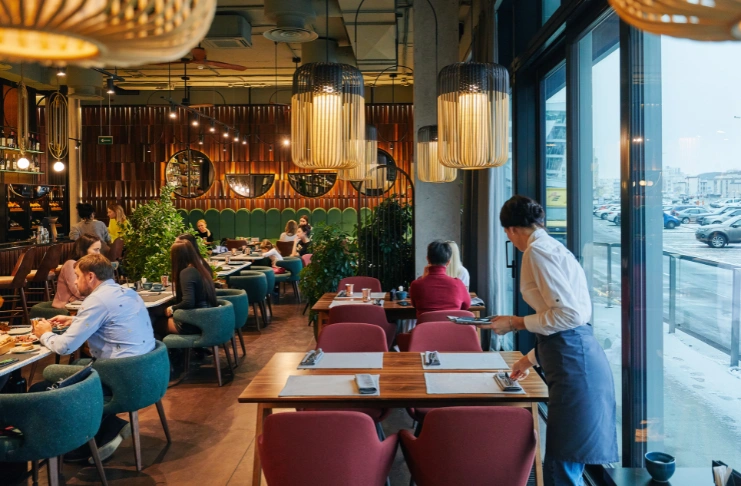

The UAE is a thriving hub for the food and beverage industry, with Dubai and Abu Dhabi leading in global dining trends. Dubai welcomed 16.79 million international tourists in the first 11 months of 2024, marking a 9% increase compared to the previous year, creating sustained demand for diverse dining experiences. Investors planning to start a new restaurant must secure a restaurant license in the UAE, comply with food safety regulations, and follow strict guidelines set by relevant authorities. This guide explains how to get your restaurant license, the costs involved, and the essential steps for a successful business setup.
Understanding Restaurant Licenses in the UAE
Opening a restaurant requires two primary approvals: a trade license and a food license. The trade license allows you to operate your business legally, while the food license ensures your restaurant complies with food safety standards. You must obtain approvals from the Department of Economic Development (DED), Dubai Municipality, and, in some cases, a free zone authority if setting up in a free zone.
The licensing process involves multiple stakeholders and regulatory bodies, each with specific requirements and documentation needs. Restaurant owners must navigate through various approval stages, from initial concept approval to final operational permits. The complexity of this process often requires professional consultation to ensure compliance with all regulatory requirements.
Why Licensing is Critical in the UAE Food and Beverage Industry

The UAE’s food and beverage market is projected to reach over $43.98 billion by 2029, making compliance essential for investors seeking growth.
INDUSTRY INSIGHTS
| The UAE hosts over 2,000 food and beverage manufacturing companies that generate $7.63 billion in annual revenue. Independent outlets dominate the UAE foodservice market, commanding approximately 62% market share in 2024, highlighting opportunities for new restaurant entrepreneurs. |
Licensing ensures safety standards, consumer protection, and adherence to local regulations. The UAE’s diverse population of over 200 nationalities creates a sophisticated dining market with high expectations for quality and safety. Failure to comply can lead to penalties, business closure, and significant financial losses. Recent regulatory updates have increased penalties for non-compliance, making proper licensing more critical than ever.
Food Safety Regulations and Compliance
Local food safety regulations are strictly enforced in all emirates. The Food Safety Department conducts inspections to ensure restaurants maintain hygiene regulations, proper food storage, and waste management systems. These inspections are comprehensive and cover all aspects of restaurant operations, from food preparation areas to staff hygiene practices.
Restaurants must follow the Dubai Food Code, which outlines safety regulations, food safety practices, and guidelines for kitchen operations. The code is regularly updated to reflect international best practices and emerging food safety concerns. The regulatory framework also includes requirements for staff training, equipment maintenance, and documentation of food safety procedures.
Dubai Food Code Overview

The Dubai Food Code provides comprehensive guidance to ensure food safety standards, including kitchen design, food storage, equipment requirements, and staff hygiene training. The code covers every aspect of restaurant operations, from receiving and storing ingredients to serving finished dishes to customers. It establishes minimum standards for kitchen ventilation, lighting, water quality, and pest control measures.
Compliance with this code is mandatory for obtaining a Dubai restaurant license. The code also specifies requirements for food handling procedures, temperature controls, cleaning and sanitization protocols, and allergen management. The Dubai Food Code is aligned with international food safety standards and incorporates best practices from leading food safety organizations worldwide.
Business Setup Options: Mainland vs. Free Zone
Entrepreneurs can choose between a mainland business setup or a free zone license. A mainland license allows restaurants to operate anywhere in the UAE, while a free zone offers tax benefits, simplified import/export procedures, and lower costs. However, restaurants operating in a free zone must partner with a delivery service or obtain permits to serve customers outside the zone.
The choice between mainland and free zone setup depends on various factors, including business model, target market, operational requirements, and long-term expansion plans. Free zones provide streamlined business setup processes, 100% foreign ownership, and access to world-class infrastructure.
Role of Free Zone Authority

Each relevant free zone authority has unique guidelines for restaurant setup, safety standards, and building regulations. Popular free zones for F&B businesses include Dubai Multi Commodities Centre (DMCC), Dubai International Financial Centre (DIFC), and Abu Dhabi Global Market (ADGM). Investors must consult the authority to ensure the restaurant complies with local regulations.
Free zone authorities provide specialized support services for restaurant entrepreneurs and maintain dedicated F&B licensing departments. They also facilitate connections with suppliers, service providers, and potential business partners within their ecosystems.
Economic Development Department’s Role
The Department of Economic Development (DED) oversees commercial licenses, trade licenses, and approvals for restaurant business activities. The DED has modernized its processes through digital transformation initiatives, making it easier for entrepreneurs to submit applications online. Approval from the DED is essential for leasing commercial space and completing the restaurant setup process.
Recent initiatives have introduced fast-track processing for qualifying restaurant applications, reducing approval times significantly. The DED also provides valuable market intelligence and business support services to help restaurant entrepreneurs make informed decisions.
Commercial Space Requirements

Restaurant premises must meet strict building regulations, zoning regulations, and safety standards. The space should accommodate outdoor seating (if required), signage permits, and waste management facilities. Modern restaurant design must also consider sustainability requirements, energy efficiency standards, and smart technology integration.
Lease agreements are part of the application process, and they must be submitted to the authorities. Building regulations specify minimum ceiling heights, ventilation requirements, emergency exits, and fire safety systems. Many successful restaurants negotiate lease agreements that include options for renewal and expansion.
Importance of a Comprehensive Business Plan
A strong business plan is essential when applying for restaurant licenses. It should include cash flow projections, marketing strategies, a market survey, and a detailed plan for operations. The business plan should demonstrate understanding of market dynamics, regulatory requirements, and operational challenges.
Authorities often require a plan to ensure careful planning before granting permits. Financial projections should be realistic and supported by market research and industry benchmarks. A well-crafted business plan also serves as a valuable tool for securing financing and attracting investors.
License Costs and Other Administrative Expenses

License fees vary depending on the location, size, and type of restaurant. The cost of a restaurant license in the UAE ranges from AED 15,000 to AED 25,000. To obtain a trade license for a restaurant in Dubai, investors typically need to budget AED 17,000 to over AED 18,000 on average. Other administrative expenses include the local sponsor fee, signage permit charges, and waste management systems setup.
Professional consultation fees, legal documentation costs, and translation services also contribute to the overall licensing expenses. The total investment required can vary substantially based on the complexity of the establishment and specific location requirements.
Food License Application Process
To serve food legally, restaurants must apply for a food license from the Dubai Municipality. The process includes submitting a layout plan of the kitchen, a copy of the trade license, and approvals for equipment placement. The application must demonstrate compliance with all food safety standards and operational requirements.
The food license application requires extensive documentation, including supplier certifications, staff training records, and waste management plans. Processing times can vary depending on the complexity of the application and the completeness of the submitted documentation.
Liquor License and Beverage Service Permits
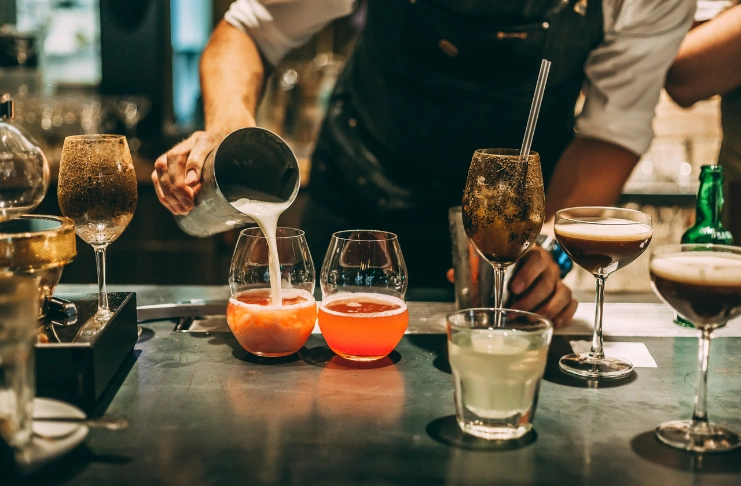
Restaurants intending to serve alcohol must apply for a liquor license. Approvals are granted by relevant authorities after verifying the restaurant’s safety regulations and compliance. The application process includes background checks, detailed operational plans, and a demonstration of responsible service practices.
The license typically includes restrictions on service hours, customer age verification requirements, and responsible service training for staff. Many restaurants find that offering alcoholic beverages significantly enhances their revenue potential and competitive positioning.
Safety Standards and Training
Food safety training for staff is mandatory. Employees must understand hygiene regulations, safety license requirements, and waste management protocols to ensure food safety. Training programs must be conducted by certified providers and documented for regulatory review.
Proper training is a key factor in passing inspections. Staff training should cover food handling procedures, personal hygiene standards, equipment operation, and customer service protocols. Training records must be maintained and made available for inspection.
Coffee Shops and Niche Dining Establishments

Licensing is also required for smaller ventures like coffee shops, food trucks, or specialty cafes. For cafeteria licenses in Dubai, costs generally range from AED 24,000 to AED 35,000. The licensing process remains similar, though requirements may be simplified for smaller spaces.
These establishments still must meet the same fundamental food safety and hygiene standards as larger restaurants. Niche dining establishments often face unique regulatory considerations related to their specialized equipment or service methods.
Outdoor Seating and Signage Permit
Restaurants offering outdoor seating must meet additional zoning regulations and safety standards. Outdoor dining areas require special permits that consider factors such as pedestrian flow, accessibility, and environmental considerations. Signage permits are also required for branding and marketing purposes.
Effective signage can significantly impact restaurant visibility and customer attraction. Many restaurants find that outdoor seating and attractive signage contribute substantially to their ambiance and customer appeal.
Restaurant Setup Process Step-by-Step
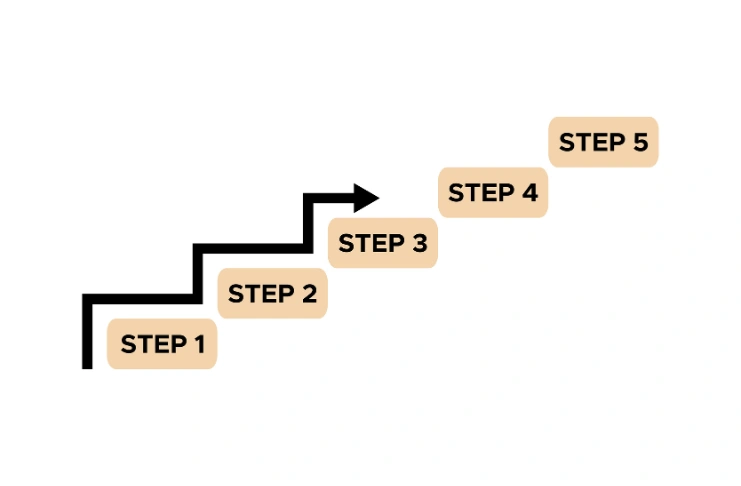
Choose a business activity and restaurant concept. Conduct market research and finalize a business plan. Select a commercial space and sign a lease agreement. Obtain initial approval from the Department of Economic Development. Apply for a trade license and food license. Submit building layout plans for approval. Install waste management systems and comply with safety standards. Secure additional permits, like alcohol licenses or signage permits.
Each step requires careful attention to detail and may involve multiple iterations to achieve full compliance.
Local Authorities and Objection Certificates
Certain restaurant setups may require a No Objection Certificate (NOC) from relevant authorities or building owners. This is especially true for restaurants located in shared commercial complexes. The NOC process ensures that proposed restaurant operations are compatible with existing businesses.
Obtaining NOCs can involve coordination with multiple stakeholders, including building management and municipal authorities. This process should be initiated early to avoid delays.
Building Regulations and Compliance
Restaurants must adhere to strict building regulations to ensure ventilation, fire safety, and accessibility. A safety license is issued after inspections confirm compliance. Building compliance extends beyond initial approval to ongoing maintenance and safety monitoring.
Regular inspections and maintenance schedules help ensure continued compliance and can prevent costly shutdowns related to safety violations.
Waste Management Systems and Sustainability
Restaurants are required to implement waste management systems to support sustainability initiatives. The UAE food and beverages sector is poised to grow by 17% each year, creating increased focus on sustainable practices. The UAE government has a national strategy to reduce food waste by 50 percent by 2030.
Effective waste management systems must address food waste reduction, recycling programs, and proper disposal of cooking oils. Sustainability initiatives often provide competitive advantages and cost savings while supporting environmental goals.
Food Truck Licensing
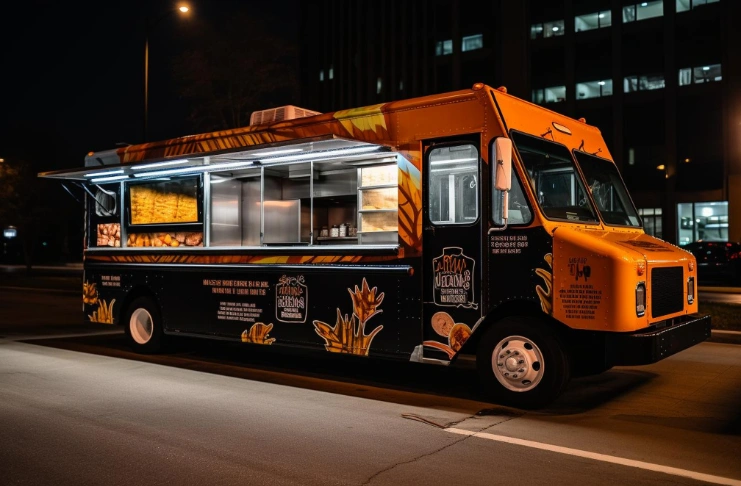
Food trucks are increasingly popular, but they must comply with local regulations and obtain food and trading licenses. These businesses often require approvals from the Roads and Transport Authority (RTA) and municipality for location permits and route approvals.
Food truck operations face unique challenges related to mobility and maintaining food safety standards in mobile environments. The growing food truck market offers opportunities for entrepreneurs with lower initial investment.
Marketing Strategies to Attract Customers
To build a successful business, restaurants must develop strong marketing strategies, focusing on local flavors, commerce marketing, and customer engagement. Social media and influencer collaborations are key drivers of growth in the UAE F&B industry. Successful restaurants leverage digital platforms to showcase their cuisine while building community engagement through loyalty programs and special events.
Growth of the UAE Food and Beverage Sector

The UAE F&B industry is expected to grow at a CAGR of 19.3 percent from 2025 to 2030. Over 50 percent of consumers in Dubai dine out at least once a week, driving demand for new restaurants.
With the UAE home to over 200 nationalities, the local consumer foodservice landscape reflects this diversity, resulting in a highly fragmented competitive landscape.
Common Challenges in Licensing
Investors often face delays due to incomplete documentation, failure to meet hygiene regulations, or missing approvals from relevant authorities. Common challenges include underestimating the complexity of the approval process and inadequate preparation of required documentation.
Careful planning can help avoid these challenges. Successful restaurant entrepreneurs often engage experienced consultants who specialize in F&B licensing to navigate the regulatory landscape effectively.
Work Permits and Staffing

Restaurant owners must secure work permits for foreign staff. Proper documentation and compliance with labor laws are essential. Staff visa requirements, labor card procedures, and ongoing compliance obligations must be carefully managed to avoid disruptions.
The UAE’s diverse workforce requirements often necessitate recruiting international talent, making work permit compliance critical. Successful restaurants develop relationships with specialized recruitment agencies and labor law consultants.
Conclusion
Launching a restaurant in the UAE requires careful planning, strict compliance, and attention to local regulations. Whether opening a coffee shop, food truck, or fine dining restaurant, securing the right trade licenses and food licenses is crucial. With the UAE’s growing food and beverage industry, entrepreneurs have ample opportunities to create successful businesses while ensuring safety and quality for customers.
The key to success lies in understanding regulatory requirements, developing strong business plans, and implementing effective operational strategies. The investment in proper licensing pays dividends through reduced risks, enhanced reputation, and the ability to focus on delivering exceptional dining experiences in this dynamic market.
Frequently Asked Questions
1. How much is a restaurant license in UAE?
A restaurant license in the UAE typically costs between AED 100,000 and AED 500,000+, including trade license fees, permits, and fit-out expenses. The exact amount varies by location, size, and additional permits required.
2. Do I need a license to sell food in the UAE?
Yes, you must obtain a trade license and a food safety license from the relevant authorities to legally sell food in the UAE. Operating without these approvals can result in heavy fines or closure.
3. How to open a restaurant in the UAE?
To open a restaurant, you must create a business plan, secure approvals, register your lease (Ejari), get food safety inspections, and obtain both trade and food licenses. The process takes around 4–6 weeks if requirements are met.
4. How to apply for a food licence in Dubai?
Submit your restaurant layout, lease agreement, and staff training certificates to Dubai Municipality, pass inspections, and apply through DED or a free zone. Once approved, you’ll receive your official food license.