

Managing multiple cloud kitchen brands requires both creativity and discipline, whether in maintaining consistent food quality, building an adaptive business model, or setting a clear path for business growth.
With food businesses increasingly driven by ghost kitchens and shifting market trends, operators now have the opportunity to scale faster and reach wider audiences without the burden of traditional dining spaces.
A multi-brand cloud kitchen strategy enables one kitchen to power several virtual brands, each designed for different customer segments.
When executed well, it transforms a single operation into a diversified portfolio of dining concepts, expanding reach, maximizing resources, and fueling long-term growth.
This guide breaks down exactly how to launch and manage multiple cloud kitchen brands successfully.
What Makes Multi-Brand Cloud Kitchens So Profitable?
Multi-brand cloud kitchens generate higher revenue per square foot than traditional restaurants. Your single kitchen space can house Italian, Mexican, Asian, and American brands simultaneously. Each virtual brand targets specific customer segments through different delivery platforms.
The cloud kitchen model eliminates front-of-house costs while maximizing kitchen productivity. You serve multiple cuisines without hiring separate kitchen staff for each brand. This operational efficiency drives profit margins that traditional restaurants struggle to achieve.
How Do You Choose the Right Virtual Brands for Your Cloud Kitchen?
Market research forms the foundation of successful multi-brand operations. Study local food delivery trends and identify gaps in your market. Analyze which cuisines perform well on delivery platforms in your area.
Choose complementary brands that share common ingredients. Italian and Mediterranean brands can share pasta, olive oil, and herbs. Asian brands can utilize similar vegetables and proteins. This ingredient overlap reduces inventory complexity and food cost.
Consider preparation time compatibility. Brands requiring similar cooking methods work efficiently together. Quick-service items like burgers and wraps complement each other better than slow-cooked barbecue and fresh sushi.
Which Delivery Platforms Should You Partner With?
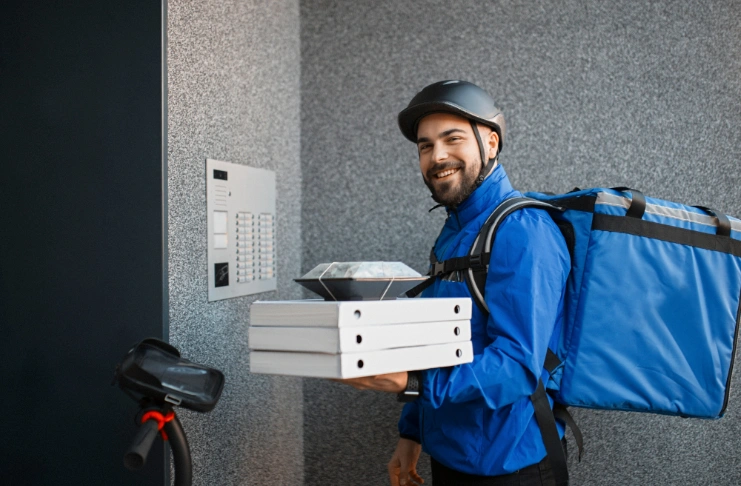
Most successful multi-brand cloud kitchens work with multiple delivery services simultaneously. DoorDash, Uber Eats, and Grubhub each serve different customer bases. Diversifying across delivery platforms reduces dependency on any single service.
Each delivery app has unique commission structures and customer demographics. DoorDash often performs better in suburban areas, while Uber Eats dominates urban markets. Grubhub appeals to office workers during lunch hours.
Set up dedicated accounts for each virtual brand on every platform. This approach allows independent branding and marketing for each concept. Track performance metrics separately to identify which brands succeed on specific platforms.
How Do You Structure Your Kitchen for Maximum Efficiency?
Design your kitchen layout to support multiple brands without cross-contamination. Create dedicated prep stations for different cuisines while sharing major cooking equipment. Install sufficient refrigeration to store ingredients for all brands separately.
Implement a color-coded system for different brands. Use specific containers, labels, and storage areas for each virtual brand. This system prevents mixing ingredients and maintains food quality standards across all concepts.
Invest in versatile equipment that serves multiple brands. Combination ovens can handle pizza, roasted proteins, and baked goods. High-quality griddles work for burgers, sandwiches, and breakfast items. Commercial fryers serve multiple cuisines effectively.
What Technology Stack Powers Successful Multi-Brand Operations?
A robust POS system forms the backbone of multi-brand cloud kitchen operations. Your cloud kitchen POS needs to handle orders from multiple delivery platforms while tracking sales for each virtual brand separately. Modern POS systems integrate directly with delivery apps for seamless order management.
Kitchen display systems become crucial when managing orders from multiple brands. These systems organize incoming orders by preparation time and brand requirements. Staff can prioritize orders efficiently without confusion between different virtual brands.
Inventory management software tracks ingredients across all brands in real time. The system alerts you when specific items run low and calculates food cost for each brand accurately. Real-time inventory tracking prevents stockouts that damage customer experience.
How Do You Manage Inventory Across Multiple Brands?

Cross-utilization maximizes ingredient efficiency across virtual brands. Plan menus that share common proteins, vegetables, and pantry items. Chicken can serve Italian pasta dishes, Mexican bowls, and Asian stir-fries with different seasonings and preparations.
Track ingredient usage patterns for each brand separately. Some virtual brands may use more expensive ingredients that affect profitability. Understanding these patterns helps optimize menu pricing and ingredient purchasing decisions.
Implement strict FIFO (First In, First Out) procedures for all shared ingredients. Label everything with dates and brand designations. Train staff to rotate stock properly and check expiration dates regularly across all brand inventories.
What Staffing Model Works Best for Multi-Brand Cloud Kitchens?
Cross-train kitchen staff to prepare items for multiple brands. This flexibility allows you to adjust labor allocation based on demand patterns. Some brands may be busier during lunch while others peak at dinner.
Designate brand champions who specialize in specific cuisines but can assist with others when needed. These staff members ensure food quality and consistency for their primary brands while providing backup support during busy periods.
Schedule staff based on historical order patterns for each brand. Analyze data to identify peak times for different virtual brands. Some brands may require additional staff during weekend nights, while others need coverage during weekday lunches.
How Do You Maintain Brand Identity Across Multiple Concepts?
Each virtual brand requires distinct packaging that reflects its unique identity. Invest in brand-specific containers, labels, and promotional materials. Customers should immediately recognize which brand their order represents when it arrives.
Develop a separate social media presence for each virtual brand. Different brands appeal to different demographics and require tailored marketing messages. Italian brands might focus on family meals while health-focused brands target fitness enthusiasts.
Train staff to understand each brand’s quality standards and presentation requirements. A gourmet burger brand demands different plating and packaging than a casual taco concept. Consistency in execution maintains customer loyalty across all brands.
INDUSTRY INSIGHT
| According to a recent study, 41% of independent restaurants were operating virtual brands to meet the growing demand for food delivery. This shift represents a fundamental change in how restaurant owners approach the delivery market. Multi-brand cloud kitchens capture more market share by appealing to diverse customer preferences from a single location. Cross-brand bundling increases average order value by 18-35% when customers order from multiple brands in one delivery. This bundling strategy creates operational efficiency while boosting revenue per order. The data shows that restaurant owners who embrace the multi-brand approach adapt better to changing market conditions. They can quickly pivot between cuisines based on seasonal demand or local preferences without the overhead of multiple physical locations. |
How Do You Price Menu Items Across Different Brands?

Calculate food cost separately for each virtual brand to ensure accurate pricing. Shared ingredients should be allocated proportionally based on actual usage. Track prep time and labor costs specific to each brand’s menu items.
Research competitor pricing on delivery platforms for similar concepts. Your pricing strategy should reflect each brand’s positioning while maintaining healthy profit margins. Premium brands can command higher prices than casual concepts.
Factor in delivery platform commissions when setting prices. Different platforms charge varying commission rates that affect your bottom line. Build these costs into your menu pricing to maintain profitability across all sales channels.
What Quality Control Systems Prevent Brand Confusion?
Implement standardized recipes for each virtual brand with specific portion sizes and preparation methods. Document cooking procedures to ensure consistency regardless of which staff member prepares the food. This documentation becomes crucial when training new employees.
Create quality checkpoints throughout the food preparation process. Designate specific staff members to review orders before packaging. Each virtual brand should meet its own quality standards without compromising others.
Use separate storage areas and prep containers for each brand when possible. While ingredients may overlap, final preparations should remain distinct. This separation prevents accidentally mixing elements from different brands in customer orders.
How Do You Handle Customer Service for Multiple Brands?
Set up separate customer service channels for each virtual brand. Customers expect brand-specific communication that matches their ordering experience. A casual taco brand requires a different service tone than an upscale Italian concept.
Train customer service staff to understand each brand’s menu and policies. They should answer questions authentically for each brand without revealing the shared kitchen operation. Customers should feel they’re communicating with dedicated brand representatives.
Monitor customer reviews and feedback for each virtual brand independently. Address issues specific to individual brands while identifying operational problems that affect multiple concepts. This targeted approach improves customer loyalty for each brand.
What Financial Management Strategies Track Multi-Brand Performance?

Separate profit and loss statements for each virtual brand to reveal true performance metrics. Allocate shared costs proportionally based on actual usage or revenue contribution. This accounting accuracy helps identify which brands drive profitability.
Track key performance indicators for each brand individually. Monitor average order value, customer acquisition cost, and repeat order rates. These metrics guide decisions about menu changes, marketing investment, and brand expansion.
Use data analytics tools to compare brand performance across different delivery platforms. Some brands may perform better on specific apps due to customer demographics or platform features. Adjust marketing spend and menu placement accordingly.
How Do You Scale Multi-Brand Cloud Kitchen Operations?
Expansion requires careful analysis of kitchen capacity and brand compatibility. Add new virtual brands gradually to avoid overwhelming your operational capabilities. Test new concepts during slower periods to refine processes before full launch.
Consider geographic expansion when local markets become saturated. Multi-brand cloud kitchens can replicate successful brand combinations in new cities. The proven operational model reduces risks associated with location expansion.
Evaluate automation opportunities as you scale. Kitchen display systems, inventory management software, and automated ordering reduce manual tasks. These technological investments become cost-effective as order volumes increase across multiple brands.
Which Delivery Platform Features Maximize Multi-Brand Success?
Optimize your presence on each delivery platform by understanding its unique features. DoorDash offers advertising tools that can boost individual brand visibility. Uber Eats provides customer data insights that help refine menu offerings.
Use platform-specific promotional tools strategically. Run different promotions for each virtual brand based on their target demographics. Happy hour deals work well for casual brands while premium brands benefit from limited-time specialty offerings.
Leverage platform analytics to understand customer ordering patterns for each brand. This data reveals peak times, popular items, and customer geographic distribution. Adjust staffing and inventory levels based on these insights.
How Do You Manage Food Safety Across Multiple Brands?
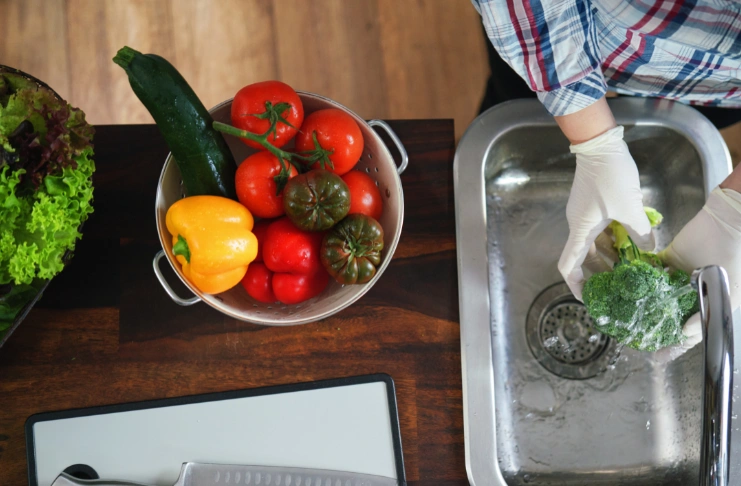
Implement comprehensive food safety protocols that cover all virtual brands operating in your cloud kitchen. Each brand must meet the same safety standards regardless of cuisine type. Regular temperature monitoring and cleaning schedules apply to all food preparation areas.
Maintain separate cutting boards and utensils for different protein types across all brands. Color-coded equipment prevents cross-contamination between raw and cooked ingredients. Train staff on proper sanitization procedures between brand preparations.
Document food safety procedures specific to each brand’s requirements. Some cuisines have unique safety considerations that staff must understand. Regular training updates ensure all team members stay current on safety protocols.
What Marketing Strategies Build Individual Brand Awareness?
Develop unique social media strategies for each virtual brand that reflect their distinct personalities. Italian brands might share family recipes and cooking tips while health-focused brands post nutrition information and workout partnerships.
Create brand-specific loyalty programs that encourage repeat orders. Different customer segments respond to various incentives. Casual brands might offer points-based rewards while premium brands provide exclusive menu access.
Partner with local influencers who align with each brand’s target audience. Food bloggers, fitness enthusiasts, and family-focused content creators can authentically promote relevant virtual brands to their followers.
How Do You Monitor Performance Across All Brands?
Track order volume, revenue, and customer satisfaction metrics for each virtual brand daily. This data helps identify trending brands and underperformers. Quick identification of problems allows for immediate operational adjustments.
Compare performance metrics between brands to understand what drives success. Analyze factors like menu complexity, pricing strategy, and marketing investment. Apply successful strategies from top-performing brands to struggling concepts.
Use delivery platform analytics combined with your POS system data for comprehensive insights. This dual approach provides a complete picture of brand performance across all sales channels.
What Challenges Should You Prepare For?

Kitchen capacity limitations become apparent as brands grow. Peak ordering times for different brands may overlap, creating bottlenecks in food preparation. Plan kitchen workflows and staffing to handle concurrent demands from multiple brands.
Delivery platform algorithm changes can affect brand visibility without warning. Diversifying across multiple platforms and maintaining direct customer relationships reduces dependency on any single delivery service. Build email lists and loyalty programs for each brand.
Staff turnover requires continuous training on multiple brand standards. New employees must learn procedures for all virtual brands quickly. Develop comprehensive training programs and clear documentation to minimize onboarding time.
How Do You Expand to Multiple Locations?
Location expansion requires proven operational systems that work across different markets. Document all procedures, recipes, and quality standards before opening additional cloud kitchen locations. This documentation ensures consistency across multiple sites.
Research local market preferences before replicating brand portfolios in new areas. Customer preferences vary by region, and successful brands in one city may struggle elsewhere. Adjust brand selection based on local demographics and competition.
Implement centralized inventory management and procurement systems for multiple locations. Bulk purchasing reduces food cost while standardized suppliers ensure consistent quality across all cloud kitchen sites.
What Technology Integration Streamlines Operations?
Integrate your POS system with inventory management software and delivery platforms for seamless operations. This integration provides real-time data flow that eliminates manual entry and reduces errors across all virtual brands.
Kitchen display systems should show orders from all brands while clearly identifying preparation requirements. Color-coding or brand logos help kitchen staff quickly identify which virtual brand each order represents.
Implement automated reporting that tracks performance metrics for each brand automatically. Daily, weekly, and monthly reports should break down sales, costs, and profitability by individual virtual brand and delivery platform.
How Do You Handle Peak Order Volume?

Stagger peak times across different virtual brands when possible. Promote lunch specials for office-friendly brands while pushing dinner deals for family-oriented concepts. This strategy spreads order volume throughout the day.
Prepare components in advance during slower periods. Pre-cook proteins, chop vegetables, and portion sauces when order volume is low. This preparation strategy allows faster assembly during peak times across all brands.
Implement order throttling on delivery platforms during extreme busy periods. Temporarily increasing delivery times prevents kitchen overload and maintains food quality. Better to deliver excellent food slightly slower than poor quality quickly.
What Cost Control Measures Maximize Profitability?
Monitor food cost percentages for each virtual brand weekly. Shared ingredients should be allocated accurately to calculate true profitability. Brands with higher food costs may need menu adjustments or pricing increases.
Negotiate better rates with suppliers based on increased volume from multiple brands. Bulk purchasing power from operating several virtual brands provides leverage in supplier negotiations. Establish relationships with multiple suppliers to ensure competitive pricing.
Track labor efficiency across all brands to identify optimization opportunities. Some virtual brands may require more labor-intensive preparation, which affects overall profitability. Adjust menu complexity or pricing to maintain target labor costs.
How Do You Launch New Virtual Brands Successfully?
Test new virtual brands on a small scale before full launch. Offer limited menus through one delivery platform initially. This approach allows you to refine recipes and operations without major investment.
Study market gaps and customer feedback to identify new brand opportunities. Analyze delivery platform data to spot trending cuisines or underserved segments. Customer reviews often reveal desires for specific food types not currently available.
Develop new brands that utilize existing kitchen capabilities and ingredients. Launching a breakfast brand when you already operate dinner concepts maximizes kitchen utilization throughout the day. This strategic approach improves overall operational efficiency.
What Menu Engineering Techniques Drive Sales?
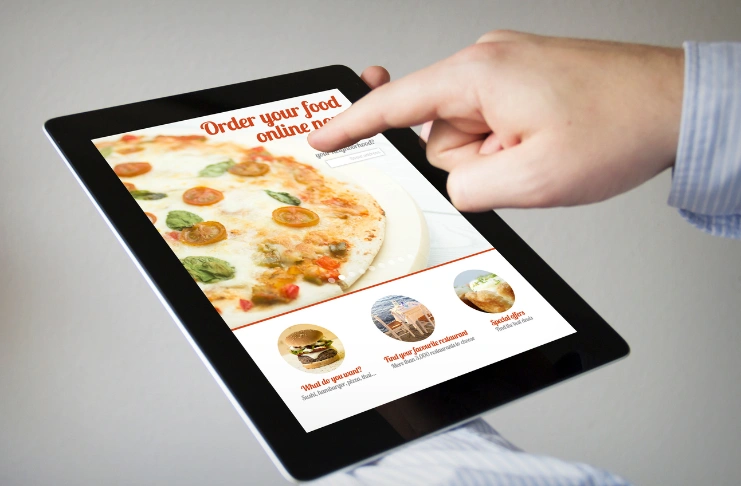
Design menus for each virtual brand that highlight high-margin items prominently. Use psychological pricing strategies like $9.99 instead of $10.00 to encourage larger orders. Position profitable items in prime menu locations on delivery apps.
Create combo meals and family packages that increase average order value. Bundling appetizers, entrees, and drinks provides convenience while boosting revenue per order. These packages work especially well for brands targeting families or groups.
Regularly analyze sales data to identify top-performing items across all virtual brands. Promote successful dishes through delivery platform advertising and social media marketing. Consider adding similar items to other brands when ingredients and preparation methods align.
How Do You Build Customer Loyalty Across Multiple Brands?
Implement separate loyalty programs for each virtual brand that reflect their unique customer base. Casual brands might offer points for frequent orders while premium brands provide exclusive menu access or special events.
Collect customer data through online ordering systems to personalize marketing messages. Different brands should communicate with customers using appropriate tone and content. Family brands share meal prep tips while health brands offer nutrition advice.
Encourage cross-brand discovery through targeted promotions. Customers who order frequently from one brand might enjoy trying your other concepts. Offer discounts on complementary brands to existing customers.
What Financial Metrics Track Multi-Brand Success?
Revenue per brand provides the clearest picture of individual virtual brand performance. Track daily, weekly, and monthly sales for each concept. Compare these figures against operational costs to determine true profitability.
Customer acquisition cost varies significantly between virtual brands and delivery platforms. Monitor your spending on marketing and promotions to acquire new customers for each brand. This data guides marketing budget allocation decisions.
Repeat order rates are one of the strongest indicators of customer satisfaction and brand loyalty. In grocery and food delivery, weekly repeat orders are common. In fact, surveys in 2023 showed about 40% of online grocery shoppers order every week, while a U.S. study reported repeat intent at 65.2%.
Meal-kit and food subscription services also average around 29% repeat rates. Benchmark your virtual brands against these industry standards to assess whether your menu, pricing, and quality are retaining customers effectively.
How Do You Optimize Delivery Operations?
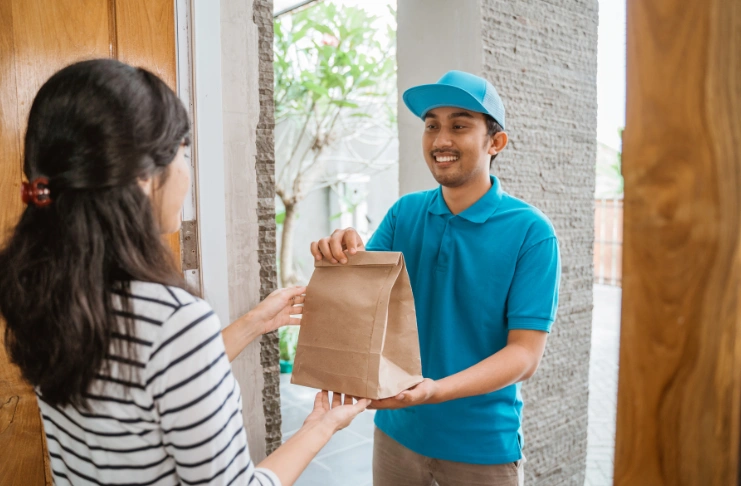
Coordinate with multiple delivery services to ensure adequate driver coverage during peak times. Establish relationships with delivery platform representatives who can provide insights into driver availability and delivery performance in your area.
Package orders efficiently to maintain food quality during transport. Each virtual brand may require different packaging solutions based on menu items. Hot items need insulated containers while salads require ventilated packaging.
Monitor delivery times and customer feedback regarding food temperature and presentation. Work with delivery platforms to address consistent problems. Sometimes switching to a different packaging or adjusting preparation timing resolves delivery issues.
What Legal Considerations Affect Multi-Brand Operations?
Ensure all virtual brands comply with local health department regulations. Each brand operating from your cloud kitchen must meet the same safety and licensing requirements. Some municipalities have specific rules about multiple brands in single locations.
Trademark research prevents legal issues when launching new virtual brands. Verify that brand names don’t infringe on existing trademarks. Register your successful virtual brand names to protect your intellectual property.
Review delivery platform contracts carefully regarding brand exclusivity and data ownership. Some platforms have restrictions on operating competing brands simultaneously. Understand these limitations before committing to exclusive partnerships.
How Do You Plan for Seasonal Demand Fluctuations?
Analyze historical data to identify seasonal patterns for each virtual brand. Comfort food brands typically perform better during winter months, while fresh salad concepts peak during summer. Adjust inventory planning and marketing focus accordingly.
Develop seasonal menu items that utilize available ingredients efficiently. Holiday-themed offerings can boost sales during specific periods, while limited-time specials create urgency. Coordinate seasonal promotions across delivery platforms.
Adjust staffing levels based on projected seasonal demand for different brands. Some virtual brands may require additional staff during busy seasons, while others operate with skeleton crews during slow periods.
What Automation Tools Help You Manage Multiple Cloud Kitchen Brands Efficiently?
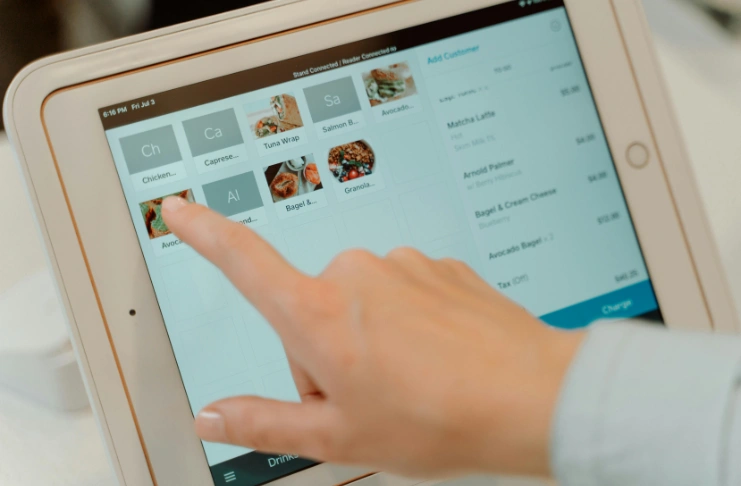
Automated order routing from delivery platforms to your kitchen display system eliminates manual entry errors. Orders flow directly from apps to preparation queues without staff intervention. This automation reduces processing time and improves accuracy.
Inventory management software with automated reordering prevents stockouts across all virtual brands. Set minimum stock levels for shared ingredients that trigger automatic purchase orders. This system maintains adequate inventory without manual monitoring.
Implement automated reporting systems that generate daily performance summaries for each virtual brand. These reports should include sales, costs, and key metrics without requiring manual data compilation.
How Do You Handle Competition from Other Cloud Kitchens?
Monitor competitor pricing and menu offerings regularly across all delivery platforms. Adjust your virtual brand strategies based on competitive landscape changes. New competitors may require menu updates or promotional campaigns to maintain market share.
Differentiate your virtual brands through unique menu items and superior execution quality. Focus on what makes each brand special rather than copying competitor strategies. Authentic brand identity creates stronger customer loyalty than imitation.
Leverage your multi-brand advantage by offering variety that single-brand competitors cannot match. Promote the convenience of ordering from multiple cuisines in one delivery order. This unique selling proposition sets you apart from single-concept operations.
What Growth Metrics Indicate Expansion Readiness?
Consistent profitability across all virtual brands for at least six months indicates operational stability. Growth should be sustainable rather than dependent on promotional pricing or unsustainable cost structures.
Kitchen capacity utilization above 80% during peak hours suggests readiness for additional locations. High utilization indicates strong demand that could support expansion while maintaining operational efficiency at existing sites.
Customer satisfaction scores above 4.5 stars across all virtual brands demonstrate quality consistency. Expansion with poor customer satisfaction damages brand reputation and creates operational challenges in new locations.
How Do You Build Strategic Partnerships?

Partner with local suppliers who can provide ingredients for multiple virtual brands efficiently. Develop relationships that offer competitive pricing, reliable delivery, and quality consistency. Strong supplier partnerships become more valuable as you operate more brands.
Explore partnerships with complementary businesses like grocery stores or catering companies. These relationships can provide additional revenue streams for your virtual brands during slower delivery periods.
Consider franchise opportunities for successful virtual brand concepts. Licensing proven brands to other cloud kitchen operators generates passive income while expanding brand presence. This strategy works particularly well for highly standardized concepts.
What Technology Integration Prevents Operational Chaos?
Centralized dashboard systems provide real-time visibility into all virtual brand operations. Monitor orders, inventory levels, and performance metrics from one interface. This overview prevents small problems from becoming operational disasters.
Integrate customer relationship management tools with your multi-brand operation. Track customer preferences across different virtual brands to identify cross-selling opportunities. Customers who order Italian food might enjoy your Mediterranean brand.
Implement backup systems for critical technology components. Kitchen display systems, POS systems, and internet connectivity should have redundancy plans. Technology failures during peak hours can devastate multi-brand operations.
Conclusion
Managing multiple cloud kitchen brands transforms your restaurant operations into a profitable multi-concept business. Success requires efficient delivery systems that serve online customers while maintaining distinct restaurant brand identities across all platforms.
The key is learning to analyze customer behavior for each virtual brand. Different customers have unique preferences and ordering patterns. Use this data to optimize your cloud kitchen models and strengthen partnerships with third-party delivery services.
Start with two complementary brands and master the fundamentals before expanding. Perfect your restaurant operations, delivery systems, and customer analysis processes. This foundation supports sustainable growth in the competitive cloud kitchen industry.
Frequently Asked Questions
1. What is the most popular cloud kitchen brand?
DoorDash Kitchens and CloudKitchens are among the largest operators, but popularity varies by region. Local, independent, multi-brand cloud kitchens often dominate their specific markets through targeted offerings.
2. What is a ghost kitchen?
A ghost kitchen is a food preparation facility designed exclusively for delivery orders. These kitchens have no dining areas and serve customers only through delivery apps and online orders.
3. What is a multi brand kitchen?
A multi-brand kitchen operates several virtual restaurant brands from a single physical location. Each brand has its own menu, packaging, and identity while sharing kitchen space and staff.
4. Which is the largest cloud kitchen brand in the world?
CloudKitchens (backed by Travis Kalanick) and Kitchen United are among the largest globally. However, regional players like Rebel Foods in India often dominate their local markets with multi-brand strategies.