

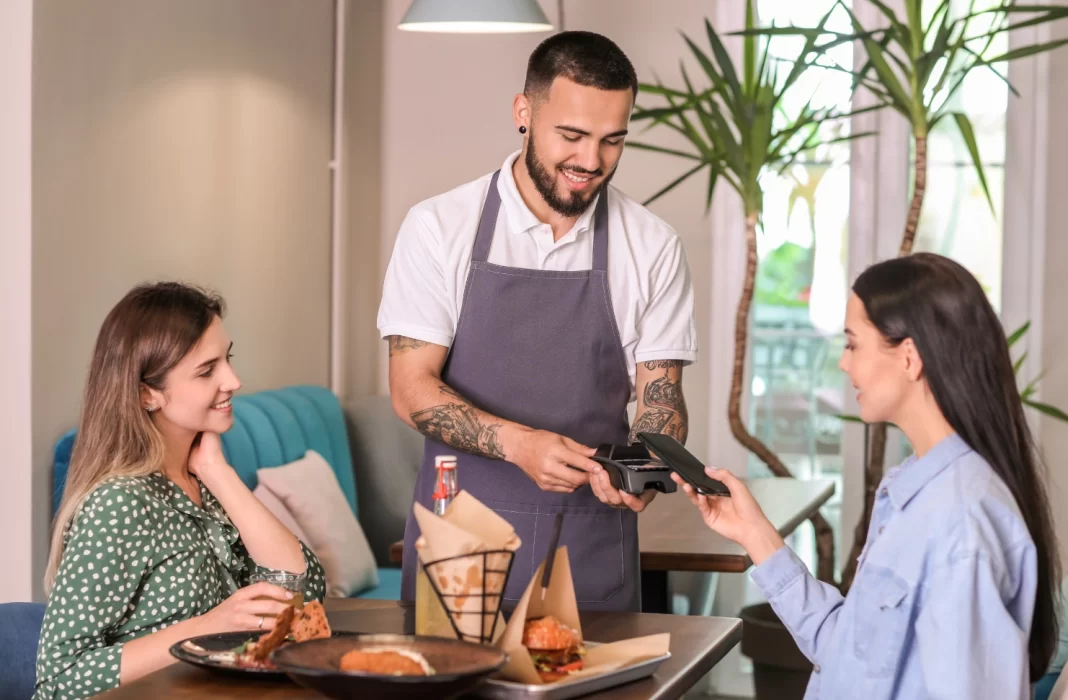

The pace of a restaurant often comes down to one detail: how quickly and smoothly the bill is handled. Long wait times at the counter or errors in the billing process frustrate customers and can overshadow even the best food.
For restaurant owners, every second spent fixing a manual billing process or chasing timely payments is time lost that could be spent focusing on the dining experience. This is why billing software has become central to restaurant operations.
In fact, the global restaurant billing software market was valued at about USD 2.21 billion in 2024 and is expected to more than double to USD 5.53 billion by 2033.
That growth reflects how restaurants worldwide now see billing systems as more than a back-end tool. They are directly linked to customer experience, service speed, and even loyalty programs that encourage repeat business.
This article examines the role of restaurant billing software in customer experience. From reducing wait times to offering multiple payment methods and integrating with other systems like inventory management, modern billing tools are driving both operational efficiency and excellent customer service. Let’s see how!
How Does Restaurant Billing Software Improve the Customer Experience?
For customers, the dining experience extends far beyond the meal itself. The way a restaurant handles the billing process often shapes the final impression.
Restaurant billing software gives operators the tools to simplify billing transactions, shorten wait times, and provide more flexible payment options. All of these factors directly improve customer experience.
A reliable billing system eliminates the friction that comes with manual billing processes. Instead of staff juggling receipts or entering numbers twice, the software automates calculations, applies discounts, and processes payments with accuracy.
This not only reduces errors but also frees staff to focus on delivering excellent customer service rather than chasing down paperwork.
The ability to offer multiple payment methods is another advantage. Whether a guest prefers a credit card, mobile payment, or newer options like Apple Pay, the right billing software ensures a seamless payment process. Restaurants that adapt to customer preferences in this way are more likely to see loyalty build over time.
Beyond speed and convenience, billing software plays a quiet role in personalizing service. By connecting with customer data and analyzing past orders and payment habits, restaurants can tailor offers or loyalty programs to actual preferences. This small but important use of customer relationship management tools gives guests a sense of being recognized and valued.
The result is a smoother dining experience, faster service, and a stronger connection between efficiency and satisfaction.
For restaurant owners aiming to encourage repeat business, the billing system has become as important as the kitchen or the front of house.
What Role Does a Restaurant Billing System Play in Service Speed?
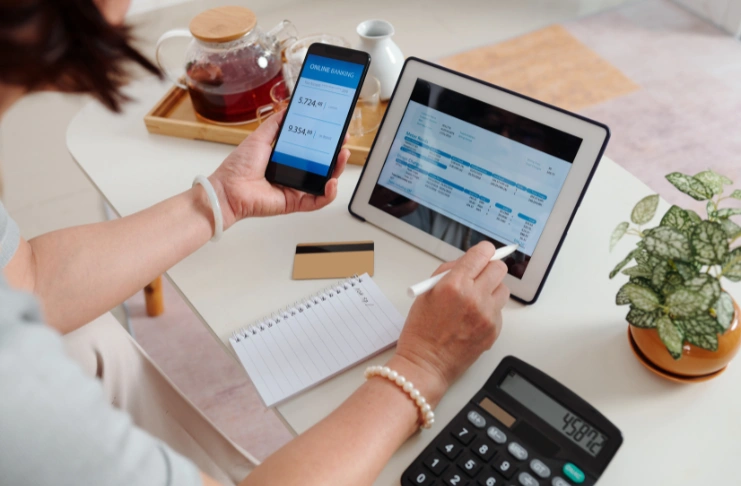
Service speed is often the difference between a satisfied guest and one who does not return. A restaurant billing system helps reduce wait times by automating the billing process and streamlining the payment process.
With billing software, staff can complete billing transactions in seconds, issue digital receipts, and handle multiple payment options with ease. This reduces errors and ensures a smooth dining experience.
Integration capabilities also matter. A billing system linked to inventory management and other systems prevents mistakes and avoids manual data entry.
For restaurant owners, using a POS system or a restaurant’s POS system means payments are processed faster, tables turn quicker, and operations stay efficient.
The outcome is simple: faster service, fewer bottlenecks, and better customer satisfaction.
Why Do Payment Methods Matter for Customer Satisfaction?
Modern restaurant billing software supports a diverse range of payment options, including traditional cards, mobile payment solutions, and contactless payments. When customers can pay their preferred way without complications, their dining experience improves significantly.
Restaurant management benefits too. Processing payments through various channels becomes seamless when the billing system handles everything automatically. Staff can focus on personalized service instead of troubleshooting payment issues.
The right billing software adapts to customer preferences while streamlining operations for staff.
INDUSTRY INSIGHT
| Research indicates that 60% of consumers prefer restaurants that offer contactless billing options. This preference underscores the significant impact that payment methods have on customer satisfaction and repeat business. |
How Does Integration with POS Systems Enhance Operations?

Point of sale integration transforms how restaurants manage billing and inventory tracking. When POS systems connect seamlessly with billing software, orders flow directly into the payment process without manual intervention.
This integration enables real-time inventory tracking, preventing situations where customers order items that are unavailable. Staff can offer alternatives immediately, maintaining service quality and customer satisfaction.
Restaurant business operations become more efficient when systems work together. Financial transactions are processed automatically, reducing errors and improving accuracy in billing customers.
For successful restaurant operations, integrated systems eliminate bottlenecks and create smoother workflows.
What Data Analytics Capabilities Drive Better Service?
Modern billing software captures valuable insights about customer behavior and sales performance. Restaurant owners can analyze customer data to understand dining patterns, popular items, and peak service times.
These data-driven decisions help optimize menu offerings and staff scheduling. When restaurant management knows busy periods in advance, they can ensure adequate staffing and reduce wait times.
Sales trends revealed through reporting tools guide inventory management and pricing strategies. Restaurants can adjust their approach based on actual performance data rather than guesswork.
The ability to analyze customer data enhances operational efficiency and enables the creation of personalized service experiences.
How Do Loyalty Programs Boost Repeat Business?

Integrated loyalty programs make it easy for customers to earn and redeem rewards through normal billing transactions. When the restaurant’s billing process automatically tracks points and rewards, participation becomes effortless.
Studies show that 69% of customers are more likely to revisit a restaurant that utilizes digital ordering. Loyalty programs significantly contribute to this growth by making rewards both convenient and valuable.
Customer relationship management features help restaurants track loyal patrons and offer personalized service. Staff can recognize returning customers and provide tailored recommendations based on dining history.
This approach to enhancing customer experience builds long-term relationships that drive restaurant business growth.
What Cost Savings Can Restaurant Owners Expect?
Restaurant billing software delivers cost savings through improved operational efficiency. Eliminating manual billing processes reduces labor costs and minimizes errors that require expensive corrections.
Automated inventory management prevents food waste by providing accurate tracking and alerts for low stock. This capability helps restaurants avoid costly stockouts and overordering.
Ensuring timely payments improves cash flow and reduces collection expenses. When billing software processes payments efficiently, restaurants receive money faster and avoid delayed payment issues.
Investing in quality billing software typically pays for itself through operational improvements and cost reductions.
How Does Mobile Payment Integration Meet Modern Expectations?
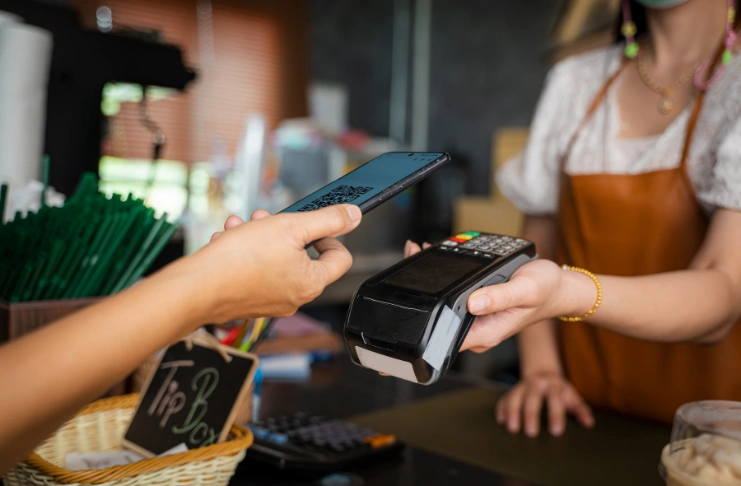
Mobile payment options have become essential for customer satisfaction. Whether customers prefer Apple Pay, digital wallets, or other mobile payment solutions, restaurants must accommodate these preferences.
The convenience factor cannot be overstated. Quick, secure mobile transactions reduce wait times and create positive final impressions. When mobile payment options work seamlessly, customers are left satisfied and are more likely to return.
Restaurant billing software that supports comprehensive mobile payment options positions establishments to meet evolving customer expectations while maintaining operational efficiency.
What Security Features Protect Financial Transactions?
Security in billing software protects both customer data and restaurant business interests. End-to-end encryption ensures that financial transactions remain secure throughout the payment process.
Compliance with industry standards builds customer trust and reduces legal liability. When customers feel confident about payment security, they focus on enjoying their dining experience rather than worrying about data protection.
Regular security updates protect against emerging threats. Quality billing software automatically maintains current security protocols, ensuring ongoing protection for all financial transactions.
How Do Reporting Tools Support Informed Decisions?

Real-time reporting provides immediate visibility into a restaurant’s performance. Management can monitor sales trends, track popular items, and identify opportunities for improvement.
Reporting tools reveal patterns in customer behavior and payment methods. This information helps restaurants optimize their service approach and payment collection strategies.
Sales performance data supports strategic planning for menu development, pricing, and operational efficiency improvements.
What Role Does Accounting Software Integration Play?
Accounting software integration streamlines financial management by connecting billing data with bookkeeping systems.
It helps restaurant owners monitor cash flow and manage payments more effectively. The integration provides clear visibility into revenue streams and operational costs.
For restaurant business management, this integration streamlines tax preparation and financial reporting, ensuring accuracy in all financial transactions.
How Can Restaurants Manage Recurring Billing Effectively?
Recurring billing capabilities support subscription services, corporate accounts, and regular customer arrangements. Restaurant billing software can automate these payments, ensuring consistent revenue streams.
This feature is particularly helpful for restaurants with catering services or corporate clients that require regular billing cycles. Automated recurring billing reduces administrative work and ensures timely payments.
The ability to manage payments through various cycles supports business growth and customer convenience simultaneously.
What Inventory Management Benefits Support Customer Service?

Real-time restaurant inventory monitoring prevents disappointing customers by ensuring menu items are always available. When billing software integrates with inventory management, stock levels are updated automatically with each order.
This integration helps staff provide accurate information about menu availability and suggest alternatives when needed. Customers appreciate honest, upfront communication about what’s available.
Inventory tracking also supports cost control by preventing overordering and reducing waste. These operational improvements contribute to overall restaurant business profitability.
How Does Streamlining Operations Impact the Dining Experience?
Streamlining operations through integrated billing software creates a seamless dining experience for customers. When systems work together efficiently, service flows smoothly from order to payment.
Staff can focus on personalized service instead of managing multiple systems or resolving technical issues. This attention to customer needs improves satisfaction and builds loyalty.
Operational efficiency translates directly into better service quality and reduced wait times, creating positive experiences that encourage repeat business.
What Makes a Successful Restaurant Billing Implementation?

Successful restaurant billing software implementation requires choosing systems that integrate well with existing operations. The software should support current workflows while adding new capabilities.
Staff training ensures that team members can use the system effectively and provide excellent customer service. When employees understand the tools, they can maximize the benefits for both operations and customer experience.
Regular evaluation of system performance helps identify areas for improvement and ensures that the billing software continues to meet the needs of restaurants and their customers.
Conclusion
Restaurant billing software has evolved from a simple payment tool into a system that shapes customer experience. The right billing system reduces wait times, supports multiple payment methods, and provides valuable insights for business improvement.
Success requires choosing billing software that integrates seamlessly with existing restaurant operations. Investing in quality billing technology yields returns through enhanced customer satisfaction, increased operational efficiency, and sustained growth in repeat business.
Frequently Asked Questions
1. What is the name of the billing software for restaurants?
Popular restaurant billing software includes Restroworks, Toast, Square, Resy, and many others. Choose based on your specific needs, integration requirements, and budget.
2. What is CRM billing software?
CRM billing software integrates customer relationship management with billing functionality, allowing restaurants to track customer preferences and deliver personalized service experiences.
3. What type of software do restaurants use?
Restaurants typically use POS systems, billing software, inventory management tools, and accounting software, often integrated into comprehensive restaurant management platforms.
4. Which software is best for restaurants?
The best choice depends on restaurant size, service type, and specific operational needs. Look for systems offering seamless integration, comprehensive reporting tools, and support for multiple payment methods.


