



Your restaurant customer lifetime value determines whether you’ll thrive or barely survive. Most restaurant owners focus on daily sales, but the real money comes from understanding how much revenue each customer brings over their entire relationship with your business.
What Is Restaurant Customer Lifetime Value?
Restaurant customer lifetime value represents the total amount of money a customer will spend at your establishment throughout their dining relationship with you. This metric goes beyond single transactions to reveal the true worth of your customer base.
Think about your regulars. That couple who comes in every Friday night or the office worker who grabs lunch twice a week. Their customer lifetime is what makes your restaurant profitable long-term.
Why Does Customer Lifetime Value Matter for Restaurants?
Customer lifetime value has a direct influence on overall profitability. When you know which customers drive the most revenue, you make informed decisions and allocate your marketing efforts and resources more effectively.
The restaurant industry faces unique challenges with customer retention. Unlike other businesses, you compete with countless dining options, changing preferences, and the constant need to deliver exceptional service every single time.
What Is the Customer Lifetime Value Formula?

The basic customer lifetime value formula is straightforward:
Customer Lifetime Value = Average Order Value × Purchase Frequency × Customer Lifespan
Let’s break this down with a real example. If your average customer spends $35 per visit, dines with you twice monthly, and remains loyal for three years, their lifetime value equals $2,520.
This calculated customer lifetime approach gives you concrete numbers to work with. You’ll know exactly how much each customer segment is worth to your business.
How to Calculate Customer Lifetime Value Step by Step?
Start by gathering data from your restaurant POS system. Look at customer purchase patterns over the past 12 months to identify trends and calculate customer lifetime accurately.
Determine your average order value by dividing total revenue by the number of transactions. This shows you how much customers typically spend during each visit to your restaurant.
Next, calculate purchase frequency by tracking how often customers visit within specific timeframes. Some customers might dine weekly, others monthly, and some only on special occasions.
How Long Do Restaurant Customers Typically Stay Loyal?
Customer lifespan measures how long customers continue patronizing your restaurant before they stop coming. This metric varies significantly across different customer segments and dining categories.
Fast-casual restaurants typically see shorter customer lifespans but higher visit frequencies. Fine dining establishments often have longer relationships but fewer visits per customer throughout the year.
Track your customers’ first visit dates and monitor their activity to understand typical lifespan patterns. This data helps you predict future revenue more accurately.
INDUSTRY INSIGHT
| Here’s the kicker: Acquiring new customers costs5-7 times more than retaining existing ones. Even more striking, existing customers spend an average of67% more per order than first-timers, though the numbers vary by restaurant type: – Fast casual: $83.20 acquisition costs for $16-$25 average spend – Fast food: $27.04 acquisition costs for $15 average spend – Casual dining: $124.68 acquisition costs for $26-$50 average spend – Fine dining: $179.82 acquisition costs for $50+ average spend |
How Does Customer Lifetime Value Vary by Segment?
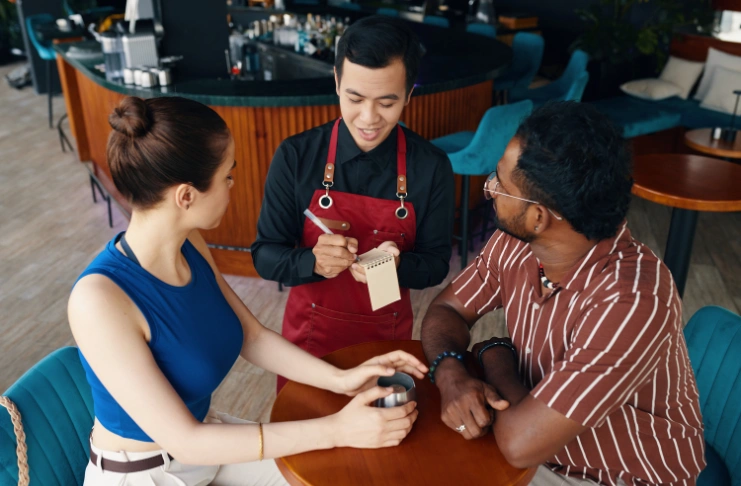
Not all customers are created equal. Your guest lifetime value varies dramatically between customer segments, and understanding these differences drives better business decisions.
High-frequency diners like daily coffee customers have different value profiles than special occasion diners. Business lunch customers behave differently from weekend family groups.
Segment your customer base by dining patterns, average purchase value, and visit frequency. This segmentation reveals which groups deserve more attention and marketing spend.
Why Is Customer Retention Critical to Lifetime Value?
Customer retention directly impacts your restaurant’s profitability. The hospitality sector averages only 55% customer retention, well below the global average of 75.5% across all industries.
Approximately 70% of first-time restaurant diners never return. This statistic should alarm every restaurant owner because it represents massive lost revenue potential.
Focus on converting first-time visitors into regular customers. A 5% increase in customer retention can boost profits by 25% to 95%, according to Bain & Company research.
How Do Strong Customer Relationships Increase Lifetime Value?
Customer relationships form the foundation of higher lifetime value. Every interaction shapes whether customers return or find alternatives for their dining needs.
Your staff training directly impacts customer relationships. When servers remember preferences and provide exceptional service, customers feel valued and appreciated.
Regular contact with your existing customers through newsletters, social media updates, or personalized offers will help keep your restaurant top-of-mind.
How Do Loyalty Programs Impact Customer Lifetime Value?

Loyalty programs significantly impact customer lifetime value by encouraging repeat business and increasing average order value. About 75% of consumers favor brands with loyalty rewards.
57% of restaurants have implemented loyalty or rewards programs, making them standard practice rather than competitive advantages. The key lies in program design and execution.
Loyalty program members visit restaurants 20% more frequently and spend 20% more per visit compared to non-members. This translates directly into increased guest lifetime value.
How Can Technology Increase Customer Lifetime Value?
Modern CRM systems help track customer behavior, preferences, and purchase history. This data enables personalized marketing campaigns that resonate with specific customer segments.
Mobile apps create convenient ordering experiences while capturing valuable customer data. Restaurants with mobile-responsive loyalty programs see 60% increases in customer spending.
Technology also enables better cross-selling opportunities by suggesting complementary items based on viewing history and past purchases.
How Can Restaurants Increase Average Order Value?
Higher average order values directly boost customer lifetime value without requiring additional visits. Train your staff to suggest appetizers, desserts, or premium menu items naturally.
Menu engineering influences customer spending patterns. Strategic placement of high-margin items and compelling descriptions can increase average purchase amounts significantly.
Bundle offers and meal combinations encourage customers to spend more while providing perceived value for their money.
How Do You Encourage Customers to Visit More Often?

Purchase frequency improvements require consistent customer engagement beyond the dining experience itself. Stay connected through multiple touchpoints throughout the customer journey.
Social media platforms allow regular communication with your customer base. Share behind-the-scenes content, new menu items, and special promotions to encourage more frequent visits.
Email marketing campaigns announcing seasonal specials or exclusive offers can drive repeat business from existing customers who might otherwise dine elsewhere.
How Does Customer Experience Shape Lifetime Value?
Customer experience directly correlates with customer lifetime value. 89% of customers say excellent customer service influences their decision to return to restaurants.
Every touchpoint matters, from reservation systems to payment processing. Streamlined experiences encourage customers to return and recommend your restaurant to others.
Dining experience quality affects customer lifespan more than price in most cases. Customers will pay premium prices for consistently exceptional experiences.
How Can Data Help Identify High-Value Customers?
Data analysis reveals which customers generate the most lifetime value for your restaurant business. Focus marketing efforts on attracting and retaining similar customer profiles.
Track metrics beyond just total spend. Consider visit frequency, average order size, and customer lifespan when identifying your most valuable guests.
High-value customers often serve as brand ambassadors, bringing new customers through word-of-mouth recommendations and social media shares.
Why Is Retention Cheaper Than Acquisition?
Understanding the relationship between retention costs and acquisition costs helps optimize your marketing budget allocation. Retention typically costs significantly less than new customer acquisition.
Invest in customer retention strategies like personalized service, loyalty rewards, and follow-up communications. These investments typically yield higher returns than traditional advertising.
Compare your customer acquisition costs against customer lifetime value to ensure profitable customer relationships from day one.
How Do Long-Term Customer Relationships Improve Profitability?

Long-term relationships generate the highest customer lifetime value through sustained revenue streams and reduced marketing costs per customer.
Create memorable experiences that customers want to repeat and share with friends and family. Word-of-mouth marketing from loyal customers brings qualified prospects at zero acquisition cost.
Regular customers also provide valuable feedback for menu development and service improvements, helping your restaurant evolve with customer preferences.
How Should Restaurants Plan for Lifetime Value Growth?
Develop strategic plans that prioritize customer lifetime value growth over short-term revenue spikes. This approach creates sustainable business growth and improved profitability.
Set specific targets for customer retention rates, average order value increases, and purchase frequency improvements. Monitor progress monthly and adjust strategies accordingly.
Your entire team should understand how their actions impact customer lifetime value. From kitchen staff maintaining quality to servers providing exceptional service, everyone plays a role.
How Can Restaurants Increase Spend Per Visit?
Encourage customers to increase their per-visit spending through strategic menu positioning and staff recommendations. Higher average orders boost lifetime value without requiring additional visits.
Seasonal promotions and limited-time offers create urgency while increasing average purchase value. Customers often try new items when presented with compelling offers.
Wine and beverage pairings significantly increase average order value while enhancing the overall dining experience for customers.
What Is the Future of Restaurant Customer Relationships?
Customer relationship management continues evolving with new technology and changing customer expectations. Stay ahead of trends to maximize future revenue from your customer base.
Artificial intelligence and predictive analytics help restaurants anticipate customer needs and preferences. This technology enables more personalized experiences and targeted marketing campaigns.
Blending online and offline experiences is now a standard, as customers expect seamless interactions across all touchpoints with your brand.
How Should Restaurants Measure and Optimize Lifetime Value?
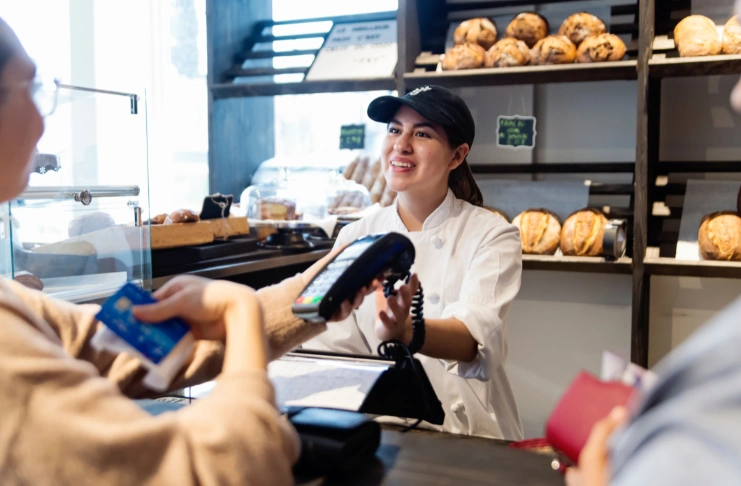
Regular measurement of customer lifetime value metrics ensures your strategies produce desired results. Track changes in average order value, purchase frequency, and customer lifespan monthly.
Compare performance across different customer segments to identify which groups respond best to specific retention strategies and loyalty program features.
Use these insights to continuously improve your strategy. Successful restaurants adapt their customer lifetime value strategies based on real performance data rather than assumptions.
Conclusion
Restaurant customer lifetime value provides the roadmap to sustainable profitability in an increasingly competitive market. Prioritize long-term customer relationships over one-time transactions.
The restaurants that thrive understand their customers’ true value and invest accordingly in retention strategies. Your success depends on maximizing the lifetime value of every customer who walks through your doors.
Frequently Asked Questions
1. What is the lifetime value of a restaurant customer?
The lifetime value of a restaurant customer is the total revenue they generate throughout their relationship with your business. This typically ranges from $500-5,000+, depending on restaurant type and customer loyalty levels.
Customer satisfaction directly impacts these numbers – satisfied customers visit more often and spend more per visit.
2. What is the 80 20 rule for customer lifetime value?
The 80/20 rule means 80% of your restaurant’s revenue comes from just 20% of your customers. This small group represents your most profitable section.
These loyal customers achieve a higher CLV than the average number of customers. Smart restaurants reward customers in this top segment with special programs.
3. What’s a good customer lifetime value?
A good customer lifetime value should be 3-5 times your customer acquisition cost. Most restaurants target $1,000-3,000 CLV.
Focus on customer satisfaction and customer loyalty to achieve a higher CLV over time.
4. What is the lifetime value of a Starbucks customer?
Starbucks customers have an estimated lifetime value of $25,272, driven by their extremely high visit frequency and strong brand loyalty.
The average number of Starbucks visits per customer reaches 4.2 times weekly. Their app effectively helps reward such customers.


