



Selecting the right restaurant POS system features is a critical decision that can significantly impact the success of your food and beverage business. Modern POS systems have evolved far beyond traditional cash registers, transforming into sophisticated restaurant management software that manages every aspect of daily operations. From seamless payment processing and mobile payments to comprehensive inventory tracking and labor management, today’s POS systems offer advanced tools that empower restaurant owners to operate more efficiently and profitably.
A high-quality restaurant POS system provides more than just transactional support. It collects and analyzes restaurant data, generating actionable insights through sales reports, customer profiles, and inventory trends. This information allows owners to make informed decisions about menu optimization, staffing, and targeted marketing campaigns, ultimately improving profitability and customer satisfaction.
Whether you operate quick service restaurants, full service establishments, or mobile food trucks, understanding essential POS system features is crucial for selecting the best POS software for your business model. A modern POS system serves as the central hub for operations, streamlining workflows, reducing labor costs, enhancing order accuracy, and enabling personalized customer interactions. Choosing the right POS solution ensures your restaurant is equipped for long-term growth, operational efficiency, and a superior dining experience.
Core Order Management Features

Modern restaurant POS system features streamline order processing, table management, and kitchen display integration, helping food and beverage businesses improve efficiency, reduce errors, accommodate custom orders, and deliver faster, more accurate service that enhances overall customer satisfaction.
Order Processing and Customization
Modern POS systems simplify complex order processing for food and beverage businesses. Features that make order handling effortless are:
- Easily modify menu items and handle special dietary requests
- Split orders across multiple payment methods seamlessly
- Integrate with kitchen display systems to reduce errors and improve efficiency
With these capabilities, a modern POS keeps both staff and customers satisfied with faster, accurate service.
Table Management and Seating
Effective table management sets restaurant POS software apart from standard retail POS systems. Key capabilities that improve dining operations include:
- Track seating status, server assignments, and order timing in real time
- Manage party sizes, special occasions, and estimated dining durations
- Handle split billing and table transfers seamlessly
These features help restaurant owners optimize table turnover while keeping customers happy and service efficient.
Kitchen Display System Integration
Modern POS systems with kitchen display integration transform restaurant workflow for faster, more accurate service. Key advantages that benefit kitchen operations include:
- Provide real-time order information and preparation timing for efficiency
- Automatically route menu items to the correct kitchen stations with color-coded indicators
- Notify front-of-house staff about inventory shortages to prevent overselling
Connecting your restaurant POS to kitchen displays ensures smooth operations, minimizes errors, and keeps customers satisfied during peak hours.
Payment Processing and Financial Management

Modern restaurant POS system features support for multiple payment methods, secure transactions, and versatile receipt management, enabling food and beverage businesses to process payments efficiently, protect customer data, enhance compliance, and deliver a seamless, professional dining experience.
Multiple Payment Method Support
Flexible payment options are a must-have for modern food and beverage businesses. Essential features that enhance payment processing include:
- Accept cash, credit cards, mobile wallets, and gift cards seamlessly
- Support popular mobile payment platforms like Apple Pay, Google Pay, and Samsung Pay
- Track gift card usage and integrate with customer relationship management for targeted marketing
Offering diverse payment methods through a modern POS system ensures faster checkouts and strengthens customer loyalty.
Transaction Security and Compliance
Security and compliance are critical components of any restaurant POS system. Key features that protect transactions and ensure accuracy include:
- Maintain PCI compliance and use end-to-end encryption for all payments
- Detect and prevent fraudulent transactions with built-in monitoring tools
- Automate tax calculations and reporting for accurate compliance
A modern POS system keeps both customer data and business operations secure while simplifying accounting and regulatory tasks.
Receipt and Documentation Management
Offering versatile receipt options enhances the customer experience and supports sustainable practices. Important receipt features in a modern POS system include:
- Provide printed, emailed, or text message receipts for customer convenience
- Customize receipts with promotions, loyalty program info, or social media links
- Ensure seamless integration with receipt printers and other compatible hardware
With these capabilities, a restaurant POS system delivers professional documentation while boosting marketing opportunities.
Inventory Management and Tracking
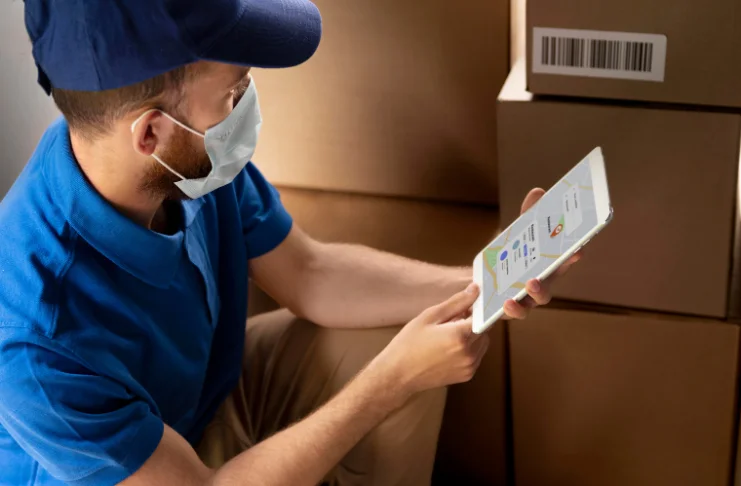
Restaurant POS system features streamline inventory management, food cost analysis, and supplier integration, helping food and beverage businesses track ingredients in real time, optimize purchasing, reduce waste, and make informed decisions that boost profitability and operational efficiency.
Real-Time Inventory Tracking
Accurate inventory management is essential for maximizing profits in food and beverage businesses. Key inventory features offered by a modern POS system include:
- Real-time inventory tracking with automatic updates for each sale
- Ingredient-level tracking for prepared menu items to ensure precise food costing
- Integration with vendor ordering systems to automate restocking and alerts
Implementing these features in a restaurant POS system helps reduce waste, avoid stockouts, and maintain efficient operations.
Food Cost Management and Analysis
Controlling food costs is a key factor in boosting restaurant profitability. Essential features in a restaurant POS system for cost management include:
- Track ingredient costs and calculate actual food costs for each menu item
- Analyze sales data to identify high-profit and low-performing menu items
- Monitor food waste patterns to optimize purchasing and storage procedures
Using these tools, a modern POS system helps restaurant owners maximize profits while supporting sustainable operations.
Supplier and Vendor Integration
Integrating supplier management with a modern POS system streamlines procurement and improves operational efficiency. Key features for vendor and ordering management include:
- Automatically update ingredient costs and menu pricing with real-time supplier data
- Use electronic invoicing to verify deliveries and update inventory accurately
- Track vendor performance with historical data on delivery times, order accuracy, and pricing
With these capabilities, a restaurant POS system helps owners make informed purchasing decisions while optimizing supplier relationships.
Customer Data and Relationship Management

POS systems enhance customer information collection, loyalty program management, and marketing communication, enabling food and beverage businesses to build stronger relationships, drive repeat visits, and implement targeted campaigns that increase engagement, satisfaction, and revenue.
Customer Information Collection
Customer relationship management is a cornerstone of modern restaurant POS systems, helping increase loyalty and revenue. Key ways a POS system enhances customer interactions include:
- Collect detailed customer information through loyalty programs, online ordering, and payment processing
- Seamlessly gather contact data during transactions and automatically update customer databases
- Maintain strict privacy compliance and transparent data usage policies to build trust
With these features, a modern POS system turns customer data into actionable insights that drive repeat visits and stronger relationships.
Loyalty Program Management
Integrated loyalty programs help restaurants build stronger connections with repeat customers. Key ways a modern POS system supports loyalty management include:
- Track customer visits, purchases, and preferences for personalized rewards and marketing campaigns
- Automatically apply points in point-based programs and allow mobile access to balances and rewards
- Implement tiered loyalty programs that recognize frequent customers with enhanced benefits
By leveraging these loyalty features, a restaurant POS system encourages repeat visits and strengthens long-term customer relationships.
Marketing and Communication Tools
Targeted marketing becomes a strategic advantage when customer data is effectively leveraged through a modern POS system. Key marketing features include:
- Segment customers by dining frequency, spending patterns, and menu preferences for precise campaigns
- Integrate email marketing to send automated promotions, birthday offers, and event notifications
- Connect with social media platforms to post specials and menu updates automatically
Using these tools, a restaurant POS system drives higher engagement, stronger customer loyalty, and increased sales opportunities.
Reporting and Analytics

POS systems provide comprehensive sales reporting, labor cost management, and historical data analysis, helping food and beverage businesses track performance, optimize staffing, identify trends, and make informed decisions that improve profitability and operational efficiency.
Sales Data Analysis and Reporting
Comprehensive sales reporting empowers restaurant owners to make data-driven decisions and optimize operations. A recent survey found that 71% of restaurateurs actively use data from their POS systems to optimize menus, streamline payments, and enhance digital engagement. Key reporting features in a modern POS system include:
- Generate daily sales reports with transaction counts, average ticket sizes, and payment method breakdowns
- Analyze menu item performance to identify top sellers, low performers, and profit margins
- Track revenue trends over time to reveal seasonal patterns and support accurate forecasting
With these insights, a restaurant POS system helps owners enhance menu strategy, improve profitability, and respond proactively to customer demand.
Labor Cost Tracking and Management
Efficient labor management is essential for controlling restaurant expenses and maintaining high service standards. Key features of a modern POS system that support labor optimization are:
- Track employee hours, wages, and productivity metrics in real time for optimized staffing
- Enable time tracking and payroll integration to simplify administrative processes and ensure accuracy
- Monitor performance metrics like sales per hour, average transaction values, and customer satisfaction
With these capabilities, a restaurant POS system helps reduce labor costs while enhancing employee performance and overall operational efficiency.
Historical Data and Trend Analysis
Analyzing historical data gives restaurant owners a competitive edge by revealing actionable trends over time. Key ways a modern POS system leverages historical insights are:
- Identify seasonal patterns, peak service times, and popular menu items to improve planning
- Compare performance across weeks, months, and years for informed operational decisions
- Evaluate results against previous periods or industry benchmarks to guide strategic growth
Using these insights, a restaurant POS system helps optimize staffing, inventory, and menu strategies for long-term success.
Advanced Reporting and Forecasting

Harnessing predictive insights and accurate forecasting allows restaurants to anticipate demand, optimize staffing, and manage inventory efficiently. By leveraging sales trends, ingredient usage, and financial data, owners can make informed decisions that boost profitability and streamline operations.
Predictive Sales Insights
Forecasting future sales enables restaurants to plan proactively and respond efficiently to demand. Key predictive features are:
- Analyze historical sales trends to anticipate peak periods and high customer traffic patterns
- Identify top-selling menu items and the busiest high-demand time slots accurately
- Optimize staffing levels to match projected customer volume and minimize wait times effectively
Predictive insights allow restaurants to reduce downtime, improve service efficiency, and maximize revenue opportunities.
Inventory and Ingredient Planning
Accurate forecasting enhances cost control and minimizes food waste. Key planning capabilities are:
- Track ingredient usage trends to optimize purchasing decisions and prevent costly shortages
- Plan inventory levels based on historical patterns, seasonal demand, and special event fluctuations
- Identify slow-moving items to adjust orders and reduce spoilage and storage issues
Effective inventory planning ensures smooth operations, cost-efficient procurement, and reduced waste.
Financial and Operational Forecasting
Data-driven analysis supports smarter business and operational decisions. Key forecasting functions are:
- Generate detailed financial reports to monitor profitability and overall revenue trends over time
- Forecast labor and inventory costs for improved budgeting and precise resource allocation
- Compare performance across periods to support long-term strategic business planning effectively
Operational forecasting empowers restaurant owners to make informed, growth-focused decisions with confidence.
Technology Integration and Compatibility

Cloud-based restaurant POS system features enhance flexibility, integration, and hardware compatibility, enabling food and beverage businesses to manage operations remotely, streamline third-party connections, scale efficiently, and support mobile solutions while maintaining accuracy and operational control.
Cloud Based POS Systems Benefits
Cloud-based POS systems provide restaurants with flexibility, security, and growth potential that traditional systems cannot match. Key advantages of cloud-based solutions are:
- Access restaurant operations remotely from anywhere with a reliable internet connection
- Ensure automatic data backup and recovery to protect critical restaurant information
- Scale easily by adding new locations with centralized reporting and standardized operations
A recent study found that the restaurant segment of the cloud POS market generated USD 1.84 billion in revenue in 2024 and is projected to reach nearly USD 4.86 billion by 2030, growing at a CAGR of about 18%
Leveraging a cloud-based restaurant POS system helps owners stay in control, safeguard data, and streamline multi-location management efficiently.
Third Party Integrations and Software Compatibility
Seamless third-party integrations make modern restaurant operations more efficient and accurate. Key ways a modern POS system enhances connectivity are:
- Connect with accounting, payroll, and marketing platforms to reduce duplicate data entry and maintain consistency
- Integrate with online ordering platforms to manage deliveries, inventory, and menu accuracy
- Sync sales and financial data automatically with popular accounting software like QuickBooks for streamlined bookkeeping
With these integrations, a restaurant POS system simplifies operations, improves accuracy, and supports a consistent customer experience across all channels.
INDUSTRY INSIGHT
| According to a study, 38% of restaurants already use integrated POS systems that equally support both in-store and online orders. This trend reflects the growing importance of omnichannel dining, where customers expect a consistent experience whether they place an order at the counter, through a mobile app, or on a delivery platform. Beyond traditional accounting and payroll integrations, modern POS systems now serve as a bridge between in-store and online ordering channels. |
Hardware Compatibility and Mobile Solutions
Ensuring hardware and device compatibility makes a restaurant POS system versatile and future-ready. Key ways modern pos systems enhance operational flexibility are:
- Support various receipt printers, cash drawers, and other hardware to reduce implementation costs
- Enable iPad POS solutions for tableside ordering, quick payments, and intuitive staff training
- Extend mobile device compatibility to smartphones for inventory management and remote reporting
With these features, a modern POS system keeps operations seamless, reduces errors, and allows restaurant owners to stay connected anytime, anywhere.
Modern POS System Features for Different Restaurant Types

Restaurant POS system features tailored for quick service, full service, and mobile food operations enhance speed, accuracy, and efficiency, enabling food and beverage businesses to streamline orders, manage tables, support drive-thrus, and operate reliably in diverse service environments.
Quick Service Restaurant Solutions
Quick service restaurants require POS systems designed for speed, accuracy, and efficiency. Key features that support fast-paced operations are:
- Process orders quickly and handle payments accurately to minimize customer wait times
- Integrate seamlessly with drive-thru systems for smooth order flow and kitchen coordination
- Simplify menu management with preset buttons, visual layouts, and customization options
Using these features, a modern POS system helps quick service restaurants maintain fast service, reduce errors, and keep customers satisfied.
Full Service Restaurant Requirements
Full service restaurants demand advanced POS features to support personalized dining experiences and complex operations. Key capabilities that enhance full service operations are:
- Provide detailed table mapping, server assignments, and order modifications for efficient service
- Manage wine, cocktails, and beverage menus while tracking inventory and preventing overselling
- Handle guest check management, course timing, and special dietary accommodations seamlessly
With these features, a modern POS system ensures smooth service, accurate order handling, and a superior dining experience for guests.
Food Truck and Mobile Restaurant Needs
Food trucks need mobile POS solutions that combine reliability, portability, and space efficiency. Key features that support food truck operations are:
- Operate in offline mode to handle sales when internet connectivity is limited and sync data later
- Provide rugged hardware with long battery life for consistent performance in outdoor conditions
- Offer compact, tablet-based systems with integrated mobile payment processing to save space
With these capabilities, a modern POS system helps food trucks deliver fast, accurate service while staying fully operational on the go.
Offline Mode Capabilities

Ensuring uninterrupted restaurant operations requires POS systems that function reliably without internet access. Offline mode, automatic data syncing, and mobile support enable seamless sales, accurate reporting, and efficient service for on-site, offsite, and temporary restaurant setups
Seamless Sales Without Internet
Maintaining operations during connectivity disruptions is essential for uninterrupted restaurant service. Key benefits of offline mode are:
- Continue processing orders and payments seamlessly without internet access to ensure reliable daily service
- Prevent lost revenue and customer frustration during temporary connectivity outages or technical issues
- Support mobile and outdoor operations, including food trucks, pop-ups, and temporary event setups
Offline mode ensures restaurants remain fully operational in any environment, keeping staff efficient and customers satisfied.
Automatic Data Syncing
Offline transactions need to synchronize seamlessly once connectivity is restored. Key syncing features are:
- Automatically update sales, inventory, and customer records immediately after internet restoration to maintain accuracy
- Reduce manual reconciliation efforts and minimize errors caused by offline sales processing
- Ensure accounting and reporting data remain consistent and accurate across multiple restaurant locations
This feature guarantees reliable and consistent data management without disrupting daily restaurant workflows.
Support for Mobile Operations
Restaurants with mobile or temporary setups require robust POS mobility. Key advantages are:
- Reliable functionality on tablets and smartphones for seamless operation during offsite events
- Efficient handling of orders and payments even in outdoor or high-traffic conditions
- Lightweight, portable hardware and compact interfaces that save space and simplify setup
Mobile support ensures smooth, efficient operations regardless of location or connectivity challenges.
Advanced Features and Future-Ready Capabilities

Restaurant POS system features leverage artificial intelligence, customer experience enhancements, and emerging technologies to improve efficiency, streamline operations, predict sales trends, personalize service, enable touchless interactions, and boost overall profitability in food and beverage businesses.
Artificial Intelligence and Predictive Analytics
Artificial intelligence in modern POS systems provides predictive insights that improve efficiency and profitability. Key AI-driven features are:
- Analyze historical data to forecast sales trends, staffing needs, and inventory requirements proactively
- Optimize menus by evaluating ordering patterns, profit margins, and seasonal customer preferences
- Use predictive inventory management to minimize food waste and prevent stockouts accurately
By leveraging AI capabilities, a restaurant POS system helps owners make smarter decisions, reduce waste, and maximize both efficiency and profits.
Customer Experience Enhancement Features
Enhancing the customer experience is a key focus of modern POS systems, combining convenience, personalization, and real-time feedback. Important features that elevate guest satisfaction are:
- Offer self-service kiosks to reduce wait times, provide menu browsing, and support upselling
- Personalize experiences using customer data to suggest favorites and accommodate dietary preferences
- Collect real-time feedback through surveys or integrated tablets for immediate service improvements
With these capabilities, a modern POS system helps restaurants deliver memorable experiences that boost loyalty and repeat visits.
Integration with Emerging Technologies
Touchless and emerging technologies are transforming the way modern restaurants interact with customers and manage operations. Key innovative POS system features are:
- Support QR code menus, mobile ordering, and contactless payments for safer and faster transactions
- Enable voice ordering to speed up service and improve accessibility for all customers
- Integrate blockchain for supply chain tracking to enhance transparency and respond to food safety concerns
Adopting these advanced technologies allows restaurants to stay competitive, improve customer experiences, and maintain operational excellence.
Implementation and Selection Considerations

Selecting, implementing, and maintaining a restaurant POS system is crucial for efficiency, growth, and operational reliability. Key considerations include choosing the right system, training staff effectively, and ensuring ongoing updates, security, and performance monitoring.
Choosing the Right POS System for Your Restaurant
Choosing the right POS system is critical for meeting your restaurant’s current needs and supporting future growth. Key considerations for selecting a modern pos system are:
- Evaluate restaurant size, service style, menu complexity, and scalability for expansion
- Assess the total cost of ownership, including hardware, monthly fees, and transaction charges for long-term value
- Consider vendor support, training programs, and ongoing technical assistance to ensure smooth implementation
By focusing on these factors, restaurant owners can select a POS system that enhances efficiency, supports growth, and provides reliable long-term performance.
Training and Staff Adoption Strategies
Effective staff training and change management are essential for successful POS system adoption. Key strategies for smooth implementation are:
- Provide initial and ongoing training to ensure staff fully utilize intuitive POS system features
- Develop standardized procedures for order processing, payment handling, and troubleshooting to maintain consistency
- Involve key team members in selection and gather feedback to encourage buy-in and enthusiastic adoption
With these approaches, a modern POS system can be integrated seamlessly, boosting operational efficiency and staff confidence.
Ongoing Maintenance and System Updates
Ongoing maintenance and monitoring keep a restaurant’s POS system secure, reliable, and efficient. Key practices for system upkeep are:
- Receive automatic updates and security patches from POS providers to maintain functionality and protection
- Implement regular data backup and recovery procedures to safeguard restaurant information against failures or breaches
- Monitor system performance, including transaction speeds, error rates, and response times, to prevent operational issues.
Maintaining these practices ensures a modern POS system operates smoothly, keeps data secure, and delivers consistent service quality.
Conclusion
Investing in the right restaurant POS system features lays the foundation for smooth operations, enhanced customer experiences, and long-term growth. Modern POS systems go far beyond basic payment processing, offering advanced tools for inventory management, table management, labor tracking, customer relationship management, and detailed sales reporting. By integrating these features, restaurant owners can streamline daily operations, reduce errors, and make informed business decisions based on accurate pos data.
Choosing the best POS system depends on your restaurant’s unique operational needs, including service style, menu complexity, and staffing requirements. Cloud-based POS systems, mobile pos solutions, and hardware compatibility all play a crucial role in ensuring flexibility and scalability as your business grows. Features such as mobile payments, online ordering integration, loyalty programs, and AI-driven analytics empower restaurants to enhance customer satisfaction while boosting revenue.
It is essential to evaluate POS providers carefully, considering not only the features offered but also vendor support, training programs, and long-term costs, including monthly fees and transaction charges. A well-implemented POS system acts as a central hub for your restaurant, helping you manage inventory, track sales trends, optimize staffing, and deliver exceptional customer service. With the right system, your restaurant is equipped to operate efficiently, increase profitability, and build lasting customer loyalty.
Frequently Asked Questions
1. What are POS features?
POS features streamline order processing, payment handling, inventory tracking, customer management, reporting, and staff coordination to make restaurant operations efficient.
2. What POS system is used in restaurants?
Restaurants commonly use systems like Restroworks, Square POS, Toast POS, Clover POS, and Lightspeed POS to manage sales, orders, and operations seamlessly.
3. What are the six functions of POS?
The six main functions of a POS system are sales processing, inventory management, customer data collection, reporting, employee management, and payment processing.
4. What are the four types of POS systems?
The four main types of POS systems are cloud-based, mobile, traditional on-premise, and self-service kiosk solutions.


