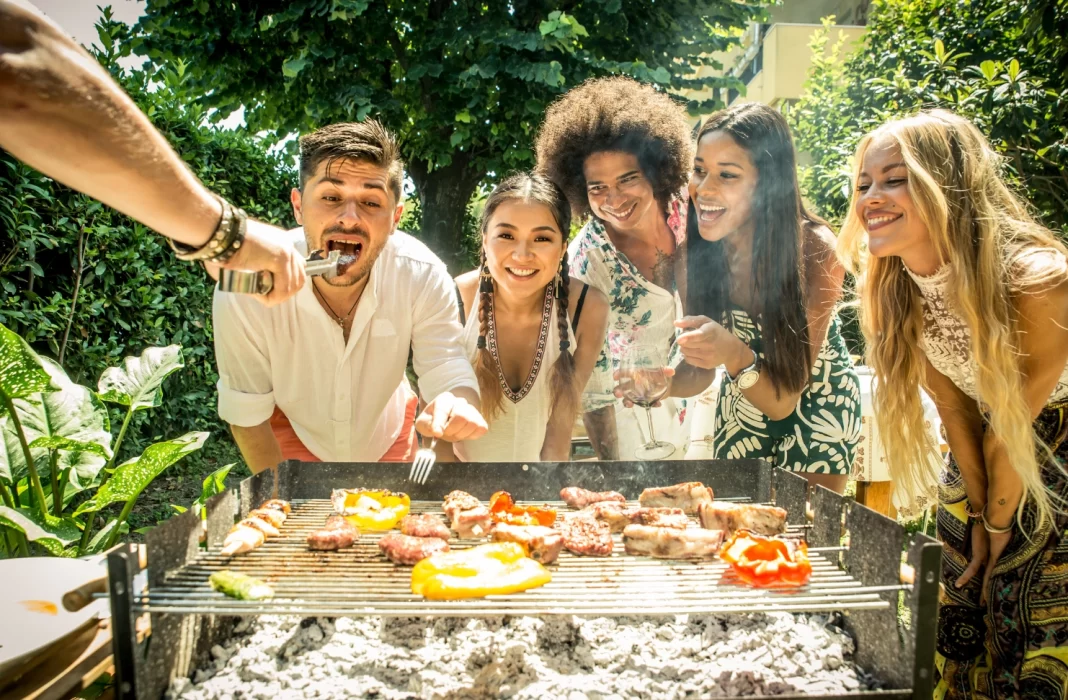

Barbeque Nation’s approach to influencer marketing is often regarded as a benchmark in India’s restaurant industry.
The brand seeks influencers, food bloggers, and food festivals (such as the Punjabi food festival “Jatt Set Go” or Barbeque Nation’s Kukkad Carnival), as well as clever social media campaigns to amplify its engagement and visibility.
But what can marketers and restaurateurs learn from this? In this article, we’ll dissect how Barbeque Nation invests in social media marketing and offline promotions to make its campaigns a huge success, and what’s in it for you.
Why is Barbeque Nation Influencer Marketing So Acclaimed?
According to a report, the Indian influencer market is expected to surpass $405 million by 2026. For a brand with an extensive physical presence (over 150 outlets across India), such as Barbeque Nation’s, leveraging its physical scale to fuel digital storytelling bridges the gap between awareness and foot traffic.
What makes it work? Barbeque Nation influencer marketing thrives on creativity, reach, and real-time engagement. The brand collaborates with food bloggers, micro influencers, and food influencers to showcase live grill experiences, buffet spreads, and new dishes.
These campaigns bring “eating” to life, allowing audiences to see, taste, and experience the flavors before they even visit the restaurant.
Some key elements that make this approach even effective are:
- Experience-first strategy: Influencers capture authentic reactions during dining and grilling sessions, providing audiences with a genuine sense of the brand.
- Hyperlocal reach: Regional creators boost brand visibility and drive foot traffic in Tier 2 and Tier 3 cities.
- Emotional triggers: Family outings, celebrations, and food challenges spark engagement, encouraging customers to participate and share their experiences.
- UGC loops: Diners mimic influencer content to create organic virality, amplifying Barbeque Nation’s digital marketing impact.
Promotional videos, interactive posts on social media channels, and on-site promotions reinforce the message. Instagram and Facebook amplify reach, while authentic storytelling encourages comments, shares, and engagement from both patrons and potential consumers.
How Has Barbeque Nation Structured Its Influencer Campaigns?
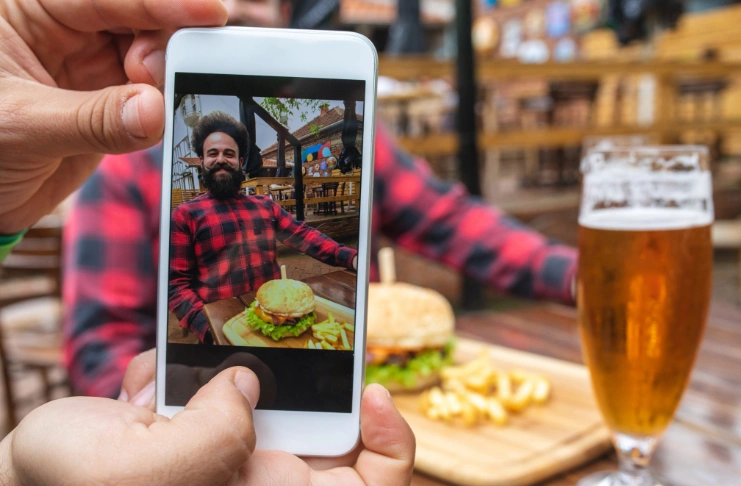
Here’s how Barbeque Nation has structured its influencer marketing idea into a successful campaign that drives its brand presence, sales, and followers:
- Mascot and Storytelling: Barbeque Nation brought in Gurpreet Singh Tikku (also known as Mister Tikku) as Makkhan Singh during the Punjabi Food Festival. His appearances, surprise visits, and playful interactions added narrative layers to the overall concept.
- Food Festival Tie-ins: Events like the Punjabi Food Festival, Kukkad Carnival, and other themed regional food festivals let Barbeque Nation showcase its upcoming projects, signature dishes, buffet spreads, and more engaging entertainment ideas to its audience. Each festival drives measurable footfall and reinforces the brand in regional markets.
- Multi-channel Amplification: Each campaign uses social media channels, offline promotions, and interactive contests to improve brand visibility. Posting promotional videos, reels, and high-quality pictures on online platforms that highlight grilling, taste, and overall dining experience enhances Barbeque Nation’s both online and offline brand presence.
- Consumer Engagement: Formats such as “Ask Makkhan,” table mat contests, and surprise mascot visits actively involve patrons and potential consumers. This approach converts influencer buzz into real-world action.
- Micro and Macro Influencer Mix: While Mister Tikku led the narrative, Barbeque Nation also collaborated with regional food bloggers and micro influencers to create hyperlocal reach, increasing participation in smaller cities while maintaining national awareness.
Result? Recent campaigns, such as the Food Fest Delight campaign, illustrate the strategy’s impact. Seven regional food influencers shared videos and stories on Instagram, highlighting local specialties.
The initiative reached 837,000 viewers, including 606,000 reel plays and 118,000 story views, with a 1.3% engagement rate.
INDUSTRY INSIGHT
| According to the EY Future Consumer Index, 84% of Indian consumers have purchased products or visited a place based on influencer recommendations. Barbeque Nation’s campaigns underscore a broader truth: influencer-led marketing is most effective when it combines authentic storytelling with measurable reach. By tying influencers to food festivals, amplifying content across channels, and engaging customers directly, the brand translates online buzz into real-world foot traffic and sales. |
What Can Restaurants Learn From Barbeque Nation’s Approach?

If you’re planning your own influencer marketing campaign for a restaurant or food brand, here’s what to focus on:
- Align with real experiences: Don’t just post food pictures. Anchor your influencer activity to a live grill, themed festival, or exclusive tasting. That gives influencers something to narrate, and customers something to feel part of.
- Choose the right influencers: Balance recognizable food bloggers with micro influencers who have high local traction.
- Campaign structure matters: Use a mix of promotional videos, behind-the-scenes reels, stories, and user-generated content to increase engagement.
- Embed interactive triggers: Q&A sessions, surprise visits, contests (share your best table setup, tagging, etc.), turn passive viewers into contributors.
- Leverage offline promotions: Use the physical footprint of restaurants. For example, during festivals, display signage, invite influencers to visit outlets, and engage with patrons on-site to bridge the offline and online experiences.
- Measure & iterate: Track impressions, engagement, footfall lift, sales uplift, and participation rates to gauge your campaign success, then use that data to fine-tune future efforts.
What Common Pitfalls Should Brands Watch Out For?
Even Barbeque Nation has faced headwinds. For the record, its buffet model in casual dining was under pressure in 2021. Their stock fell over 80% from its peak, highlighting that restaurant flyer and pamphlet marketing alone can’t hide structural issues.
Plus, not every influencer campaign leads to sustained growth. If the restaurant experience doesn’t live up to the hype, customers won’t return.
If influencer campaigns bring you traffic, it must be supported by excellent execution on the ground.
How Should Restaurants Measure Influencer Marketing ROI?
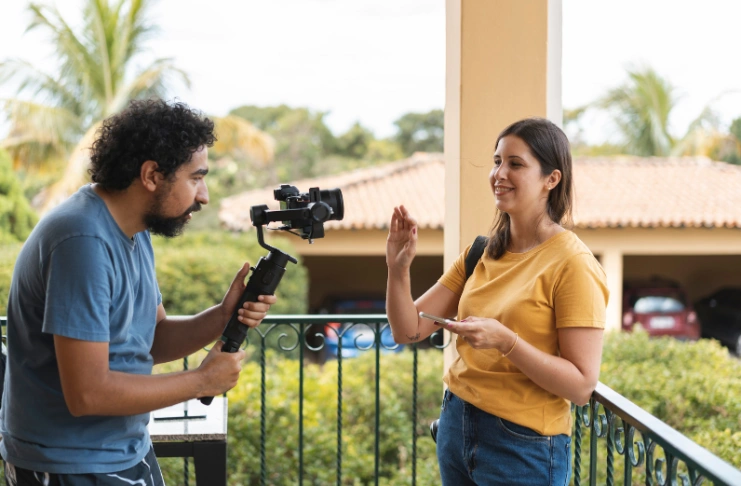
To measure return on your influencer marketing efforts:
- Track impression to engagement ratios
- Monitor the increase in reservations or walk-ins during the campaign period
- Compare incremental sales or average bill value
- Measure social sentiment, comments, shares, and follower growth
- Use unique codes or QR promotions tied to influencer posts to attribute direct conversions
Conclusion
Barbeque Nation’s success shows that influencer marketing works when it becomes a story. By combining good food, cultural festivals, and authentic voices, the brand gives audiences a reason to join the conversation both online and offline. From grills to desserts, every element must be part of the narrative.
The lesson for restaurateurs, whether in India, the Middle East, or beyond, is clear: your brand must talk where your customers already are. That means leaning into Instagram and other platforms, and letting influencers translate the flavour of your dining experience into content people want to share.
Done right, influencer marketing builds lasting connections that extend well past any summer campaign cycle.