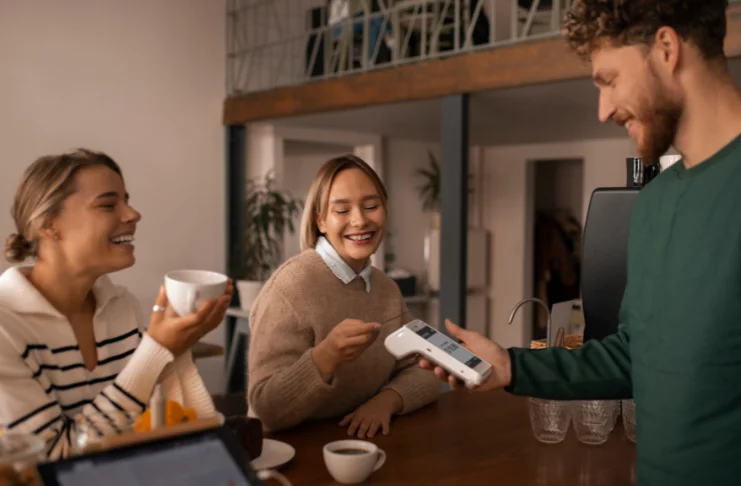

Modern-day restaurants are constantly challenged to provide outstanding customer experiences while managing complex operations across multiple channels. Restaurant POS integrations are one powerful means to link your POS system to online ordering, inventory management, employee management, and other important restaurant management systems. Restaurant POS integrations eliminate manual data entry, lower errors, and centralize all restaurant operations so managers can access sales, orders, and operational insight in one place.
As the restaurant experience undergoes digital transformation, diners and customers expect a seamless, consistent experience on multiple channels, including third-party delivery apps, such as Uber Eats, for example. Real-time data from the POS system and integrated systems, such as other restaurant management systems, gives managers the data to make better decisions, improve workflows, improve operational efficiency, and turn tables more effectively. Restaurants can utilize restaurant POS integrations to streamline operations, maintain accuracy with inventory, enhance employee management, and have a better customer experience overall that creates increased revenue and allows a competitive edge in the technology-dependent restaurant industry.
Understanding Restaurant POS Integrations
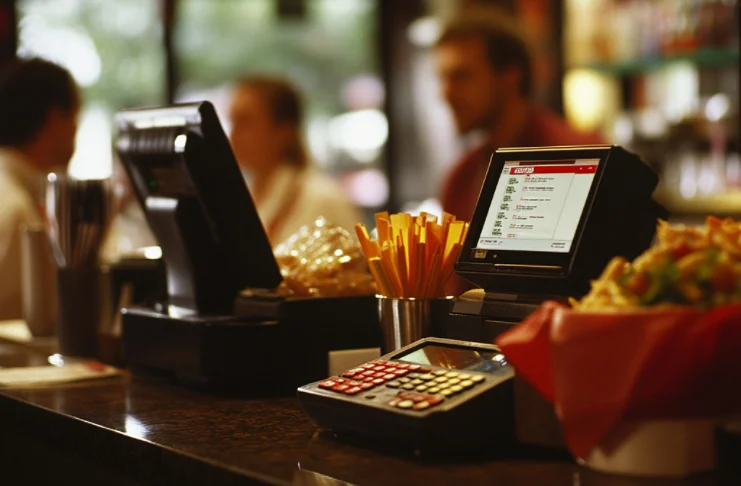
Restaurant POS integrations link your POS with other business tools, enabling automatic data sharing, reducing manual entry, and minimizing errors..
What Is POS Integration
POS integration streamlines your restaurant operations by connecting your POS system with third-party applications and services. In fact, 86% of restaurants use POS data to inform loyalty, discounting, and marketing strategies, reinforcing how central these data integrations are for growth. Key benefits of effective POS integration include:
- Automatic data flow between platforms, reducing manual data entry and errors.
- Real-time updates from online orders to your kitchen display system and inventory.
- Centralized access to all orders, sales, and business operations for managers.
This seamless connection allows restaurants to manage operations efficiently from a single platform.
The Evolution of POS Systems
Modern POS software acts as the central hub for restaurant operations, going beyond simple payment processing. Key features of advanced POS systems include:
- Tracking inventory and managing employee schedules efficiently
- Analyzing customer data to enhance service and marketing strategies
- Connecting with external platforms for seamless restaurant management
With the right POS integration, restaurants can handle complex orders and reporting with ease.
INDUSTRY INSIGHT
| According to a recent market research report, the global Restaurant POS Systems market is expected to grow from about USD 7.6 billion in 2025 to USD 14.7 billion by 2033, reflecting a strong CAGR of around 8.6%. This surge highlights the increasing reliance of restaurants worldwide on integrated, data-driven POS solutions to streamline operations and enhance profitability. |
Benefits of Restaurant POS Integrations

The right integrations automate tasks, enhance visibility, and improve restaurant operations, benefiting both front-of-house service and back-of-house management.
Enhanced Operational Efficiency
Restaurants achieve higher operational efficiency when their systems communicate seamlessly. Key ways POS integration boosts efficiency are:
- Eliminating duplicate data entry and reducing errors across platforms
- Ensuring orders, payments, and inventory updates in real time
- Supporting faster table turnover and smoother service for customers
This streamlined workflow allows managers and staff to focus on service quality and business growth.
Reduced Labor Costs and Errors
Manual data entry slows operations and increases the risk of costly errors. Key benefits of automating POS data are:
- Reducing labor costs by minimizing administrative tasks for staff
- Allowing employees to focus on customer-facing roles that boost revenue
- Ensuring accurate updates across orders, inventory, and financial records
Automated data flow strengthens accuracy and helps restaurants maintain smooth, profitable operations.
Real Time Data and Informed Decisions
Real-time data gives restaurant managers the insights needed to act quickly and effectively. Key advantages of accessing live POS information are:
- Instant visibility into sales trends, inventory levels, and labor costs
- The ability to respond immediately to high demand or operational issues
- Making scheduling and ordering adjustments before problems escalate
Leveraging real-time data ensures restaurants stay proactive and maintain smooth operations.
Essential POS Integration Categories
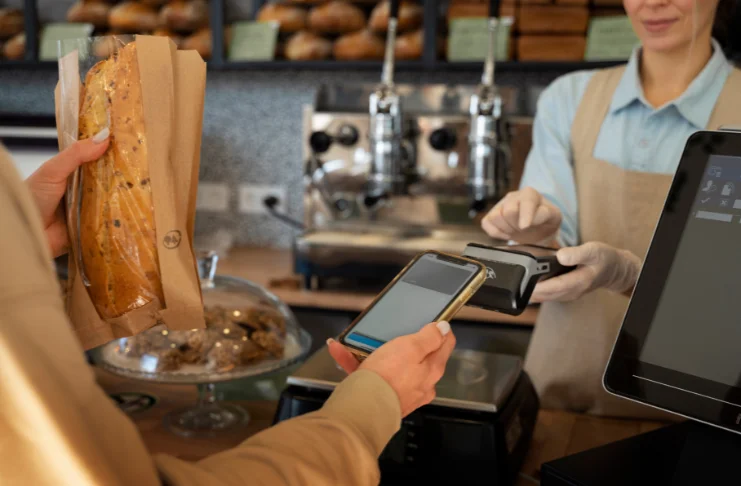
Restaurants use specialized tools for different operations, and knowing key integration categories helps identify connections that provide the greatest value.
Online Ordering and Delivery Platforms
Online orders play a major role in driving restaurant revenue. Ways POS integration enhances online ordering include:
- Sending orders from Uber Eats and other delivery apps directly to the POS and kitchen
- Reducing mistakes and accelerating order fulfillment
- Consolidating orders from multiple platforms into a single, easy-to-manage interface
This unified approach ensures faster service and accurate tracking across all sales channels.
Payment Processing and Accounting Systems
Managing finances is simpler and more accurate when your POS connects directly with accounting systems. Key benefits of this integration are:
- Automatic transfer of sales, expenses, and payment data, reducing manual reconciliation
- Simplified tax preparation with up-to-date financial records
- Secure processing of multiple payment methods while syncing all transactions
Integrated financial tools help restaurants save time and maintain precise accounting effortlessly.
Inventory Management and Vendor Systems
Effective inventory management becomes effortless when your POS links with inventory tools. Real-time inventory tracking via integrated POS software can cut food waste by up to 12%, underscoring both cost and sustainability benefits. Key advantages of this integration are:
- Automatic updates of stock levels in real time as items are sold
- Preventing overordering and stockouts while tracking usage patterns
- Direct vendor connections for automated reordering and streamlined procurement
This approach helps restaurants control food costs and maintain a consistent supply without waste.
Specialized Restaurant Management Integrations
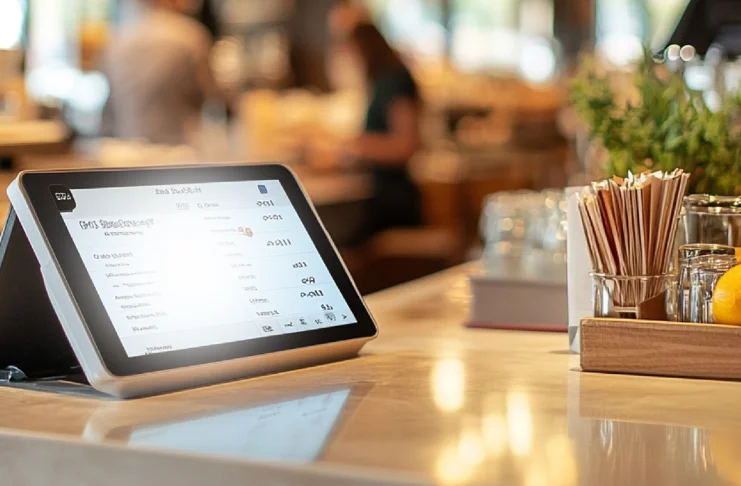
Beyond core operational tools, specialized integrations address specific restaurant needs and help optimize particular aspects of the business.
Kitchen Display Systems
A kitchen display system modernizes order management by showing tickets digitally in real time. Advantages of integrating POS with kitchen displays:
- Orders appear instantly on screens, improving accuracy and speeding up service
- Helps kitchen staff prioritize and manage order preparation efficiently
- Provides data on order timing and kitchen performance for workflow optimization
Digital kitchen displays enhance both operational efficiency and management insight.
Employee Management and Scheduling Tools
Efficient employee management improves productivity and reduces labor costs. Benefits of POS integration with workforce tools:
- Automatic syncing of clock-in and clock-out data for faster, accurate payroll
- Real-time visibility into labor costs to optimize scheduling
- Automated tracking of hours, breaks, and overtime to ensure compliance
Connecting POS with employee management tools simplifies operations and safeguards your business.
Customer Relationship and Loyalty Programs
Strengthening customer loyalty boosts long-term revenue and repeat business. Ways POS integrations support loyalty programs:
- Capture customer preferences, visit frequency, and spending patterns for targeted engagement
- Enable personalized marketing campaigns and tailored service
- Automatically track rewards and redemptions for a seamless experience
Integrated loyalty tools help restaurants build lasting relationships with their customers.
Choosing the Right Integrations for Your Restaurant

Not every restaurant needs every possible integration. Selecting the right integrations requires careful consideration of your specific business model, operational challenges, and growth goals.
Assessing Your Restaurant Operations
Begin by analyzing your current workflows to pinpoint inefficiencies and error-prone processes. Steps to identify valuable integrations:
- Highlight tasks that consume excessive employee time or create operational friction
- Determine which integrations offer the most immediate impact on efficiency
- Match integration priorities to your restaurant concept, such as delivery platforms for quick service or reservation systems for fine dining
Focusing on the right integrations ensures improvements that genuinely enhance daily operations.
Evaluating Integration Capabilities
POS systems differ in the range and quality of integration options they provide. Tips for selecting the right solution:
- Review the marketplace or app store to identify available native connections
- Avoid workarounds that rely on manual data mapping or third-party middleware
- Choose systems with open APIs to enable custom integrations as your business grows
Selecting a flexible POS ensures your technology adapts smoothly to future operational needs.
Implementation and Staff Training
Even powerful integrations cannot deliver results if staff lack proper training. Ways to ensure successful implementation:
- Provide comprehensive training that explains both system operation and business benefits
- Help employees understand how integrations simplify their daily tasks
- Partner with vendors offering strong implementation support and ongoing resources
Properly trained staff can maximize the potential of your integrated POS from the very start.
Conclusion
Integrating your restaurant’s POS system is crucial for today’s modern restaurants to simplify restaurant operations and have a more efficient restaurant operation and customer experiences. Connecting your POS system with online ordering systems, inventory systems, employee management systems, and food delivery third-party applications like Uber Eats, is increasingly simplifying and automating previously manual tasks. Integration also provides real-time measurements and insights into every aspect of your restaurant. Managers can gain centralized access to sales, orders, and operational information that enables them to make informed decisions about improving table turnover, improving staff productivity and improving overall service levels.
Integrating your POS system is also designed to increase operation efficiency, increase revenue, and help restaurants maintain a competitive advantage in a fast-paced, almost technology-disruptive industry.