

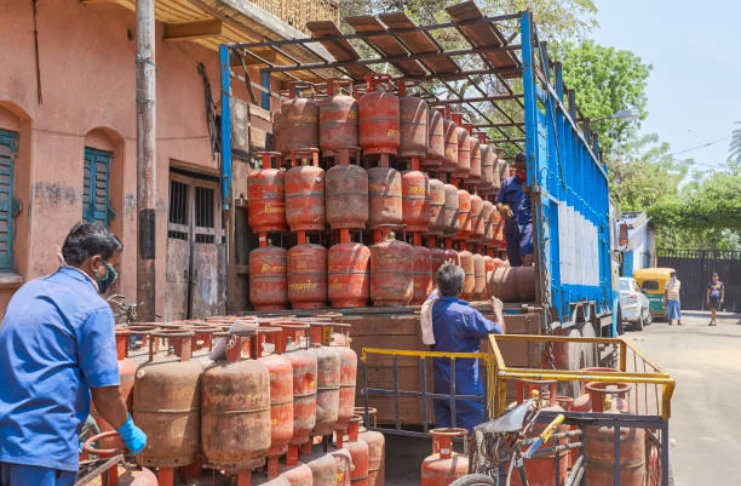

As energy supply challenges continue to ripple across global markets, governments are beginning to take more direct action to protect essential industries. In one such move, India has increased LPG allocation for the food and hospitality sector to 50%, offering much-needed relief to restaurants, food manufacturers, and commercial kitchens grappling with fuel shortages.
The decision comes at a time when energy access has become a critical operational concern for foodservice businesses worldwide. From independent restaurants to large-scale catering operations, cooking fuel is not just a utility, it is the backbone of daily operations.
Over recent weeks, LPG shortages have disrupted kitchen operations, slowed production cycles, and forced businesses to rethink how they manage energy consumption. For many operators, inconsistent fuel supply has meant reduced output, menu adjustments, and in some cases, temporary shutdowns.
By increasing LPG allocation to commercial users, authorities are effectively prioritizing the continuity of food production and service. The move is expected to stabilize supply chains, ease operational bottlenecks, and restore a degree of predictability for businesses that rely heavily on gas-based cooking systems.
While the policy shift is specific to India, its implications resonate far beyond a single geography. Across regions, foodservice operators have been facing similar pressures tied to volatile energy markets, geopolitical tensions, and disrupted supply chains.
In this context, targeted fuel allocation policies reflect a broader recognition: food and hospitality are essential economic sectors that require protection during periods of instability.
Governments worldwide may increasingly adopt similar interventions—whether through subsidies, priority allocations, or alternative energy incentives—to ensure that food systems remain functional and resilient.
For restaurants and cloud kitchens, improved LPG availability translates directly into operational stability. Consistent fuel access allows kitchens to maintain service speed, uphold food quality, and manage peak demand periods without disruption.
For food manufacturers and packaged food companies, the impact is equally significant. Production facilities that rely on LPG for processing and packaging can resume normal output levels, helping balance supply against the recent surge in demand for convenience foods.
This alignment between supply and demand is critical, particularly as consumer behavior shifts toward ready-to-eat and ready-to-cook formats during periods of uncertainty.
At the same time, the recent disruptions have exposed a deeper vulnerability within the foodservice ecosystem: heavy dependence on a single energy source.
Many operators are now reconsidering their long-term energy strategies, exploring alternatives such as electric cooking systems, induction technology, and hybrid kitchen models that reduce reliance on LPG alone.
This transition, while gradual, could redefine kitchen infrastructure in the years ahead, making energy diversification a key pillar of operational resilience.
The increase in LPG allocation offers immediate relief, but it also highlights the need for more sustainable, long-term solutions. As energy markets remain unpredictable, the food and hospitality sector will need to balance short-term fixes with structural changes.
For now, the policy provides breathing room for businesses navigating a challenging environment. But more importantly, it reinforces a critical idea: in times of disruption, safeguarding food systems is a societal priority.


