
Every city has that one place everyone agrees on. In Delhi, it’s Berco’s.
The said brand was once a mere snack counter at a video game parlour in CP. And see where it’s today. Its name has become synonymous with Chinese food in Delhi. Like, ask any of your friends what their favorite Chinese restaurant is, and it’s a guarantee you’ll hear Berco’s.
And why not? With now over 50 outlets across India and a menu that has only grown and grown for the better, the brand is basically a benchmark in scalable, mass-market dining.
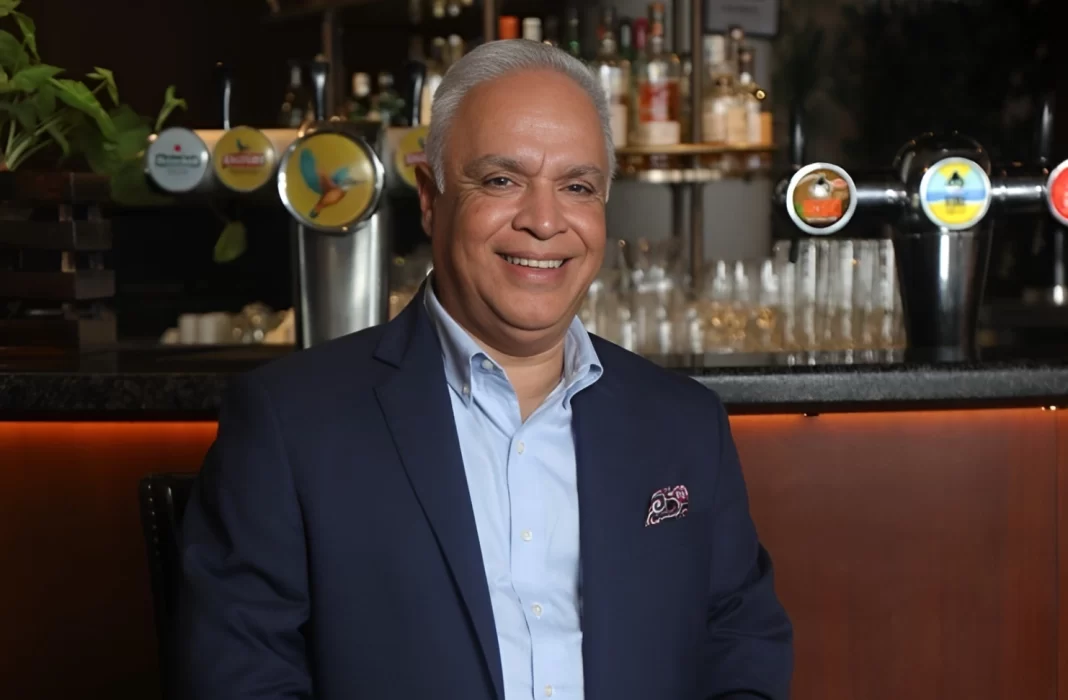
Against this backdrop, The Restaurant Times sat down with Kabir Advani, Managing Partner at Berco’s, to understand the current condition of the F&B industry. More specifically, how is it defined by volatile real estate, delivery-first disruption, and diners who expect both comfort and constant reinvention?
The Origin
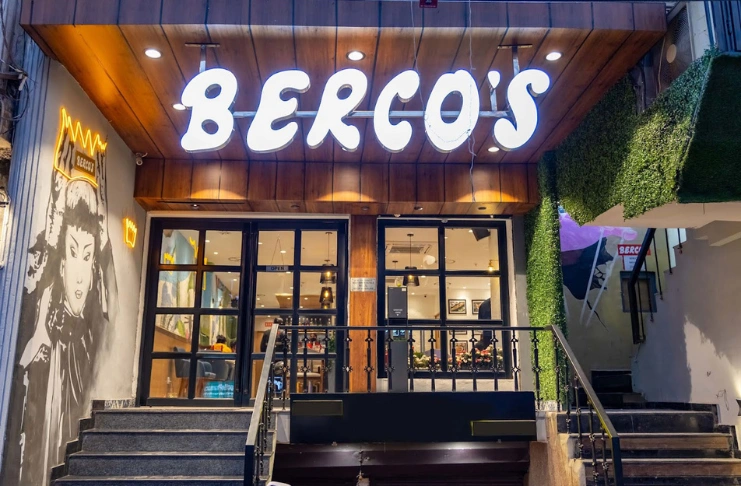
So, back in 1982, the Advani family opened this video game parlour in Connaught Place. It had a tiny snack bar on the side – nothing serious. And then someone apparently looked around CP and went, wait… there’s no Chinese restaurant here? Not one?
Thus, the snack bar became a full-fledged restaurant almost by default (and it worked!)
Decades on, that original outlet is still there in Connaught Place.
“Ironically, we never really planned on starting a restaurant,” says Kabir Advani. It was just good timing, instincts, and a gap in the market that worked in their favour. Imagine if this were the outcome of no planning, what it might have looked like otherwise.
The Real Estate
If you want to stress Kabir Advani out, just say the word “rentals.”
High real estate costs are, in his words, the single biggest structural headache for the chain.
So how does he deal with it? Pursue small-format stores, get into developing markets early before property prices climb, and wherever possible, franchise with property owners.
That last one is actually clever: Franchising with landlords themselves has allowed Berco’s to convert a fixed, escalating cost into an aligned partnership. Basically, now you and the owner are both rooting for the same thing.
At the same time, the brand has been deliberate about entering emerging micro-markets in Delhi NCR and Tier-1 cities before they’re fully developed, locking in much better rental terms when they can.
The Mall Equation
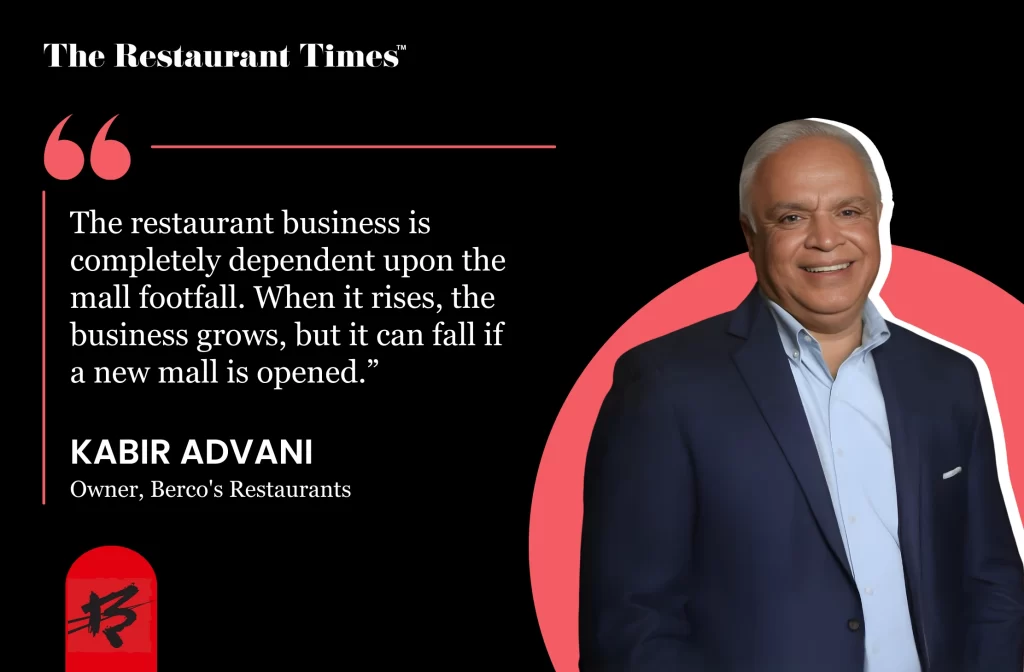
For years, Berco’s just… didn’t do malls. And they had reason to be sceptical. They tried but had a very bad experience at first.
Sales for any business you open inside a mall (here, a restaurant), Advani explains, will depend entirely on the mall’s popularity.
If the mall is buzzing, you’re fine. If a new mall opens down the road or the anchor store leaves, you suffer. And all of that is completely outside your control.
Now factor in –
- High-maintenance charges
- Inconsistent upkeep, and
- Rentals
…and the case for malls weakens considerably.
But — and here’s the thing — maybe scale changes how you evaluate risk.
By 2026, Berco’s has selectively started entering mall and high-street locations across Delhi NCR and other Tier-1 cities. Food courts, specifically, are looking pretty viable to them right now.
The brand is also showing up at the Restaurant India 2026 Expo & Summit, which honestly tells you a lot about how the conversation around Berco’s growth strategy has evolved.
Menu Design
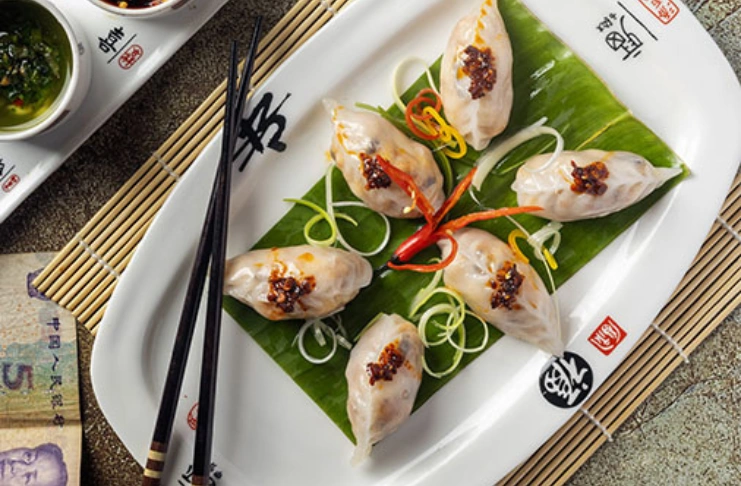
Have you ever seen Berco’s menu? How does that come to life? Believe us, it’s a super simple philosophy. Hold on to what people already love, and build around it just enough to keep them returning.
The anchors, for example, Chicken Manchurian, Hakka Noodles, Schezwan staples have been on the menu since day one.
But over time, Pan-Asian additions like Bao, Dim Sum, and Thai Red Curry have made their way in, too. As Indian palettes became more familiar with Southeast Asian flavours, Berco’s synced with the demand.
They also do limited-time food festivals (noodle specials, Schezwan-led menus, let’s say), which have been doing wonders for bringing regulars back with a fresh hook.
“Customers always look for new things to eat,” Advani notes, “so you should give them a reason to come back again and again.” The trick is to maintain a balance between newness and familiarity.
Training as the Moat
Maintaining consistency across 50+ outlets is, operationally, where most multi-unit restaurant brands fail.
To avoid that, Berco’s has a dedicated training team that runs kitchen sessions once a week and captain training twice weekly. An audit team operates independently, collecting feedback and benchmarking against defined standards. Recipes and menu items are kept identical across every location. There is, in fact, no “regional variation” that hasn’t been signed off centrally.
Supply chain was genuinely a problem in earlier expansion phases, Advani admits. But Berco’s has since standardised vendors across all stores and sorted cold-chain logistics.
“The supply chain becomes an issue only when you expand in different cities,” Advani says, “but we’ve put that infrastructure in place now.“
The Road Ahead
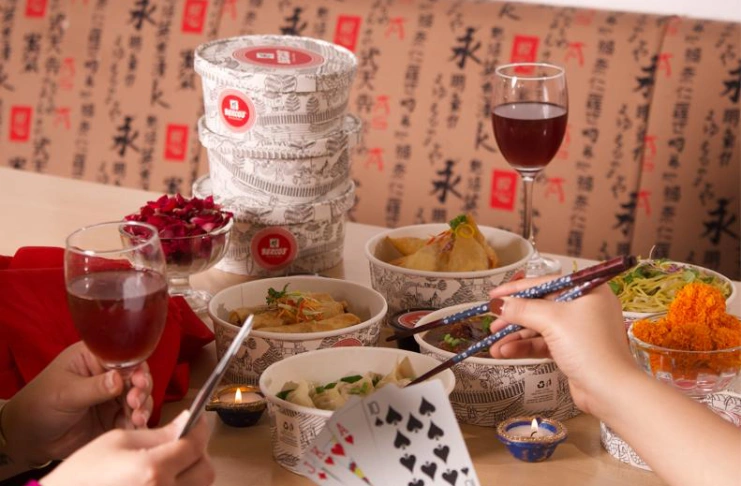
The growth vector Advani is most energised by right now is delivery.
With food delivery becoming an increasingly dominant channel in Indian metros, Berco’s has been building toward it by opening small-format restaurants (20 to 30 covers) designed as much for dispatch as for dine-in.
No, this is in no way a pivot away from the restaurant experience. It’s more like… they’ve accepted that the kitchen itself is now a distribution hub.
Indeed, today, many Pan-Asian delivery-first brands, cloud kitchens, and fast-casual chains are all competing for the same stomach share that Berco’s has historically owned. But Advani’s bet is that forty years of consistent taste is genuinely hard to fake.
In an industry where new concepts launch and fold within a year, such longevity is its own credential.