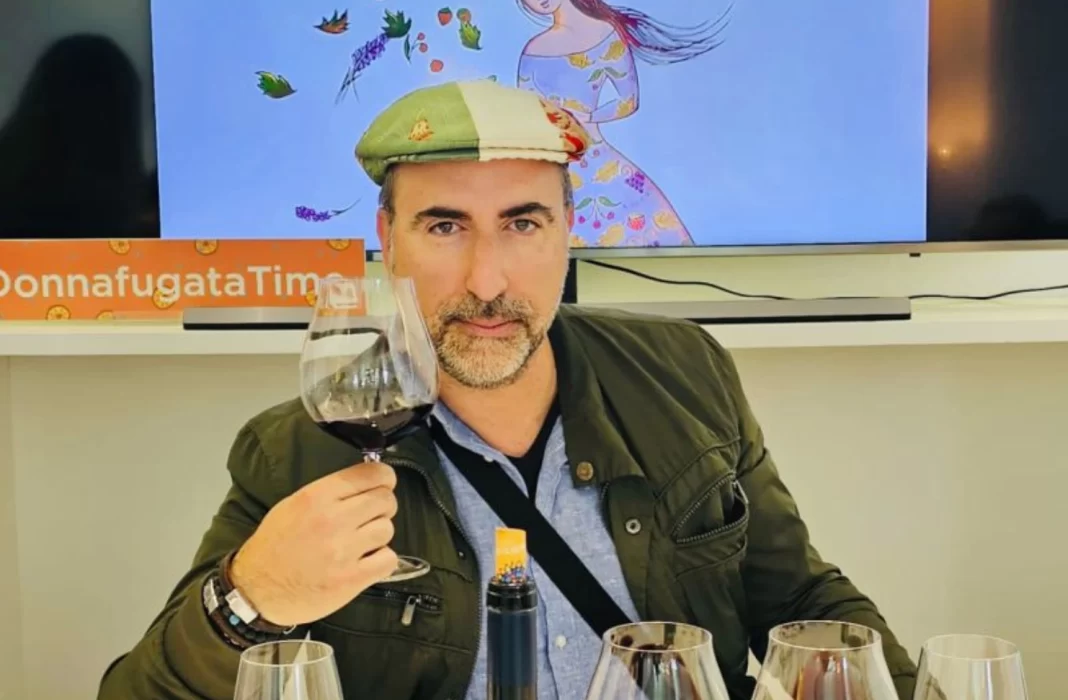

Flaviano Sforza is a very famous chef and the co-founder of a very famous home restaurant in Italy – Pasta, Amore and Guacamole, which is as unique and creative as its name. Having been exposed to the kitchen while he was still a child, Flaviano began his studies in psychology and sociology in Italy and the UK. He worked as a sociologist, but his passion for food was immense and led him onto the path of entrepreneurship.
He opened his first Italian restaurant in Mexico in 2009, where he worked as a chef. After three years, he moved back to Italy and opened another restaurant named Mexico Lindo that served a fusion of Mexican and Italian cuisine – he had been influenced by the Mexican flavors during his stay in the country.
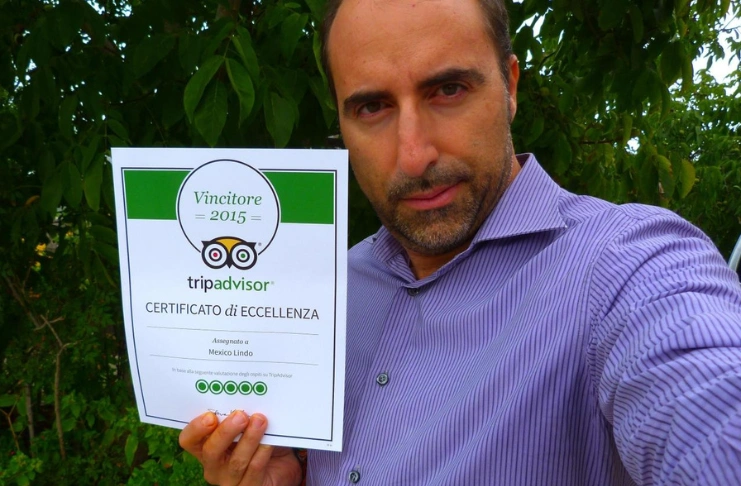
In 2014, he was awarded for excellence Italiana, and TripAdvisor rated Mexico Lindo as the best restaurant out of 1050 restaurants. Today, he has changed his name from Mexico lender to pass the MRA and guacamole, stressing a little bit more Mediterranean influences. He has also been working as a personal chef for VIP families around the world. Flaviano says passion, love, creativity, and risk-taking are the main requirements of his job.
The New Brand, and What’s There In Its Name
“There’s a famous Italian movie called “Pane, Amore & Fantasia” and my inspiration for this new brand comes exactly from the title,” confirms Falaviano Sforza.
When he renamed his restaurant Mexico Lindo to Pasta, Amore, and Guacamole, he was, in a way, making a statement about how his cooking had now become somewhere more Mediterranean, more personal, rooted in his life in Sicily.
Today, Flaviano runs a small restaurant in Sicily where Mexican dishes are made using Italian ingredients. “For example, I use dried chilies from Mexico and Italian cheese, which in itself is a fusion, and I can combine the two ingredients onto the plates,” he explains. “
Yes, “[The name] a little long,” he laughs, “but I like the melody.”
At its core, the restaurant is still driven by the same curiosity he had when he first landed in Mexico in 2009, watching how an entirely different culture thought about food, spice, and hospitality. What has evolved is confidence. There’s less explaining to do now. Diners have grown more adventurous, and the idea of fusion has become something people actively seek out.
The Grind for the Fusion
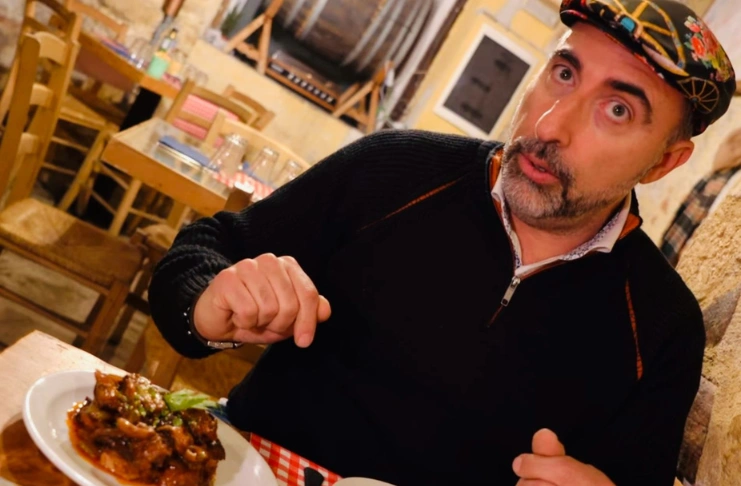
Flaviano says the idea behind the brand was never simply to mix two cuisines together, but to create a version of Mexican food that Italian diners could genuinely connect with.
“When we do Chinese, Japanese, or Mexican food abroad, sometimes it is difficult for people to accept everything about exotic food,” he explains. “For you, Italian cuisine may be exotic, while for us, Indian or Mexican food is exotic.”
That, he believes, is where fusion becomes important. Rather than recreating dishes exactly as they are, he focuses on finding ingredients and flavors that feel familiar to local diners while still preserving the spirit of the cuisine. “We need to find food that can combine with the tastes of local people,” he says. “I work to find the right plates and the right balance for Italians because not everyone here can accept all Mexican food.”
Spice, unsurprisingly, had to go through a number of adjustments. “Just like in India, food can sometimes be very spicy, which here will not be possible to create or accepted in the local community,” he says. “That is why I created food that is not too spicy and not too strong [but] which brings balance to Italian as well as Mexican food.”
You can see that “balance” in almost every aspect of the brand’s menu. While meat remains the foundation of many dishes, flexibility matters just as much. “When the guests request a vegetarian option, I do try to fetch some vegetarian food,” Flaviano says. “Same as when the request for gluten-free comes in, I try to bring a gluten-free dish. The main priority is that all the guests should be happy when they come to the restaurant.”
For him, what matters most is the feeling behind the food itself.
“I think that handmade dishes are more important than commercially made ones because you have the love in them,” he says. “In commercially made ones, you do not know if the chef was happily making them or not.” He adds that he tries to use natural ingredients wherever possible, which, in his view, is what gives the dishes their individuality.
Building an attractive fusion menu, he says, also requires constant experimentation with local ingredients and tastes. “For example, I use a lot of chilies and coriander,” he explains. “In Mexican food, coriander is not appreciated, so I try to combine it with chilies and present it here to the local communities because here people like coriander.”
Ultimately, he sees fusion cuisine more as calibration in totality. “At the end of the day, it is all about how you balance your ideas with what you have as an audience. The menu should be attractive, and you should know how to make people happy … something which is exotic yet simple for the local people.”
Moving Between Worlds
Anyone who has lived abroad for years and then returned home knows the strange disorientation of it. You come back expecting to slot right in, and instead, you find yourself a little foreign in your own country.
Flaviano has made this particular journey more than once.
“Every time you travel, you experience a different culture. And even if you go back to your own culture, in my case, to Italy, it is not easy. It’s not easy because you need to reset your way of thinking, way of cooking, and way of life.”
For a chef, that reset is especially acute. The flavors you’ve been building for years don’t translate automatically. People everywhere have different approaches to food; wherever you go, you have to rebuild, invent, and adapt to a new culture.
“When I went back to Italy, I also needed to reconnect with my customers, my friends who used to come to see me. The biggest thing is that you need to keep in contact with your customers for branding purposes, which is essential when you travel to different new places. The biggest tip I can give is that you should always treat your customers right, and as friends, because they appreciate that more.”
Hospitality At Its Peak: Humanity
If there’s one thing Flaviano returns to again and again, it’s this: a restaurant should be about sentiments, feelings, and experience, and not only a place to just sit and eat.
For him, hospitality is deeply personal, which is why he keeps making conscious efforts to interact directly with his guests.
“I treat my customers as my friends,” he explains. “They love it when I come out from the kitchen, have a talk with them and say, ‘Look, I cooked this plate for you,’ and they are amazed.”
Over time, he says, those small interactions help build real relationships between people and food.
“That is the secret to a successful restaurant,” he says. “As long as you are interacting with your customers and making them feel as if they are at home, you are good to go with your restaurant.”
It is also why he feels many restaurants lose their sense of identity. “I have noticed that in many restaurants the waiters do not know what they are serving,” he says. “That is how many restaurants fail because they do not connect with the food they are making and serving.”
The home restaurant format, he adds, naturally creates the kind of warmth and familiarity he values most. “You can connect with your customers easily and welcome them in your home,” he says, “and give them the comfort of knowing that they are home and will be treated well.”
Post-COVID, and What the Pandemic Actually Taught Him
Like most restaurants around the world, Flaviano’s business was heavily affected by the pandemic. “My restaurant was also closed,” he says, “but in the meantime, I was providing takeaways and delivery service. I adapted to the new ways of providing food to people, and discovered that with restrictions, there are always new forms of service that can be provided.”
What struck him was how creative necessity became. Cloud kitchens, new delivery models, chef-at-home services – these ideas that had been peripheral suddenly moved to the center. And diners, who might previously have dismissed these formats, found themselves genuinely appreciating them.
Even during the uncertainty, he noticed customers becoming more open to new dining experiences and delivery-focused concepts. That was definitely a plus.
The Private Chef Life & Why It’s Not What You’d Expect
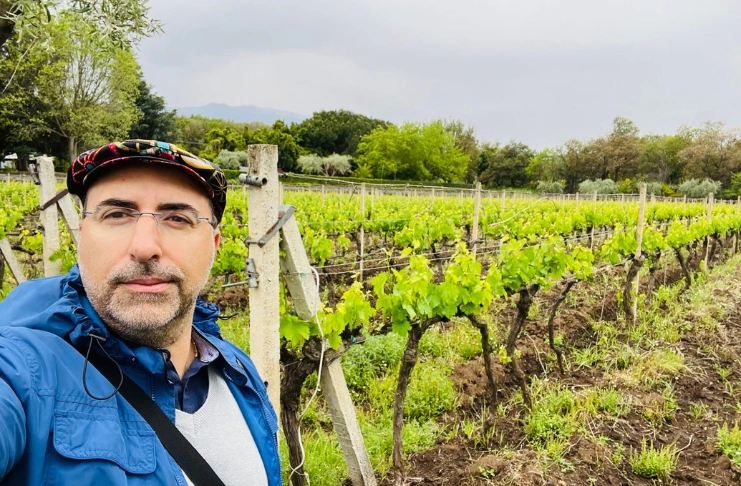
Along with operating the home restaurant in Palermo, Flaviano has built a parallel career as a private chef. He cooks for VIP families across Europe, and he thinks that the main difference between being an executive chef and a private chef comes down to human connection.
He says, “As an executive chef, I feel you do not connect with the customers. You only work and work. As a personal chef, you have to put love and emotions into your dish.”
What he misses, when he’s on the road, is the atmosphere of his own space. “I would like customers to feel the warmth of the Mexican atmosphere, the ambiance of Mexican food, and the culture. Now I think the restaurant can be obsolete, and you need to offer something different, which is more than food.”
That is exactly why the home restaurant model appeals to him, “which can maybe give you just one kind of menu but can also give you the feeling of home, a feeling like you’re going out visiting a friend.”
That, in the end, is probably the clearest expression of what Flaviano Sforza actually values the most. He wants his guests to feel that someone, on the other side of the kitchen door, actually wanted them there.