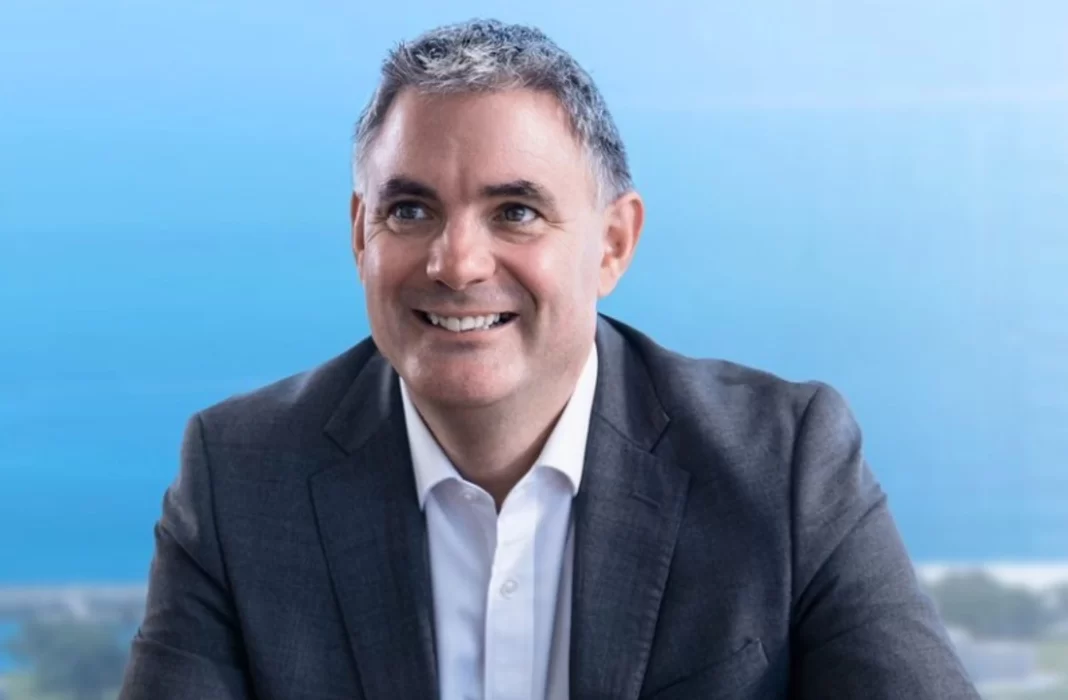

Meet Duncan Muir, the Senior Director of F&B at Azadea Group, a leading retail and F&B conglomerate operating a diverse portfolio of more than 150 outlets across 10 countries, with internationally acclaimed brands including PAUL, Eataly, Venchi, KFC, New Shanghai, and Butcher Shop & Grill. Muir has spent years spearheading F&B operations across the region, leading brands to sustained success.
Despite spending most of his life handling the F&B aspect of sports facilities, he didn’t let the challenges of building a retail business deter him. His successful career is the result of dedication, a customer-centric approach, and effective communication with customers.
Muir went from being a law aspirant to a hotel management graduate, leading some of the region’s most iconic food brands. What inspired this journey? And how did he keep himself going, considering restaurants weren’t a big trend then? Read along as we discover more about Muir’s remarkable journey in the world of F&B.
Entering the F&B Industry
The story of how Duncan Muir entered the hospitality industry is unexpected, to say the least, considering that he was aspiring to be a lawyer.
Like any other teenager, Muir wanted to save money so he could buy a car. So he started working at a local hotel in the UK, and he enjoyed it so much that he thought of making it a career.
“I like this. It’s social. It’s good fun. I love food, being surrounded by it, and getting to meet people and work with some great people. I thought, this is good,” Muir says.
From there, his focus shifted from a courtroom to a hotel. He studied hotel management at Strathclyde, which is, btw, one of the best universities in the UK. He then went on to do a graduate program at Hilton, only to realize restaurants excited him more than hotels.
“The hotels are fascinating places, but the restaurants are where the action is and where the passion for food is,” he said.
Yet for several years, he managed the F&B operations of various sports facilities such as Creek Golf and Yacht Club. “A lot of my experience has been in sporting facilities in the Middle East, but always in F&B, whether it’s food restaurants or food retail,” says Muir.
Now you might ask how the F&B of a sports facility differs from that of a restaurant. According to Muir, you have a sitting population in a sports facility – people using the pool, playing golf, or simply enjoying. If you’re at a restaurant, however, you must create traffic.
What Bateel Taught Him About Growth
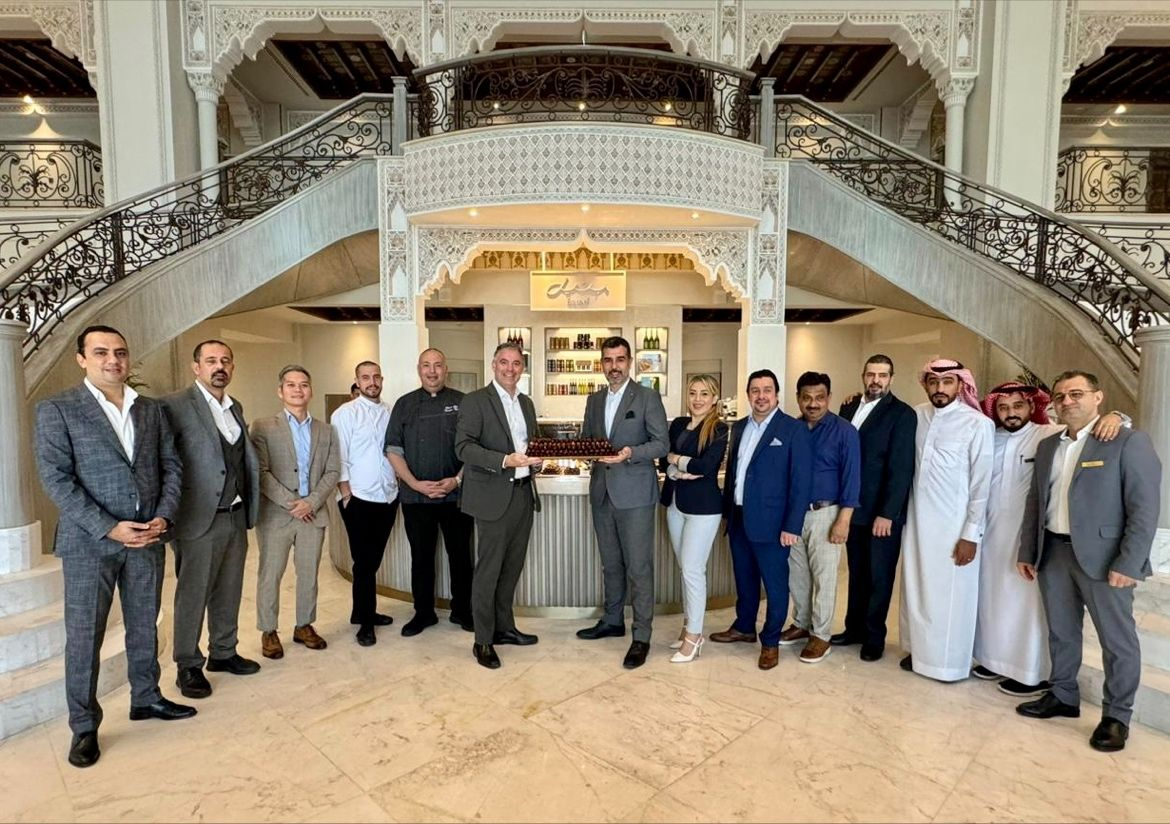
Before joining Azadea Group, Muir spent several years at Bateel International, where he helped shape the company’s café business and customer experience strategy. Many of the lessons he carries into his current role were forged during this chapter of his career.
Bateel is the only gourmet organic date producer and seller in the world. So imagine the ripple of surprise when it opened its first café in the United Arab Emirates in 2007. It has been so successful, though, that it has since spread to other nations.
One of the most interesting challenges during Muir’s time at Bateel was helping grow the company’s café business alongside its established retail operation.
What attracted him was the opportunity to help develop and operate a consumer-facing hospitality brand with greater accountability. Backed by a strong new product development (NPD) team, the company continuously introduced new dishes and beverages while refreshing its menu every six months, even during the COVID-19 pandemic. The strategy helped keep customers engaged and prevented menu fatigue.
Communication With Customers
Working in an independent restaurant is like working on a blank canvas. You have to be creative and extremely consumer-focused. You have to be resilient and resourceful to get the customers in and to react to situations.
This is why, at Café Bateel, Muir and his team used to change 40% of the wholesale menu every six months and introduce a new dish every month. Muir says your loyal customer base enjoys this newness every time they revisit your restaurant.
These changes are also communicated to the customers. Bateel’s marketing team was very particular about sending updates to its influencer community, and social media made sure everyone knew of the same.
While it’s easy to lose focus in an industry as dynamic as the restaurant industry, your end goal should be to benefit the customer. They used the feedback system to keep their menu dynamic and customer-centric while maintaining the brand image.
“Whether it’s your marketing approach, your systems of operations, or everyone should remain whatever you do, think of the customer’s perspective because, at the end of the day, we’re nothing without our customers,” he says.
Importance of Feedback
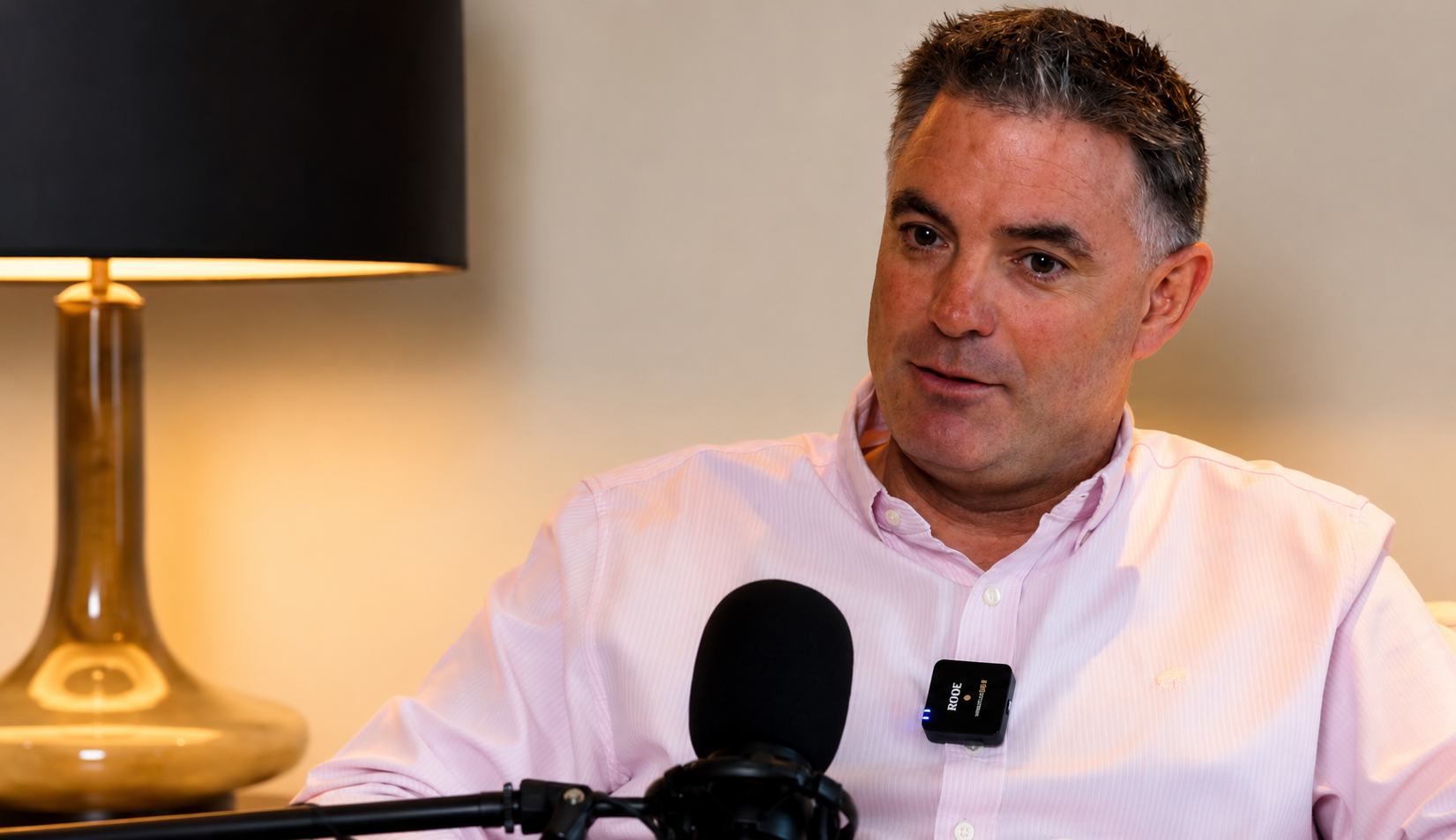
For restaurateurs, customer feedback is crucial. The restaurant’s goal is to give the customer a relaxing and enjoyable experience that will result in higher revenue.
“When you get multiple feedback of the same thing, then there’s obviously something very actionable there,” said Muir.
At Bateel’s, he and his team used to follow a scientific approach to decision-making. They looked at the sales mix trend, collected online and offline feedback, and analyzed the performance of all operations. This feedback was then categorized into two forms. One was with all the feedback going around the internet about the restaurant. In contrast, the other was the traditional feedback filled with all the verbal feedback received from customers at the restaurant.
“We tried with tablet-based systems, and that had been fairly effective. But still, the conversation between the manager and a guest provided us with the most detailed, I think, feedback we can get,” he says.
Relationship Between Brands and Aggregators
Food aggregators act as mediators between clients and restaurants, providing access to customers to their favorite dishes online. Customers can place orders via their apps or website and get the food within minutes of ordering.
Aggregators have rapidly infiltrated the restaurant industry, significantly taking up a proportion of the restaurant’s revenues. According to Muir, the industry needs to value and respect them as a revenue channel because they drive business revenues at the end of the day.
That said, Muir also believes that there is a question about ethics in how they operate. “There is a huge problem with driver and road safety … unfortunately, the business model that the aggregators and the last-mile operators have is that they only pay the drivers per delivery. So what it does is it creates a culture of I need to get these deliveries done as quickly as possible, which means they take more risks on the road and they drive quicker,” he says.
Duncan Muir is currently the Senior Director of F&B at Azadea Group, where he leads a portfolio of over 150 outlets. He is also an Advisory Board Member of the UAE Restaurants Group, supported by the Dubai Chamber of Commerce. His earlier roles include Senior Director of F&B and Retail at Bateel International, Senior Business Manager at Carluccio’s & Mango Tree, and F&B Services Manager at Hilton London Metropole.
Muir believes that commercially driven people and people with business acumen should explore the restaurant industry before branching into other industries.