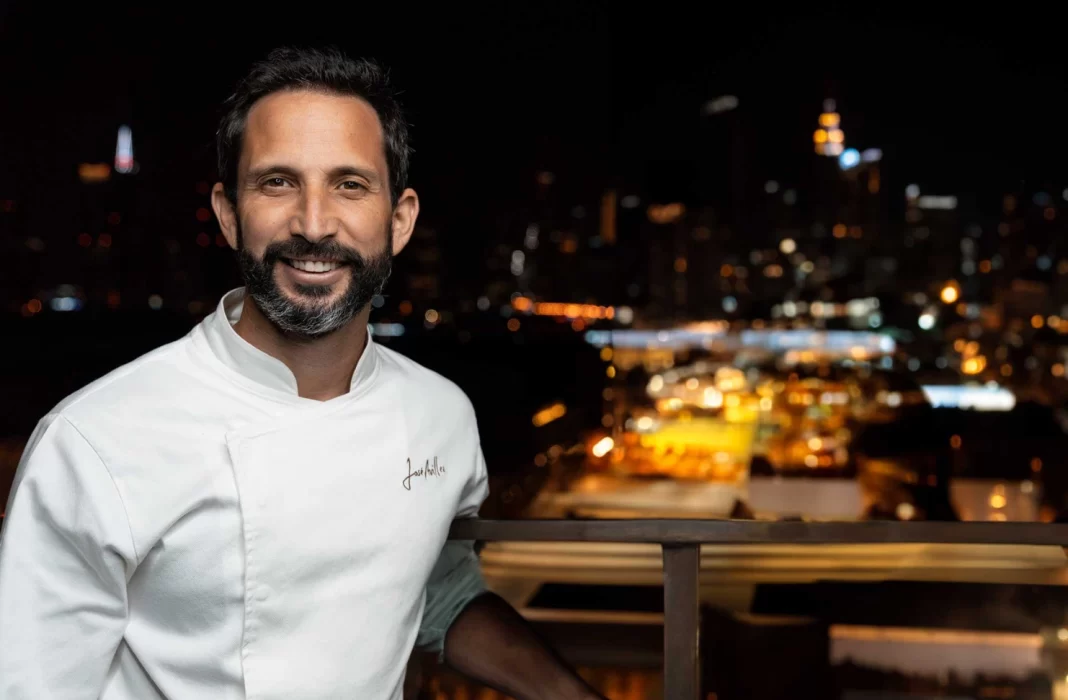

For a long time, Portuguese food was treated as a mere cousin of Spanish cuisine. The world knew paella, tapas, & Ferran Adrià. Portugal, by comparison, was seldom central to conversations about where the industry was headed. That perception, however, began to change in the early twenty-first century as a new generation of Portuguese chefs started to take the spotlight, and Belcanto in Lisbon was one of those places where this shift was most visible.
José Avillez opened Belcanto in 2012. Located in Chiado, the site carried layers of memory from decades past. Nearby stood the remnants of a city rebuilt after the earthquake of 1755 and many such catastrophes. In a way, when Avillez took over this space, he wasn’t starting from scratch, which makes his journey even more interesting to follow.
Within a year, Belcanto had its first Michelin star. By 2014, it had two, making it the first restaurant in Lisbon to reach that mark. Today, it ranks 42nd on the World’s 50 Best Restaurants list.
But the awards are almost beside the point. Its greater achievement lies in redefining how Portuguese cuisine sees itself, and how the rest of the world sees it in return.
The Art of Preservation
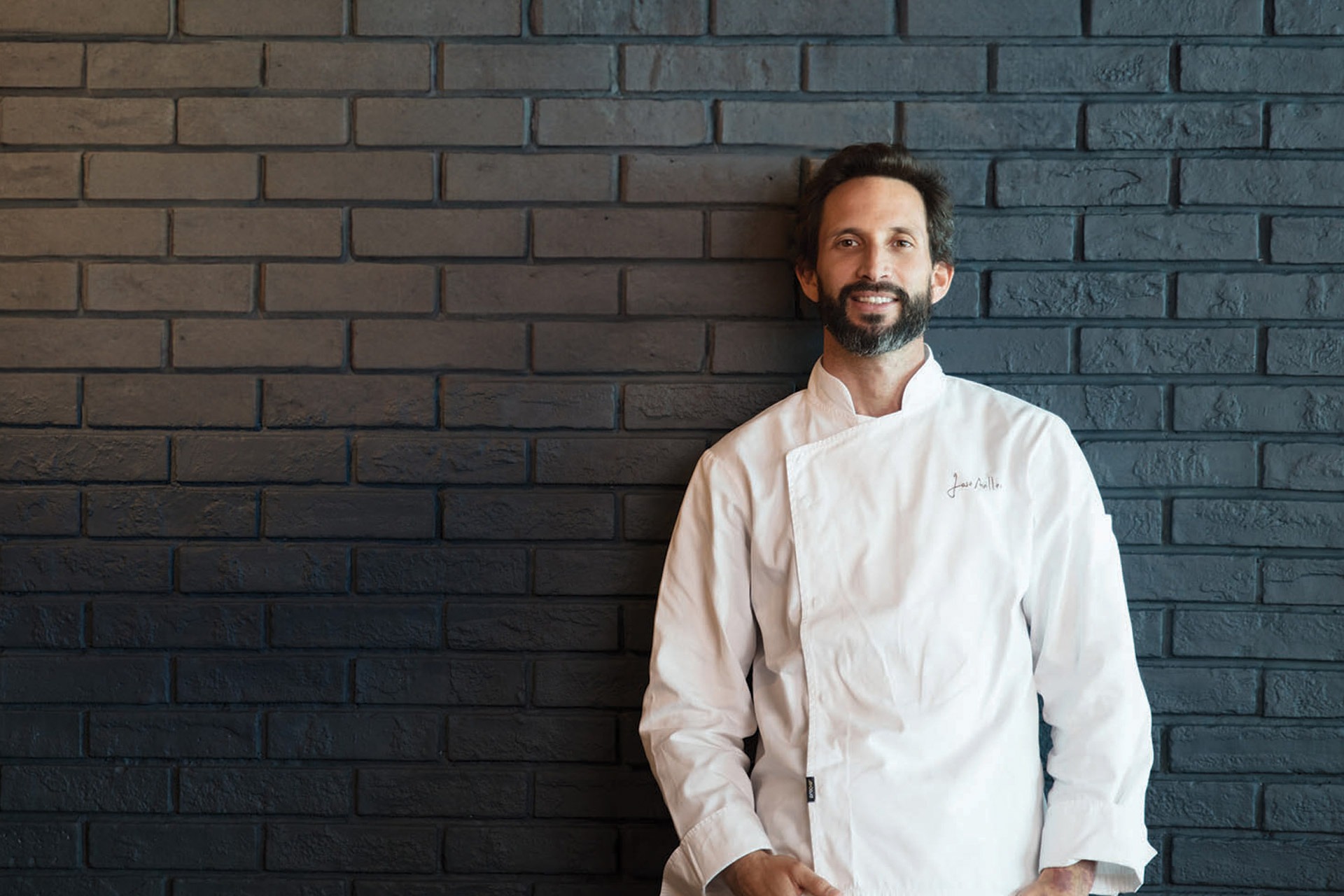
Avillez trained in Portugal and then spent a formative stretch at El Bulli in Spain under Ferran Adrià, where he learned the very foundation of culinary tradition.
When he returned to Portugal, he applied that exact approach to Portuguese food. His goal was to understand what made Portuguese cuisine meaningful and then find new ways to express those ideas.
“I try to preserve emotional truth rather than literal recipes,” Avillez says. “Certain flavors, gestures, and memories are parts of our collective identity. Those deserve to be protected. But the form they take can evolve.”
That word “evolve” carries a lot of weight at Belcanto. Many dishes there draw on familiar Portuguese ingredients and flavors, but they are often presented in forms that differ from their traditional counterparts.
“Reinterpretation is a way of keeping tradition alive,” Avillez says, “not of replacing it.”
It means new dishes are added to the menu only when they strengthen the restaurant’s overall direction. “If you do something new, it has to be as good as, or better than, what is already there,” he says. “Otherwise, there’s no point.”
The Room Does Half the Work
Belcanto has ten tables. The dining room is divided into different spaces, with a chef’s table in the kitchen for those who want to be closer to where the food is made. The atmosphere is uniquely intimate and connects directly to the cultural argument Avillez tends to make through the food at hand.
After all, Chiado is one of Lisbon’s most layered neighborhoods. It’s a place with a literary tradition, a certain melancholy, and a history of gradual rebuilding of a city. Fernando Pessoa, the Portuguese poet whose work defined a particular way of seeing Lisbon, was born just across the street from Belcanto. He even wrote about the church bell that still rings in the neighborhood today.
“Belcanto’s connection to Chiado, to a more introspective and literary Lisbon, creates a context in which the food can be experienced more quietly and more deeply,” Avillez says.
When Avillez talks about cooking as “our very own fado, and our own form of expression,” he draws on his belief that food can communicate history, memory, and cultural identity that one cannot express through words alone.
Consistency as a Form of Ambition
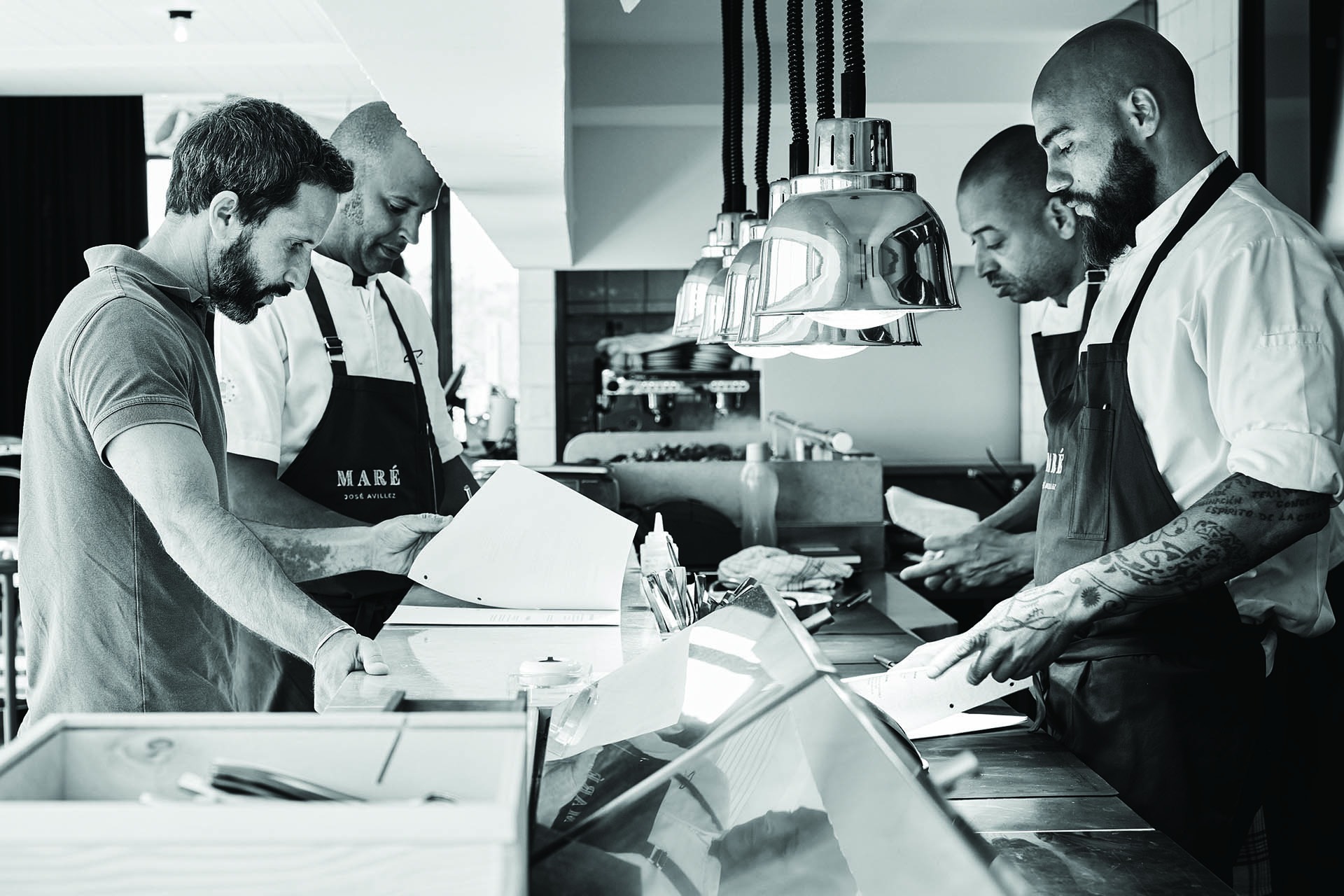
Belcanto has held two Michelin stars for more than a decade. During that period, the restaurant has continued to change its menu, introduce new dishes, and refine existing ones.
According to Avillez, innovation is only valuable when it supports the restaurant’s purpose. “Belcanto is about intimacy, memory, and a certain poetic view of Portuguese cuisine,” he says. “Innovation is welcome as long as it deepens that feeling rather than distracting from it.”
The restaurant does not add dishes simply because they are new. Each addition is measured against the ideas that have defined Belcanto since it opened. Concepts that do not fit the restaurant’s direction are not pursued. As Avillez says, “it probably belongs somewhere else.”
The wine list follows a similar approach. Portuguese producers form a significant part of the selection, alongside wines from other major wine-producing regions. The list is designed to complement the food while maintaining a strong focus on Portugal.
Portuguese Cuisine of the Future
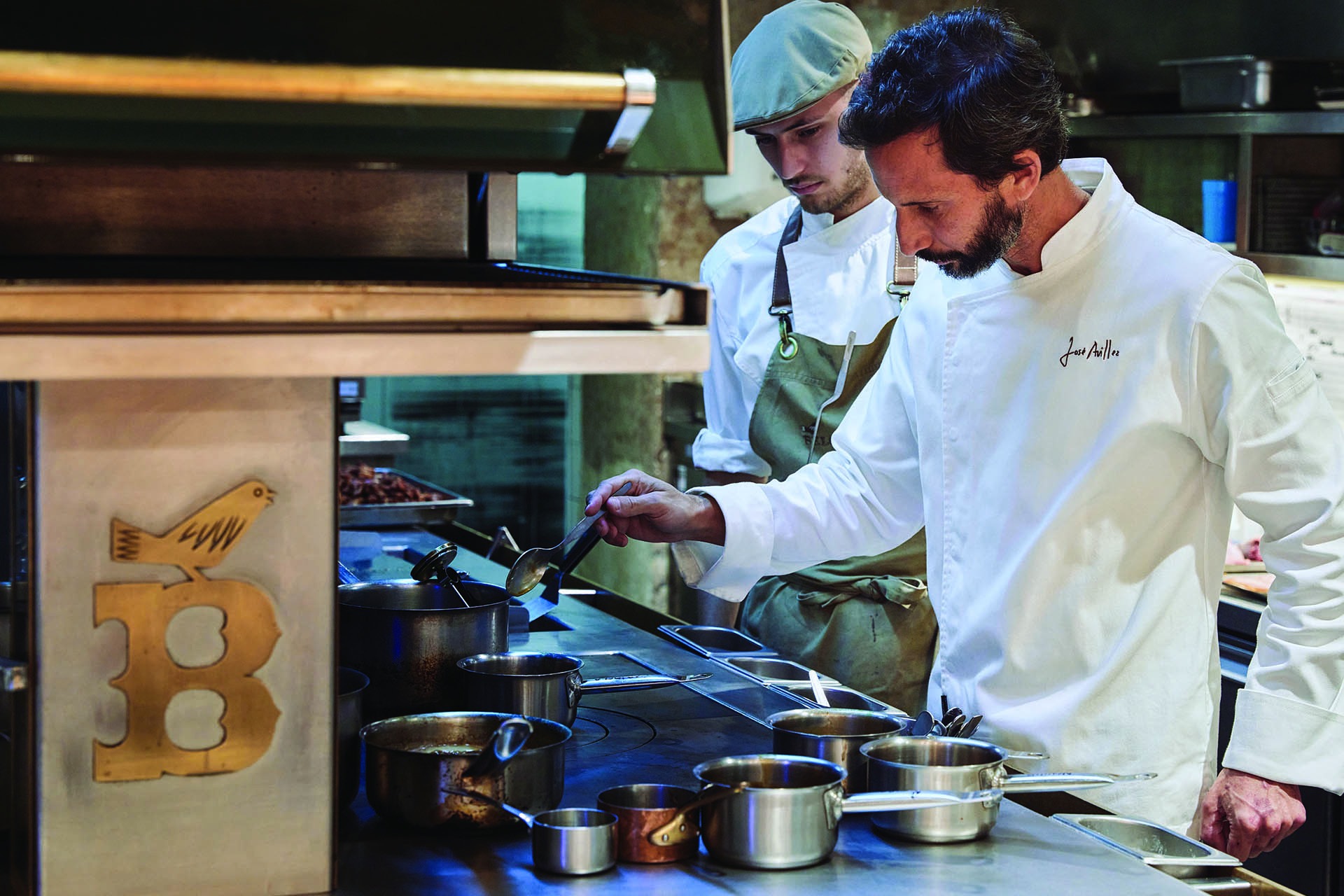
Avillez now runs restaurants across Lisbon, Porto, Cascais, Dubai, and Macau, each with its own concept. Encanto, his vegetarian restaurant in Lisbon, earned a Michelin star in 2023 and a Green Star for sustainability. Casa Nossa, an estate in the Alentejo that he opened with his wife Sofia Ulrich, grows ingredients that feed back into his cooking.
But Belcanto remains the place where his thinking about Portuguese cuisine is most concentrated, most argued through.
“I hope future chefs understand that Portuguese cuisine is not static,” he says. “It’s a living culture, something that can be both deeply rooted and radically contemporary. Respecting tradition doesn’t mean freezing it. Innovation can be a way of honoring where we come from.”
That’s the real contribution Belcanto has made. The restaurant draws on Portuguese ingredients, recipes, and culinary traditions while allowing them to be interpreted in new ways.
Avillez has been at it for over twenty years. He says he’s currently looking in two directions: deeper into traditional Portuguese cuisine on one side, and toward AI and what it will change on the other. A documentary about his life and career has been filmed for over a year. “It will tell a very personal story,” he says, “about my life, and how food, especially Portuguese cuisine, has shaped me, and in some ways even saved me.”