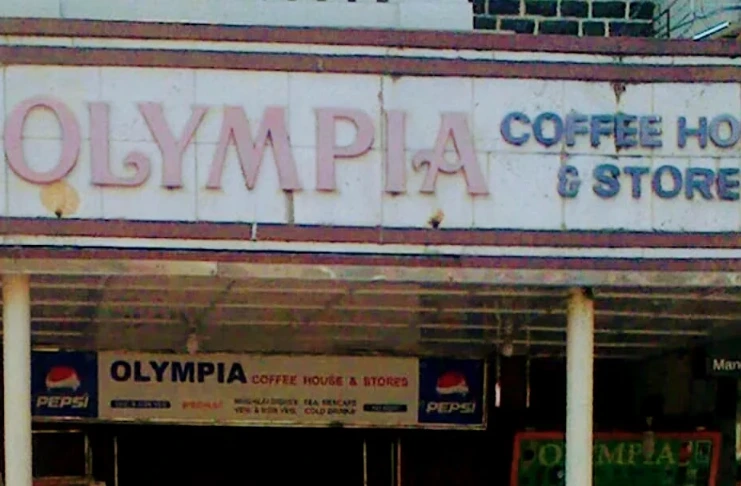

A 108-year-old restaurant in Mumbai, India has had its food licence suspended after a regulatory inspection uncovered serious food-safety and hygiene failures, including a urinal inside a food storage area, pest infestation and meat and blood residues inside a refrigerator.
Olympia Coffee House, a long-established restaurant in the city’s Colaba district, was inspected by Maharashtra’s Food and Drug Administration (FDA) on September 16 following a consumer complaint. The inspection identified multiple violations spanning food handling, storage, sanitation, pest control and employee hygiene, according to findings reported by NDTV.
Inspectors reportedly found food being handled directly on the floor, unhygienic food-preparation and utensil-washing areas, and the use of unclean water. The regulator also flagged inadequate separation between vegetarian and non-vegetarian food during handling and storage.
Pest control was another concern, with cockroaches and flies reportedly found across the premises. Inspectors also found meat and blood residues inside a refrigerator, pointing to shortcomings in cleaning and sanitation practices. Food handlers were reportedly not compliant with required hygiene training standards.
Olympia’s case highlights a challenge that extends well beyond one restaurant or one market: a strong brand reputation cannot substitute for rigorous food-safety systems.
Founded in 1918, Olympia has operated for more than a century and is recognised as one of Mumbai’s longstanding dining establishments. Its profile has also received renewed international attention following visits from filmmaker Christopher Nolan and actors Matt Damon and Tom Holland during their time in the city.
That visibility makes the regulatory action particularly notable, but the underlying issue is universal. Restaurants operating at any scale have to manage a complex chain of controls every day: covering receiving, storage temperatures, cross-contamination, cleaning and sanitation, pest management, water quality and employee practices.
The inspection reportedly found failures across several of these control points simultaneously. For restaurant businesses, that makes the episode less about the age or popularity of a particular establishment and more about the importance of maintaining food-safety systems as an ongoing operational discipline.