
The total economic impact of the U.S. coffee industry was $343.2 billion in 2022, up 52.4% since 2015. The coffee production industry in the U.S. alone is worth $12.4 billion in 2026, spread across 938 businesses. That, of course, means there is plenty of room for these roasters to grow, and tons of choice for buyers.
To add to their value, top-tier local coffee roasters prioritize transparency, freshness, and care from seed to cup, which makes “average” coffee a great one.
And since coffee has been part of daily life for centuries, small roasters continue to keep that tradition alive by giving people fresher beans, distinctive flavors, and a closer connection to the coffee they drink.
What You’ll Learn
- How to spot the signs of highest-quality coffee, from the roast date on the package to the flavor notes on the label.
- Simple ways to locate local coffee roasters near you.
What Makes a Coffee Roaster “Local”?
A local coffee roaster is a small business that buys green coffee beans and roasts them close to home, usually in the same city or region where you live.
Some run a full coffee shop. Others work out of a small warehouse and sell only online or at a market stall.
In fact, local coffee roasters often lack storefronts and marketing, so you may never notice them unless you go looking specifically. That does not mean the coffee is any less special. It just means you have to know where to look.
Why Should You Buy From Local Coffee Roasters?
The biggest difference is: Grocery store coffee remains on a shelf for months before it reaches you. Local coffee roasters, on the other hand, work in small batches, so your coffee reaches you fresh.
Lancaster County Coffee, for example, roasts beans in small batches for freshness, which keeps every package closer to peak flavor.
Buying local also supports real people in your community. Your money goes to a small business, their staff, and often back into local causes.
INDUSTRY INSIGHT
| The rising demand for specialty coffee is giving local roasters more room to compete on quality, freshness, and sourcing. In 2025, 46% of U.S. adults started consuming specialty coffee regularly, the highest level recorded in 14 years, according to the National Coffee Association. Today, 66% of U.S. adults drink coffee daily, the highest rate in 20 years. That demand is particularly relevant for local roasters because 74% of coffee consumers still brew at home, while 35% drink specialty coffee out of home. Consumers are increasingly buying beans and brewing them themselves, creating a direct opportunity for local roasters to build relationships with customers beyond the storefront. |
How Do You Find Local Coffee Roasters Near You?
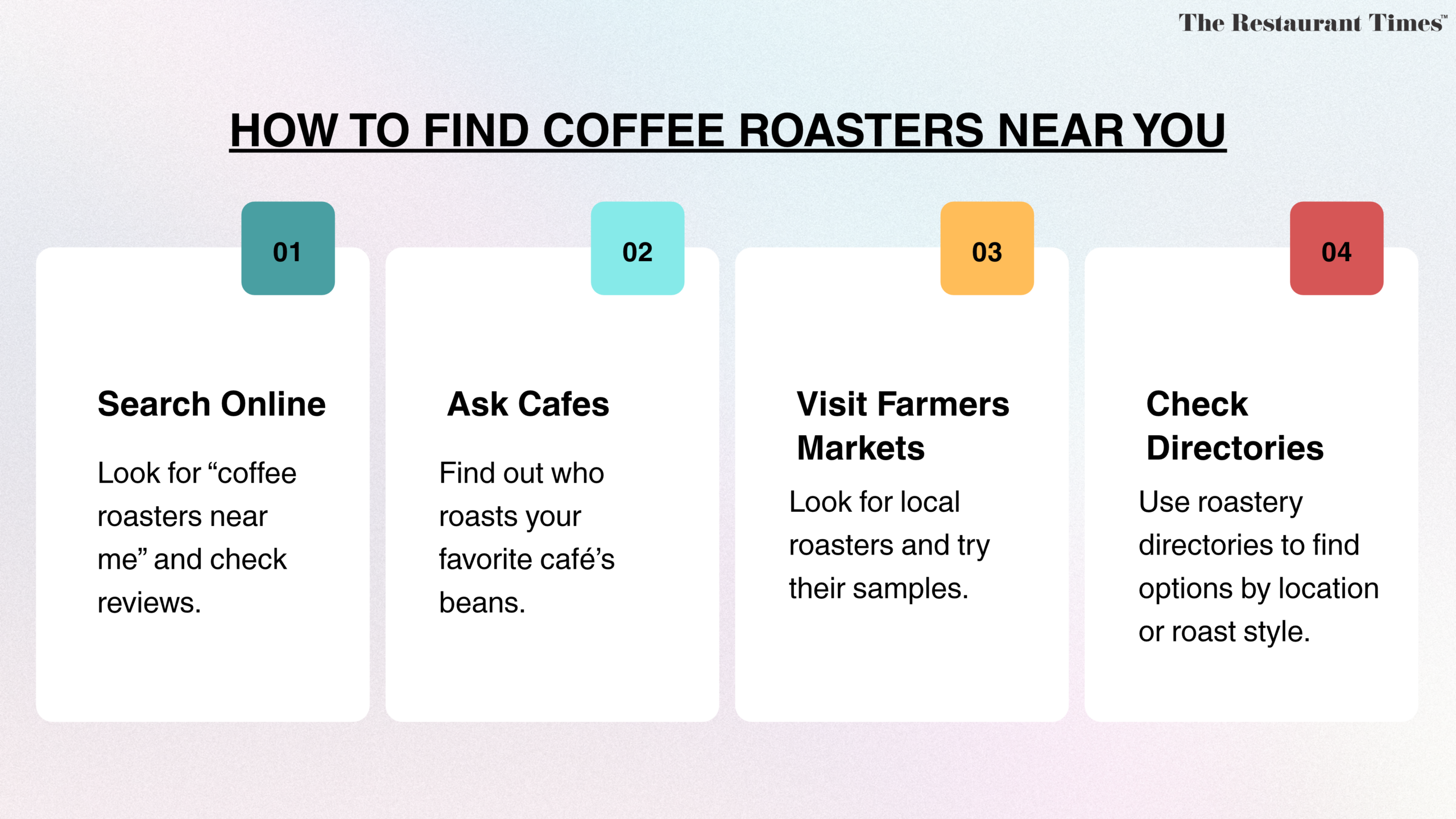
You do not need to drive around town to locate great coffee. Try these simple steps.
- Search online for “coffee roasters near me” and read reviews.
- Ask at your favorite coffee shop who roasts their beans.
- Check your local farmers market. Many local coffee roasters set up there, along with samples you can try on the spot. It is a fun way to taste before you buy.
- Use a roastery directory site that lists businesses by state or roast style.
How Do You Know a Local Roaster Makes Highest Quality Coffee?
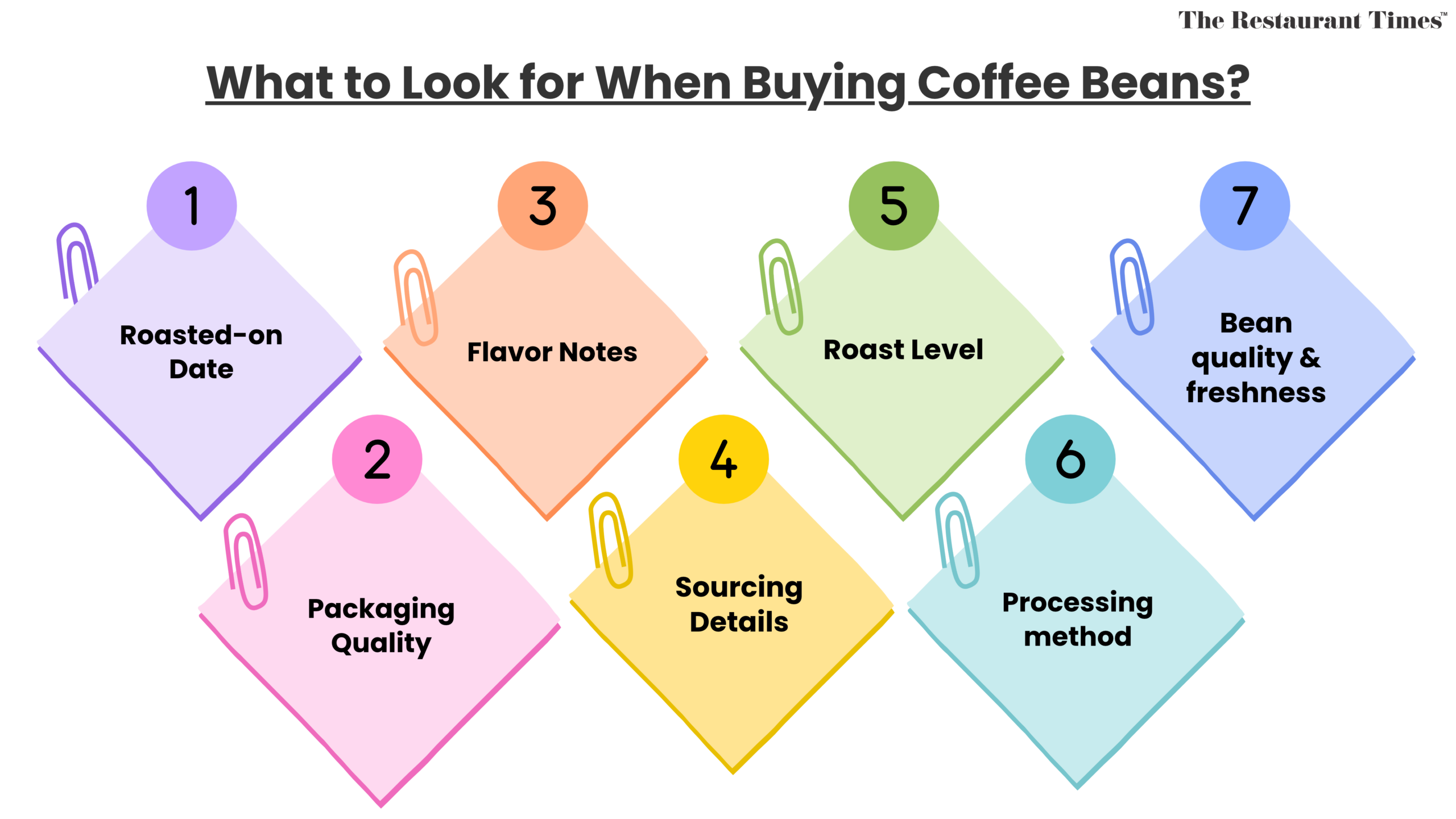
Here is how you can check if the particular local roaster makes the highest-grade coffee or not:
- Roasted on date – It’s often printed on the package
- Packaging – Highest quality beans come in airtight, opaque, resealable packaging with a small degassing valve.
- Flavor notes – Shows if the roaster has properly cupped and profiled the coffee.
- Sourcing details – Good roasters list the country, region, farm, and processing method used for sourcing the coffee.
- Ethical sourcing – Look for direct trade or fair trade labels.
- Consistency – If a package tastes the same as it did the last time you bought it, that roastery is perhaps good.
Beans taste best within 7 to 30 days after roasting, so always check that date before you buy.
Good packaging and a tight seal ensure the beans stay fresh until you open them. Fresh whole beans also hold their flavor longer than pre-ground coffee, so buy whole bean when you can and grind right before you brew.
And remember, the best roast is subjective. What tastes bold and rich to you might feel too strong to someone else, so trust your own preference.
As for which roasters are good, there are a few names you can count on. For example, there is Peach Coffee Roasters. It has won the Good Food Awards twice and is SQF-certified for food safety, plus the company backs community causes with real financial commitments.
There’s Finger Lakes Coffee Roasters as well. It brings over 25 years of experience to every batch, roasting beans fresh weekly so what you buy is never sitting around.
What Do Roast Profiles and Single Origin Coffees Mean?
Roast level changes how coffee tastes, not how good it is. A light roast tastes brighter. A dark roast tastes bolder and smokier. A different brew method can change that taste completely too, so experiment a little before you settle on a favorite.
Single origin coffee comes from one country, region, or even one farm.
Arabica beans, the kind most specialty roasters use, travel across the globe from farms in places like Colombia and Kenya, each with its own flavor fingerprint.
A blend mixes beans from different places to build the same flavor every time.
A good roaster keeps a selection that balances different origin coffees with well-made blends, so you get both variety and reliability.
What Should You Ask When You Visit or Call a Roaster?
Simply ask –
- When was this batch roasted?
- Where do your beans come from?
- Do you sell whole bean, ground, or single-serve pod options?
- Can knowledgeable staff help me pick a flavor profile for my brew method?
- Do you offer a coffee subscription?
A roaster who can answer these questions in detail (with conclusive evidence) is one worth trusting. Quality roasters keep customers coming back by keeping every batch this consistent.
What Does Local Coffee Cost?
Because you are paying for better beans, careful roasting, and a shorter supply chain with fewer middlemen, you may expect to pay more per pound than you would at a grocery store.
The exact pricing usually depends on where the beans are from, whether they come from one origin or a blend, and how the business sources them.
Shipping costs can add a little to the price too, so ask about it and ensure you know the full cost before you order.
How Do You Order From Local Coffee Roasters Online?
Most local coffee roasters now sell through a simple website, even the ones without a storefront. You can usually choose whole bean or ground coffee, and most give you a few grind options to pick from.
Add your pick to the cart, choose a size, and complete your checkout in a few clicks.
Some roasters ship orders out every Friday, so beans arrive close to their roast date for the weekend.
If your cart is empty and you are not sure where to start, try a light roast for an easy introduction, or ask about flavored coffees like vanilla or hazelnut if you like something sweeter.
Many roasters also let you join a subscription, so a fresh bag shows up at your door on repeat, and you can add another favorite to the cart whenever you like.
Local pickup is often available too, so you do not always have to pay for shipping.
Whether you brew at home or grab a cup at a cafe, freshness depends on how fast that order reaches you.
Which Coffee Roasters Stand Out?
Counter Culture Coffee in Durham, North Carolina, is known for transparency reports and easy-to-find specialty coffee.
Verve Coffee Roasters in Santa Cruz focuses on seasonal beans and direct relationships with farmers.
Stumptown Coffee Roasters in Portland helped pioneer direct trade sourcing decades ago.
Intelligentsia Coffee in Chicago is known for precise brewing and bright flavors.
Blue Bottle Coffee in Oakland is big on fresh, single-origin beans.
Of course, there are many other absolutely excellent coffee roasters too. You can check out US-specific ones here: Coffee Roasters List.
You will also find strong names outside the big cities.
Georgia has a growing scene of small roasters. If you live in Georgia, take time to explore your local scene, and check the growing lists of Georgia coffee shops as more roasters open across the state. Many are run by families, like a husband-and-wife team roasting out of a small house, pouring years of care into every batch.
When you are ready to order, look past the big names too. Some of the best coffee in the country comes from a small business you have never heard of, sitting in a small town not far from you.
KEY TAKEAWAYS
| – Check the roasted on date, not the best by date, and buy beans within 7 to 30 days of roasting for the best flavor. – Look for airtight, opaque packaging with a degassing valve, clear sourcing details, and signs of ethical sourcing like direct trade. – Locate local coffee roasters through farmers’ markets, online searches, or roastery directories, and expect to pay more per pound for fresher coffee. – Roast level and origin versus blend come down to personal taste. There is no single best coffee for everyone, so choose and enjoy the one you love. |
Frequently Asked Questions
1. Why should I buy from local coffee roasters instead of grocery store brands?
Local coffee roasters roast in small batches and sell faster, so your coffee is fresher. You also support real people in your community instead of a large supply chain.
2. How fresh is coffee from local roasters compared to supermarket coffee?
Local roasters often get coffee to you within days of roasting. Supermarket coffee can sit on shelves and in warehouses for months before you buy it.
3. Do local roasters sell at farmers’ markets?
Yes. Many small roasters set up at farmers’ markets, where you can taste samples and talk directly to the person who roasted your beans.