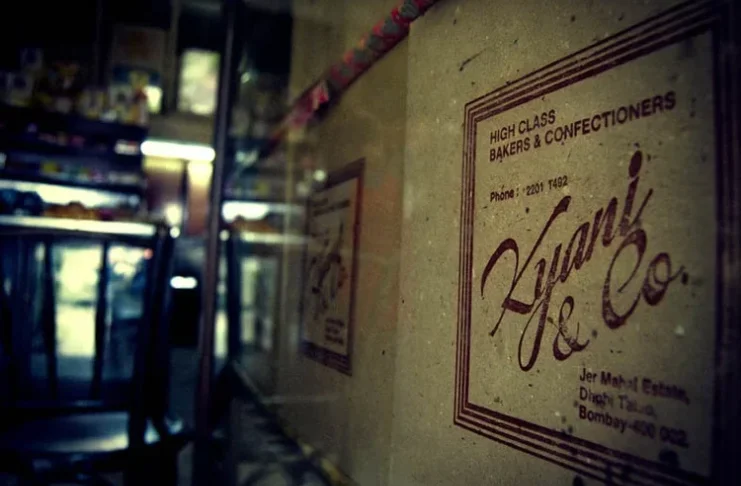

Food-safety enforcement is putting renewed focus on the importance of hygiene controls at long-established restaurants, after Maharashtra’s Food and Drug Administration suspended the food license of Mumbai’s more than century-old Kyani & Co.
The Maharashtra FDA ordered the immediate closure of the iconic Irani café following a September 27 inspection that identified multiple hygiene and food-safety violations in its preparation and storage areas. Inspectors reportedly found rat droppings, live flies and dead cockroaches, along with cats on the premises, blood collected inside a refrigerator and an open sewage manhole in the processing section.
The FDA directed the establishment to stop the purchase, manufacture, processing, storage, sale and distribution of food products. The action was part of inspections conducted across Mumbai between September 23 and 27, during which authorities took action against 13 food establishments in the city.
The case is particularly notable because Kyani & Co., established in 1904, is one of Mumbai’s oldest surviving Irani cafés and has become part of the city’s culinary heritage. Its long operating history, however, does not exempt a restaurant from maintaining current food-safety requirements.
The inspection highlights a challenge that extends well beyond Mumbai: restaurants with long histories still need modern, consistently enforced systems covering pest control, cold-chain management, sanitation, waste handling and food-storage practices.
The Maharashtra FDA’s broader campaign resulted in action against multiple establishments and the seizure of more than 50,000 kg of food products across the state, according to reports citing the regulator.
Other Mumbai establishments were also found with significant hygiene issues during the inspections. Colaba Sweet Mart, for example, faced licence suspension after inspectors reported lizards, larvae, flies and cockroaches, while other outlets were cited for problems involving refrigeration and sanitation.