
When it comes to eating out, we often rely on recommendations shared by friends and family. So it happens that sometimes even the locals don’t know much about the best places to eat and end up missing out on many good places.
However, the internet changed it for all of us. The search has answers to everything you want to know. Along with this change, there has been a cultural evolution in the importance of food.
People these days are more open to the idea of traveling to a foreign country simply because they want to explore and experience the unique cuisine and listen to unheard stories.
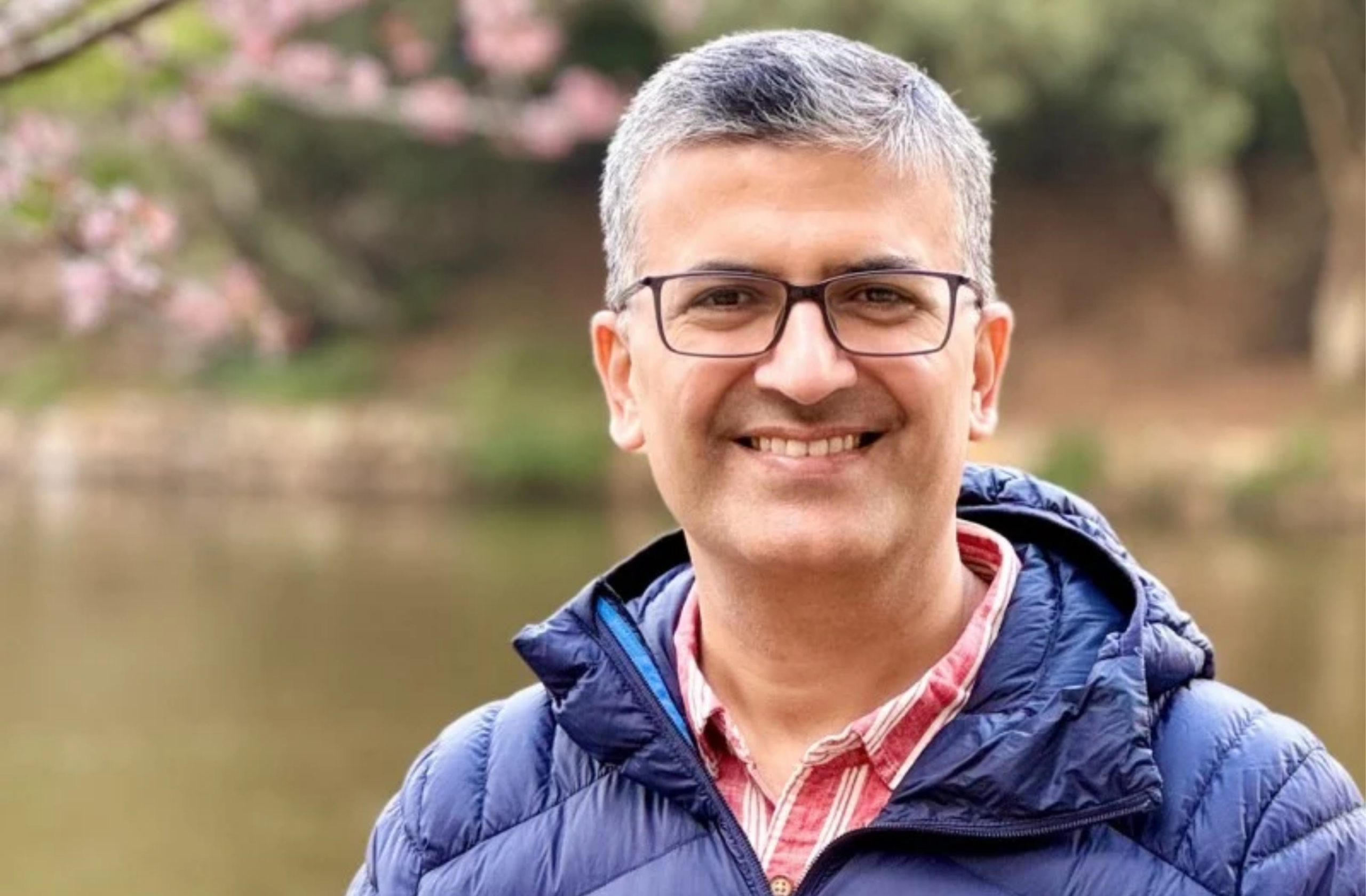
To understand the ins and outs of why this shift & what is the future of Indian street food is, we, the team at The Restaurant Times, sat down with Anubhav Sapra, a long-time Delhi resident and storyteller. He is the founder of Delhi Food Walks, a food-tour and culinary storytelling company, and curates Delhi Food Walks to introduce travelers and locals alike to the city’s authentic cuisine and culture. He also runs the popular Delhi Food Walks YouTube channel and hosts The Anubhav Sapra Show podcast.
Here you go!
How the Idea for a Food Walk Came About, & the Challenges Along the Way
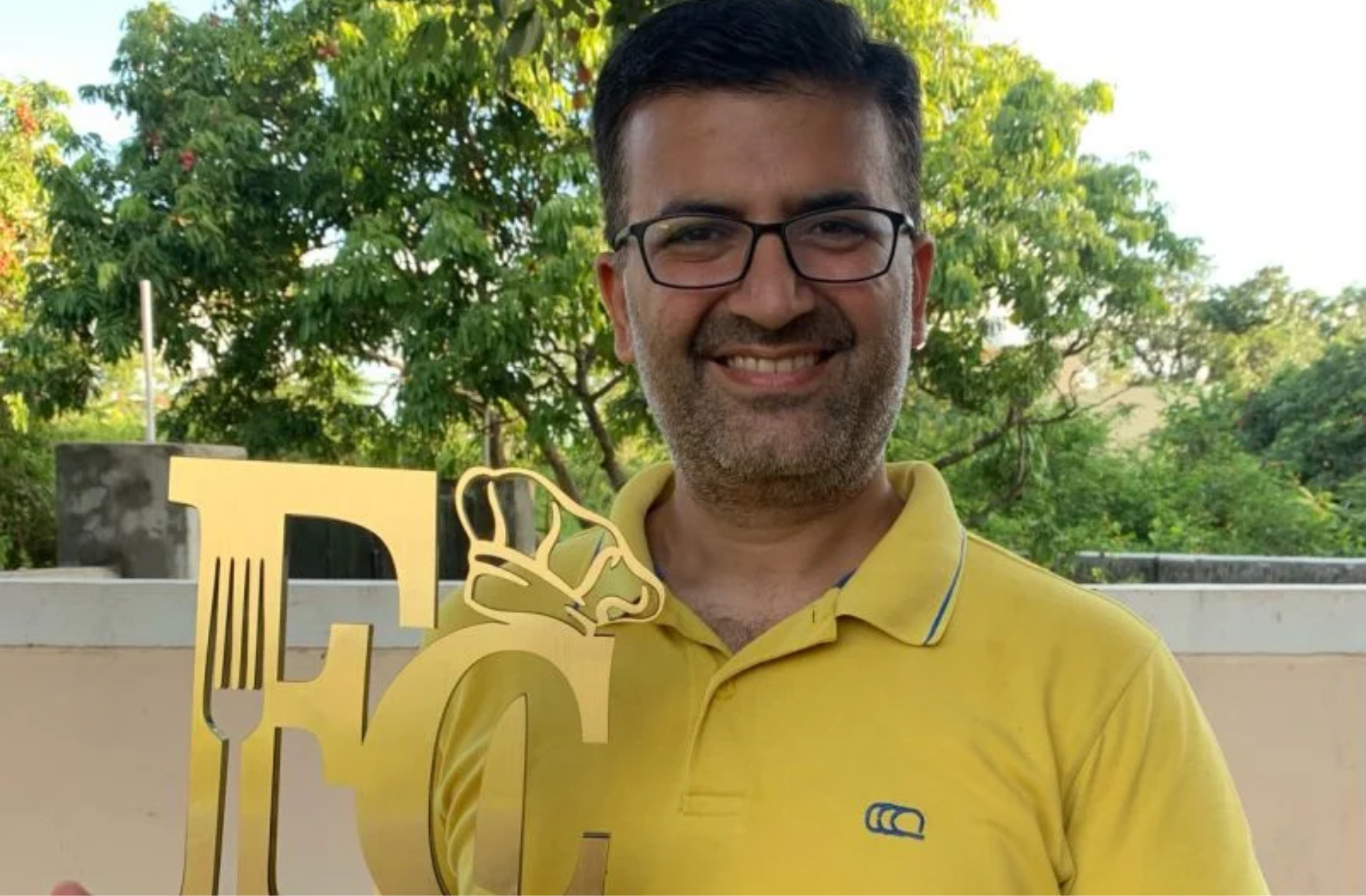
Anubhav Sapra started Delhi Food Walks a decade ago, in 2011. “It’s been 15 years since then,” he said. “When I started, there were no food walks in Delhi. There were heritage walks, architecture walks, and art walks, but there wasn’t any professionally organized food walk.”
He started out as a blogger, writing about the best and lesser-known places to eat at, stories of the people, and street food vendors. It was quite popular among the food community.
The idea of a food walk germinated from there. “I thought I had been writing about this, so why not have a group of like-minded people who would love to go and explore different neighborhoods in Delhi.”
That said, he hadn’t planned on making a career out of it at the time. He was working with a non-profit organization then, and after office hours would go to Old Delhi and spend time walking around the streets, exploring the street food, talking to vendors, and writing blogs about his experiences over the weekend.
Interestingly, when he started conducting research for these walks, he realized that Delhi has a sizable migrant population. People from various parts of the country moved in and brought their local cuisines to the neighborhoods they live in as well. And those cuisines were yet to be explored by the locals.
For the initial 3-4 years, he focused on curating these experiences and introducing people to different cultures and their food. Till that time, these were community walks that anyone could join for free. It was only in 2014, when he finally decided to quit his job, that he decided to make it a sustainable source of income and started the concept of customized food walks.
Talking about challenges, the foremost was dealing with the mindset that street food is unsafe.
The second was that for foreigners, Indian food is really spicy, so he had to explain to them the difference between spicy and hot food. There were many other challenges related to hygiene and cleanliness. However, he has been able to overcome all of these challenges slowly and steadily.
“The majority of the people who come for these walks are foreigners, and there have been no upsetting incidents as such. We ensure to only visit places that serve food safe enough for our foreign audience as well,” he said. “It’s been more than 10 years that we have been doing this regularly now, and I see a big change in the perception of Indian street food internationally.”
“These days people travel to India just to explore the street food. So, I think we have been quite instrumental in changing the earlier perception of Indian food.”
The COVID-19 Experience, and What’s Changed Since
During the COVID era, there was no influx of travelers, and the tourism and hospitality industry was among the most affected. Anubhav Sapra tried virtual food tours but wasn’t satisfied with the format. “You can tell stories through videos, but you can’t make anyone taste the food.”
Street vendors were hit badly by the pandemic, and Delhi Food Walks started a campaign to help them out during this phase.
At the time, the pandemic wasn’t completely over as cases were still surging, and though people had started coming back for tours, frequency hadn’t returned to pre-COVID levels.
“Earlier, we used to do 4-5 walks every day. Now there would be only one walk per week,” he said. Thankfully, that changed with the season, especially the period between October and March, as it’s the peak tourist season in Delhi.
On Food Blogging as a Career
In an era of content overload, Anubhav Sapra noted that it’s now super easy to start a food blog, so the competition is naturally very high. But if anyone wants to make a name for themselves in content, they need to be very, very consistent. Only if you have a consistent viewership and readership can your blogs be monetized through Google Ads, for instance.
“The only important factor is consistency. You should do it only if you are convinced about and really passionate about food.”
Plus, you should keep exploring new content formats, give them each a try, and then decide which one actually works for you.
“If you talk about the masses, the majority prefers reels and short-form visual content. But I think for me personally, it doesn’t make any sense as there is only so much you can explain in such a short format,” Anubhav Sapra said.
He observed that viewer attention spans have come down drastically over time, and that most blogging and social media platforms are pushing short-form content as a result. He has worked on both sides, but prefers long-form content because it tends to be evergreen.
“If I am making a video, I keep in mind that after 5 years, the content should still be relevant, and if you make something of 15 seconds, it’s lost after a week or after 24 hours, or after 2 or 3 days. The shorter form of content might go viral, and you may get views out of it, but after a certain period of time, it will lose its credibility and value.”
Again, that’s Anubhav’s preference. For any aspiring content creator reading this feature, please experiment with every format. Anubhav did it too before deciding short-form wasn’t for him.
Researching Places Before Reviewing Them
Whenever he travels, Anubhav tries to contact local people from different cities to show him around their culture and food, because a person who has grown up and lived there offers insights no listicle can.
“These days it’s very easy to create a listicle about the best places to eat at any place. On the Internet, there are thousands of listicles that will pop up on a similar theme,” he said.
The only thing is to stick to one blog and identify if it’s written by a credible writer or blogger, or anyone who has good knowledge about the place, whether online or through a local person.
Vision Going Ahead, and Advice for Budding Food Creators
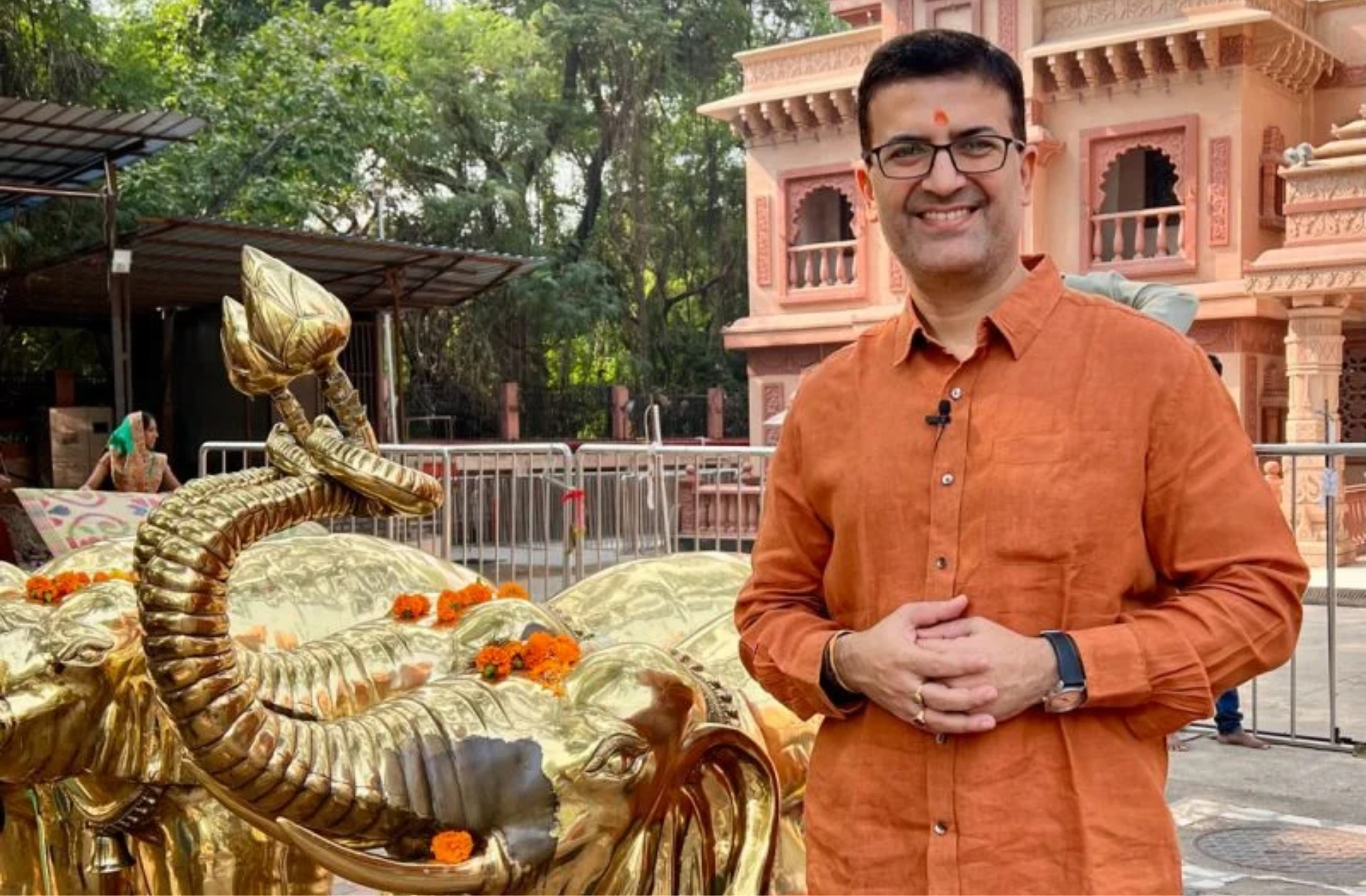
Delhi Food Walks has explored almost every single state of India. By 2026, the brand has marked roughly 15 years of operations, with Anubhav Sapra reflecting on how food walks have evolved since he began organizing them in 2011, and noting substantial growth in demand for curated culinary experiences.
His public positioning has increasingly shifted toward food as a gateway to culture, history, communities, and heritage, and he’s on multiple occasions appeared as an expert commentator on Delhi food culture, street food heritage, culinary tourism, regional cuisines, and food preservation.
Delhi Food Awards, a platform he conceptualized to recognize street-food vendors, heritage food makers, and culinary entrepreneurs, has since completed multiple editions, and Delhi Food Walks has picked up recognition from travel industry partners, including a “Highest Selling Sustainable Experience” partner award.
The brand’s YouTube channel, meanwhile, has grown past 1.4 million subscribers, continuing large-scale documentation of food traditions across multiple Indian states.
As for advice to budding food bloggers, Anubhav Sapra says do it only if you’re passionate about it, not just for the views or followers, and keep at it consistently. That’s about it.