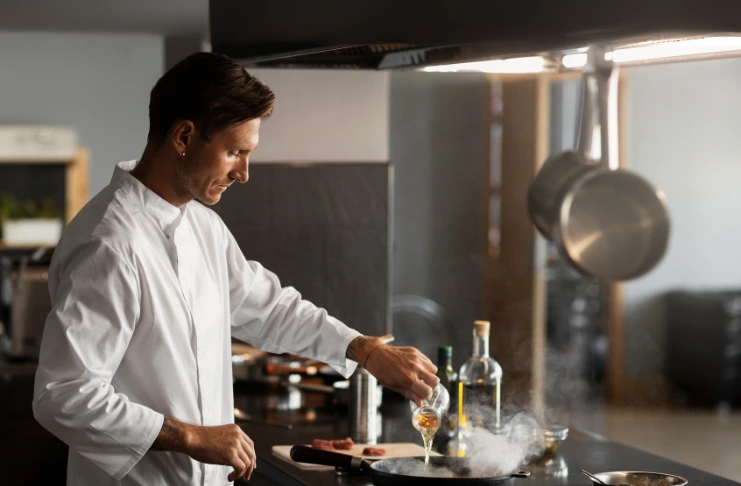

The restaurant industry in the UK is rapidly evolving, with ghost kitchens reshaping how food businesses operate. Also known as dark kitchens or cloud kitchens, these virtual kitchen business UK models function as delivery-only operations without a traditional dining room. By removing the need for front-of-house staff, ghost kitchen setups reduce labour costs and focus entirely on efficient food preparation and quality control for third-party delivery services like Uber Eats.
This innovative business model allows restaurant owners to launch or expand virtual restaurant brands using a single kitchen space, enabling multiple delivery partners to be served simultaneously. With lower overhead costs and streamlined delivery operations, UK ghost kitchens are revolutionizing modern food delivery and restaurant growth strategies.
What is a Ghost Kitchen Business Model?

A ghost kitchen operates via online orders, eliminating the need for a traditional restaurant setup. This delivery-only operation focuses on food preparation and quality control, using platforms like Uber Eats to manage delivery services.
The virtual kitchen business UK model helps existing businesses expand without investing in a dining room. A single kitchen space can support multiple virtual restaurant brands, increasing order volume and streamlining delivery operations.
Dark kitchen spaces allow restaurant owners to test virtual restaurant concepts targeting various customer preferences. With no front of house staff, owners reduce labour costs, focusing on food quality and delivery market success.
INDUSTRY INSIGHT
| According to a report, the UK has experienced a notable surge in food delivery options by 45%, underscoring the dynamic change within the food industry, which dark kitchens are uniquely positioned to serve. |
How to Conduct Market Research and Target Audience Analysis?

Understanding your target market and local competition is key to launching a successful ghost kitchen in the UK and maximizing your reach in the growing delivery market.
Identifying Your Target Market
Understanding customer preferences is crucial for ghost kitchen success. With 69% of Gen Z using food delivery apps and 18–29-year-olds ordering 4.5 times a month, this age group is key for virtual kitchen growth. Analyzing local demographics helps pinpoint high-potential customer segments.
Different virtual brands can target various audiences simultaneously. Peak hour analysis informs staffing and prep decisions.
Analyzing Local Competition
Researching existing UK ghost kitchens reveals market gaps and opportunities. Traditional restaurant competitors may struggle with delivery operations, creating advantages for dedicated virtual kitchens. Understanding competitor pricing helps establish your unique selling point.
Market analysis should include examining delivery platforms’ partner requirements and commission structures. Different third-party delivery platforms serve varying customer segments, influencing your target market strategy.
What are Some Legal Requirements?

Proper licensing and strict food safety compliance are essential for legally operating a ghost kitchen in the UK and maintaining high hygiene standards.
Essential Permits and Licenses
Starting a ghost kitchen in the UK requires specific permits from local authorities. Food businesses must obtain proper licensing before commencing operations. Registration with local councils ensures compliance with food safety regulations and hygiene standards.
The licensing process varies by location but typically includes health department inspections and safety certifications. Dark kitchen operations must meet the same regulatory standards as traditional restaurants.
Food Safety Compliance
Food safety regulations govern all aspects of ghost kitchen operations. Hygiene standards must be maintained throughout the food preparation process. Regular inspections ensure ongoing compliance with health department requirements.
Staff training on food safety protocols is mandatory for all kitchen personnel. Temperature monitoring, proper storage procedures, and contamination prevention measures are essential.
What are Some Efficient Equipment and Technology Setups?
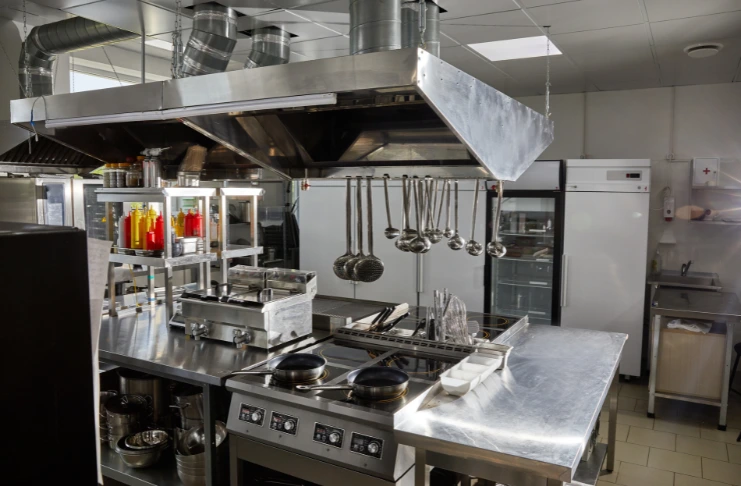
Efficient ghost kitchen setup in the UK relies on quality equipment and integrated tech systems to streamline food prep, manage orders, and serve multiple delivery platforms effectively.
Essential Kitchen Equipment
Ghost kitchens require all the equipment necessary for efficient food preparation. Commercial-grade appliances ensure consistent food quality during high-volume periods. Refrigeration units, cooking equipment, and food storage solutions form the operational backbone.
A kitchen display system streamlines order management from multiple delivery platforms. This technology helps coordinate preparation timing across different virtual restaurant brands.
Technology Integration
Modern ghost kitchens rely heavily on technology for operational efficiency. Point-of-sale systems must integrate seamlessly with various delivery platforms. Order management software helps track preparation times and coordinate with delivery services.
Latest technology solutions include inventory management systems that monitor stock levels automatically. Digital ordering platforms allow direct customer engagement beyond third-party delivery services.
How to Develop Your Menu Development?
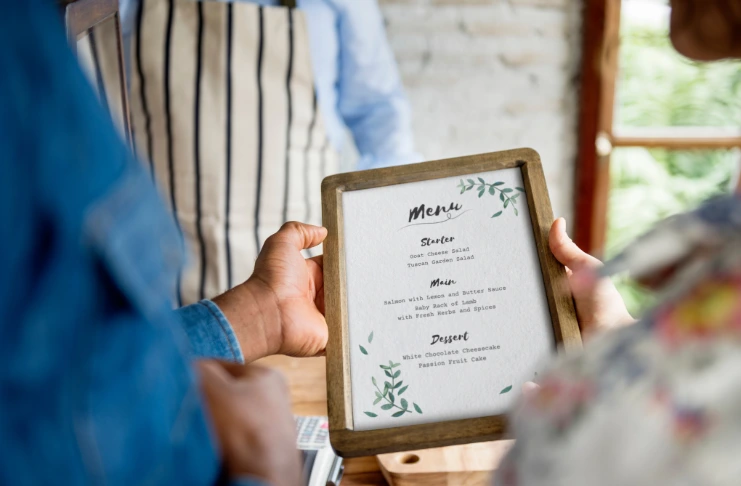
Optimized menus and multiple virtual restaurant brands help your ghost kitchen in the UK deliver quality food and reach diverse customer segments efficiently.
Creating Delivery-Optimized Menus
Menu design for ghost kitchens differs significantly from traditional restaurants. Food items must travel well and maintain quality during delivery. Focus on dishes that remain appealing after transport in insulated containers.
Virtual restaurant brands allow experimentation with different cuisine types from the same kitchen space. With 74% of UK consumers ordering meals online weekly, menus should be tailored for digital platforms.
Multiple Brand Strategy
Operating multiple virtual restaurant brands from the same space increases market reach. Different brands can target various customer segments and price points. This strategy helps capture a larger share of the local delivery market.
Brand identity for each virtual concept should be distinct and appealing to its target audience. Social media platforms play crucial roles in building recognition for each brand.
How to Select the Right Partnership with Delivery Platforms?
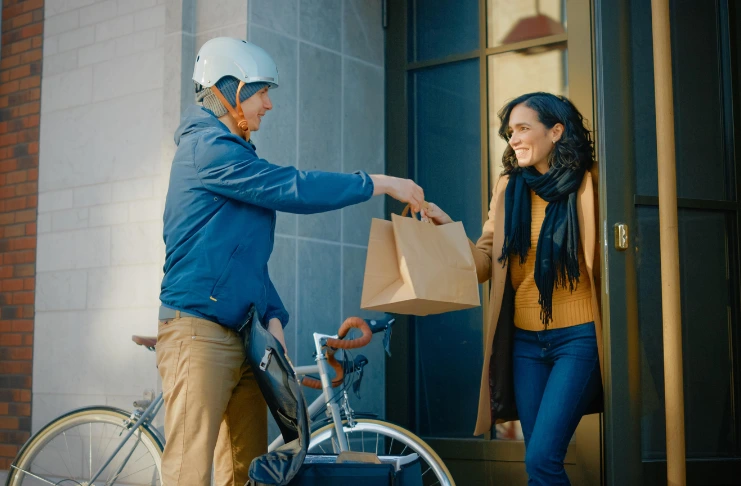
Selecting the right delivery partners is vital for running a profitable and scalable ghost kitchen in the UK, ensuring broad reach, pricing control, and consistent service across platforms.
Selecting Delivery Partners
Partnering with third-party delivery platforms is essential to building a profitable and scalable ghost kitchen in the UK. With 67% of UK consumers using aggregators like Just Eat, Deliveroo, and Uber Eats, selecting the right mix of partners helps maximize reach, manage pricing, and ensure consistent quality.
Commission structures vary significantly between delivery platforms. Understanding fee structures helps optimise pricing strategies for profitability.
Managing Multiple Partnerships
Working with multiple delivery partners requires careful coordination and quality control. Each platform may have different packaging requirements and delivery expectations. Maintaining consistent food quality across all partnerships preserves brand reputation.
Order volume management becomes complex with multiple delivery services. Peak hours may vary between platforms, requiring flexible staffing arrangements.
How to Market and Build Your Brand For Maximum Success?
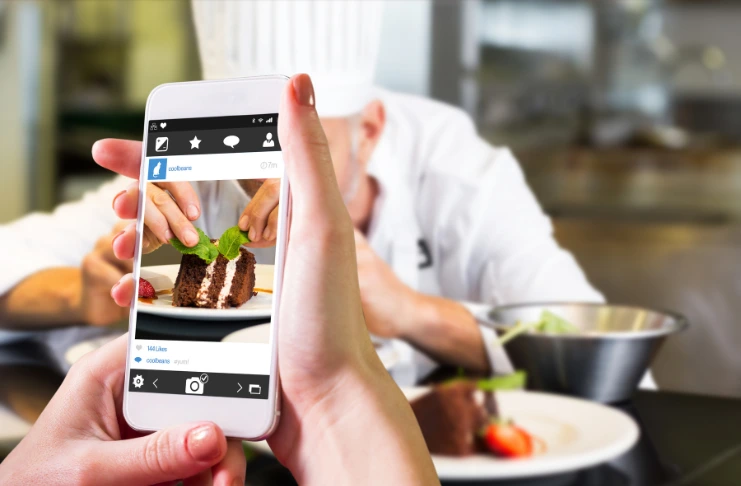
A strong digital marketing strategy and online presence are essential for attracting and retaining customers in the competitive ghost kitchen landscape.
Digital Marketing Strategy
Ghost kitchens depend entirely on digital marketing for customer acquisition. Social media platforms provide cost-effective ways to build brand awareness. Engaging content showcasing food quality and preparation processes attracts potential customers.
Online reviews significantly impact virtual restaurant success. Encouraging satisfied customers to leave positive reviews builds credibility.
Building a Strong Online Presence
A robust online presence is essential for ghost kitchen success. Professional websites and social media profiles establish credibility with potential customers. Regular content updates keep engaged users interested and encourage repeat orders.
Search engine optimisation helps customers discover your virtual restaurant brands. Local SEO strategies improve visibility for nearby customers seeking delivery options.
How to Plan Financials and Manage Costs Effectively?

Careful financial planning is essential for launching a profitable ghost kitchen, from managing initial setup costs to optimising ongoing overhead expenses.
Initial Investment Requirements
Starting a ghost kitchen requires significant upfront investment in equipment and setup. Kitchen space rental, equipment purchases, and initial inventory represent major expenses. Licensing fees and insurance costs add to the initial financial requirements.
Labour costs for ghost kitchens are typically lower than those of traditional restaurants due to reduced staffing needs. However, quality food preparation still requires skilled kitchen personnel.
Managing Overhead Costs
Effective cost management is crucial for ghost kitchen profitability. Overhead costs include rent, utilities, insurance, and equipment maintenance. Streamlined operations help minimise waste and optimise resource utilisation.
Inventory management systems prevent food waste and reduce costs. Efficient scheduling during busy periods maximizes productivity while controlling labour expenses.
What is meant by Operational Efficiency and Quality Control?
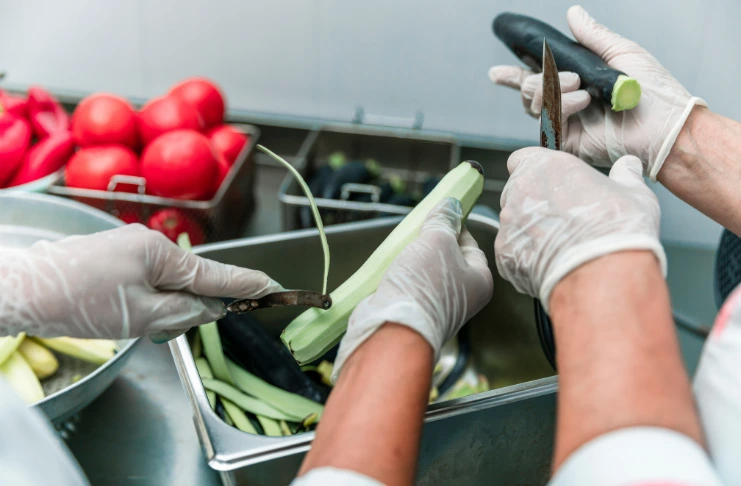
Operational efficiency and strict quality control are critical for ghost kitchens to handle high volumes while delivering consistent, high-quality food every time.
Streamlining Kitchen Operations
Efficient operations are essential for managing high order volumes successfully. Standardised preparation procedures ensure consistency across all virtual restaurant brands. Well-organised kitchen layouts minimise preparation time and reduce errors.
Staff training programmes ensure all personnel understand operational procedures and quality standards. Clear communication systems help coordinate activities during peak hours.
Maintaining Food Quality
Consistent food quality is paramount for ghost kitchen success. Quality control procedures must account for the delivery process and potential delays. Food packaging solutions should preserve temperature and presentation during transport.
Regular quality assessments help maintain standards across all menu items and virtual brands. Customer feedback provides valuable insights into food quality performance.
Conclusion
Starting a ghost kitchen in the UK offers an innovative, cost-effective path for launching or expanding a restaurant business. With no need for a dining room or front-of-house staff, this virtual kitchen model focuses entirely on food quality, delivery operations, and customer satisfaction. By leveraging third-party delivery platforms like Uber Eats and working with multiple delivery partners, you can increase your order volume while maintaining low overhead costs.
Planning for long-term growth is essential to scaling your ghost kitchen sustainably. Expansion through additional locations or virtual brands must align with market demand and operational capabilities to maintain quality. Launching new virtual brands allows testing of different market segments efficiently, while successful concepts can be replicated across multiple delivery zones, driving business growth without major capital outlay.
Whether you’re an existing business owner or entering the food delivery scene, a ghost kitchen setup in the UK offers flexibility, scalability, and access to a growing customer base. Sustained success depends on strong delivery partner relationships, consistent performance, and adapting to evolving trends. Embrace the future of dining with a smart, streamlined ghost restaurant strategy tailored to today’s delivery-only operations.
Frequently Asked Questions
1. Are ghost kitchens legal in the UK?
Yes, ghost kitchens are legal in the UK if they comply with local food safety and business regulations.
2. How much does it cost to start a ghost kitchen?
The cost to start a ghost kitchen in the UK typically ranges from £10,000 to £50,000, depending on size, equipment, and location.
3. How to open a ghost kitchen in the UK?
To open a ghost kitchen in the UK, register your business, secure a licensed kitchen space, meet food hygiene standards, and partner with delivery platforms.
4. Do you need a license to open a ghost kitchen?
Yes, you need to register with your local council and obtain food business licenses before operating a ghost kitchen.
5. Can I do cloud kitchen in the UK?
Yes, you can operate a cloud kitchen in the UK by following health, safety, and business registration requirements.
6. How much does a ghost kitchen cost UK?
A ghost kitchen in the UK can cost between £10,000 and £50,000 based on setup and operational needs.
7. How to start a ghost kitchen in the UK?
Start by registering your business, renting kitchen space, ensuring compliance with food laws, and joining delivery platforms like Uber Eats.
8. What is the difference between a ghost kitchen and a virtual kitchen?
A ghost kitchen is a physical space for delivery-only food prep, while a virtual kitchen is a brand that may operate within a ghost kitchen.
9. Do I need a license for a ghost kitchen?
Yes, you need a food business license and must register with your local authority to run a ghost kitchen.
10. What is the failure rate of ghost kitchen?
The failure rate of ghost kitchens is estimated to be around 45%, often due to poor branding, marketing, or quality control.