
Setting up a bar isn’t just about lining up bottles or tossing in a few shakers; it’s about crafting a space where function meets flair, where every pour is precise, and every tool serves a purpose. Whether you’re building a bustling cocktail bar, revamping a hotel lounge, or creating a stylish home bar for entertaining, the foundation lies in having the right setup from the start.
But what exactly does that entail?
From essential bar tools and professional-grade equipment to the often-overlooked details like the right glassware and ice molds, each item plays a role in enhancing service, speed, and the overall guest experience. A well-planned bar isn’t just visually appealing; it’s intuitive for the bartender and impressive for the customer. In fact, research shows that bars with optimized layouts and properly equipped stations see faster service times and improved staff efficiency.
In this guide, we’ll walk you through the modern essentials every bar setup needs. Whether you’re starting from scratch or upgrading your current station, you’ll find everything required to ensure your bar is not only operational but outstanding. From the shaker to the strainer, the cooler to the cutting board, let’s break down what truly makes a bar setup work.
What Are Some Essentials for a Bar Setup?
The following are the important bar setup items for your bar:
Bar Tools

Bar tools are the foundation of any successful bar operation. These are the implements that bartenders rely on daily to craft drinks with precision, speed, and flair. Whether you’re mixing a classic martini or layering a complex cocktail, having professional-grade bar tools can elevate the quality and presentation of every drink. From the basics, such as jiggers and cocktail shakers, to the more nuanced fine-mesh strainers and muddling tools, the right equipment can streamline service and impress customers.
INDUSTRY INSIGHT
| The global bar tools market was valued at approximately USD 1.67 billion in 2024 and is projected to grow to USD 2.5 billion by 2032, with a compound annual growth rate (CAGR) of around 5.16% from 2025 to 2032. |
Essential Bar Tools
The core of any bar setup includes a set of essential bar tools that every bartender should be familiar with. These tools include a cocktail shaker (Boston or cobbler style), a mixing glass, a bar spoon, a jigger, a Hawthorne strainer, and a fine mesh strainer. Each tool plays a specific role, from measuring ingredients to ensuring a smooth, pulp-free pour. Investing in high-quality versions of these essentials will not only improve drink consistency but also reduce long-term replacement costs.
- Bottle Opener
While simple in function, a bottle opener is indispensable behind the bar. Whether you’re popping the cap off a beer or opening mixers in a hurry, a reliable bottle opener ensures speed and smooth service. Consider speed openers for high-volume venues and wine keys (waiter’s corkscrews) for wine bottle service. The efficiency of a bottle opener might seem minor, but in a busy shift, every second counts.
- Cocktail Shaker
The cocktail shaker is a symbol of bartending and a critical component of any bar setup. It is used for shaken drinks that require a brisk blend of ingredients, think margaritas, cosmopolitans, or mojitos. Valued at approximately USD 755 million in 2024, the market is projected to grow at a CAGR of 5.7% between 2025 and 2034, highlighting its essential role across the industry. Boston shakers offer speed and flair, while cobbler shakers include built-in strainers for simpler prep.
- Cocktail Strainer
No bar is complete without a cocktail strainer. After shaking or stirring a drink, the strainer ensures that ice shards, seeds, and fruit pulp don’t end up in the glass. Use a Hawthorne strainer for coarse filtering and a fine mesh strainer for more delicate clarification. The combination of the two is especially effective for drinks that require a polished finish, such as a daiquiri or a whiskey sour.
- Cutting Board
An essential yet often overlooked element of the bar is the cutting board. It serves as the foundation for preparing garnishes, slicing citrus, and dicing cocktail ingredients. Designate separate boards for different prep tasks to maintain hygiene standards. A well-maintained cutting board also contributes to speed and organization during busy shifts.
Essential Bar
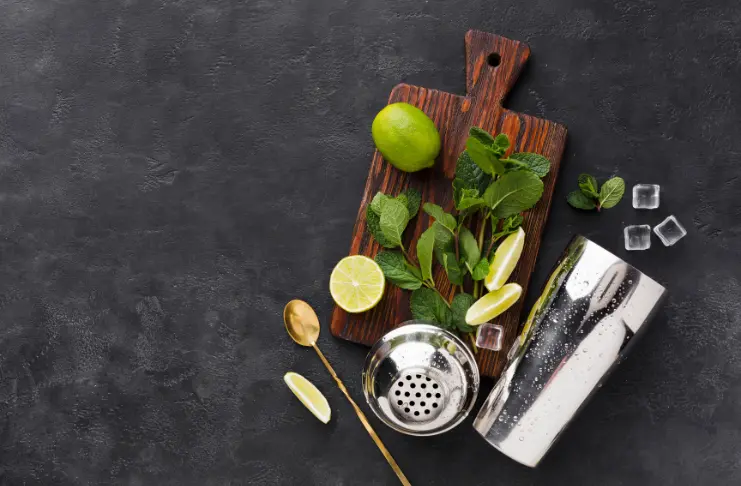
The term “essential bar” refers to the complete collection of items that transform a space into a functional bar. This includes not just tools and equipment but also fresh ingredients, garnishes, mixers, and syrups. Think of it as the backbone of your operation, everything that needs to be in place before the first drink is poured. It ensures that bartenders can work efficiently and guests enjoy consistent, high-quality drinks.
Bar Equipment
Bar equipment goes beyond handheld tools and includes the larger fixtures that define your bar’s capabilities. These items range from bar carts and refrigeration units to sinks and prep stations. Equipment like a cutting board, ice maker, and wine cooler supports speed, sanitation, and quality. A thoughtful arrangement of bar equipment contributes to a smooth workflow, allowing bartenders to serve consistently under pressure.
- Bar Cart
A bar cart is both a practical and aesthetic addition to modern bar setups. For smaller venues or at-home applications, it offers mobility and storage in one stylish package. It can hold everything from tools and glassware to mixers and liquor bottles, and it can be wheeled to where service is needed. With proper organization, a bar cart can match the efficiency of a full-sized bar station.
- Bartending Tools
Beyond the basics, bartending tools include specialty items that support drink quality and operational flow. Ice buckets, ice molds, citrus juicers, peelers, and garnish tongs all fall into this category. These tools support consistency, cleanliness, and creativity. For instance, using shaped ice molds adds a unique aesthetic to cocktails, while citrus juicers ensure fresh juice with minimal waste.
What Are the Important Modern Bar Setup Items?

A successful bar doesn’t just run on great drinks; it thrives on smart organization. Whether you’re setting up a full-scale venue or refining a compact service station, the layout and structure of your bar directly impact workflow, speed, and customer experience. A modern bar setup checklist ensures that every element, tool, ingredient, glassware, and equipment is strategically placed for maximum efficiency. The following checklist breaks down each station and is essential to help you design a high-performing, intuitive bar that works as hard as your team does.
- Open with layout planning: Identify pour zones and workflow.
- Glassware station: designate sections for wine, martini, and highball glasses.
- Tools tray: shaker, strainers, spoons, mixers.
- Garnish well: orange wedges, cocktail onions, and fruit juices labeled.
- Mixer station: soda, tonic, and ginger ale within reach.
- Prep gear: cutting board, citrus juicer, hand towel rack.
- Ice setup: ice maker, bucket, molds stocked.
- Cold storage: wine cooler, fridge for juices, and beer.
- Sink access: ensures constant rinse for tools and glassware.
- Service speed station: bottle opener, wine key, pour spouts.
- Waste bins: Cuttings and trash are segregated for hygiene purposes.
- Cleaning supplies: sanitizer, cloths, and drip mats.
- POS integration: Ensure handheld checkout is set if available.
- Inventory zone: syrups, citrus, bitters, simple syrup.
- Backbar display: a visually appealing layout of bottles.
- Backup stock: extra glassware and ice ready.
- Training board: cocktail recipes, shift checklist, and tool use.
A well-planned bar setup is like a finely tuned machine; when everything has its place, bartenders move with ease, drinks are crafted with consistency, and guests enjoy faster, more memorable service. Use this checklist as your go-to blueprint to avoid clutter, reduce stress, and elevate the overall bar experience. Whether you’re opening a new venue or upgrading an existing one, these essentials will help you create a functional, stylish, and service-ready bar from the ground up.
Conclusion
Creating an efficient and professional bar setup requires more than just good taste; it calls for intentional planning, quality equipment, and a clear understanding of how every component contributes to the bigger picture. From the bar tools that bartenders rely on daily, such as shakers, jiggers, strainers, and bar spoons, to foundational equipment like cutting boards, ice makers, and wine coolers, each piece plays a vital role in ensuring consistency, speed, and presentation.
A well-organized bar setup isn’t just about aesthetics; it’s about workflow. Whether it’s a full-service cocktail bar, an upscale lounge, or a compact home bar, efficiency comes from having the right tools within reach, mixers prepped, garnishes ready, and ice exactly where you need it. Even small details, such as having the right glass for each drink, using fresh ingredients, and incorporating modern accessories like citrus juicers and fine-mesh strainers, can make a significant impact on the guest experience.
This guide walked you through all the bar setup essentials, from must-have bartending tools and smart equipment choices to layout guidelines and a modern checklist that ensures nothing is overlooked. So, whether you’re just getting started or planning a revamp, remember this: a great bar doesn’t have to be overwhelming to build. Focus on the essentials, keep the layout intuitive, and choose equipment that supports your service style. Most importantly, enjoy the process, because a thoughtful set-up bar isn’t just a workplace; it’s a stage for creativity, hospitality, and connection.
Raise your glass to fresh starts, great design, and even better drinks. Your perfect bar is just a setup away. Go ahead and build it!
Frequently Asked Questions
1. What are the essentials for a bar setup?
A bar setup requires essential tools (such as shakers and strainers), specialized equipment (like ice makers and coolers), glassware, mixers, and fresh ingredients.
2. What items are essential for a bar cart?
A bar cart should include basic spirits, a cocktail shaker, a strainer, a bar spoon, a jigger, an ice bucket, glassware, and commonly used mixers.
3. What equipment is required in a bar?
Key bar equipment includes an ice maker, wine cooler, bar sink, refrigerator, cutting board, and storage shelves or cabinets.
4. What is a bar checklist?
A bar checklist is a detailed list of tools, ingredients, cleaning supplies, and prep tasks needed to ensure smooth bar operations.
5. What equipment should a bartender have?
Bartenders need a cocktail shaker, strainer, jigger, bar spoon, mixing glass, citrus juicer, and a wine key for daily service.
6. What does every bartender need?
Every bartender needs core tools, fresh ingredients, ice, clean glassware, and a well-organized workstation for efficient service.
7. What are essential bar tools?
Essential bar tools include a shaker, jigger, bar spoon, Hawthorne, fine mesh strainers, muddler, and mixing glass.
8. What is a bar opening checklist?
A bar opening checklist outlines all tasks required before service begins, including stocking inventory, preparing garnishes, and cleaning stations.
9. What are some bar layout guidelines?
Effective bar layouts prioritize workflow, keeping tools, glassware, and ingredients within easy reach to maximize speed and efficiency.
10. How much does a bar setup cost?
A basic bar setup can cost between $3,000 and $20,000, depending on size, quality of equipment, and design complexity.
11. What do you need for a bar setup?
You need tools, bar equipment, glassware, alcohol stock, mixers, fresh ingredients, and space designed for efficient service.
12. What is needed to build a bar?
To build a bar, you need a physical counter structure, plumbing, electrical setup, refrigeration, shelving, and all essential bar tools.
13. What tools does every bartender need?
Every bartender needs a shaker, strainer, jigger, bar spoon, wine key, citrus press, and a sharp knife or peeler.
14. What are bar tools and equipment?
Bar tools are handheld items, such as shakers and jiggers, while bar equipment encompasses larger fixtures, including ice makers and coolers.