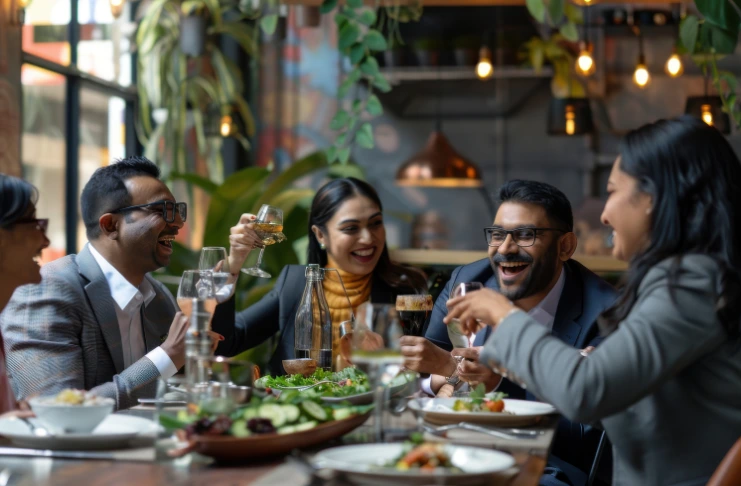

The culinary landscape of Ahmedabad continues to evolve at a remarkable pace, reflecting the dynamic nature of India’s restaurant business and the changing preferences of modern diners. As we navigate through 2025, the city stands as a testament to how traditional food culture can seamlessly blend with contemporary innovations to create an extraordinary dining ecosystem.
The restaurant industry in Ahmedabad reflects the broader transformation occurring across India, where the foodservice sector has experienced unprecedented growth. The India Foodservice Market size is estimated at 85.19 billion USD in 2025, and is expected to reach 139.8 billion USD by 2030, growing at a CAGR of 10.41% during the forecast period. This robust expansion has a direct impact on local markets, such as Ahmedabad, where restaurant owners and food enthusiasts are capitalizing on emerging opportunities.
The city’s restaurant scene has become increasingly sophisticated, evolving beyond traditional establishments to offer diverse dining experiences that cater to a wide range of tastes and preferences. From authentic street food vendors operating out of small stores to luxury restaurants featuring creations by celebrity chefs, Ahmedabad offers a comprehensive spectrum of culinary experiences that continue to attract both locals and visitors.
Modern diners in Ahmedabad have developed refined palates and higher expectations for their dining experiences. They seek establishments that provide exceptional food quality, alongside a memorable ambiance and superior service. This shift has prompted restaurant owners across the city to rethink their operational strategies and invest in comprehensive improvements that address every aspect of the customer journey.
The transformation extends beyond mere food preparation to encompass the entire hospitality experience. Restaurants now focus on creating distinctive brand identities that resonate with their target audiences while maintaining authenticity in their offerings. This approach has led to the emergence of themed restaurants, concept dining spaces, and specialized establishments that cater to specific dietary preferences and lifestyle choices.
Local food enthusiasts have become increasingly adventurous, embracing international cuisines while maintaining their appreciation for traditional flavours. This dual preference has created opportunities for restaurants to experiment with fusion concepts while staying rooted in cultural authenticity. The result is a dining landscape that celebrates diversity while honoring local traditions.
Understanding the Current Restaurant Business Landscape

The restaurant business in Ahmedabad has undergone a significant transformation, driven by shifts in consumer behavior and technological advancements. Independent restaurants dominate the market, accounting for a substantial portion of the city’s dining establishments.
INDUSTRY INSIGHTS
| The India Foodservice Market size is estimated at $ 85.19 billion USD in 2025 and is expected to reach $ 139.8 billion USD by 2030, growing at a CAGR of 10.41% during the forecast period. Independent outlets dominate the Indian restaurant industry, accounting for approximately 65% of the market share in 2024. This trend is particularly evident in Ahmedabad, where local entrepreneurs have successfully established restaurants that reflect authentic regional flavors. |
Modern restaurant owners in the city recognize the importance of creating unique dining experiences that go beyond serving exceptional food. They focus on developing comprehensive hospitality strategies that encompass ambience, service quality, and customer engagement. The first floor of many restaurants now features specialized dining areas designed to enhance the overall meal experience, while ground floors often house casual dining spaces or cafes.
The growth trajectory of the restaurant industry presents numerous opportunities for entrepreneurs looking to establish their presence in Ahmedabad’s competitive market. Restaurant owners are increasingly investing in staff training, quality ingredients, and innovative cooking techniques to differentiate their establishments and attract more customers.
Food Trends Shaping Ahmedabad’s Dining Scene
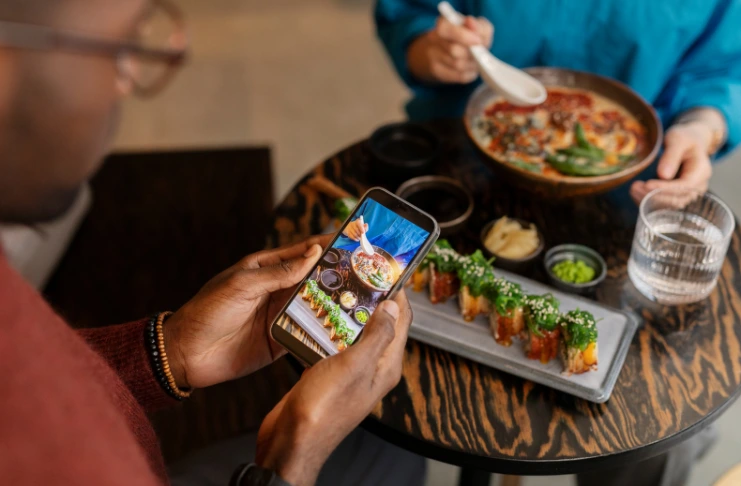
Contemporary food trends in Ahmedabad reflect a fascinating blend of traditional Gujarati cuisine with international flavours and modern presentation styles. The city’s food enthusiasts have embraced diverse culinary experiences, creating demand for restaurants that offer both familiar comfort foods and adventurous new dishes.
Plant-based dining has gained significant traction among health-conscious diners, with many restaurants expanding their menus to include innovative vegetarian and vegan options. These establishments focus on creating dishes that deliver exceptional taste while meeting the nutritional needs of modern consumers who prioritize healthy eating. The trend extends beyond simple salads to include complex plant-based proteins, innovative dairy alternatives, and creative preparations that satisfy even the most discerning palates.
Fusion cuisine represents another significant trend, where chefs combine traditional Gujarati spices and cooking techniques with international ingredients to create unique flavour profiles. These innovative approaches have resulted in dishes that celebrate local culture while appealing to cosmopolitan tastes. Popular fusion combinations include Indo-Italian preparations, Asian-Gujarati blends, and contemporary interpretations of traditional recipes that maintain authentic flavours while presenting them in modern formats.
The street food culture continues to evolve, with many vendors upgrading their operations to meet modern hygiene standards while maintaining the authentic flavours that make Ahmedabad’s street food legendary. These establishments serve as bridges between traditional food culture and contemporary dining expectations.
Health and wellness considerations have become increasingly important in menu planning, with restaurants offering gluten-free options, organic ingredients, and dishes designed to meet specific dietary requirements. This trend reflects growing awareness about nutrition and the connection between food choices and overall well-being. Many establishments now provide detailed nutritional information and ingredient lists to help customers make informed decisions.
Seasonal menu rotations have gained popularity as restaurants seek to showcase fresh, locally-sourced ingredients while keeping their offerings exciting and relevant. These changes allow establishments to take advantage of peak seasonal flavours while managing food costs effectively. The approach also demonstrates commitment to sustainability and support for local agriculture.
Comfort food reimagined has emerged as a significant trend, where chefs take traditional comfort foods and present them with elevated techniques and premium ingredients. This approach satisfies nostalgia while meeting contemporary expectations for quality and presentation. The trend has proven particularly successful in attracting customers seeking familiar flavours presented in sophisticated formats.
Rise of Authentic South Indian Delicacies
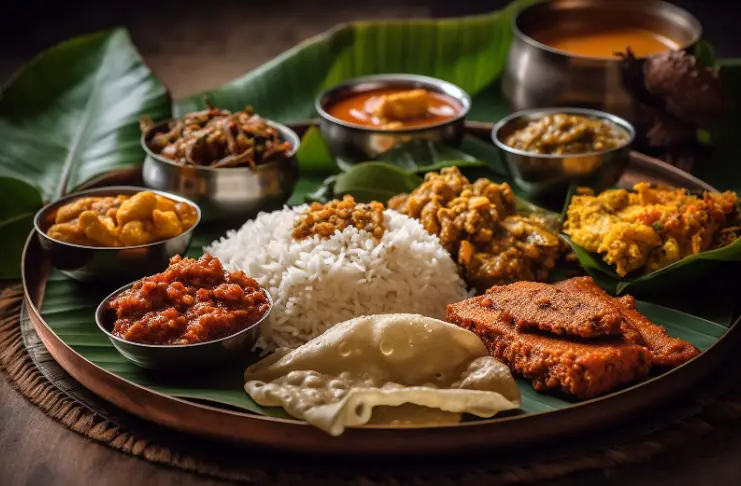
Ahmedabad has witnessed a remarkable surge in restaurants specializing in authentic South Indian delicacies, reflecting the city’s growing appreciation for diverse regional cuisines. These establishments have successfully introduced traditional South Indian cooking methods and ingredients to local palates, creating a new segment within the city’s restaurant landscape.
The popularity of authentic South Indian delicacies extends beyond simple dosa and idli preparations to include complex curries, traditional rice dishes, and region-specific specialties. Restaurants focusing on this cuisine invest considerable effort in sourcing authentic ingredients and training their chefs in traditional cooking techniques to ensure authenticity. Many establishments import specialty ingredients like curry leaves, coconut oil, and specific varieties of rice to maintain the authentic taste profiles that define regional South Indian cuisines.
Many South Indian restaurants in Ahmedabad have developed loyal customer bases by maintaining consistency in taste and quality while adapting portion sizes and spice levels to suit local preferences. These establishments often feature open kitchens where diners can observe the preparation of their meals, adding transparency to the dining experience. The visual aspect of food preparation has become an important element in building trust and demonstrating authenticity.
The success of authentic South Indian delicacies in Ahmedabad demonstrates the city’s openness to culinary diversity and the sophistication of local diners who appreciate high-quality regional cuisine. Restaurant owners have recognized this trend and continue to invest in expanding their South Indian menu offerings. Some establishments have developed partnerships with South Indian culinary experts and traditional cooks to ensure authentic preparation methods are maintained.
Regional specialization within South Indian cuisine has allowed restaurants to differentiate themselves by focusing on specific states or cooking styles. Tamil Nadu, Kerala, Karnataka, and Andhra Pradesh cuisines each offer distinct flavours and preparation methods that appeal to different customer segments. This specialization has created opportunities for restaurants to become known for particular dishes while building expertise in specific regional traditions.
The breakfast culture in South Indian restaurants has gained particular traction, with many establishments opening early to serve traditional breakfast items like upma, uttapam, and various dosa varieties. These breakfast offerings have become popular among health-conscious diners seeking nutritious alternatives to conventional breakfast options. The emphasis on fermented foods and traditional preparation methods aligns with growing awareness about digestive health and probiotic benefits.
Staff training in South Indian restaurants focuses on understanding traditional cooking methods, ingredient properties, and presentation styles that maintain authenticity while meeting modern service standards. Many establishments send their cooks to South Indian states for intensive training or hire experienced chefs from the region to lead their kitchen operations. This investment in authentic expertise has proven essential for building credible South Indian dining experiences.
Street Food Evolution and Modern Adaptations
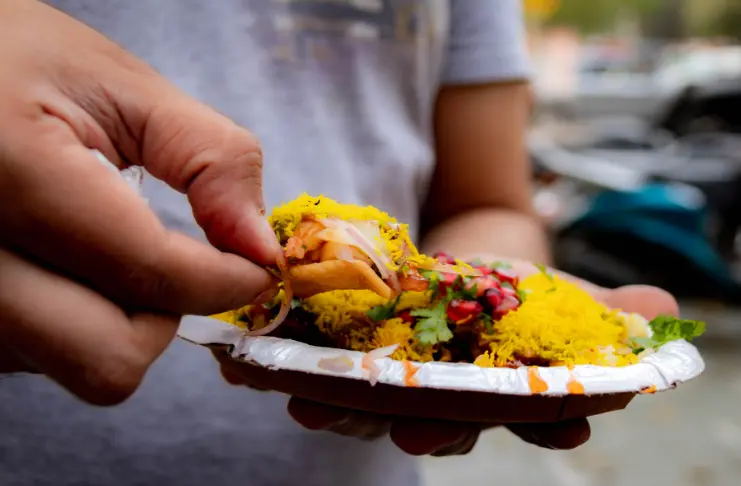
Street food remains an integral part of Ahmedabad’s culinary identity, with vendors and small restaurant owners constantly innovating to meet evolving consumer expectations. The traditional street food scene has embraced modern food safety standards while preserving the authentic flavours that define local cuisine.
Contemporary street food vendors have upgraded their operations by investing in better equipment, improved storage facilities, and enhanced hygiene practices. These improvements have enabled them to serve traditional favourites like dhokla, khandvi, and various chaat preparations in cleaner, more organized environments. The modernization process has also included staff training on food safety protocols and customer service standards.
The integration of technology has revolutionized street food operations, with many vendors accepting digital payments and maintaining social media presence to connect with customers. This technological adoption has helped street food establishments reach broader audiences and build sustainable businesses. Many vendors now use apps to manage orders, track inventory, and communicate with customers about special offerings and location updates.
Mobile food trucks and pop-up street food stalls have become increasingly popular, allowing entrepreneurs to test new concepts and reach different neighborhoods without significant initial investment. These flexible business models have contributed to the diversification of Ahmedabad’s street food offerings. The mobility factor enables vendors to participate in festivals, corporate events, and special gatherings, thereby building their customer base.
Food safety certifications have become standard requirements for street food operations, with vendors investing in training and equipment to meet regulatory standards. This professionalization of the street food sector has improved consumer confidence while maintaining the authentic flavours that define Ahmedabad’s culinary identity. Regular health inspections and compliance monitoring ensure that standards are maintained consistently.
The packaging revolution in street food has addressed environmental concerns while improving food presentation and portability. Many vendors have adopted eco-friendly packaging materials and innovative container designs that preserve food quality during transport. This attention to packaging has also enhanced the visual appeal of street food offerings, making them more suitable for social media sharing.
Customer engagement strategies have evolved beyond simple transactions to include loyalty programs, special events, and community involvement. Successful street food vendors have learned to build relationships with their customers through consistent quality, friendly service, and active participation in local events and festivals.
Fine Dining Revolution in the Heritage City
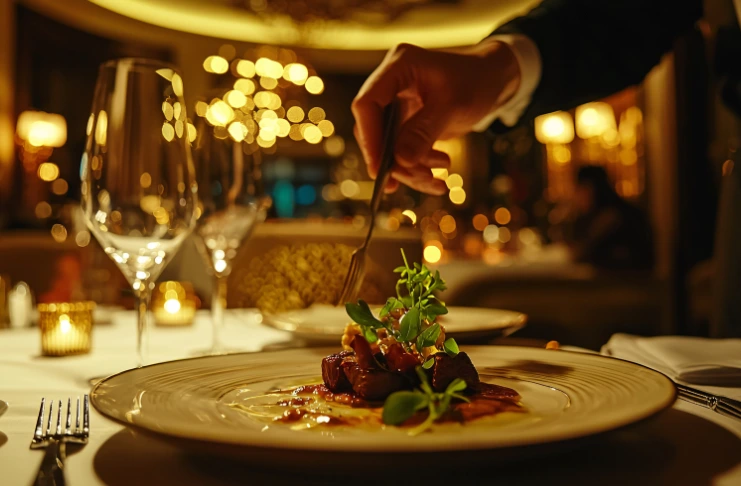
Fine dining establishments in Ahmedabad have redefined luxury dining experiences by combining exceptional culinary skills with sophisticated ambience and impeccable service standards. These restaurants focus on creating memorable experiences that justify premium pricing while delivering outstanding value to their patrons. The transformation of fine dining in the city reflects growing affluence and sophisticated tastes among local diners.
The fine dining sector has attracted talented chefs who bring diverse culinary backgrounds and innovative cooking techniques to create unique menu offerings. These establishments often feature seasonal menus that showcase the best local ingredients while incorporating international flavours and presentation styles. Many chefs have trained in international culinary schools or worked in renowned restaurants before bringing their expertise to Ahmedabad’s fine dining scene.
Wine and beverage programs have become increasingly sophisticated, with fine dining restaurants investing in extensive collections and training staff to provide expert recommendations. The bar areas within these establishments often serve as social hubs where patrons can enjoy crafted cocktails and premium spirits. Sommelier services and wine pairing recommendations have become standard offerings in upscale establishments.
The architecture and interior design of fine dining restaurants contribute significantly to the overall experience, with many establishments occupying heritage buildings or featuring contemporary designs that reflect Ahmedabad’s cultural identity while providing modern comfort. Professional interior designers work closely with restaurant owners to create spaces that complement the cuisine and service style while ensuring operational efficiency.
Private dining rooms and exclusive experiences have become important differentiators for fine dining establishments seeking to attract special occasion diners and corporate clients. These spaces offer intimate settings for celebrations, business meetings, and exclusive events while maintaining the same high standards of food and service quality.
Tasting menus and chef’s table experiences provide opportunities for restaurants to showcase their culinary creativity while commanding premium pricing. These offerings allow chefs to present their skills in curated experiences that tell culinary stories and create lasting impressions on diners. The interactive nature of these experiences often includes direct interaction with chefs and detailed explanations of preparation techniques.
Service training in fine dining establishments emphasizes attention to detail, anticipation of customer needs, and seamless coordination between kitchen and front-of-house staff. Many restaurants invest heavily in ongoing training programs to ensure that service standards remain consistently high and that staff members can effectively communicate the restaurant’s philosophy and menu offerings to guests.
Celebrity Chef Influence on Local Cuisine
The presence of celebrity chef influences has significantly impacted Ahmedabad’s restaurant scene, with established chefs opening restaurants and collaborating with local establishments to elevate culinary standards. These partnerships have introduced advanced cooking techniques and international cuisine concepts to local markets while creating excitement among food enthusiasts seeking unique dining experiences.
Celebrity chef restaurants often serve as inspiration for local chefs and restaurant owners who observe successful operational practices and adapt them to their own establishments. This knowledge transfer has contributed to the overall improvement in food quality and service standards across the city. The exposure to professional kitchen management, menu development strategies, and customer service excellence has raised the bar for all restaurants in the competitive market.
The marketing appeal of celebrity chef associations has proven valuable for restaurant owners looking to differentiate their establishments and attract food enthusiasts seeking unique dining experiences. These collaborations often generate significant media attention and help establish restaurants as destinations. The celebrity association creates initial interest that must be sustained through consistent quality and exceptional service to build lasting customer relationships.
Television cooking shows and the social media presence of celebrity chefs have influenced local cooking trends, with many restaurants incorporating popular techniques and presentation styles into their menu offerings. This trend has elevated the overall sophistication of Ahmedabad’s dining scene while introducing diners to international culinary concepts and advanced preparation methods.
Masterclasses and culinary workshops conducted by celebrity chefs have contributed to skill development among local culinary professionals. These educational initiatives help raise the overall quality of cooking in the city while providing learning opportunities for aspiring chefs and restaurant staff. The knowledge sharing creates a more skilled workforce that benefits the entire restaurant industry.
Celebrity chef concepts often introduce innovative business models that combine dining with entertainment, education, and retail opportunities. These multi-faceted approaches create additional revenue streams while providing diverse experiences that appeal to different customer segments. The integration of cooking classes, specialty product sales, and exclusive events demonstrates how celebrity chef partnerships can expand traditional restaurant business models.
The influence extends to ingredient sourcing and supplier relationships, with celebrity chef restaurants often demanding higher-quality ingredients and specialized products. This demand creates opportunities for local suppliers to upgrade their offerings and develop new product lines that can serve the broader restaurant market. The elevated standards benefit the entire supply chain ecosystem.
Menu innovation accelerates when celebrity chefs bring their expertise to local establishments, introducing new flavor combinations, cooking techniques, and presentation styles. These innovations often become adopted by other restaurants, creating ripple effects that enhance the overall dining landscape. The creative influence helps establish Ahmedabad as a destination for culinary innovation and experimentation.
Technology Integration and Digital Marketing Campaigns
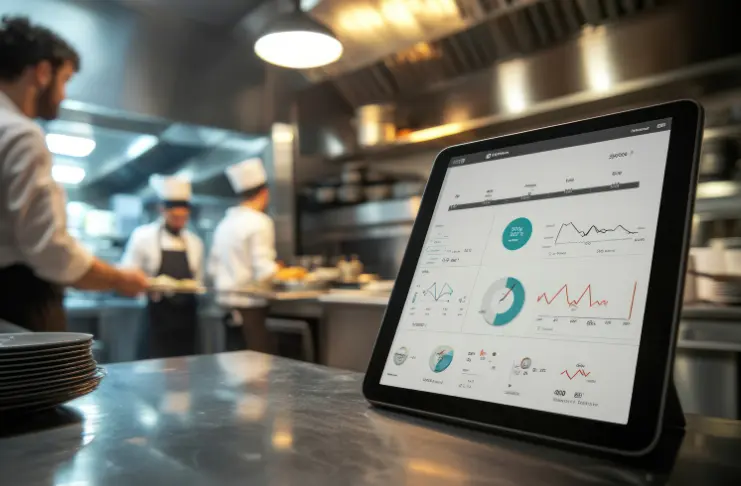
Modern restaurant operations in Ahmedabad have embraced technology integration to improve efficiency, enhance customer experience, and expand their market reach. Point-of-sale systems, inventory management software, and customer relationship management tools have become standard components of successful restaurant operations. These technological investments help streamline operations while providing valuable data insights that inform business decisions.
Digital marketing campaigns have become essential for restaurants looking to attract more customers and build brand recognition. Social media platforms provide cost-effective channels for restaurants to showcase their dishes, promote special offers, and engage with their customer base. Successful digital marketing strategies combine compelling visual content with strategic timing and targeted audience engagement to maximize reach and impact.
Online food delivery platforms have transformed the restaurant business model, enabling establishments to reach customers beyond their immediate geographic location. Many restaurants have optimized their operations to accommodate delivery orders while maintaining food quality and customer satisfaction. The integration of delivery services requires adjustments to packaging, menu offerings, and operational workflows to ensure successful execution.
Customer feedback systems and review platforms have increased transparency in the restaurant industry, encouraging establishments to maintain high standards and respond promptly to customer concerns. This feedback loop has contributed to overall quality improvements across the sector while providing valuable insights for continuous improvement initiatives.
Automated reservation systems and table management software help restaurants optimize seating capacity and reduce wait times while improving the customer experience. These systems enable better planning and resource allocation while providing customers with convenient booking options and real-time availability information.
Kitchen display systems and order management technology have streamlined food preparation processes, reducing errors and improving timing coordination between different stations. These improvements contribute to faster service delivery and more consistent food quality while reducing stress on kitchen staff during peak periods.
Customer loyalty programs powered by mobile apps and digital platforms help restaurants build relationships with repeat customers while gathering valuable data about preferences and behavior patterns. These programs can offer personalized rewards, exclusive offers, and convenient ordering options that encourage regular visits and higher spending.
Data analytics tools help restaurant owners understand customer behavior, identify popular menu items, and optimize pricing strategies. The insights gained from data analysis can inform menu development, staffing decisions, and marketing campaigns while helping restaurants adapt to changing market conditions and customer preferences.
Digital menu boards and QR code ordering systems have gained popularity, particularly as health concerns have increased interest in contactless dining options. These technologies reduce operational costs while providing flexibility in menu updates and promotional content, while maintaining safety standards that reassure customers.
Creating Win-Win Scenarios for Stakeholders
Successful restaurants in Ahmedabad focus on creating win-win scenarios that benefit all stakeholders, including customers, employees, suppliers, and the broader community. This approach ensures sustainable business growth while contributing positively to the local economy. The emphasis on mutual benefit has become a distinguishing characteristic of successful restaurant operations that build lasting relationships with all stakeholders.
Employee development programs have become priorities for forward-thinking restaurant owners who recognize that skilled, motivated staff members are essential for delivering exceptional customer service. Training investments result in improved service quality and employee retention while creating career advancement opportunities that attract quality talent. These programs often include technical skill development, customer service training, and leadership development opportunities.
Supplier relationships built on mutual respect and fair pricing create stable supply chains that benefit both restaurants and local producers. Many establishments prioritize working with local farmers and suppliers to ensure freshness while supporting the regional economy. These partnerships often involve collaborative planning, quality standards development, and long-term contracts that provide stability for all parties involved.
Community engagement initiatives, such as hosting local events or supporting charitable causes, help restaurants build strong connections with their neighborhoods while demonstrating social responsibility. These relationships often translate into customer loyalty and positive word-of-mouth marketing while contributing to community development and social cohesion.
Profit-sharing programs and performance incentives help align employee interests with business success while recognizing contributions that drive customer satisfaction and operational efficiency. These programs create motivation for exceptional performance while building loyalty among staff members who see clear connections between their efforts and rewards.
Environmental responsibility initiatives demonstrate commitment to sustainability while often reducing operational costs through energy efficiency, waste reduction, and sustainable sourcing practices. These efforts appeal to environmentally conscious customers while contributing to long-term cost savings and regulatory compliance.
Customer value creation focuses on delivering experiences that exceed expectations while maintaining fair pricing that reflects quality and service levels. This approach builds customer loyalty and positive reviews while establishing sustainable pricing models that support profitability and continued investment in quality improvements.
Partnership development with local businesses, cultural organizations, and community groups creates opportunities for cross-promotion, shared events, and collaborative marketing initiatives. These partnerships expand customer reach while strengthening community connections and creating additional value for all participants.
Transparency in operations, pricing, and sourcing builds trust with customers while demonstrating commitment to ethical business practices. This transparency extends to ingredient sourcing, preparation methods, pricing structures, and business practices that reflect integrity and social responsibility.
Staying Rooted in Cultural Authenticity
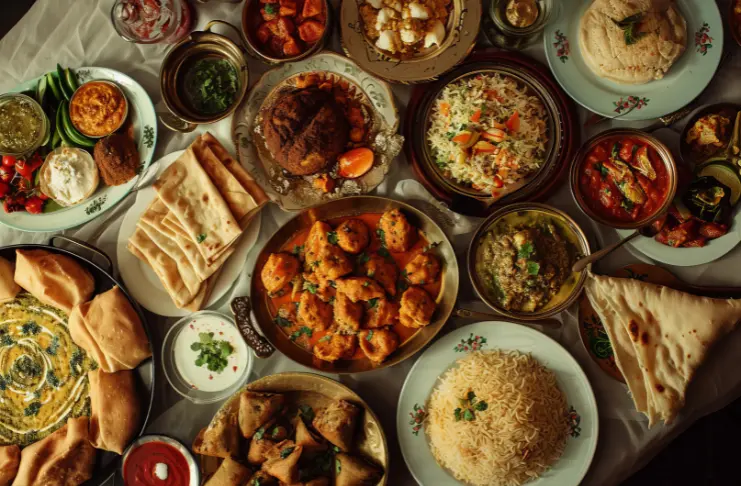
Despite embracing modern trends and innovations, successful restaurants in Ahmedabad understand the importance of staying rooted in cultural authenticity. This balance between tradition and innovation allows establishments to honor local food heritage while meeting contemporary expectations.
Traditional cooking methods and family recipes continue to form the foundation of many successful restaurants, with chefs adapting these techniques to modern equipment and presentation standards. This approach preserves cultural authenticity while improving efficiency and consistency.
Local ingredient sourcing supports traditional agriculture while ensuring that dishes maintain their authentic flavours. Many restaurants work directly with local farmers and spice merchants to obtain high-quality ingredients that reflect regional taste preferences.
Cultural celebrations and festivals provide opportunities for restaurants to showcase traditional dishes and cooking techniques, reinforcing their connection to local heritage while educating customers about culinary history and cultural significance.
Menu Innovation and Seasonal Adaptations

Menu development in Ahmedabad restaurants has evolved into a highly strategic process, reflecting a balance between culinary creativity and operational efficiency. Chefs and restaurant owners are increasingly investing time, resources, and research into crafting menus that resonate with diverse customer preferences while remaining practical from a kitchen management perspective. This sophistication is driven not only by competition but also by rising customer expectations for unique, high-quality dining experiences.
Seasonal menu adaptations have become a cornerstone of this approach. By aligning offerings with the availability of fresh, local ingredients, restaurants can enhance flavor profiles, introduce limited-time specials, and reduce reliance on costly imported items. Seasonal menus also provide an opportunity to experiment with new recipes and concepts without overhauling the core menu, allowing establishments to remain dynamic and responsive to market trends. For instance, incorporating summer fruits, monsoon vegetables, or winter spices can create excitement among patrons while demonstrating the restaurant’s commitment to freshness and culinary innovation.
The process of menu innovation itself is rigorous. Chefs often engage in multiple rounds of recipe development, tasting, and refinement, combining culinary expertise with feedback from both in-house staff and selected customers. Many restaurants in Ahmedabad actively involve regular patrons in tasting sessions or pilot launches, creating a sense of ownership among the clientele and generating authentic feedback. This collaborative approach strengthens customer relationships, enhances loyalty, and increases the likelihood that new items will be well-received in the broader market.
Equally critical are pricing strategies for new menu items. Successful restaurants consider a multitude of factors, including ingredient costs, labor, preparation time, and competitor pricing, to ensure each item contributes to profitability while delivering perceived value. Advanced pricing models often take into account cross-selling potential, portion sizes, and menu placement, enabling restaurants to maximize revenue without compromising customer satisfaction.
Menu presentation and description have emerged as essential marketing tools in the contemporary dining landscape. Restaurants increasingly invest in professional photography, visually appealing plating, and compelling narrative descriptions to entice diners. Well-crafted descriptions not only communicate key ingredients and flavor profiles but also set expectations, tell a story, and build anticipation for the dining experience. From highlighting the sourcing of artisanal ingredients to explaining a unique cooking technique, these details add a layer of sophistication and transparency that modern diners appreciate.
Overall, menu innovation and seasonal adaptations in Ahmedabad are no longer purely about food; they represent a holistic approach to brand positioning, customer engagement, and operational strategy. Restaurants that successfully combine creativity, seasonality, and thoughtful pricing often see stronger customer loyalty, increased footfall, and a distinct competitive advantage in a thriving culinary market.
Restaurant Ambience and Interior Design
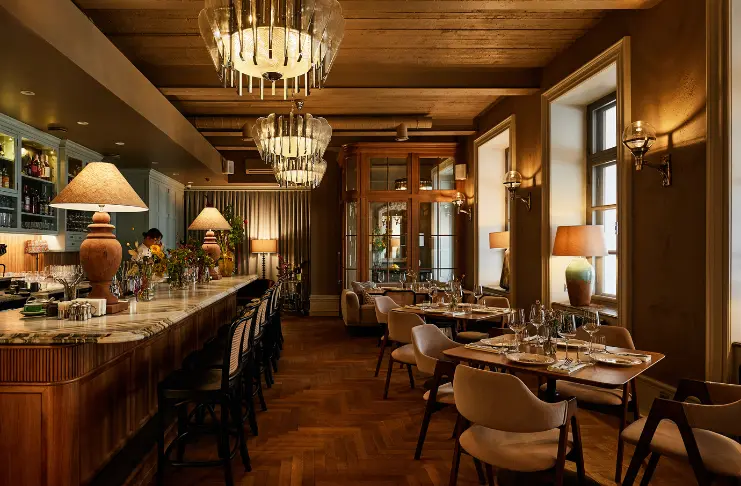
The physical environment of restaurants plays a pivotal role in shaping customer experiences, influencing dining decisions, and even affecting the perceived quality of food and service. Creating the right ambience involves a deliberate and thoughtful approach to multiple elements, including lighting, music, furniture, décor, and overall spatial design. Each component contributes to the overall mood, helping to craft an atmosphere that aligns with the cuisine, theme, and service style of the restaurant. A well-designed ambience can evoke comfort, excitement, or elegance, subtly guiding how diners feel and interact within the space.
Interior design trends in Ahmedabad restaurants increasingly reflect a blend of contemporary aesthetics and cultural heritage. Many establishments strike a balance by incorporating traditional Gujarati architectural motifs, handcrafted artwork, or locally sourced materials, while simultaneously offering modern comfort and luxury standards. For instance, wooden carvings, textile patterns, or murals inspired by local folklore may coexist with sleek furniture, ambient lighting, and minimalist layouts. This fusion not only appeals to local sensibilities but also enhances the uniqueness of the dining experience, making the restaurant memorable for both residents and tourists.
Strategic planning of seating arrangements and table configurations is another critical aspect of restaurant design. Maximizing seating capacity must be weighed against customer comfort, privacy, and flow within the restaurant. Establishments often create distinct zones catering to different dining needs, from intimate corners for couples to larger areas suitable for families, groups, or celebratory events. Flexible layouts, modular seating, and smart spacing help accommodate varying customer volumes without compromising the overall ambience.
Modern technology integration has also become an integral part of restaurant interior planning. Features such as Wi-Fi connectivity, charging stations, tablet-based ordering, and digital menu displays enhance convenience for diners, particularly younger, tech-savvy customers. The challenge lies in incorporating these amenities seamlessly, ensuring they add value without disrupting the aesthetic or atmosphere of the space.
Moreover, sensory considerations such as sound design, scent management, and lighting temperature play a significant role in customer perception. Carefully curated background music, subtle aromatics, and adjustable lighting can influence dining pace, customer mood, and overall satisfaction. Restaurants in Ahmedabad are increasingly leveraging these subtleties to create immersive environments that complement their culinary offerings.
In essence, restaurant ambience and interior design have evolved beyond mere decoration. They are now strategic tools that enhance brand identity, improve customer experience, and contribute directly to business performance. Restaurants that successfully integrate aesthetic appeal, cultural authenticity, and functional design often see higher customer retention, positive word-of-mouth, and stronger differentiation in a competitive dining market.
Quality Assurance and Customer Service Excellence

Quality assurance systems in Ahmedabad restaurants have become increasingly structured and sophisticated, reflecting the growing emphasis on consistency, reliability, and overall guest satisfaction. Modern establishments implement comprehensive monitoring procedures that cover every aspect of the dining experience, from ingredient sourcing and food preparation to plating, service delivery, and hygiene practices. These systems not only ensure that standards are consistently met but also help identify areas for improvement, minimize errors, and streamline operations. Many restaurants now use checklists, digital tracking tools, and periodic audits to maintain high-quality output across all service shifts.
A critical component of maintaining quality is staff training programs. These programs are designed to develop both technical competencies—such as culinary skills, food handling, and presentation techniques—and interpersonal abilities, including communication, etiquette, and problem-solving. Continuous training ensures that staff remain proficient with menu updates, seasonal offerings, and evolving service protocols. Some restaurants in Ahmedabad also use simulation-based or role-playing exercises to prepare team members for challenging customer interactions, creating a workforce that is confident, knowledgeable, and adaptable.
Customer service excellence goes beyond efficiency and correctness; it involves a nuanced understanding of individual preferences and expectations. Many restaurants invest in building customer preference databases to track dietary restrictions, favorite dishes, and special occasions, enabling personalized and memorable service. Attention to small details, such as remembering repeat patrons’ preferences or offering tailored recommendations, can significantly enhance the dining experience and foster long-term loyalty.
Equally important are robust feedback collection and analysis systems. Restaurants actively seek feedback through multiple channels, including digital surveys, social media, in-person interactions, and review platforms. Collected data is analyzed to identify trends, gauge satisfaction levels, and pinpoint areas for immediate action. By addressing concerns proactively and making visible improvements based on feedback, restaurants can maintain positive reputations, reinforce trust, and encourage repeat business.
In addition, quality assurance extends to supply chain and ingredient verification, where consistent sourcing of fresh, high-quality ingredients is monitored to prevent discrepancies in taste or presentation. Partnerships with trusted vendors and routine quality checks further reinforce standards.
Overall, quality assurance and customer service excellence in Ahmedabad are not isolated functions but integrated aspects of restaurant management. Establishments that successfully combine rigorous quality systems, ongoing staff development, personalized service, and proactive feedback mechanisms create experiences that consistently delight customers, strengthen brand reputation, and sustain competitive advantage in a dynamic culinary landscape.
Cuisine Diversity and Fusion Experiments

The restaurant landscape in Ahmedabad has witnessed a remarkable embrace of cuisine diversity, reflecting both the city’s cosmopolitan population and a growing appetite for novel dining experiences. From traditional Gujarati thalis that celebrate local flavors and culinary heritage to innovative international fusion concepts, restaurants are catering to a wide spectrum of tastes and preferences. This diversity not only enriches the city’s gastronomic scene but also provides ample opportunities for culinary experimentation, allowing chefs to push creative boundaries while responding to evolving customer expectations.
Fusion experiments have become a defining trend in Ahmedabad’s contemporary dining culture. By combining elements from different culinary traditions, restaurants are able to craft unique dishes that appeal to adventurous and curious diners. Successful fusion restaurants strike a delicate balance; they respect the authenticity of source cuisines while harmoniously blending flavors, textures, and presentation styles to create innovative offerings. Examples include Indo-Italian pasta dishes, Gujarati-inspired sushi rolls, or global desserts infused with local ingredients. These experiments enhance the overall dining experience and differentiate establishments in an increasingly competitive market.
Regional Indian cuisines have also found eager audiences in Ahmedabad. Restaurants specializing in Punjabi, Bengali, Kerala, Rajasthani, and other regional specialties are cultivating loyal customer bases, often adapting spice levels, ingredient choices, and cooking techniques to suit local palates. By offering authentic dishes with subtle localization, these establishments manage to honor culinary traditions while ensuring broad appeal. Additionally, storytelling through menu descriptions, décor, and plating helps convey the cultural essence of each region, enriching the dining journey for patrons.
The international cuisine segment has expanded significantly over the past decade, signaling the sophistication and exploratory mindset of Ahmedabad diners. Restaurants serving Italian, Chinese, Mexican, Japanese, Mediterranean, and other global foods have gained popularity, introducing residents to flavors and techniques from across the world. High-quality ingredients, authentic preparation methods, and creative presentation have contributed to their success, while culinary workshops, chef’s specials, and tasting menus further engage patrons and encourage experimentation.
Overall, cuisine diversity and fusion experiments have transformed Ahmedabad into a vibrant gastronomic hub. Restaurants that embrace variety, respect culinary authenticity, and innovate thoughtfully not only attract a wide audience but also cultivate repeat patronage. By offering an evolving mix of traditional, regional, and international flavors, Ahmedabad’s dining establishments continue to satisfy both conventional tastes and the adventurous palates of modern food enthusiasts.
Local Sourcing and Supply Chain Management
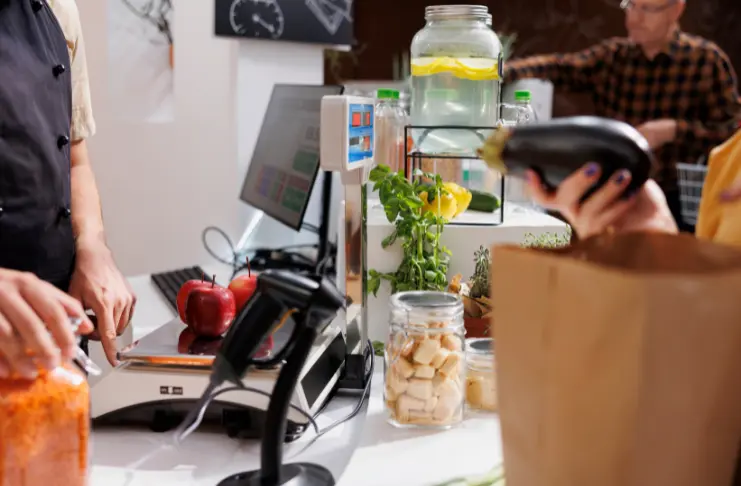
Supply chain management has become a critical competency for restaurant owners in Ahmedabad, as establishments increasingly prioritize fresh, high-quality ingredients while striving to maintain cost efficiency. Local sourcing strategies not only support regional agriculture and the local economy but also ensure ingredient freshness and reduce transportation-related costs and carbon footprint. By sourcing locally, restaurants can often procure seasonal produce at peak quality, which enhances flavor and presentation while allowing for more flexible menu innovations.
Building and maintaining strong relationships with local farmers and suppliers is essential for ensuring consistent quality and timely delivery. Many successful restaurants collaborate closely with their suppliers to develop exclusive products, secure priority access to premium ingredients, or even co-create menu items that highlight local produce. Regular communication, site visits, and joint planning sessions help maintain transparency, trust, and reliability, which are key to sustaining a resilient supply chain.
Seasonal availability heavily influences menu planning and pricing strategies. By designing menus around ingredients that are in season, restaurants can maintain quality, control costs, and create limited-time specials that generate excitement and encourage repeat visits. Seasonal offerings also provide a platform for culinary experimentation and storytelling, allowing chefs to showcase creativity while emphasizing freshness and sustainability.
Effective storage and inventory management systems are vital for minimizing waste and preserving ingredient integrity. Many restaurants now employ technology solutions, including real-time inventory tracking, automated reordering, and predictive analytics, to ensure stock levels are optimized. These systems prevent stockouts, reduce spoilage, and streamline kitchen operations, contributing to both financial efficiency and consistent menu quality.
Customer Acquisition and Retention Strategies

Attracting and retaining customers requires comprehensive marketing strategies that blend traditional advertising with modern digital approaches. Successful restaurants develop multi-channel campaigns that engage potential diners across diverse touchpoints, including social media, email marketing, influencer partnerships, local print media, and outdoor promotions. Integrated campaigns help create awareness, establish brand identity, and drive initial visits while maintaining visibility in a competitive dining market.
Customer retention strategies focus on nurturing long-term relationships and creating compelling reasons for repeat visits. Initiatives such as loyalty programs, personalized offers, and special events allow restaurants to engage patrons beyond the transactional level. Personalized service—ranging from remembering dining preferences to celebrating customer milestones—helps build emotional connections that enhance loyalty and encourage word-of-mouth referrals.
Referral programs are an effective tool for expanding the customer base. By incentivizing both existing customers and new visitors, these programs harness the power of personal recommendations, which are often more influential than conventional advertising in shaping dining decisions.
Restaurants also strengthen their market presence through community involvement and local partnerships. Participation in food festivals, charity events, cultural celebrations, and local business associations helps build visibility, credibility, and goodwill within the neighborhood. Collaborations with nearby businesses, artisans, and local influencers can further expand reach, reinforce brand values, and foster a sense of community engagement that resonates with both new and returning patrons.
The Future of Dining in Ahmedabad

Looking ahead, the restaurant industry is poised for continued growth and innovation. By 2028, the sector is expected to employ close to 10.3 million directly, up from 8.5 million in 2024, indicating robust expansion opportunities for entrepreneurs and workers alike. This growth projection reflects the increasing importance of the foodservice sector in India’s economy and the specific opportunities available in dynamic markets like Ahmedabad.
Sustainability initiatives are becoming increasingly important, with restaurants adopting eco-friendly practices in packaging, waste management, and energy usage. These efforts reflect growing environmental consciousness among consumers and regulatory requirements. Many establishments are implementing comprehensive sustainability programs that address water conservation, waste reduction, renewable energy usage, and sustainable sourcing practices.
Technology integration will continue to evolve, with artificial intelligence and automation potentially transforming various aspects of restaurant operations. However, the human element of hospitality will remain central to successful dining experiences. Advanced reservation systems, automated inventory management, and AI-powered customer service tools are becoming more common while maintaining the personal touch that defines exceptional hospitality.
The emphasis on health and wellness will influence menu development and cooking techniques, with restaurants offering more nutritious options and transparent ingredient information. This trend aligns with growing health awareness among consumers and increasing demand for functional foods that provide specific health benefits beyond basic nutrition.
Virtual and augmented reality technologies may begin to play roles in restaurant marketing and customer experience enhancement, allowing potential customers to preview dining experiences and explore menu options in immersive formats. These technologies could also provide new forms of entertainment and education during the dining experience.
Ghost kitchens and delivery-only operations are expected to continue growing, particularly as real estate costs increase and consumer preferences for convenience persist. These models enable restaurants to reach customers without investing in traditional dining spaces, while maintaining a focus on food quality and delivery efficiency.
Personalization through data analytics will become more sophisticated, enabling restaurants to customize experiences based on individual customer preferences, dietary restrictions, and dining history. This capability will allow establishments to create more targeted marketing campaigns and develop menu recommendations that increase customer satisfaction and loyalty.
Enhancing Customer Experience Through Innovation

Customer experience enhancement has become a primary focus for restaurants seeking to differentiate themselves in Ahmedabad’s competitive market. Innovation in service delivery, ordering systems, and dining formats creates opportunities to surprise and delight customers while building loyalty. The emphasis on experience design has transformed restaurants from simple food service providers to comprehensive hospitality destinations.
Personalization technologies enable restaurants to tailor experiences to individual preferences and dietary requirements. These capabilities range from customized menu recommendations to adapted service styles that reflect customer preferences. Advanced customer relationship management systems track dining history, preferences, and special occasions to enable personalized service that makes customers feel valued and understood.
Interactive dining experiences, such as cooking classes, wine tastings, and chef’s table events, create additional value beyond traditional meal service. These experiences often command premium pricing while building stronger customer relationships. The educational component of these offerings appeals to food enthusiasts seeking to expand their culinary knowledge while enjoying unique experiences.
The integration of entertainment elements, such as live music, cultural performances, or themed events, transforms restaurants into destination venues that attract customers for special occasions and regular entertainment. These elements create memorable experiences that encourage social sharing and repeat visits while differentiating establishments from competitors.
Service innovation includes tableside preparation, customizable dishes, and interactive menu presentations that engage customers in the dining process. These approaches create theater and excitement while allowing customers to personalize their experiences according to their preferences and dietary requirements.
Ambience customization through lighting, music, and spatial design allows restaurants to create different moods throughout the day or for different customer segments. This flexibility enables establishments to serve business lunches, romantic dinners, and family celebrations in the same space while optimizing the atmosphere for each occasion.
Technology-enhanced experiences include augmented reality menu presentations, digital wine lists, and interactive table surfaces that provide entertainment and information while waiting for food. These innovations create memorable experiences while demonstrating commitment to innovation and modern service delivery.
Customer journey mapping helps restaurants identify touchpoints where experiences can be enhanced, from reservation making through post-dining follow-up. This systematic approach to experience design ensures that every interaction contributes to overall satisfaction and creates opportunities for positive differentiation.
Surprise and delight strategies include unexpected amenities, complimentary treats, and personalized touches that exceed customer expectations. These elements create emotional connections and memorable moments that encourage customers to share their experiences with others and return for future visits.
Building Strong Brand Identity

Brand identity development has become essential for restaurants looking to establish a lasting presence in Ahmedabad’s market. Strong brands create emotional connections with customers and provide frameworks for consistent decision-making across all aspects of operations. The development of distinctive brand identities helps restaurants communicate their values and differentiate themselves in an increasingly competitive marketplace.
Storytelling helps restaurants communicate their values, heritage, and mission to customers who increasingly seek authentic connections with the businesses they support. These narratives often incorporate founder stories, ingredient sourcing philosophies, or cultural traditions that create emotional resonance with target audiences. Effective storytelling transforms restaurants from anonymous service providers into distinctive brands with personality and purpose.
Visual identity elements, including logos, color schemes, and design aesthetics, create recognition and reinforce brand positioning. Consistent application across all customer touchpoints builds brand awareness and professional credibility while ensuring that customers can easily identify and remember the restaurant. Professional design investment pays dividends through improved customer recognition and perceived quality.
Service culture development ensures that brand values are reflected in every customer interaction. Training programs and operational procedures help staff members embody brand characteristics while delivering service that meets established standards. The alignment between brand promise and actual experience creates authenticity that builds customer trust and loyalty.
Brand positioning strategies help restaurants define their place in the market relative to competitors while identifying target customer segments and value propositions. Clear positioning guides pricing decisions, menu development, and marketing communications while ensuring consistency across all brand expressions.
Marketing message consistency across all channels reinforces brand identity while building recognition and recall among target audiences. This consistency extends from social media content to in-restaurant communications, ensuring that customers receive coherent brand experiences regardless of how they interact with the restaurant.
Brand experience design encompasses every aspect of customer interaction, from initial awareness through post-dining follow-up. This comprehensive approach ensures that brand values are communicated and reinforced at every touchpoint while creating cohesive experiences that strengthen customer relationships.
Reputation management strategies help restaurants protect and enhance their brand image while addressing negative feedback constructively. Proactive reputation management includes monitoring online reviews, responding to customer concerns, and implementing improvements based on feedback patterns.
Brand extension opportunities allow successful restaurants to leverage their brand equity through additional locations, related products, or complementary services. These extensions must maintain brand consistency while adapting to new contexts and customer needs.
Economic Impact and Industry Growth

The restaurant industry’s economic impact in Ahmedabad extends beyond direct employment and revenue generation to include supply chain benefits, real estate development, and tourism attraction. The market for cafés and bars currently accounts for 5% to 11% of market share and will reach a high value by 2029, demonstrating the sector’s significant growth potential.
Job creation opportunities span various skill levels and backgrounds, from entry-level positions that provide career starting points to management roles that require extensive experience and expertise. The industry’s growth creates pathways for professional development and entrepreneurship.
Tax revenue generation from restaurant operations contributes to local government budgets that fund infrastructure improvements and public services. This economic contribution demonstrates the industry’s value to the broader community.
Property value impacts occur when successful restaurant districts attract additional businesses and residents, creating positive economic cycles that benefit entire neighborhoods. These effects contribute to urban development and revitalization efforts.
Conclusion
The restaurant trends shaping Ahmedabad in 2025 reflect a dynamic industry that successfully balances innovation with tradition, creating dining experiences that satisfy both contemporary expectations and cultural heritage. Restaurant owners who embrace these trends while maintaining focus on quality, authenticity, and customer service position themselves for sustainable success in this growing market.
The city’s dining landscape continues to evolve, driven by changing consumer preferences, technological advancement, and entrepreneurial creativity. Successful restaurants recognize these changes as opportunities to enhance their offerings and build stronger connections with their communities. The integration of modern business practices with traditional culinary values has created a unique dining ecosystem that serves diverse customer needs while preserving cultural identity.
As the restaurant business in Ahmedabad continues to mature, establishments that prioritize customer experience, operational excellence, and cultural authenticity will thrive. The industry’s future depends on maintaining the delicate balance between embracing modern trends and preserving the culinary traditions that define the city’s unique food culture. This balance requires ongoing attention to customer feedback, market trends, and operational efficiency.
The ongoing growth of Ahmedabad’s restaurant industry creates opportunities for all stakeholders, from aspiring entrepreneurs to experienced operators looking to expand their presence. By understanding and adapting to these trends, restaurants can contribute to the city’s reputation as a premier dining destination while building sustainable, profitable businesses that serve their communities effectively.
Investment in staff development, technology integration, and quality assurance systems will continue to differentiate successful restaurants from their competitors. The most successful establishments will be those that can adapt quickly to changing conditions while maintaining their core values and commitment to excellence.
The collaboration between traditional food culture and modern business practices has created a restaurant ecosystem that celebrates Ahmedabad’s culinary heritage while meeting contemporary expectations for quality, service, and innovation. This synthesis positions the city’s restaurant industry for continued growth and recognition as a significant contributor to India’s evolving foodservice sector.
Looking forward, the restaurant industry in Ahmedabad will continue to serve as a bridge between tradition and modernity, creating dining experiences that honor the past while embracing the future. The success of this approach depends on the continued commitment of restaurant owners, chefs, and staff members to delivering exceptional experiences that reflect the city’s unique character and hospitality traditions.
Frequently Asked Questions
1. What is the most popular food in Ahmedabad?
The most popular food in Ahmedabad is dhokla, a traditional Gujarati steamed snack made from fermented gram flour that has become synonymous with the city’s culinary identity. Dhoklas are among the top famous foods in Gujarat that visitors must try in 2024, alongside other local favorites like khandvi and various types of thali. The city’s vegetarian heritage makes traditional Gujarati snacks and meals the most beloved among both locals and tourists.
2. Which trend is currently emerging in the restaurant industry?
Technology integration is reshaping the restaurant industry, offering digital solutions to improve operations, engage customers, and reduce labor costs with new technologies. The trends emerging reflect a return to basics, a quest for well-being, increased environmental awareness, and openness to new culinary influences. Sustainability initiatives combined with AI-powered operations and personalized dining experiences are becoming the dominant forces shaping restaurants in 2025.
3. Which is the first restaurant in Ahmedabad?
The first restaurant in Ahmedabad is widely recognized as Chandravilas, established in 1900 by Chimanlal Hemraj Joshi. Starting as a small tea cart on Gandhi Road, it eventually developed into a full-fledged dine-in establishment, popularizing the concept of the Gujarati Thali and serving famous personalities like Mahatma Gandhi and Sardar Patel.
4. Which restaurant is more popular?
Moti Mahal is described as “so popular that waiting lines can be long, even on weekdays” and is noted as “an absolute favourite for Mughlai food” located near Ahmedabad’s railway station. Based on the search results, traditional Gujarati thali restaurants and establishments serving authentic local cuisine tend to be most popular among both residents and visitors. However, specific popularity rankings would require more detailed comparative data about individual restaurants.