

The UAE has established strict standards for food safety to protect public health and maintain consumer confidence. For restaurants, compliance with hygiene laws is not just about avoiding fines but about building trust with customers in a competitive dining market. The restaurant hygiene regulations in the UAE are established under federal law, supplemented by executive regulations, and enforced by local authorities, including Dubai Municipality and the Abu Dhabi Agriculture and Food Safety Authority (ADAFSA).
With the UAE hosting over 13,000 restaurants and cafes in Dubai alone (Dubai Municipality, 2023), the demand for strong compliance systems has never been higher.
This guide examines the fundamental regulations, inspection requirements, food labeling standards, and preventive measures that restaurants must adhere to in order to ensure food safety and business sustainability.
Restaurant Hygiene Regulations in the UAE
The foundation of the UAE’s food safety framework is Federal Law No. 10 of 2015 on Food Safety, which outlines the responsibilities of businesses, producers, and distributors. The law applies to all food items meant for human consumption across the supply chain, from production to restaurants. Under this framework:
- Restaurants must follow executive regulations issued by the Cabinet.
- Imported and locally produced food must meet labeling and quality standards.
- Food facilities are subject to inspections and monitoring by authorities.
- Violations, such as providing a false description of food, using adulterated components, or failing to meet hygiene requirements, can result in fines, suspension, or closure.
The law emphasizes consumer protection, transparency, and accountability in the food chain.
Food Safety: Core Principles for Restaurants
Ensuring food safety is a multi-layered responsibility that covers handling, preparation, storage, and distribution. Restaurants are required to implement internationally recognized systems, such as Hazard Analysis Critical Control Point (HACCP), which is mandatory for food businesses in the UAE. Key elements include:
- Proper training for staff on hygiene practices.
- Monitoring of food temperature and storage facilities.
- Prevention of cross-contamination between raw and cooked food.
- Clear food labeling for allergen information and expiration dates is essential.
INDUSTRY INSIGHT
| According to the World Health Organization, unsafe food causes approximately 600 million cases of foodborne illnesses globally each year, underscoring the importance of strict compliance in the UAE to protect consumers and sustain business growth. |
Controlling Imported Food

Given that the UAE imports nearly 90% of its food supply (Ministry of Climate Change and Environment, 2024), controlling food imports is a central part of national food security. The Ministry and local municipalities require imported food to undergo a structured system of documentation, inspections, and approvals before it reaches markets and restaurants.
Imported Food Compliance Measures
- Importers must submit accurate documents, including certificates of origin, composition details, and packaging approvals.
- All food items must be labeled in Arabic and English, providing transparency for consumers.
- Products are inspected at ports and airports to ensure they are not adulterated or modified without approval.
- Imported food is only released for local consumption after authorities confirm compliance with federal law.
Restaurants sourcing imported ingredients must ensure their suppliers have met these requirements to avoid risks to their business.
Federal Law and Executive Regulations

The UAE’s federal law on food safety is supported by detailed executive regulations that define the scope, provisions, and measures for implementation. These regulations set out requirements for:
- Identifying risks in food items and preventing contamination.
- Establishing standards for labeling, packaging, and shelf life.
- Monitoring compliance through scheduled and surprise inspections.
- Taking corrective action within six months for non-compliant businesses.
Failure to comply with these provisions may result in severe penalties, including bans on distribution and substantial fines. For restaurants opening for the first time, full compliance with these regulations is a prerequisite for obtaining a license.
Dubai Municipality and Local Authorities
Dubai Municipality plays a central role in enforcing restaurant hygiene regulations. The authority conducts regular inspections, reviews documentation, and ensures facilities meet environmental and health standards.
Other emirates, such as Abu Dhabi, operate under the ADAFSA, while Sharjah and Ajman have their own inspection systems in place. All local authorities coordinate with the Ministry of Climate Change and Environment to ensure consistency across the Emirates.
Restaurants are expected to provide transparency and maintain records of inspections and staff training to demonstrate compliance.
Food Labeling and Packaging Requirements
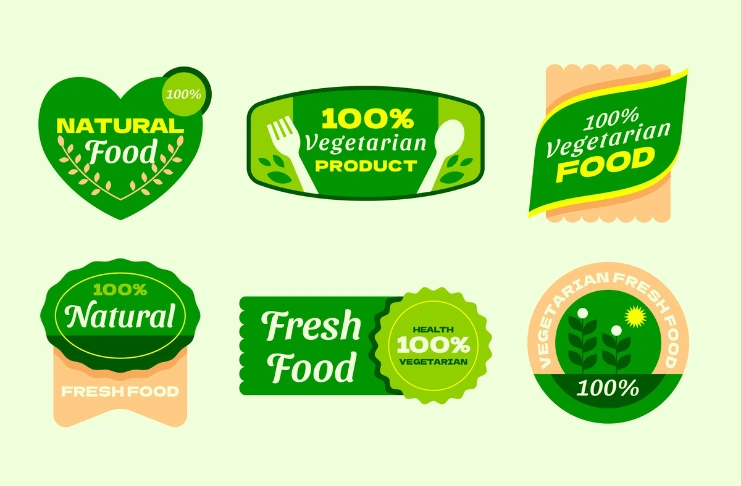
Food labeling is mandatory to ensure consumers can make informed decisions. Restaurants and suppliers must provide details such as ingredients, allergen information, and nutritional information. Mislabeling or failing to disclose additives is considered a false description, which is punishable under UAE law.
Labeling Standards for Restaurants and Suppliers
- Labels must be in Arabic and include clear expiry dates.
- Information about genetically modified ingredients must be provided.
- Packaging must meet quality standards to prevent contamination during distribution.
The emphasis on accurate labeling ensures food health, protects consumers with allergies, and supports overall food security.
Training and Compliance Systems for Restaurants

Restaurants are required to establish structured compliance systems. These include:
- Training all staff on hygiene and HACCP standards.
- Implementing food safety monitoring systems across all facilities.
- Maintaining updated records of inspections and corrective actions.
According to Dubai Municipality, over 300 food outlets were fined in 2023 for failing to comply with hygiene standards. This highlights the importance of consistent staff training and adherence to regulatory measures.
The Role of Climate Change and Food Security

The UAE’s dependence on imports makes it vulnerable to global disruptions. Climate change, rising demand, and supply chain challenges are prompting authorities to enhance food security through stricter import monitoring, local production initiatives, and sustainability measures.
Restaurants, as part of the wider food chain, are expected to align with these national goals by minimizing waste, sourcing responsibly, and ensuring safe practices.
Inspections and Monitoring Systems

Regular inspections are carried out by authorities to verify hygiene practices in restaurants. These inspections focus on kitchen facilities, storage areas, food handling processes, and documentation. Restaurants must be prepared to:
- Provide staff training records.
- Show compliance with labeling and packaging standards.
- Demonstrate preventive measures against contamination.
Failure to comply can result in fines, closure, or rejection of license renewal. By adopting preventive measures and adjusting systems in accordance with regulations, restaurants can avoid penalties and build consumer trust.
Prevention and Quality Control in Food Facilities

Prevention is at the core of the UAE’s food safety framework. Restaurants are required to adopt quality control measures, including:
- Identifying Risks in Food Production and Handling
- Establishing corrective measures in advance.
- Conducting regular audits of facilities.
These steps align with international best practices and protect consumers by ensuring the safety of meals throughout the food chain.
Conclusion
Complying with restaurant hygiene regulations in the UAE is a continuous process that requires attention to detail, ongoing training, and alignment with both federal law and local authority requirements. From controlling imported food to maintaining transparent food labeling, restaurants must establish systems that guarantee safety, quality, and consumer protection.
By investing in compliance, businesses not only avoid fines and penalties but also contribute to the broader goal of food security in the Emirates. In an industry built on trust, maintaining high hygiene standards is essential for long-term success.
Frequently Asked Questions
1. What is the food safety law in UAE?
The primary legislation is Federal Law No. 10 of 2015 on Food Safety, supported by executive regulations. It governs all food items for human consumption, covering production, import, distribution, and restaurant handling.
2. What are the 5 C’s of food hygiene?
The 5 C’s are Cleaning, Cooking, Chilling, Cross-contamination, and Confidence. They represent essential practices that restaurants must follow to ensure the safety of their meals.
3. What are the rules of food hygiene?
Key rules include proper food labeling, training staff on hygiene practices, preventing contamination, and complying with inspections by authorities such as the Dubai Municipality.
4. Is HACCP mandatory in the UAE?
Yes. The UAE requires all food businesses, including restaurants, to implement HACCP systems to ensure food safety and prevent risks to consumers.