

In today’s competitive restaurant industry, building lasting relationships with diners goes far beyond serving exceptional food. Customer loyalty programs have become essential tools for restaurants looking to transform occasional visitors into devoted brand advocates. These strategic initiatives create meaningful connections between establishments and their patrons while driving sustainable revenue growth through increased customer retention. The modern dining landscape demands more than traditional punch cards and basic discounts. Today’s diners expect exclusive rewards, seamless experiences, and genuine value that reflects their individual preferences and spending patterns. Successful loyalty programs not only encourage customers to return but also provide valuable customer data that helps restaurants refine their offerings and marketing strategies.
This comprehensive guide explores innovative restaurant loyalty programs ideas that can help your establishment boost customer retention, increase repeat business, and build stronger brand loyalty. Whether you’re launching a new loyalty program or refreshing an existing one, these strategies will provide actionable insights for creating a rewards program that keeps customers coming back.
Understanding the Foundation of Customer Loyalty Programs
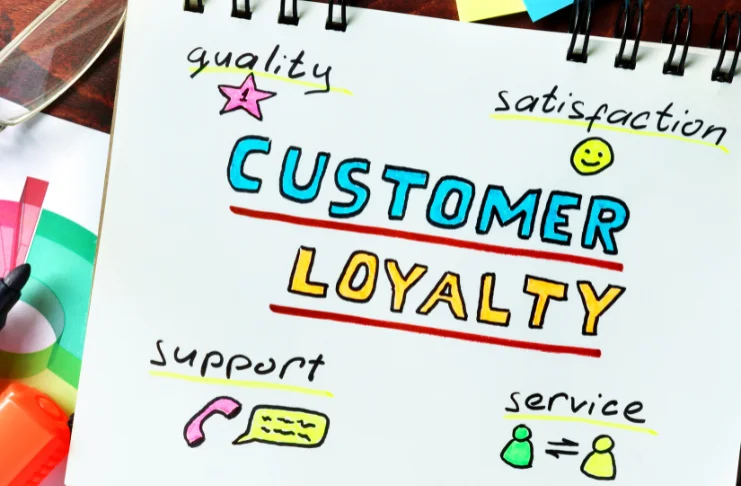
Understanding what makes loyalty programs thrive requires examining both the psychology behind customer behavior and the practical mechanics of reward systems.
INDUSTRY INSIGHT
| According to research, loyalty programs adoption has jumped 32% in the past three years, with 68% of full-service and 71% of QSR now offering one with the figure projected to hit 80% by the end of 2025. |
The Psychology Behind Loyalty Programs
Human psychology significantly influences the success of restaurant loyalty programs. The factors that make loyalty programs appealing to customers are:
- Earn bonus points toward free food rewards or exclusive perks trigger dopamine release, creating positive dining experiences.
- The sense of achievement from accumulating loyalty points strengthens emotional connections and customer loyalty.
- The fear of losing accumulated points motivates customers to stay engaged and reduces the likelihood of switching to competitors.
Understanding these psychological triggers helps restaurants design loyalty programs that boost customer retention and encourage repeat visits.
Key Benefits for Restaurant Brands
Restaurant loyalty programs offer benefits that go far beyond immediate sales growth. Loyalty program members now account for 39% of total restaurant visits in the U.S.. The advantages that make loyalty programs effective are:
- Collecting valuable customer data on purchase frequency, menu preferences, average spend, and visit patterns allows restaurants to tailor offerings and pricing strategies.
- Insights from loyalty members enable targeted marketing campaigns that resonate with specific customer segments, boosting engagement.
- Satisfied loyalty members become brand ambassadors, sharing positive experiences through word-of-mouth and social media, attracting new customers.
Leveraging these insights helps restaurants maximize customer retention while reducing marketing costs and driving repeat business.
Traditional Loyalty Program Models That Work

Points based rewards and physical loyalty cards engage restaurant loyalty members, incentivize customers, and boost customer retention while delivering a seamless customer experience and rewarding repeat business. According to a report, 96% of loyalty and reward program customers say they’re a good way to earn more “bang for their buck”.
Implementing Points Based Systems
A clear reward points based system is essential for creating a good loyalty program. The key features that make points based loyalty programs effective are:
- Establishing straightforward earning rates, such as one point per dollar spent, ensures customers understand how to accumulate rewards.
- Offering multiple reward tiers allows loyalty members to choose between frequent smaller rewards or saving points for larger prizes.
- Incorporating bonus points opportunities, like double points on slow days or extra points for referrals, motivates engagement and encourages repeat business.
A well-structured points based program keeps customers engaged and strengthens long-term brand loyalty.
The Power of Loyalty Cards
Physical loyalty cards continue to play a valuable role in restaurant loyalty programs. The reasons why loyalty cards remain effective are:
- Tangible cards serve as constant reminders, keeping the restaurant top-of-mind for customers who prefer not to use mobile apps.
- Loyalty cards encourage customer interaction, sparking conversations about program benefits and attracting new participants.
- Integrating technology, such as QR codes or magnetic strips, links physical cards to digital accounts, combining convenience with valuable customer data collection.
Using physical loyalty cards alongside digital options creates a seamless customer experience that caters to diverse preferences.
Digital Loyalty Program Innovations

Mobile loyalty apps and online ordering integration boost customer engagement, incentivize customers, and enhance restaurant loyalty programs by tracking points, delivering personalized rewards, and supporting seamless customer experiences.
Mobile App Advantages
Restaurant loyalty program apps turn smartphones into powerful tools for engaging customers. The ways digital loyalty programs enhance customer loyalty are:
- Apps store points, track progress, and deliver personalized offers, keeping restaurants top-of-mind through multiple touchpoints like push notifications.
- Timed notifications about birthday rewards, special promotions, and limited-time offers encourage repeat visits and increase customer engagement.
- Gamification features such as progress bars, achievement badges, and streak bonuses make earning rewards fun and motivate frequent interactions.
Leveraging mobile loyalty apps helps restaurants strengthen customer loyalty while appealing to tech-savvy diners.
Integrating With Online Ordering
Integrating restaurant loyalty programs with online ordering platforms enhances the customer experience. The benefits of combining digital ordering with loyalty programs are:
- Customers earn points seamlessly whether they dine in, take out, or use delivery, ensuring consistent engagement across all channels.
- Online ordering generates valuable customer data on preferences, order frequency, and average spend, allowing restaurants to better understand their loyalty members.
- Insights from ordering behavior enable highly personalized offers that resonate with customers and encourage repeat visits.
Connecting loyalty programs with digital ordering creates a seamless experience that strengthens customer retention and engagement.
Special Occasion Rewards

Personalized rewards and well-timed birthday programs boost customer loyalty, incentivize customers, and increase engagement by celebrating milestones, reactivating dormant members, and enhancing restaurant loyalty program experiences.
Personalizing Special Day Experiences
Recognizing milestones beyond birthdays helps restaurants strengthen emotional connections with loyalty members. The ways personalized rewards enhance customer loyalty are:
- Anniversary rewards for program members celebrate their commitment and show appreciation for long-term engagement.
- Milestone recognition can extend to life events like graduations or personal anniversaries, creating meaningful customer interactions.
- Delivering rewards with personalized messages, including the customer’s name or favorite order, turns transactional rewards into genuine experiences.
Personalized milestone rewards encourage brand loyalty and make customers feel valued beyond standard promotions.
Maximizing Birthday Program Engagement
Timing birthday rewards effectively helps restaurants maximize customer engagement and retention. The strategies that make birthday rewards impactful are:
- Offering redemption windows throughout the birth month gives customers flexibility and increases the chances of reward use.
- Early notifications allow loyalty program members to plan their celebration visits, enhancing convenience and satisfaction.
- Birthday rewards can reactivate dormant accounts, encouraging past customers to return and re-engage with the restaurant.
Well-timed birthday rewards strengthen customer loyalty and turn special occasions into repeat business opportunities.
Bonus Points Strategies to Accelerate Engagement

Bonus points and category-specific rewards boost customer loyalty, incentivize customers, and enhance restaurant loyalty programs while driving repeat visits and engagement.
Timing Bonus Point Campaigns
Strategically timed bonus points promotions can drive customer engagement and boost restaurant visits. The ways bonus points campaigns enhance loyalty programs are:
- Offering extra points during slow periods, such as weekday lunches, encourages customers to visit when traffic is typically low.
- Seasonal or event-based campaigns leverage holidays and local occasions to align with customer dining habits.
- Flash bonus point opportunities through app notifications create urgency, motivating spontaneous visits and repeat business.
Well-planned bonus points promotions keep loyalty programs exciting while incentivizing customers to engage more frequently.
Category-Specific Bonus Points
Targeted bonus points for specific menu categories drive both customer engagement and restaurant performance. The ways menu-based bonus points enhance loyalty programs are:
- Offering extra points for appetizers encourages larger orders and increases average check sizes.
- Bonus points on new menu items motivate customers to try offerings while generating valuable feedback.
- Beverage-focused bonus points, especially on high-margin drinks, boost profitability and make customers feel rewarded.
Rotating category-specific incentives keeps loyalty programs fresh and highlights different parts of the menu.
Rewards Beyond Free Food
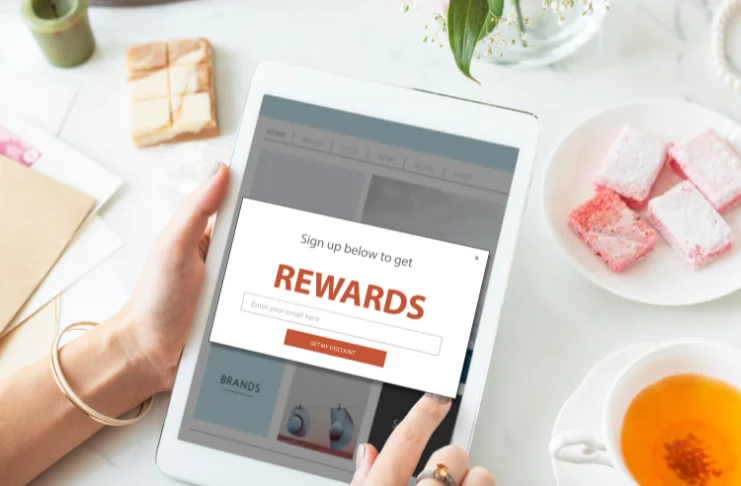
Exclusive events, VIP experiences, and partner rewards enhance restaurant loyalty programs, incentivize customers, and strengthen customer engagement while boosting brand loyalty and repeat business.
Exclusive Access and VIP Experiences
Exclusive events for loyalty program members create a sense of community and enhance brand loyalty. The ways member-only experiences strengthen customer engagement are:
- Private tastings, chef meet-and-greets, and invitation-only dining events reward top-tier members with unique, memorable experiences.
- Early access privileges let loyalty members reserve tables during peak times, providing practical value and convenience.
- First opportunities to order seasonal specials or limited-availability dishes create exclusivity that encourages continued participation.
Hosting exclusive events and offering early access makes loyalty program membership more desirable and fosters deeper customer connections.
Partnership Rewards and Cross-Promotions
Partnering with complementary businesses enhances loyalty programs while expanding reward options. The ways strategic partnerships benefit restaurant loyalty programs are:
- Collaborating with local entertainment venues allows loyalty members to redeem points for movie tickets, concert passes, or other experiences, adding value without increasing food costs.
- Cross-promotional partnerships, such as with gyms, create reciprocal rewards that attract new customers and strengthen brand exposure.
- Strategic alliances build broader lifestyle ecosystems around your restaurant, encouraging repeat visits and distributing loyalty program costs.
Collaborating with complementary businesses helps restaurants provide unique rewards and boost customer engagement.
Referral Programs That Expand Your Customer Base
Referral programs and easy-sharing tools boost restaurant loyalty programs, incentivize customers, drive repeat business, and strengthen customer loyalty while turning satisfied diners into brand ambassadors.
Structuring Effective Referral Incentives
Effective referral programs strengthen customer loyalty by rewarding both the referrer and the new customer. The strategies that make referral programs successful are:
- Offering equal rewards, like bonus points or free appetizers, ensures new customers feel welcomed while recognizing the referrer’s effort.
- Tiered referral rewards motivate continued advocacy by increasing incentives for multiple successful referrals.
- Structured rewards, such as bonus points for the first few referrals and a free entrée after several, turn satisfied customers into long-term brand ambassadors.
Well-designed referral programs boost customer retention while attracting new diners through trusted recommendations.
Making Referrals Easy to Share
Simplifying the referral process helps restaurants maximize participation and engagement in loyalty programs. The ways frictionless referrals enhance customer loyalty are:
- Mobile apps with easy sharing options and unique referral codes allow customers to send invites via text, email, or social media effortlessly.
- Automated tracking ensures both the referrer and the new customer receive rewards promptly, building trust in the program.
- Real-time notifications confirming successful referrals and awarded points encourage continued participation and additional referrals.
Making referrals simple and reliable strengthens customer advocacy and drives repeat business.
Low Cost Rewards That Deliver High Value
High-margin rewards and strategic timing boost restaurant loyalty programs, incentivize customers, increase repeat business, and strengthen customer loyalty while controlling costs and optimizing engagement.
High-Margin Item Focus
Focusing rewards on high-margin items maximizes perceived value while controlling program costs. The strategies that make rewards cost-effective are:
- Offering free beverages or desserts provides customers with a sense of value at minimal expense due to high profit margins.
- Sample-size rewards for new menu items encourage trial and generate customer feedback without significant cost.
- Strategic reward selection supports business objectives, delivering appreciation while promoting high-margin or new offerings.
Targeting rewards strategically ensures loyalty programs are both impactful for customers and sustainable for the restaurant.
Strategic Timing for Cost Management
Strategic reward restrictions help restaurants manage costs while shaping customer behavior. The ways timing and reservation rules enhance loyalty programs are:
- Limiting redemptions to specific periods, such as weekday lunches, drives traffic during slower times without straining operations.
- Advance reservation requirements for high-value rewards, like free entrées, allow proper inventory and kitchen planning.
- Smart operational rules maintain program sustainability while ensuring positive experiences for loyalty members.
Implementing thoughtful reward restrictions keeps loyalty programs cost-effective and aligned with business goals.
Building Community Through Loyalty Programs

Member appreciation events and user-generated content boost restaurant loyalty programs, incentivize customers, strengthen customer loyalty, increase engagement, and enhance brand visibility across multiple channels.
Member Appreciation Events
Exclusive events for top-tier loyalty members create memorable experiences and strengthen emotional connections. The ways VIP gatherings enhance restaurant loyalty programs are:
- Hosting annual dinners, holiday parties, or summer cookouts rewards loyal customers while humanizing the brand.
- Social interactions at events build personal connections between members and restaurant staff.
- Sharing event highlights on social media provides aspirational social proof, encouraging non-members to join and creating a sense of exclusivity.
VIP events and visible community engagement make loyalty membership desirable while deepening customer loyalty.
User-Generated Content Integration
Encouraging loyalty members to share experiences generates authentic marketing content and strengthens engagement. The ways user-generated content boosts restaurant loyalty programs are:
- Photo contests where members submit meal images reward participation and provide shareable content for marketing.
- Featuring member photos in promotions and social media highlights appreciation and makes customers feel valued.
- Review incentives, offering bonus points for feedback on platforms, improve online reputation while encouraging honest customer voices.
Incorporating user-generated content and review rewards enhances engagement while amplifying brand visibility.
Personalization Through Data Analytics

Segmentation and real-time personalization boost restaurant loyalty programs, incentivize customers, increase engagement, strengthen customer loyalty, and optimize rewards for repeat visits and meaningful interactions.
Segmentation Strategies
Segmenting loyalty program members allows restaurants to deliver tailored and relevant communications. The ways segmentation enhances customer loyalty programs are:
- Behavioral segmentation targets frequent, lapsed, and new members with personalized messages and incentives.
- Demographic and preference-based targeting, such as alerts for vegetarian dishes or kid-friendly promotions, ensures relevance.
- Tailored communication strategies increase engagement by making loyalty messages feel personal rather than generic.
Using segmentation to customize interactions strengthens loyalty and encourages repeat.
Dynamic Offer Optimization
Real-time personalization enhances the effectiveness of restaurant loyalty programs by delivering context-aware offers. The ways personalization drives customer engagement are:
- Adjusting offers based on customer behavior, such as stronger incentives for lapsed visitors, increases the likelihood of repeat visits.
- Personalization engines learn which reward types and messaging resonate with different segments, continuously optimizing program performance.
- A/B testing reward structures, offer values, and communication approaches provides data-driven insights to refine loyalty strategies.
Leveraging real-time personalization ensures loyalty programs remain relevant, engaging, and highly effective.
Mobile Payment Integration and Seamless Experiences
QR codes, voice ordering, and cross-platform consistency boost restaurant loyalty programs, incentivize loyalty members, enhance customer loyalty, engagement, and create seamless, repeatable dining experiences.
Contactless and Future Technologies
Integrating QR code and emerging technologies into loyalty programs streamlines ordering and boosts engagement. The ways technology enhances restaurant loyalty programs are:
- QR code ordering links directly to loyalty accounts, allowing customers to scan, order, pay, and earn points seamlessly.
- Digital ordering reduces labor costs while maintaining a personalized experience for loyalty members.
- Voice ordering through smart assistants enables frictionless interaction, automatically applying rewards and discounts to recognized accounts.
Leveraging technology-driven ordering keeps loyalty programs convenient, engaging, and aligned with modern customer expectations.
Cross-Platform Consistency
Consistent loyalty experiences across all channels strengthen customer trust and engagement. The ways seamless program integration enhances restaurant loyalty are:
- Synchronizing points across mobile apps, websites, and POS systems ensures customers see real-time updates and maintain confidence in the program.
- Staff training equips servers to access loyalty information, suggest rewards, and resolve account issues efficiently.
- Combining digital convenience with personal service creates a seamless and satisfying customer experience.
Delivering consistent loyalty experiences across channels reinforces program value and encourages repeat visits.
Seasonal and Limited-Time Promotions
Holiday campaigns and menu launch rewards boost restaurant loyalty programs, incentivize loyalty members, increase customer loyalty, engagement, repeat visits, and encourage trial of new offerings.
Holiday Campaign Strategies
Holiday periods provide prime opportunities to engage loyalty program members with timely promotions. The ways seasonal campaigns enhance restaurant loyalty programs are:
- Offering bonus points for specific holiday behaviors, like couples dining on Valentine’s Day or Thanksgiving takeout orders, increases program relevance.
- Aligning promotions with seasonal mindsets encourages higher participation and repeat visits.
- Establishing annual loyalty traditions, such as summer kickoff bonus weeks or holiday reward escalations, builds anticipation and memorable customer experiences.
Seasonal promotions and loyalty traditions strengthen emotional connections while boosting engagement during key periods.
Menu Launch Integration
Coordinating loyalty rewards with new menu launches encourages trial and enhances customer engagement. The ways menu-based promotions strengthen loyalty programs are:
- Offering bonus points for ordering new items motivates customers to try unfamiliar dishes and provides valuable feedback.
- Limited-time exclusivity for loyalty members gives early access to seasonal specials, creating a sense of privilege.
- Early access positions program members as brand ambassadors who generate excitement and buzz around new menu offerings.
Aligning loyalty promotions with menu innovation drives engagement, trial, and deeper customer loyalty.
Sustainability and Values-Based Rewards

Sustainability rewards and community impact tracking enhance restaurant loyalty programs, incentivize loyalty members, boost customer loyalty, engagement, and create purpose-driven, values-based dining experiences.
Green Incentive Structures
Rewarding sustainable choices encourages environmentally conscious behavior and reinforces brand values. The ways sustainability-focused loyalty programs engage customers are:
- Offering extra points for eco-friendly actions, like walking or biking to the restaurant, aligns rewards with environmental goals.
- Providing discounts for declining single-use items reduces waste and acknowledges customer cooperation.
- Sharing transparent information about sustainability initiatives, such as contributions to renewable energy or local sourcing, strengthens trust and brand connection.
Incorporating sustainability into loyalty programs turns routine rewards into values-driven experiences that build deeper customer loyalty.
Community Impact Tracking
Highlighting the collective impact of loyalty program participation fosters community pride and engagement. The ways impact-driven programs strengthen customer loyalty are:
- Showcasing metrics like meals donated, waste prevented, or funds raised helps members see their individual contributions as part of meaningful outcomes.
- Celebrating program milestones creates shareable moments that reinforce emotional connections with the restaurant.
- Emphasizing collective achievements, such as preventing thousands of single-use containers, makes the program about more than personal rewards.
Focusing on community impact turns loyalty programs into purpose-driven experiences that deepen customer engagement.
Launching Your New Loyalty Program Successfully

Welcome bonuses, multi-channel enrollment, and clear communication boost restaurant loyalty programs, incentivize loyalty members, enhance customer loyalty, engagement, and encourage repeat business.
Enrollment Incentive Strategies
Generous welcome bonuses attract new members and encourage immediate participation in restaurant loyalty programs. The strategies that make welcome offers effective are:
- Offering bonus points or a free appetizer upon signup provides instant gratification and motivates enrollment.
- Multi-channel enrollment options, including website, mobile app, or in-person signups, accommodate diverse customer preferences.
- Flexible sign-up methods ensure more customers can join the program easily, increasing overall participation.
Well-designed welcome bonuses and flexible enrollment options turn interest into action and grow loyalty program membership.
Communication and Education
Clear communication is essential for driving adoption and engagement in restaurant loyalty programs. The ways effective program education supports customer loyalty are:
- Explaining benefits, earning mechanics, and redemption processes with simple visual guides helps customers quickly understand how to earn and use rewards.
- Avoiding jargon and providing concrete examples ensures the program is accessible to all loyalty members.
- Ongoing communications, including newsletters and member success stories, keep the program top-of-mind and encourage consistent engagement.
Consistent and clear education ensures loyalty members fully understand program value, boosting participation and repeat visits.
Measuring Success and Continuous Improvement

Customer feedback, program updates, and competitive insights strengthen restaurant loyalty programs, boost customer loyalty, incentivize loyalty members, increase engagement, and drive repeat business.
Customer Satisfaction Measurement
Collecting feedback from loyalty program members helps restaurants improve customer satisfaction and engagement. The ways member insights enhance loyalty programs are:
- Regular surveys evaluate satisfaction with rewards, redemption processes, and overall program value, identifying areas for improvement.
- Net Promoter Score questions reveal whether members would recommend the program, highlighting potential advocacy opportunities.
- Monitoring reward redemption rates shows which benefits customers value most, guiding optimization of the rewards structure.
Using customer feedback and behavioral insights ensures loyalty programs deliver meaningful value and maintain high engagement.
Iterative Enhancement Approach
Continuous evolution is key to maintaining the effectiveness of restaurant loyalty programs. The ways program updates boost engagement are:
- Using performance data and customer feedback to refresh features, adjust rewards, and optimize earning mechanics keeps loyalty members interested.
- Communicating improvements to members demonstrates responsiveness and reinforces program value.
- Conducting competitive analysis ensures your program remains attractive compared to other restaurants while identifying opportunities for differentiation.
Regularly updating loyalty programs helps restaurants retain customers and stay ahead in a competitive market.
Overcoming Common Loyalty Program Challenges

Seamless integration, flexible rewards, and fraud-prevention strategies strengthen restaurant loyalty programs, boost customer loyalty, incentivize loyalty members, and drive repeat business.
Technical Integration Issues
Seamless integration of loyalty programs with POS and ordering systems is critical for smooth operation. The ways technical integration enhances customer loyalty are:
- Selecting loyalty software with strong integration capabilities and API support ensures a smooth setup and minimal operational disruption.
- Real-time data synchronization prevents point discrepancies and maintains customer trust in the program.
- Training staff to handle point disputes quickly and fairly preserves positive relationships even when technical issues arise.
Effective system integration ensures a seamless customer experience while supporting reliable loyalty program performance.
Balancing Generosity and Profitability
A well-designed reward structure balances generosity with profitability. Sustainable loyalty programs use strategies like:
- Testing point values and redemption thresholds with small groups before rollout.
- Flexibility to adjust rewards based on performance and economics.
- Fraud prevention measures, such as limiting redemptions or requiring reservations.
Thoughtful design keeps loyalty programs profitable, secure, and engaging for customers.
Future Trends in Restaurant Loyalty

Experience-focused rewards, AI, and data transparency boost restaurant loyalty programs, customer loyalty, engagement, repeat business, and incentivize loyalty program members effectively.
Experience Economy Integration
The trend toward valuing experiences is shaping the next generation of restaurant loyalty programs. The ways experience-focused programs drive customer engagement are:
- Emphasizing unique experiences, exclusive access, and community-building creates emotional connections beyond standard transactional rewards.
- Memorable moments, such as private events or interactive promotions, enhance perceived program value and foster loyalty.
- Augmented reality features, like visualizing points or personalized menu recommendations, make loyalty program interactions immersive and engaging.
Focusing on experiences and interactive technologies helps restaurants deepen customer loyalty and stand out in a competitive market.
Hyper-Personalization Through AI
Artificial intelligence and smart technology are transforming the future of restaurant loyalty programs. The ways AI and voice-activated tools enhance customer engagement are:
- Real-time AI optimization predicts customer behavior and delivers timely, personalized offers that feel natural and relevant.
- Integration with social media, weather, and time-of-day data ensures promotions reach customers when they are most likely to dine.
- Voice-activated interactions through smart home devices allow customers to check points, view rewards, and access offers effortlessly.
Leveraging AI and voice technology creates seamless, highly personalized loyalty experiences that keep customers engaged.
Conclusion
Creating a successful restaurant loyalty program goes beyond just offering points or free food rewards; it requires a strategic rewards structure that encourages repeat business and incentivizes customers to engage with your brand consistently. By understanding customer behavior and leveraging customer preferences, restaurants can design promotional loyalty programs that appeal to both new customers and loyal members while driving customer engagement and overall satisfaction. Implementing low cost rewards or free dessert options adds perceived value without impacting profitability, making your loyalty programs built to thrive in competitive restaurant brands.
Collecting customer feedback and analyzing customer data ensures that loyalty programs remain relevant and continuously optimized. Offering personalized offers, points based systems, and seamless customer experience across online ordering and loyalty cards further strengthens brand loyalty, encourages repeat visits, and supports long-term customer retention. Restaurants that thoughtfully integrate these strategies position themselves as leaders in customer loyalty programs, creating memorable experiences that keep customers coming.
Frequently Asked Questions
1. What are some good customer loyalty programs?
Good customer loyalty programs reward customers with points, exclusive offers, and personalized perks that boost engagement, repeat visits, and overall brand loyalty.
2. What are the different types of restaurant loyalty programs?
Restaurant loyalty programs can be points-based, tiered, subscription-based, or experience-focused, each designed to incentivize repeat business and strengthen customer loyalty.
3. What are the 3 R’s of customer loyalty?
The 3 R’s of customer loyalty—Reward, Recognition, and Retention—focus on incentivizing purchases, acknowledging loyalty members, and encouraging repeat business.
4. How to set up a restaurant loyalty program?
Setting up a restaurant loyalty program involves choosing a rewards structure, integrating POS and digital systems, collecting customer data, and promoting the program to engage loyalty members.