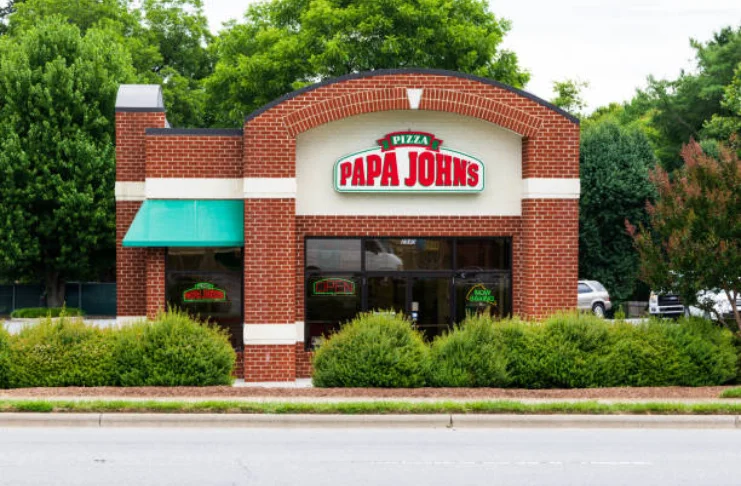

Papa John’s India has launched delivery services on Swiggy and Zomato, marking a significant shift in the brand’s local expansion strategy and underscoring how global restaurant chains are increasingly relying on third-party delivery ecosystems to accelerate growth in high-demand digital markets.
The company said the partnership with India’s two largest food delivery platforms will initially support its Bengaluru store network while helping expand customer access as the brand scales operations in the country.
Papa John’s re-entered the Indian market in late 2025 and currently operates eight outlets in Bengaluru, with plans to add around 30 more stores during the current financial year.
While the move appears locally focused, it reflects a much larger global transformation underway in quick-service restaurants. Across international markets, pizza chains are moving away from delivery exclusivity models and increasingly embracing aggregator platforms to gain faster market penetration, customer data visibility, and lower acquisition costs.
For years, major pizza brands treated owned delivery networks as a competitive advantage. But rising customer acquisition costs, changing app behavior, and the dominance of platform-led ordering ecosystems have altered that equation. Consumers now expect restaurants to exist where they already transact, on multi-brand delivery apps rather than standalone restaurant platforms.
India represents one of the clearest examples of that shift. Swiggy and Zomato together dominate the country’s food delivery infrastructure, serving hundreds of cities and handling millions of orders annually.
For international brands entering or re-entering India, aggregator partnerships are increasingly becoming market-entry infrastructure rather than optional distribution channels.
The strategy also reflects intensifying competition in the global pizza category. Domino’s, Pizza Hut, Papa John’s, and regional chains are all facing pressure from changing consumer habits, value-focused spending, and the rapid rise of quick-commerce platforms delivering meals, groceries, and snacks within minutes.
At the same time, food delivery itself is evolving from a restaurant logistics service into a broader digital commerce ecosystem. Platforms like Swiggy and Zomato are expanding into advertising, dine-in services, grocery delivery, loyalty ecosystems, and retail logistics, turning them into essential infrastructure partners for restaurant brands rather than just delivery intermediaries.
Papa John’s India is also entering a market where speed, discoverability, and app visibility increasingly influence restaurant performance as much as menu differentiation. Aggregator placement can now directly impact customer acquisition and brand recall in dense urban markets.