Opening a coffee shop starts with the right floor plan. Your layout determines everything from customer flow to employee efficiency.
A good coffee shop floor plan doesn’t just look nice. It solves problems. It shortens lines, opens up flow, and gives every inch a clear purpose.
Of course, when space is tight and budgets are tighter, your layout has to carry weight. Every square foot should drive revenue or improve customer experience. This guide shows you how.
Why Does Cafe Floor Plan Design Matter So Much?
Your floor plan sets the stage for every customer interaction. Customers who walk through your door need to immediately understand where to order, where to sit, and how to move through your space without confusion.
A poor layout creates bottlenecks during peak times, frustrated customers, and stressed employees. Your morning coffee rush should flow smoothly, not feel like a traffic jam at your service counter.
Research shows that spatial layout and comfort significantly influence customer satisfaction and return intent in cafés. This means your floor plan directly impacts your revenue potential.
How Much Space Do You Really Need for Your Coffee Shop?
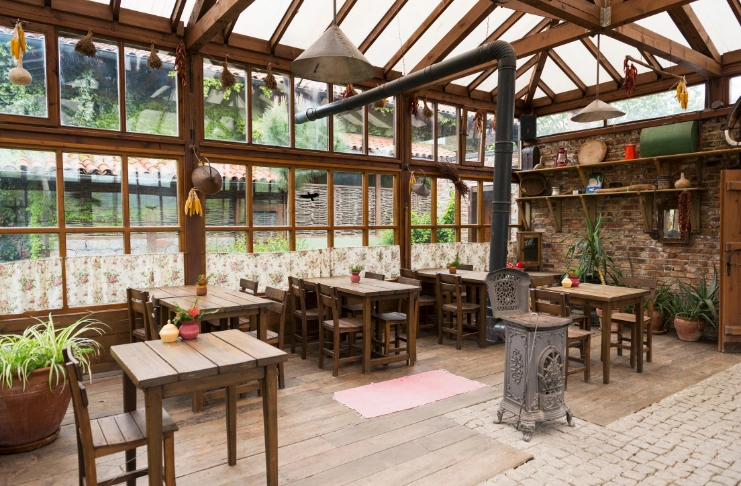
The average size of a coffee shop in the United States is between 540 and 750 square feet. That means you don’t need a massive space to create a profitable business, but you need to use every inch strategically.
Small coffee shops, typically under 430 square feet, are becoming increasingly popular due to their lower overhead costs and ability to offer a more intimate and personalized experience. In major cities, coffee shops often operate out of spaces as small as 215 to 320 square feet.
Ideally, when designing a cafe, 60% of the floor plan should be dedicated to the dining area, while the other 40% should include the kitchen, storage, etc.
The American Institute of Architects recommends allocating 15 to 18 square feet per customer in seating areas. This guideline helps you balance comfort with capacity while meeting code requirements.
Also, consider your target customers when determining space needs. If you’re targeting laptop users who stay for hours, you’ll need more generous spacing. However, if you’re focusing on quick drugstore coffee service, you can work with tighter spaces.
What Are the Essential Zones in Your Coffee Shop Layout?
Every effective coffee shop floor plan includes four critical zones that must work together seamlessly.
The Ordering Zone: This area includes your service counter and displays. Customers should immediately see where to order when they enter. Position your order counter within clear sight lines from the entrance, but not so close that opening doors creates congestion.
The Coffee Bar Zone: Your espresso machine and coffee preparation area need sufficient space for baristas to work efficiently. Allow at least 8 feet of linear counter space for equipment and workspace. This zone often doubles as entertainment, letting customers watch their drinks being made.
Seating Area: In your seating area, it is necessary that it caters to variations. You could have community seating, two-tops, and solitary seating. Studies on ergonomics indicate that this could influence dwell and perceptions of comfort.
The Circulation Zone: Do not forget about paths. Your customers must have good routes to or from seats or restrooms. Your workers must be able to cruise between your coffee bar area and storage spaces.
How Do You Design an Efficient Service Counter Layout?

Your service counter design can make or break your operation speed. Start with the customer journey and work backward.
Position your register at the beginning of the ordering process, not the end. Customers should pay first, then move to pickup. This prevents payment delays from backing up your entire line.
Create a dedicated pickup area separate from ordering. Use clear signage to direct customers to the right spots. A long service counter works well for this, with ordering on one end and pickup on the other.
Your display case for baked goods and retail items should be visible but not block the ordering flow. Position it where customers can browse while waiting, not where it creates decision paralysis at the register.
Keep your coffee bar visible but protected. Customers enjoy watching their drinks being made, but your baristas need workspace that isn’t interrupted by reaching customers.
Where Should You Place Your Coffee Bar for Maximum Efficiency?
Your coffee bar’s placement affects operational efficiency and customer experience. Position it where baristas can work without interruption while maintaining a visual connection with customers.
Place your espresso machine perpendicular to your service counter. This will create a natural workflow where baristas can receive orders, prepare drinks, and hand them off without excessive movement.
Ensure adequate space behind your coffee bar. Baristas need room to move safely around hot equipment and large machinery. Allow at least 4 feet of clearance behind your main equipment line.
When planning coffee bar placement, consider your water lines and electrical outlets. Moving plumbing and electrical later costs significantly more than getting placement right initially.
Position your coffee bar where natural light enhances the workspace without creating glare on equipment displays or customer ordering areas.
What Seating Options Work Best in Small Coffee Shops?
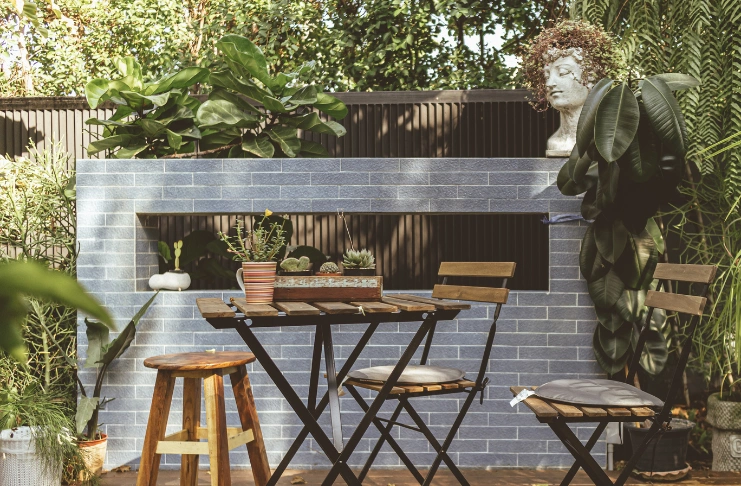
Flexible seating maximizes your space potential. Choose furniture that serves multiple purposes and can be easily reconfigured.
Counter Seating: Bar-height seating along windows or walls uses vertical space efficiently while providing great people-watching spots. These seats turn over quickly, perfect for morning coffee customers.
Community Tables: Community Tables are a great way to facilitate interactions among customers, without taking up a lot of space. They are most effective for laptop users if customers are comfortable sharing a table. An 8-foot table can seat 6 to 8 customers.
Intimate Two Tops: These tables offer two seats and are ideal for holding two diners. These types of tables provide customers with a chance to have meetings while eating.
Comfortable Solo Seating: Solo diners need options, too. Some solo seating should be designed with power outlets near them for laptop users or readers who wish to sit and enjoy their morning coffee routine.
Mix seating heights and styles to accommodate different customer preferences and needs. This variety makes your space feel larger and more dynamic.
INDUSTRY INSIGHT
| According to recent data, 84% of adults use the internet on the go, primarily through smartphones. For many, coffee shops double as workspaces or social hubs. That makes reliable Wi-Fi and access to power a baseline expectation. Shops that offer free internet and accessible power outlets see stronger customer retention. The longer people stay, the more they spend. When designing your coffee shop floor, integrate electrical outlets and USB ports into key seating zones. Prioritize tables near walls or booths for easier outlet access, and space them to avoid clutter or cord hazards. A layout that supports connectivity creates a space where customers want to return. |
How Do You Handle Customer Flow During Peak Times?

Handling customer traffic involves designing with their movement in mind. For example, you may want the floor plan of your facility to direct customers effortlessly, without having to give them directions on how to navigate through.
Make clear paths that do not intersect with each other. Customers queuing to order should not impede people who are taking their beverages or looking for a place to sit.
Your entrance area design should handle queuing without congesting the door. Customers have to have room to enter and evaluate before getting in line. Your line handling system has to be designed to handle morning rushes.
Position your pickup area away from the ordering line. Use different sides of your service counter or create a separate pickup station. This prevents customers from clustering around one area.
Keep high-traffic areas clear of obstacles. Remove unnecessary furniture or décor that forces people to navigate around objects during busy periods.
Which Layout Mistakes Kill Customer Experience?
Do not make the following common mistakes in a floor plan and end up with frustrated customers and operational difficulties.
Blocking Natural Light: Avoid positioning heavy machinery or floor-to-ceiling displays against windows. Natural lighting increases the perception of space and helps create a welcoming atmosphere, which is where customers will want to be.
Eliminating Dead Ends: Each seating section should have an obvious way out. Patrons will feel like they are in a trap if they must push past other diners to exit a space. It is especially relevant to single diners who may be uneasy about asking others to move.
Disregarding acoustics: Hard surfaces and poor layout create noise problems. Overt noise cuts down dwell times and lessens customer comfort. In the designing of furniture and surface material, one should know how sound is reflected around your space.
Undersizing Circulation Space: Narrow aisles create bottlenecks and safety concerns. Allow adequate space for customers carrying drinks and food to move safely. Consider wheelchair accessibility in all pathways.
How Do You Maximize Storage in Limited Floor Space?

Smart storage solutions will maintain clean front-of-house areas and allow access to products when they are needed.
Take advantage of vertical space. Installation of shelving units up to ceiling height can be utilized for keeping cups, take-out containers, and other retail merchandise. The regular stock should remain at an easy-to-access level, with high shelves being utilized for holding backup stock.
Create storage under counters and seating. Built-in storage benches provide seating while hiding supplies. Under-counter areas can house extra inventory, cleaning supplies, and equipment.
Designate specific storage areas for different categories. Group coffee supplies are separate from food items and retail merchandise. This organization speeds up restocking and inventory management.
Consider mobile storage solutions. Rolling carts can hold supplies during busy periods and be moved out of the way when not needed. This flexibility helps in tight spaces.
What Building Codes and Requirements Must You Consider?
Your local health codes and building codes will strongly impact your floor plan choices. Get these factors addressed in your planning phase.
ADA Compliance: Make sure that your area is wheelchair accessible. The aisles should provide widths no less than 36 inches, but 44 inches is preferred for commercial facilities. The service counter should provide accessible areas at appropriate heights.
Fire Safety Requirements: Exits should be kept clear & marked properly. Occupancy rates contribute to seating capacity, and in some areas, multiple exits are needed for larger areas.
Health Department Regulations: There are specific standards for food service areas that include hand sinks, equipment placement, and storage. We should inquire about these requirements at our local health department soon.
Electrical and Plumbing Codes: Your coffee equipment requires adequate electrical service. Plan for sufficient outlets throughout seating areas. Water lines must meet commercial standards and include backflow prevention.
What Furniture Choices Support Your Floor Plan Goals?
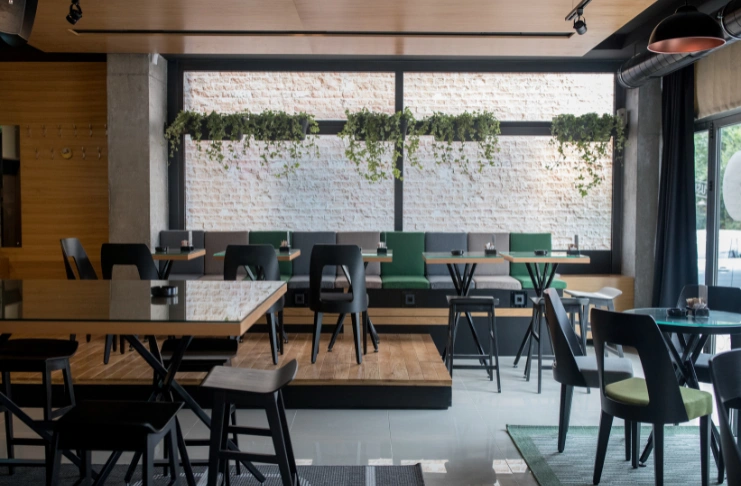
Selecting furniture transcends matters of style. The choices that you make must facilitate efficiency and comfort for the customers. Additionally, they must be aligned with your space.
Scalable Options: It is always a good idea to buy some sort of flexible furniture that can easily adapt to different uses. For a space with some sort of event function, a modular seating system can be a good idea. Anything with permanent fixtures is a negative.
Durable Materials: Commercial-grade furniture withstands heavy daily use better than residential pieces. Consider maintenance requirements when selecting materials. Light-colored upholstery shows stains quickly in high-traffic coffee environments.
Size Proportions: The size of the furniture should be in proportion to the size of the space. Too-large furniture in a small space can make the space seem smaller, and in a larger space, a small piece of furniture can make the space seem bigger. You can place the furniture in a space through computer simulations.
Multi-Functional Pieces: Storage benches, expandable tables, and stackable chairs provide flexibility in small spaces. These pieces adapt to changing needs throughout the day and across seasons.
How Do You Create an Inviting Atmosphere Through Layout?
Your floor plan contributes significantly to your cafe’s atmosphere and first impression. A well-designed storefront can increase foot traffic by up to 30%, making exterior visibility crucial.
Position seating to take advantage of views, whether street activity, a coffee bar, or outdoor seating areas. People enjoy watching an activity while they relax.
Create intimate spaces within your larger layout. Use furniture placement, lighting, and partial barriers to define smaller, cozy zones rather than institutional ones.
Consider sight lines throughout your space. Customers should feel connected to the activity without feeling exposed or isolated. Balance privacy with openness carefully.
Use your layout to showcase your coffee culture. Make your espresso machine and coffee preparation visible and engaging. Let the aroma and sounds of coffee creation become part of your atmosphere.
What Technology Integration Should Your Floor Plan Include?

Today’s coffee shops require information technology infrastructure that should be integrated from the outset when setting up such shops. It becomes costly to incorporate the infrastructure later.
Electrical outlets should also be installed in strategic locations around the seating area. Customers would expect facilities for charging their devices, especially those who come to work on their laptops.
Take care in determining where to locate your point of sale system. The POS must be located in a way that facilitates efficient employee utilization, all while respecting customers’ privacy. Add in space considerations for printers, card readers, or mobile pickup points.
Plan WiFi equipment placement. Wireless routers and WiFi access points require well-thought-out placement to achieve optimal coverage. Do not put networking equipment in locations that affect customer experience, including eyesores.
Include infrastructure for future technology needs. As your business grows, digital menu boards, mobile ordering systems, and customer feedback kiosks might become important.
How Do You Test Your Floor Plan Before Implementation?
Modern coffee shops need technology infrastructure planned into their layouts from the beginning. Over 80% of coffee shop customers use their mobile devices to order and pay for their coffee.
Plan electrical outlets strategically throughout seating areas. Customers expect device charging capabilities, especially those working on laptops. The placement of power outlets and USB ports can encourage customers to stay longer and order more.
Consider the placement of your point-of-sale system carefully. Your POS should be positioned for efficient staff use while maintaining customer privacy. Include space for receipt printers, card readers, and any mobile ordering pickup systems.
Plan for WiFi equipment placement. Routers and access points need strategic positioning for optimal coverage. Avoid placing networking equipment where it interferes with customer experience or creates eyesores.
Include infrastructure for future technology needs. Digital menu boards, mobile order and pay, and feedback stations may be required as you expand.
Conclusion
A perfect floor plan for a coffee shop must balance customer satisfaction and efficiency. The way you design the layout of your business affects not only daily revenue, but also the loyalty of your customers. Always bear in mind that for a successful coffee shop, there is an average of 230 cups of coffee served daily.
The key lies in understanding your target customers and designing spaces that encourage both quick transactions and comfortable lingering. Whether you’re working with a compact 300-square-foot space or a more generous 1,000-square-foot location, smart zoning and thoughtful furniture choices can maximize your potential.
With careful planning and attention to the details covered in this guide, your coffee shop floor plan can become a competitive advantage that keeps customers coming back for more than just great coffee.
Frequently Asked Questions
1. How do I start planning for a cafe?
Start with a detailed business plan that outlines your target customers, menu idea, and budget. Research your competition. Then, look for funding resources. Before you embark on design details, explore where you might locate your business. Your idea should inform all of your design.
2. What is the best legal structure for a coffee shop?
Most small coffee shops operate as LLCs (Limited Liability Companies) because they provide personal asset protection while offering tax flexibility. Consult with a business attorney and accountant to determine the best structure for your specific situation and state requirements.
3. What is the ideal space for a cafe?
The recommended size for a café area is between 600 and 1,200 square feet. It is critical to look for a space with high visibility, ample parking spaces, and foot traffic corresponding to your target customers.
4. What rooms does a cafe need?
It is essential to have the main consumer area where seating is provided and a service counter, a prep/kitchen area, a storage area, an employee restroom, and a customer restroom. Depending on your local regulations, a separate office space, break area, or additional storage spaces might also be required.
5. How can I make my café look attractive?
Emphasize lighting, both natural and lighted. Use an organizational color scheme that represents your brand identity. Invest in quality signage and ensure the site remains clean. Use community or artistic elements, such as plants or design features, to create visual appeal within the site.
6. How to make a café interior?
Begin by having a good floor plan that values customer flow and efficiency. Select materials that are hardy and easy to clean. There has to be a good mix of comfort and functionality. Acoustics, lighting, and climate can be important factors. It is best to hire professionals for electrical work, plumbing, and structural renovations.
7. Which color is best for a café?
Warm and inviting colors work best for cafes. Earth tones, soft browns, warm grays, and muted greens make for comfortable environments. Avoid overly bright or dark colors that might affect your appetite or make the place unsympathetic. Consider how the colors would look under different lighting conditions.
8. How profitable is a small café?
Small cafe profitability varies widely based on location, management, and concept. Successful cafes typically achieve 15-25% profit margins after covering all expenses. Revenue ranges from $200,000 to $500,000 annually for most small operations. Profitability depends heavily on controlling labor costs, rent, and product costs while maximizing customer satisfaction and retention.