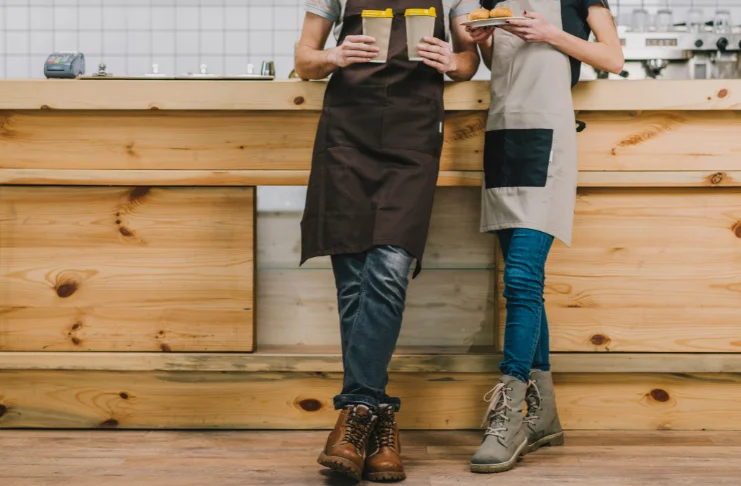

Restaurant workers know the reality of the job, long hours spent on their feet, rushing between tables or navigating a fast-paced kitchen, all while balancing trays, handling hot pans, or cleaning up unexpected spills. In this high-pressure environment, the last thing anyone should worry about is their footwear. Yet, shoes play a critical role in keeping restaurant professionals safe, comfortable, and confident throughout their shifts.
Slippery floors, sudden spills, falling objects, and constant movement are just some of the most common hazards in food service. The wrong pair of shoes can lead to fatigue, back pain, or even dangerous accidents, while the right shoes can provide superior traction, lasting comfort, and protection against everyday challenges.
Footwear made for the food service industry includes cushioned insoles to help support long periods of standing or walking on hard surfaces and slip-resistant outsoles designed to minimize the risk of slips and falls. Footwear specifically designed for food service workers is more than just another item needed as part of a uniform; it can dramatically improve a worker’s overall performance as well as enhance his or her physical health and well-being.
This guide explores the top shoe choices available to restaurant employees, discussing shoe options specifically tailored to meet the needs of line cooks, bartenders, servers and managers, while helping restaurant employees find the proper shoe style, safety features, and durability for each position.
Why Choosing the Right Shoes Matters for Restaurant Workers?

Restaurant work requires long periods of standing, quick movements across wet floors, and exposure to stains, spills, and grease.
INDUSTRY INSIGHT
| In 2023, workers aged 55 to 64 recorded the highest number of workplace fatalities, with 1,089 cases, accounting for 20.6% of all fatalities. Within this age group, transportation incidents were the leading cause (401 cases), followed by falls, slips, and trips (226 cases). Overall, the fatal work injury rate among all workers was 3.5 per 100,000 full-time employees, a slight decrease from 3.7 in 2022. |
The appropriate footwear for a restaurant, with slip-resistant soles and cushioned insoles, helps to minimize these types of risks by providing support and reducing strain on the feet. Proper footwear supports the workplace, maintains balance, and prevents fatigue. Shoe selection is certainly a safety measure, but quality footwear helps to enable an employee’s productivity during difficult workdays by assisting with fatigue and enabling the employee to work safely, efficiently, and productively throughout the day.
Common Hazards That Restaurant Work Shoes Protect Against
Working in a restaurant means being constantly exposed to hazards that can impact both safety and comfort. The right footwear plays a vital role in preventing injuries and minimizing fatigue. Some of the most common risks include:
- Kitchen/Dining Spill and Grease Hazard: Objects falling on workers’ toes: Line cooks, dishwashers, prep personnel regularly carry heavy utensils/tools (pots, pans, etc.). If an object falls, it can seriously injure the employee’s toe if not protected by a shoe. Shoes with a reinforced toe area or made from durable leather provide additional impact resistance.
- Long Hours on Feet = Strain on Feet: Restaurant workers often stand for up to 12 hours per day and experience fatigue, both physical and mental, as a result of long periods of standing. Due to a lack of arch and cushioned insole support, restaurant workers may experience fatigue in the feet, pain in their knees, as well as long-term problems such as plantar fasciitis. Footwear designed specifically for comfort will help reduce stress on the knees, feet, and lower back.
- Exposed to Stains/Hot Liquids/Chemicals: Spilled coffee, sauces, and cleaning materials are daily problems experienced by food service employees. Shoes made from either water-resistant materials or genuine leathers can easily be wiped down with a damp cloth, thus helping to protect them vs. burns, stains, and smells.
By addressing these hazards, high-quality restaurant work shoes act as protective gear just as much as uniforms or gloves. They combine slip resistance, reinforced construction, and cushioning to ensure restaurant workers can perform their jobs with greater safety, confidence, and comfort.
Balancing Safety with Style
Restaurant workers often face strict dress codes. Fortunately, today’s restaurant shoes come in fashionable designs, from polished leather dress shoes to stylish sneakers in classic colors. This balance allows staff to remain professional and stylish while maintaining safety and stability.
Key Features to Look for in Restaurant Shoes
When selecting restaurant shoes, make sure they are comfortable, safe, and durable. Look for shoes with slip-resistant outsoles to help you safely navigate wet floors or spills. Opt for shoes with strong traction that give you maximum grip to minimize the chances of falling.
Slip Resistance
Slip-resistant outsoles are essential for navigating slippery floors and spills. Shoes designed with superior traction and maximum grip reduce the chances of accidents.
Arch Support and Cushioning
Standing for long hours requires strong arch support and cushioned insoles. These features protect the feet from fatigue and reduce stress on the knees and lower back.
Durability and Reinforced Stitching
Due to the heavy use that restaurant shoes endure, they are often subject to extreme wear and tear. To avoid premature breakdown or damage, consider purchasing shoes made from full-grain leather, which is often reinforced with sewn stitching, as well as using water-resistant materials.
Easy Cleaning
Food service professionals encounter stains, sauces, and grease on a daily basis. Shoes made from genuine leather or materials that can be wiped clean with a damp cloth help maintain hygiene and appearance.
Slip On Design
Slip-on shoes with elastic side panels or stretchable materials provide convenience while maintaining a professional look. They are especially helpful during quick changes between shifts specially helpful during quick changes between shifts.
What are the Top Picks for the Best Shoes for Restaurant Workers?

Different types of restaurant work require specific footwear. Below are the best categories of shoes for various roles.
Matching the Right Shoes to the Job
Different food service jobs require different footwear. A line cook benefits from kitchen clogs designed for slippery floors, while a dining room manager may prefer stylish dress shoes with reinforced stitching. Delivery employees/Drivers should be wearing boots or waterproof shoes when it is raining or wet outside. Using the correct footwear for the specific job will provide the best safety/protection, and comfort.
1. Non-Slip Shoes for Kitchen Staff
Line Cooks and Chefs tend to prefer Kitchen Clogs and Non-Slip Shoes. These types of shoes provide great grip, are water-resistant, and come with cushioned insoles. What better way to protect one’s feet? Kitchen Clogs and Non-Slip shoes are ideal for working in hot/active kitchens for extended time periods.
Why Non-Slip Shoes Are a Game Changer
Non-slip shoes are not just a trend; they are a necessity in restaurant work. A report from the National Floor Safety Institute shows that slips and falls at work account for a large majority of Workers’ Compensation claims. This results in a total yearly expense of roughly $70 billion for employers due to slip and fall losses. Utilizing slip-resistant footwear for your employees not only provides safety but also protects you against possible legal action.
Slip-resistant shoes are specifically engineered to endure slippery surfaces, spills, and stains, making them an incredibly beneficial product for both restaurants and food service environments. Restaurant employees appreciate the combination of slip-resistant properties and durable comfort found in footwear designed for the workplace.
2. Sneakers for Servers and Bartenders
Sneakers are considered an ideal choice for servers and bartenders as they ensure comfort while providing the protection needed to prevent slips. Many of today’s top brands, such as New Balance, make sneakers designed for the restaurant industry and are made with slip-resistant and lightweight materials when creating their product line of sneakers.
3. Dress Shoes for Dining Room Staff
In a formal dining setting, employees wear a combination of formal dress shoes that have slip-resistant soles and cushioned insoles for added comfort. These shoes are generally made of genuine leather, reinforced stitching, and removable insoles to provide the best protection from slips and still maintain a professional look.
4. Boots and Rain Boots for Outdoor Service
Employees who work outdoors (such as those who provide outdoor service or deliver food) use waterproof boots that have slip-resistant soles for maximum grip and protection against wet conditions.
What are Some Popular Restaurant Shoes for Women and Men?

Both women and men in the food service industry face similar challenges: slippery floors, long hours of standing, and fast-paced movements in both the kitchen and dining areas. However, shoe designs often differ slightly to accommodate anatomy and preferences.
For women, restaurant shoes typically have a more streamlined fit and lighter-weight materials, along with a stylish look that matches formal dining room attire; however, they must have slip resistance and cushioning. The majority of women also like to wear styles that provide additional arch support to alleviate the stress on their feet from standing for long periods.
In general, men’s restaurant shoes are made with a wider construction, reinforced seams, and robust materials (ex, full-grain leather and water-resistant uppers) to withstand constant wear prevalent in kitchens and bars where a person’s job requires them to be stable and sturdy.
Whether male or female, the best restaurant footwear will contain some combination of safety (lots of traction), comfort (lots of cushioning), and durability (lots of wearability over time), men and women differ based on size, style, and the specific requirements of their job in the food service sector.
How to Clean and Maintain Restaurant Work Shoes?
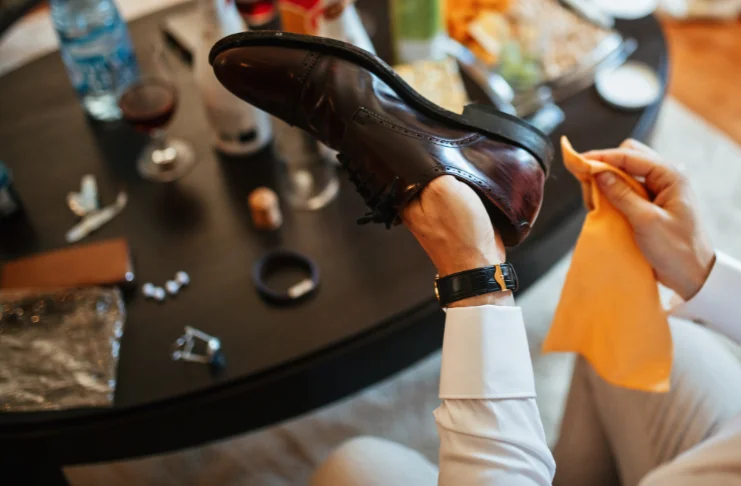
Regular maintenance not only extends the lifespan of restaurant work shoes but also helps keep them clean, hygienic, and professional-looking. Shoes in the food service industry are constantly exposed to grease, sauces, and other spills, so a consistent cleaning routine is essential.
- Wipe after every shift: Use a damp cloth to remove stains, spills, and debris right away to prevent buildup.
- Protective sprays: The use of protective sprays, in conjunction with removable insoles, can help keep your leather/suede shoes looking great!
- Removable insoles: Using water-resistant and/or stain-resistant sprays will give your shoes a layer of protection from staining, while replacing your insoles will ensure that they remain hygienic, cushioned, and support your arches.
- Proper storage: Storing your shoes in dry, well-ventilated areas will help to avoid odors, mold, or damage to your shoe materials over time due to being exposed to moisture.
- Deep cleaning: Every few weeks, do a deeper clean using mild soap or specialized cleaners, depending on the material.
By following these steps, restaurant workers ensure their footwear continues to provide slip resistance, maximum grip, and comfort, even under the strain of daily use in a fast-paced kitchen or dining room.
What are the Best Shoe Brands for Restaurant Work?
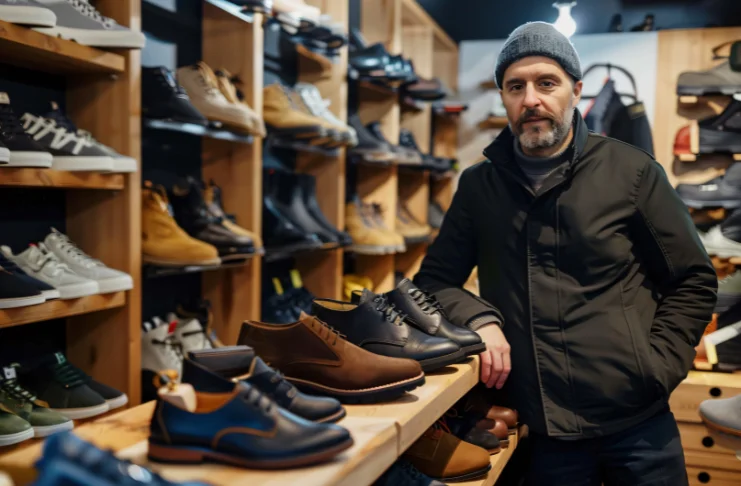
Not all shoes are created equal for restaurant environments, and several brands have built reputations for delivering footwear tailored to the unique challenges of food service.
- New Balance: Renowned for slip-resistant sneakers, New Balance blends athletic comfort with workplace safety. Their cushioned midsoles and strong arch support make them ideal for servers and bartenders who are constantly on the move.
- Dansko: A go-to choice for chefs and line cooks, Dansko kitchen clogs are designed with superior traction, reinforced durability, and cushioned insoles. Their professional clogs are known to reduce foot and back fatigue during long hours in the kitchen.
- Skechers Work: Combining affordability with functionality, Skechers offers non-slip shoes in classic colors that complement restaurant dress codes seamlessly. They are a great option for staff who need reliable comfort without a high price tag.
- Crocs Bistro: Lightweight and easy to clean, Crocs Bistro clogs are popular in fast-paced kitchen environments. Their slip-resistant soles and wipe-clean surfaces make them practical for handling spills, while their cushioned insoles offer comfort during long shifts.
These brands are widely trusted by restaurant workers across different roles, from bartenders navigating crowded dining rooms to line cooks working in hot, busy kitchens. Choosing from these names ensures restaurant staff get footwear that balances safety, comfort, and durability.
Conclusion
Finding the right restaurant worker footwear that meets all three criteria – Comfort, Safety, and Style – will allow restaurant workers to meet the demands of their day-to-day workdays while working long hours in fast-paced roles. Restaurant workers can also find restaurant shoe options from leading manufacturers like New Balance, Dansko, Skechers, and Crocs, all of which provide restaurant workers with a wide variety of options to protect their feet and improve overall work performance. High-quality restaurant work shoes can also be an investment that will help improve safety and provide confidence as they help restaurant service teams remain safe and stable while enjoying their work environment.
Frequently Asked Questions
1. What are the best shoes for restaurant workers for standing all day?
Shoes with cushioned insoles, arch support, and slip-resistant outsoles, such as Dansko Professional Clogs or New Balance slip-resistant sneakers, are ideal.
2. What is the best work shoe for being on feet all day?
Non-slip sneakers with superior cushioning and breathable materials are recommended. Brands like Skechers Work and New Balance are reliable.
3. What are the best shoes for kitchen workers?
Kitchen clogs with slip-resistant soles and easy-to-clean surfaces are ideal for cooks and chefs.
4. What are the best shoes to wear for bartending?
Bartenders should opt for non-slip sneakers or dress shoes with cushioned insoles, striking a balance between safety and a polished appearance.