

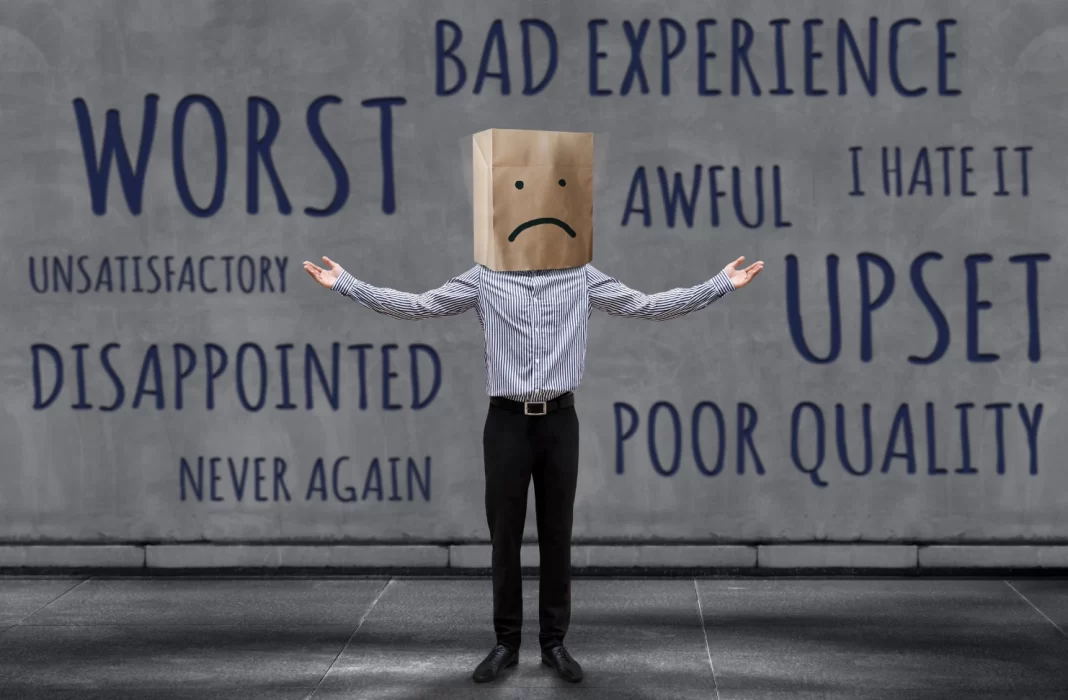

Negative review? It’s inevitable. What matters is how you respond to those negative restaurant reviews.
A thoughtful response can turn negative feedback into an opportunity for customer satisfaction and a stronger online reputation.
In fact, restaurant reviews shape how potential customers perceive your brand. A single negative review on Google Maps or other review sites can influence the decisions of dozens of diners on where to eat.
By crafting personalized responses and showing excellent customer service, you prove that your restaurant’s food and dining experience matter.
In this guide, you’ll learn how to respond to negative restaurant reviews, repair relationships with unhappy customers, and strengthen your brand reputation. Let’s get started.
How Should Restaurants Respond to Negative Reviews?
Effective responses follow a clear structure: acknowledge the issue, clarify context, outline corrective action, and invite resolution. This section breaks down that process step by step.
Step 1: Pause and Understand Before Replying
When a negative review appears, resist the urge to react immediately. Emotional responses can damage your restaurant’s reputation further. Instead, pause and evaluate the customer’s experience objectively.
Read the review carefully. Identify whether the complaint concerns food quality, poor customer service, or a specific incident. Understanding the root cause helps you craft responses that sound professional and solution-oriented.
Check internal reports, shift notes, or feedback from your culinary team to confirm the situation. A restaurant owner who verifies facts before responding appears transparent and credible to potential customers reading the exchange.
Before posting your review response, ask:
- Does it show empathy?
- Does it address the issue clearly?
- Does it align with your restaurant’s image and tone?
Taking time to review the details ensures your ‘dear customer’ reply feels personal, not defensive.
Pro Tip: Always respond within 24–48 hours. A timely manner shows professionalism and genuine care, which reassures both the reviewer and potential customers scanning your online reviews.
Step 2: Start with Empathy and a Genuine Apology

Empathy is the foundation of every strong review response. Begin by addressing the reviewer politely. Use “Dear customer” or, if visible, their first name. Then acknowledge their negative experience directly.
A short, sincere apology disarms tension and opens the door for dialogue. You might write:
Dear customer, thank you for sharing your thoughts. We’re truly sorry to hear your recent dining experience didn’t meet expectations. Your honest feedback helps us improve and maintain excellent customer service for everyone.
Avoid template-like phrases that sound robotic. Your tone should feel human and warm. This is your first step toward rebuilding trust and showing commitment to customer satisfaction.
Once you’ve apologized, express appreciation for their time:
“Thank you for helping us identify areas for continuous improvement.”
This approach signals accountability and encourages positive feedback in future interactions. Done right, it can turn a bad restaurant review into a public display of grace and professionalism.
Step 3: Address Specific Details and Offer Further Resolution
Once you’ve acknowledged the issue, move toward resolution. Generic replies never inspire confidence. A restaurant owner who includes specific details from the original review shows real attentiveness.
If the reviewer mentioned a long wait time or poor customer service, address it directly:
Dear customer, we understand how frustrating the delay was during your last visit. We’ve reminded our team to maintain more efficient service during peak hours.
This kind of thoughtful response proves that you and your team value detailed feedback and take action on it.
Offer a way to continue the conversation privately. Invite the reviewer to contact the manager or email your restaurant name directly for further resolution. It communicates professionalism and care while keeping sensitive details off public comment threads.
We’d love to discuss this in person and make things right during your next visit. Please reach out to us at [email/phone].
Data shows that 45% of consumers are more likely to visit a business if they see that it professionally responds to complaints. This kind of makes your review response an essential marketing tool.
When you respond clearly, you not only repair one negative review but also assure potential customers that your restaurant listens, learns, and cares.
Step 4: Move the Conversation Offline When Needed

Public threads aren’t always ideal for handling bad restaurant reviews. When a customer leaves a heated negative comment, shift the conversation offline quickly. It prevents escalation and shows professionalism to potential customers reading through your restaurant reviews.
Respond with empathy but guide the reviewer toward private communication:
Dear customer, thank you for bringing this to our attention. We truly value your customer feedback and would like to resolve this personally. Please reach out to our team at [email/phone].
Moving discussions offline allows you to personally apologize for the negative experience, offer constructive criticism internally, and find solutions without amplifying the issue on public review sites.
Restaurants that respond to negative reviews privately often rebuild relationships faster. It gives space to listen, offer compensation, or invite the diner back for a positive experience.
A calm, professional tone helps preserve your online reputation while preventing other unhappy customers from joining in. Your willingness to engage directly communicates exceptional service and accountability.
This approach also gives your team time to fix recurring issues behind the scenes.
Pro Tip: End your message with gratitude. Always express gratitude for feedback, even if the tone was harsh. It reflects maturity and builds confidence among potential customers that your restaurant takes addressing criticism seriously.
Step 5: Highlight Improvements and Continuous Effort
Once an issue has been addressed, communicate the change publicly. A visible effort to improve helps avoid bad restaurant reviews in the future and builds long-term trust with potential customers.
If the bad review mentioned delays, share what you’ve done to improve efficient service. If it involved food quality, explain how your culinary team reviewed recipes or retrained staff. Showing progress converts doubt into confidence.
Dear customer, we’ve carefully reviewed your comments about the wait time and have since adjusted staff schedules to ensure smoother service. We truly appreciate your feedback and look forward to welcoming you back on your next visit.
By being transparent, you demonstrate that your restaurant values constructive criticism and takes customer feedback seriously. This approach encourages positive feedback from both returning guests and loyal customers who notice your commitment to growth.
Positive visibility follows effort. Restaurants that share updates and post good reviews from satisfied diners see higher engagement across review sites and attract more positive reviews naturally.
Every update strengthens your restaurant’s reputation and positions your brand as one that listens, learns, and evolves. That’s how you handle bad restaurant reviews effectively – by showing accountability.
Pro Tip: Use social channels to highlight positive reviews or customer shoutouts. It reinforces that your team is listening and values every opinion, good or bad.
Step 6: Encourage More Positive Reviews and Balance Perception

A strong mix of positive reviews balances out occasional bad restaurant reviews. The goal isn’t to erase criticism but to build enough goodwill that new diners trust your overall record.
Encouraging satisfied guests to post positive reviews helps reshape your restaurant’s image on major review sites. Politely ask after a pleasant meal or through follow-up emails:
Dear customer, we’re glad you enjoyed your meal at [restaurant name]. Your positive feedback means the world to our team. If you have a moment, please share your thoughts on Google or Yelp to help local businesses like ours reach more customers.
Make this request feel natural. Many guests are happy to support brands that deliver excellent customer service and consistent food quality.
Highlighting positive restaurant reviews on your website or social media builds credibility for potential customers who are comparing options. It also reassures unhappy customers that their isolated issue doesn’t define your brand.
For balance, continue to read reviews regularly and thank guests who leave good reviews or detailed praise. Public gratitude keeps the cycle going, attracting both loyalty and fresh attention.
Encouraging regular feedback creates a flow of new reviews, strengthens your online reputation, and shows commitment to continuous improvement. Over time, the volume of positive experience stories outweighs the few negative online reviews that appear.
Step 7: Monitor Review Sites Regularly and Respond in a Timely Manner
Consistency is the final layer of reputation management. Restaurant reviews appear daily across multiple review sites, and every business owner should monitor them actively. Ignoring bad reviews allows misinformation to spread and can weaken your online reputation.
Schedule time each week to read reviews on Google, Yelp, and TripAdvisor. Timely engagement tells potential customers that your team values customers’ experience and takes addressing criticism seriously.
When you respond to negative reviews, follow a checklist:
- Keep tone polite and empathetic.
- Use proper grammar and short sentences.
- Add context without sounding defensive.
- Close with an invitation for the next visit.
Even short replies make an impact. A quick review response signals that your restaurant is attentive and proactive.
For example:
Dear customer, thank you for your honest feedback. We’re sorry your recent experience fell short. We’ve discussed your input with our team to improve our restaurant’s food and overall service. We hope to welcome you again soon.
This structure consistently delivers the best responses because they are concise, empathetic, and professional. It also helps your staff learn how to craft responses that reflect brand voice and reliability.
Responding thoughtfully to each review, whether it’s praise or negative feedback, keeps your restaurant name visible in searches and shows a commitment to excellent customer service.
A steady cadence of replies builds trust, helps avoid bad restaurant reviews, and makes your restaurant’s reputation stronger with each exchange.
Pro Tip: Set alerts for new reviews through Google Business or restaurant management software. It ensures every dear customer receives a timely acknowledgment, reinforcing your image as a responsive, guest-focused brand.
INDUSTRY INSIGHT
| In one of the reports analyzing over 100,000 restaurant reviews, 78% of potential customers said responses to reviews influence their dining choices if those responses feel personalized. Similarly, chains have pushed review response rates from ~30% to nearly 60% in recent years, while independent restaurants stay closer to 15%. Restaurants that actively engage with negative feedback and online reviews build stronger trust, encourage loyal customers, and increase repeat visits. |
What Are Sample Response Templates for Common Negative Review Scenarios?
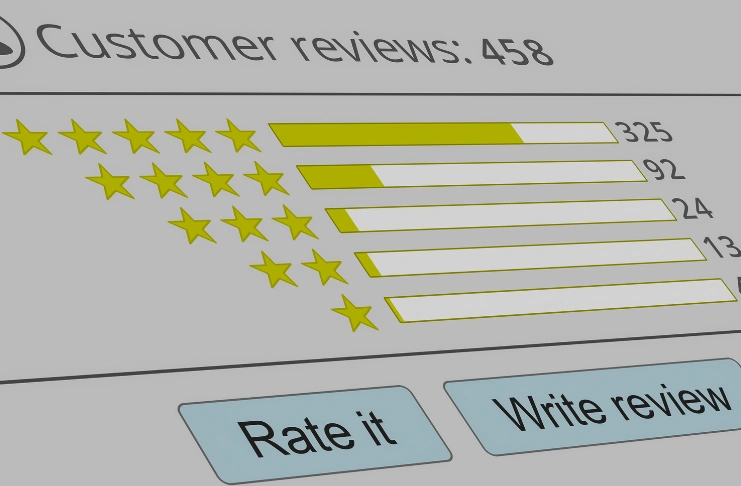
Responding to negative reviews effectively starts with clear, professional, and empathetic messages. The templates below show how a restaurant owner can handle common complaints while demonstrating excellent customer service and protecting the restaurant’s reputation. Each example can be adapted to your style and situation.
1. Food Quality Complaint
Dear customer, thank you for your honest feedback. We’re sorry your experience with our restaurant’s food didn’t meet expectations. Our culinary team has reviewed your comments to improve food quality. We hope you give us another chance on your next visit.
2. Poor Service Complaint
Dear customer, we appreciate you sharing your negative experience. We’ve addressed the issue with our team to ensure efficient service and excellent customer service in the future. Your customer feedback helps us grow and maintain continuous improvement.
3. Incorrect or Untrue Review
Dear customer, thank you for your detailed feedback. We were unable to verify the experience described in your original review, but we take all negative feedback seriously. Please reach out directly so we can clarify and ensure customer satisfaction.
4. Mixed Reviews (Positive & Negative)
Dear customer, we’re glad you enjoyed part of your visit. We also note your concerns about [specific issue]. Your constructive criticism guides our continuous improvement. Thank you for helping us maintain excellent customer service and the restaurant’s reputation.
5. Repeat or Loyal Customer Complaint
Dear customer, we value your loyalty. We’re sorry this visit did not meet expectations. Your negative feedback is shared with the team to enhance your experience on your next visit. We appreciate your trust and look forward to delivering exceptional service.
Conclusion
Handling negative reviews is a skill every restaurant owner must master. Thoughtful review responses show excellent customer service, protect your restaurant’s reputation, and can convert unhappy customers into loyal customers. Address issues promptly, use specific details, and highlight improvements. Over time, consistent engagement leads to more positive reviews and stronger trust from potential customers.
Frequently Asked Questions
1. How to respond to negative review examples?
Acknowledge the issue, thank the reviewer, and address specific details. Offer a solution or invite them for a next visit. Keep tone professional, empathetic, and focused on improving customer satisfaction.
2. How to respond to negative reviews that aren’t true?
Politely clarify facts without sounding defensive. Reference the original review, express understanding, and invite the reviewer to discuss offline. This demonstrates accountability, protects your restaurant’s reputation, and shows potential customers that your team handles negative feedback responsibly.
3. How do I reply to restaurant reviews?
Start with a greeting like “Dear customer,” acknowledge the feedback, and highlight actions taken. Address both positive reviews and negative comments. Timely, professional, and personalized review responses encourage repeat visits and build online reputation.
4. How do you respond to a disappointing review?
Apologize sincerely, reference specific concerns, and show steps taken to improve. Offer a private conversation for resolution and invite the reviewer back for a positive experience. Thoughtful responses turn negative online reviews into a display of excellent customer service.


