

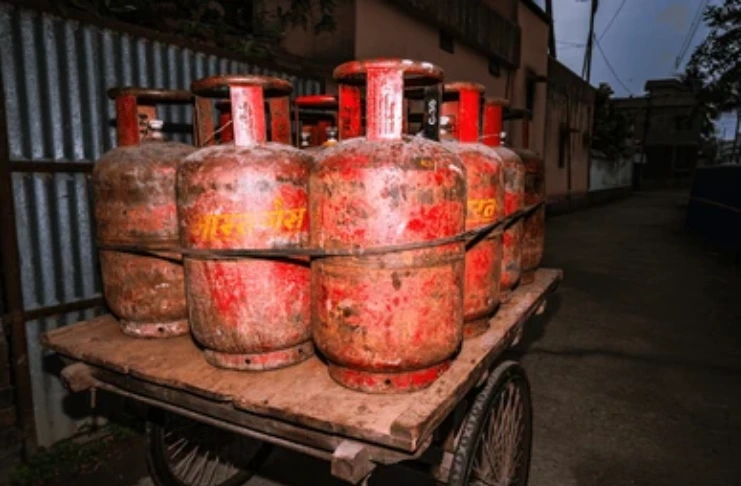

After years of energy market volatility, improving fuel availability is beginning to ease operational pressures for restaurants, hotels, and commercial kitchens. The latest policy move to lift restrictions on commercial liquefied petroleum gas (LPG) reflects a broader trend toward energy stabilization that could benefit foodservice businesses worldwide.
According to a report by The Economic Times Hospitality, the Government of India has withdrawn restrictions on the supply of commercial LPG following a marked improvement in domestic availability. The decision allows commercial consumers, including restaurants, hotels, caterers, and institutional kitchens—to procure commercial LPG without the limitations that were introduced when supplies were under pressure.
The restrictions had originally been implemented to prioritize household consumption during periods of constrained availability and heightened global energy uncertainty. With inventories improving and supply chains stabilizing, authorities have determined that commercial demand can now be met without affecting domestic consumers.
For hospitality businesses, the move offers more than operational convenience.
Commercial LPG remains a primary cooking fuel for millions of restaurants across Asia, Africa, the Middle East, and parts of Latin America where piped natural gas infrastructure is either limited or unavailable. Reliable fuel access is essential for uninterrupted kitchen operations, menu consistency, and cost management.
While the policy change applies to India, the underlying trend is global.
Since 2022, restaurant operators worldwide have grappled with unprecedented energy market disruptions driven by geopolitical conflicts, supply chain bottlenecks, shipping disruptions, and fluctuating crude oil prices. Energy costs became one of the fastest-growing operating expenses for hospitality businesses, forcing operators to rethink procurement strategies and invest in greater operational efficiency.
According to the International Energy Agency (IEA), global gas and fuel markets have become considerably more balanced compared with the extreme volatility experienced during the immediate aftermath of the energy crisis, although regional risks continue to persist.
For restaurants, greater fuel availability translates into improved business predictability.
Energy expenses typically rank among the largest operating costs after food and labor. Stable access to commercial LPG enables operators to manage inventory more efficiently, reduce the risk of service disruptions, and improve financial planning at a time when many businesses are still navigating inflationary pressures.
The development also reinforces an important lesson for the hospitality sector: energy security has become an operational priority.
Many restaurant groups have responded to recent disruptions by investing in energy-efficient cooking equipment, induction technology, renewable power sources, and smart kitchen management systems. However, LPG continues to play a critical role in commercial kitchens because of its portability, affordability, and widespread distribution infrastructure. And this curb reduces many stores problems in India.


