

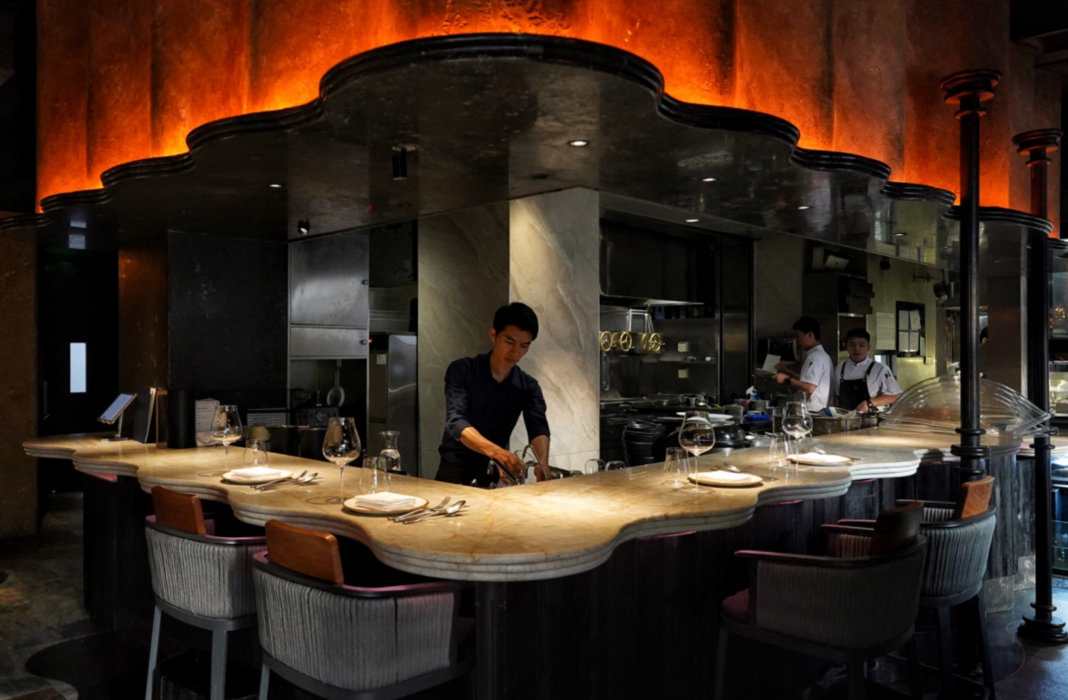

In March 2026, La Bourriche 133 made its debut on Asia’s 50 Best Restaurants list at No. 48, and, and, and the best part is that the restaurant had just opened in 2023. It took La Bourriche only a little over 2 years to achieve something this big. It’s also one of the very few Western restaurants in mainland China to make it this far.
To be super precise, La Bourriche is in Rockbund, Shanghai, and sells only seafood. In fact, the team itself says, “Seafood and Seafood only,” and so everything else, be it sourcing, the menu, and even the wine list, is built around that main ingredient only.
How a Hawker Kid from Singapore Ended Up Running a Seafood Restaurant in Shanghai
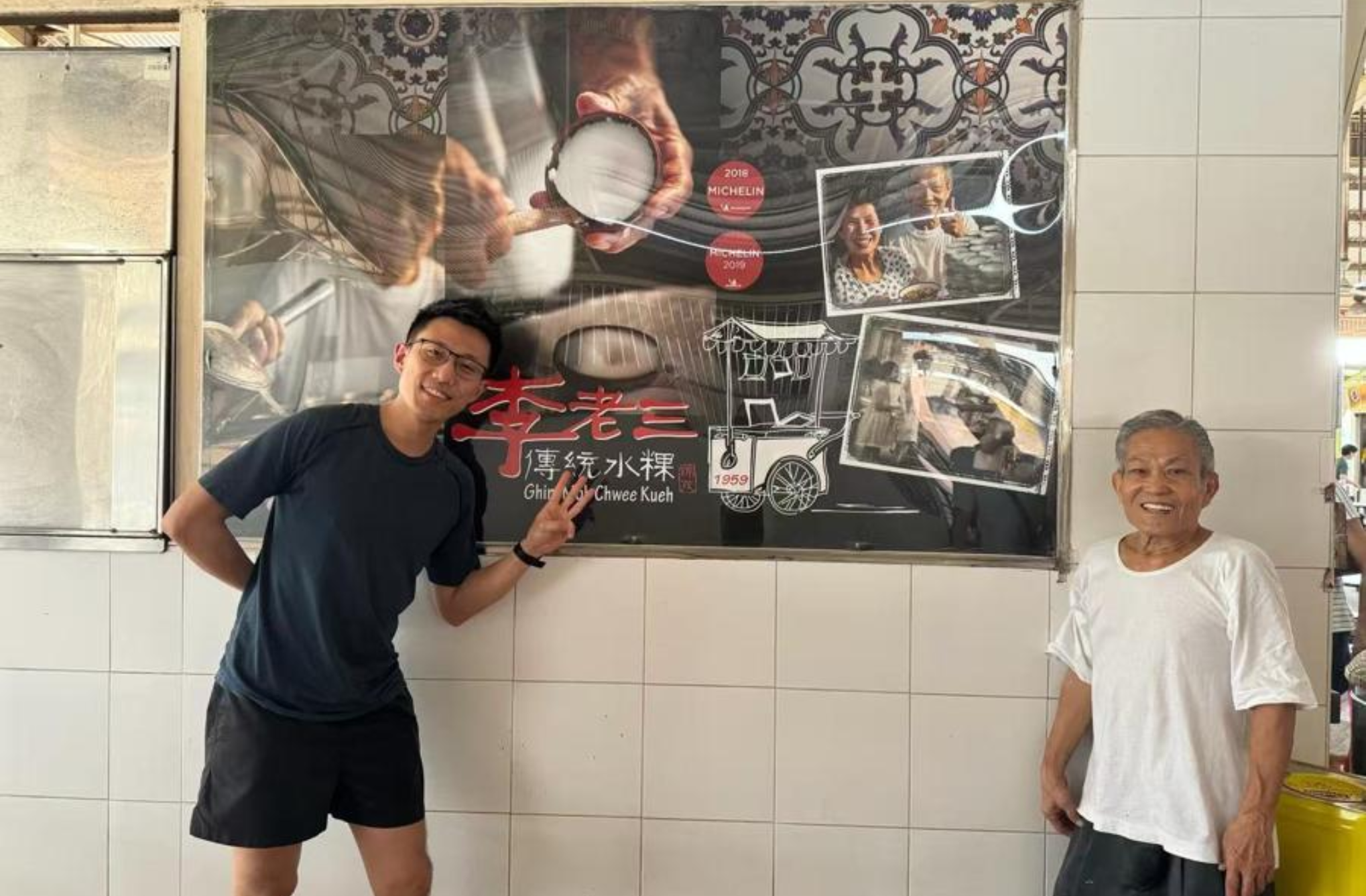
Nobody in Chef Lee Jia Wei’s family was essentially running or interested in fine dining. He grew up in Singapore, helping out at his grandmother’s hawker stall. He studied business at university, and we have no idea how or why he suddenly started training in Australia. He took a full-on break to work at some well-known kitchens before finally deciding that he would make it his full-time career.
After that, he spent 14 years working in Michelin-starred restaurants in Singapore, London, and the Maldives. In 2018, his mentor got the chance to open a new restaurant in Shanghai and asked Lee to come along.
La Bourriche 133 was not his own idea at first. It came from Shen Jialin, a man with years of experience in seafood sourcing, who also owns Mercado 505. Lee and Jialin met back in 2020, on a food trip to Taizhou.
The idea for the restaurant itself came in 2022, when Jialin took a trip to the Basque Country in Spain. There, he tried grilled fish the traditional Basque way and absolutely loved it. It made him realize how little of that style of cooking existed in China, and so he discussed that with Lee, and so came La Bourriche 133 – right after that one conversation.
The name has two parts. “Bourriche” is the word for the wooden crates that European fishermen once used to carry oysters and seafood. It stands for where the ingredient comes from and how it gets to the plate. “133” is the restaurant’s street address.
What Makes the Food Different at La Bourriche 133
What’s really different about the restaurant is that it fuses French cooking techniques with open-fire cooking and is very, very big on the main ingredient itself.
About 70 to 80 percent of the dishes you’ll see today on the menu have changed since the restaurant first opened, especially because of the seasons and what the sea gives that week.
Some of the few very popular dishes – those talked about a lot – worldwide are:
- Pengqi crab pâté from Guangdong served with a ten-year-aged citrus peel sauce.
- A bigfin reef squid from the East China Sea, with an Ajo Blanco made from olive seeds and grapes.
- A swimmer crab from the Yellow Sea, cured in soy for two nights and served with cauliflower mousse.
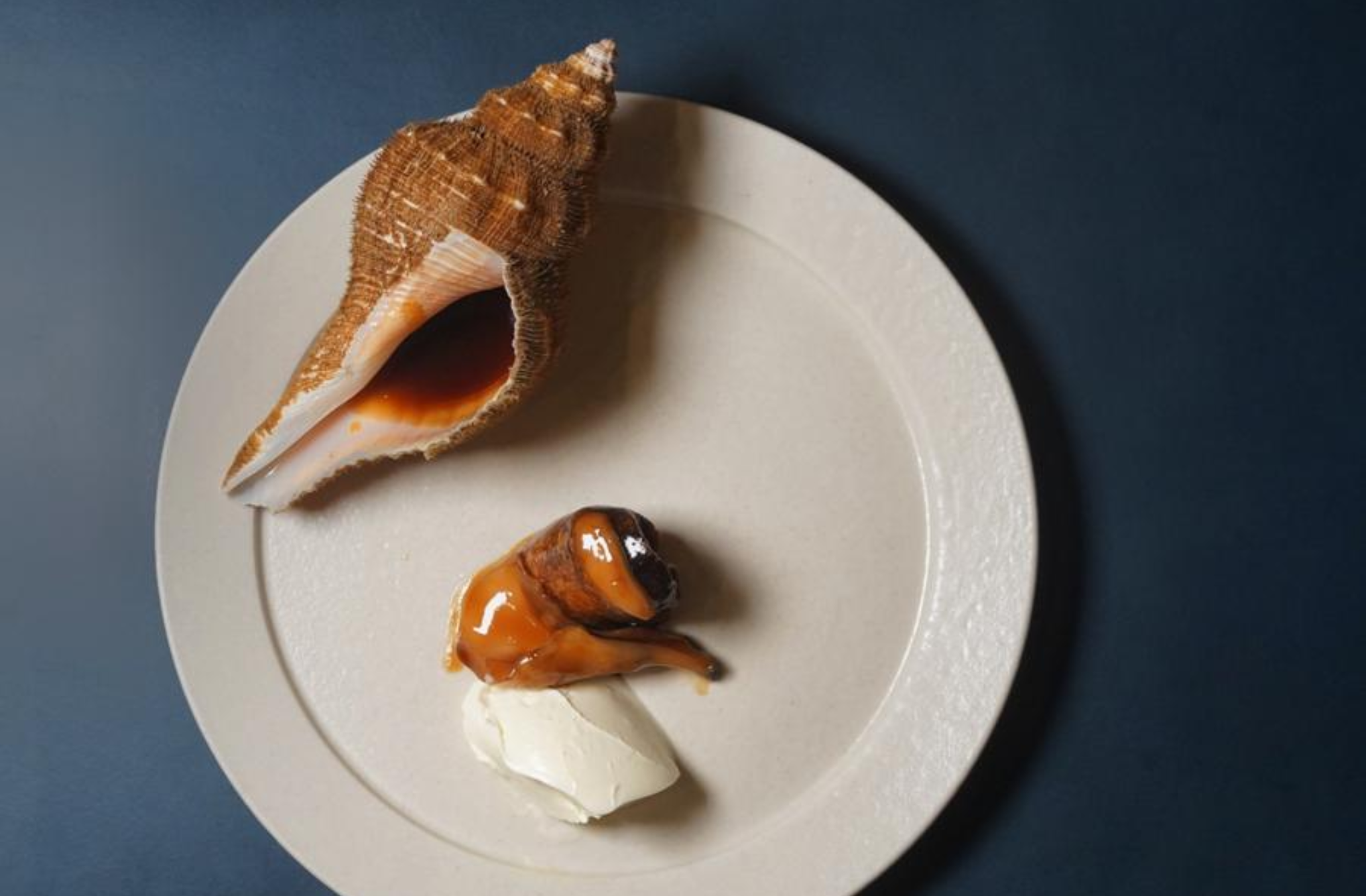
There is also Chaoshan whelk, glazed in a Périgord-style chicken jus and creme fraiche. This one is both the chef and fan favorite. Lee Jia Wei especially likes this dish because of its texture, which is firm but delicate + it has a very light aroma.
As for the wine list, it focuses on Champagne and white wine, since those pair best with seafood.
Almost 100% of the time, guests do seem to notice the focus. About 40 percent of diners here are new, and 60 percent are repeat guests.
The Ranking…
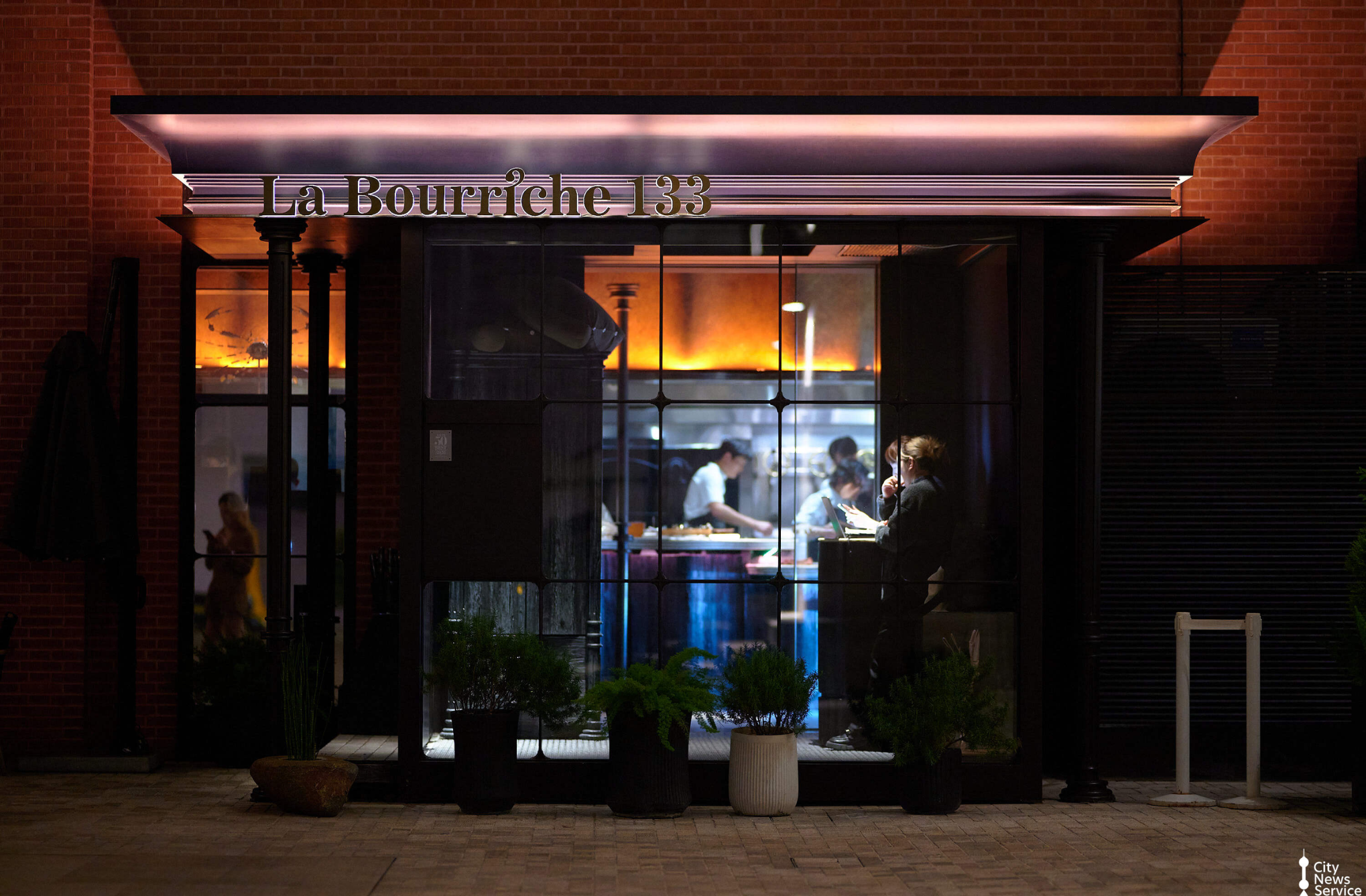
When some critics and reporters asked Lee what Asia’s 50 Best recognition meant to him, he said that he was “relieved,” because back in 2023, the idea of building a “modern seafood” restaurant felt uncertain, since it was new territory in a market as competitive as Shanghai.
Being recognized told him the direction they picked was the right one.
After the award, he thinks changes will be mostly fundamental, if any. He wants to keep sourcing good seafood, keep cooking it with care, and keep the room relaxed enough always.
Lee also talks openly about the city itself. He has high respect for other Shanghai chefs, naming Xu Jingye of House of 102, Yoda Chen of Meet The Bund, and Jason Liu of Ling Long as cooks who shaped how he sees the local dining scene. He also has a soft spot for Sichuan food, thanks to his wife, who is from Chengdu. He jokes that he thinks he can cook it well. She disagrees.
To conclude, Chef Lee shares some advice for younger chefs: “Never forget why you chose to become a chef.” Hold onto your beliefs. Work hard. Pay attention to the details. Do not let down the guests who show up to eat your food. And do not forget to have fun while you are at it.


