
The smell of freshly ground beans. The murmur of conversation. The artistic design of foam on top of a well-pulled espresso shot. In every quaint café that captures your heart is a much less aesthetically pleasing but far more potent process—a well-structured business plan.
Café ownership sits at that delicious intersection where passion meets commerce. While your love for the perfect pour-over might be what wakes you up in the morning, strategic planning for your coffee business will keep your doors open when the honeymoon period fades.
Think of your coffee shop business plan not as paperwork but as the recipe for your success story. You wouldn’t eyeball ingredients for a recipe you consider signature, so why eyeball a startup idea?” Conversely, having a solid concept and roadmap is akin to having a recipe.
Whether you’re a barista ready to break out on your own or an entrepreneur seeing opportunity in coffee culture, this guide will walk you through transforming caffeine-fueled dreams into a thriving enterprise that stands the test of time—where the only thing bolder than your coffee is your vision for success.
What is the Purpose of a Coffee Shop Business Plan

A coffee shop business plan lays the groundwork for everything—operations, funding, marketing, and daily decisions. This section will walk you through the purpose and real-world advantages of having a detailed coffee shop business plan.
The Strategic Power of Planning
A business plan is more than just a paper—it is your guiding star. It makes sure that everything you do is working towards something bigger.”
Putting down your goals translates wishes to planning. Business planning synchronizes ideas and implementation.
Details:
- Instructs and guides decisions and long-term plans.
- Feasibility Analysis: This helps determine whether your concept will work in a particular market.
- Operational Roadmap: This helps for planning staffing and budgeting.
- Financial planning: Clarifies investment needs and profit timelines.
- Investor pitch: Increases credibility with banks, VCs, or angel investors.
A clear plan minimizes guesswork, increases your confidence, and helps attract funding. It’s the smartest first step.
What is a Cafe Concept? How to Make it Unique?

Your cafe’s concept is its soul. It determines who walks through your door, what they order, and why they come back. This section will help you shape a compelling brand identity.
Crafting a Distinct Identity
A well-defined concept brings cohesion to your branding, menu, and ambiance.
Without a clear concept, your cafe will risk blending in. A clear concept is the story that your customers want to be a part of, distinguishing you from other coffee joints.
Details:
- Ask:* What is the theme of the letter, and who is the letter addressed to?
- Options include:
- Pet-Friendly Cafes: It appeals to animal enthusiasts.
- Sustainable Cafés: Emphasize zero waste and locally sourced products.
- Theme Cafes: Develops themed spaces (such as book cafes or art lounges).
- Health Cafes: Offers superfoods and allergen-free menus.
- Reflect your values and market demand.
Your concept becomes the reason customers choose you over others. Make it bold, consistent, and market-ready.
How to Conduct Market Research?

Market research gives your cafe an edge by offering insights into customer preferences, like what local coffee addicts want, competitor strategies, and market gaps.
Know the Terrain Before You Build
Without data, you’re guessing. Research helps align your offerings with real demand.
Many cafes go out of business because they fail to understand their audience. Market research builds on your concept and shapes your services, ultimately bringing major success to a business.
Details:
- Define your target audience: Demographics, income levels, and eating habits.
- Study the competition: menu design, service style, pricing, and reviews.
- Industry trends: Cold brews, digital ordering, plant-based options.
- Tools: Google Trends, local surveys, and footfall counters.
Research ensures you’re building what people want—not what you think they want.
How to Choose the Right Location?

The location can determine your cafe’s visibility, foot traffic, and revenue. Choose strategically, not emotionally.
A Good Location Is Half the Battle
Location affects customer access, perception, and sales volume.
You can have a beautiful café in a bad location, but it won’t succeed. It’s not enough to have good ideas. You must have the right context for them to flourish.
Details:
- Foot Traffic: More people present = more potential customers.
- Demographic Fit: Open your vegan restaurant close to gyms and co-working spaces.
- Accessibility: Easy access to the parking lot.
- Rental Cost vs. Returns: Don’t blow your budget on location alone.
Think like a customer—pick a location you would like to find again and again.
What is Business Structure and Licensing?

Your legal structure affects liability, taxes, and growth potential. Licensing ensures compliance and safeguards you legally.
Build on a Legal Foundation
When it comes to structure and licensing, many new businesses miss the mark or overlook it entirely. This could make or break your startup. Make sure your paperwork is in order before serving your first cup of coffee.
Details:
- Structures:
- Sole Proprietorship: Easy, but high risk.
- Partnership: Share capital and responsibilities.
- LLP/Pvt Ltd: Safer, fundable, and scalable.
- Licenses You’ll Need:
- FSSAI
- GST
- Fire Department clearance
- Local trade license
- Music license (if applicable)
A compliant business attracts trust from customers and investors alike. Don’t skip this step.
How to Create a Strong Brand Identity?

Your brand identity helps shape customer perception and emotional connection.
From Logo to Loyalty
Your brand is the face and voice of your cafe. A strong brand evokes a feeling that brings customers back. It’s more than visuals—it’s your message.
Details:
- Elements:
- Logo and name
- Color scheme and typography
- Voice and messaging
- Packaging and uniforms
- Align all branding with your concept.
When branding is consistent and compelling, your cafe becomes memorable. It transforms customers into ambassadors.
How to Develop Your Menu?
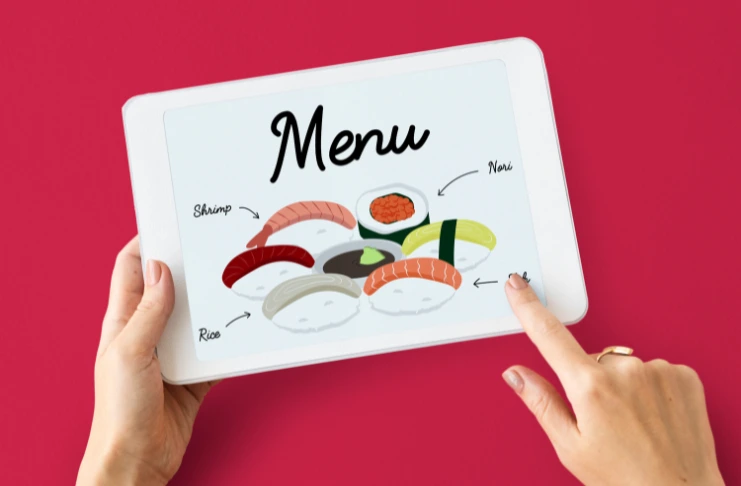
Your menu defines your offerings, pricing strategy, and customer experience.
Designing a Menu That Sells
A smart menu balances creativity, cost-efficiency, and brand alignment. Every dish or drink should add value—to your customers and your bottom line.
Details:
- Focus on your USP: Signature drinks or dishes.
- Menu: Keep the menu short, strategic, and scalable.
- Things to Consider: Factor in food cost, pricing, and preparation time.
- Offer dietary flexibility: Vegan, gluten-free, sugar-free.
A thoughtful menu isn’t just about food—it’s a business tool for revenue and brand building.
How to Choose the Right Interior Design and Layout?
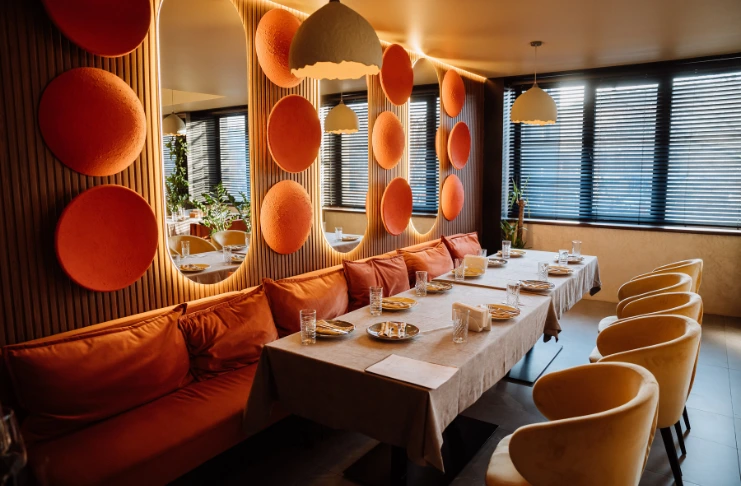
Your design affects customer satisfaction and the flow.
A Space That Serves and Sells
Design transcends mere aesthetics, as it drives customer behavior. Good interior design leads to consumers lingering longer in the store, purchasing more product, and sharing their experiences on social media.
Details:
- Match the decor with your concept.
- Design efficient kitchen-to-table layouts.
- Design areas for solo diners, groups, and quick eats.
- Incorporate Instagram-worthy spots.
The interiors are also responsible for the mood and the overall experience that is created in the space, and it is not merely a café.
How to Choose the Right Equipment?
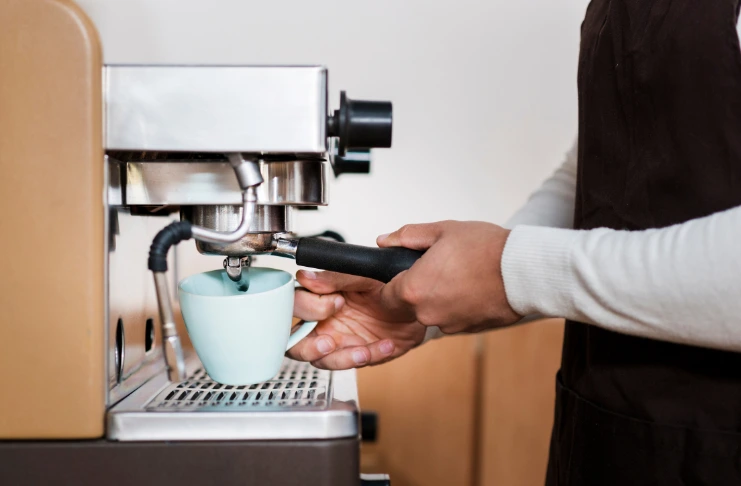
Equipment influences efficiency, safety, and taste consistency.
Invest Smart, Not Just Big
Equipment influences efficiency, safety, and taste consistency.
Invest Smart, Not Just Big
Good tools make the job go more smoothly. You shouldn’t necessarily purchase the best. You should purchase the best one for you.
Details:
- Must-haves:
- Refrigerator
- Espresso machine
- Water purifier
- Coffee grinder
- POS system
- Pick equipment meant for commercial use and with support services for its maintenance.
Equipment costs are an investment over the long term. It pays to be careful with equipment to save costs..
How to Hire and Train Your Staff?

Your cafe staff are your face. Skill and attitude result in reviews and returns.
Build a Team That Breathes Your Brand
A passionate team makes the whole experience. Your level of service starts with your people. Train for skills. Hire for attitude.
Details:
- Position to fill: Baristas, servers, chef, manager.
- Train on:
- SOPs
- Hygiene and food safety
- Upselling and feedback handling
When your staff grows, your business grows. Prioritize team culture.
How to Develop a Winning Marketing Strategy?

Marketing draws people in—and keeps them coming back to a successful coffee shop .
Be Seen, Heard, and Remembered
No matter how good your coffee is, you need people to know about it. Visibility creates viability. Marketing must be consistent and creative.
Details:
- Offline: Flyers, opening events, partnerships.
- Online: Social media, email, influencer tie-ups.
- Build a content calendar.
Marketing is a dialogue—keep it authentic, and the customers will follow.
How to do Financial Planning and Budgeting in your Cafe?

Your budget is essentially your roadmap, as it points to where your finances are flowing from and where they are going.
Numbers That Keep You in Business
Rupees should be tracked. Cafés are fueled by passion; however, they sustain because of figures.
Details:
- Plan for:
- Setup Fees: $80,000–$300,000 (equipment, licenses, interior)
- Rent: $2,000–$10,000/month depending on location
- Wages for the staff: Average $10–$18/hour (BLS, 2023)
- Marketing Budget: 10–15% of monthly revenue
- Contingency Fund: 10–20% of total setup cost
- Use budgeting software or hire an accountant.
The smart financial planning strategy can prevent any surprises, as well as contribute to long-run growth.
Securing funding
Securing funding for your café is a pivotal step in transforming your vision into reality. Here are several practices to help you raise the required capital:
1. Self-Funding (Bootstrapping): Utilize personal savings or assets to finance your café. This approach allows you to maintain full control and avoid debt. However, it requires sufficient personal funds and involves financial risk.
2. Friends and Family: Perhaps friends or family members with whom you share your vision will be able to lend you or invest in your business. Have clear understandings in place.
3. Crowdfunding: Platforms like Kickstarter, Indiegogo, and GoFundMe enable you to share your idea for a café with a wider population with a view to crowd-funding a small amount through rewards.
4. Small Business Loans: Bank loans or SBA loans are a great source of capital. A good business plan and credit score are crucial for securing a small business loan.
5. Angel Investors: Look for individuals who invest in startups in exchange for equity. Tools such as the platform Wellfound will allow you to network with potential investors who focus on the food and beverage industry.
6. Venture Capitalists: While it is less typical in Cafés, venture capital financing could potentially work well with your company, depending on its high scalability or innovativeness. You would have to make a compelling argument regarding scalability.
7. Restaurant Incubators: Take advantage of programs that provide financial support and resources specific to food service businesses. Restaurant incubators can be beneficial assets.
8. Community Development Financial Institutions (CDFIs): These financial institutions specialize in providing loans to businesses in low-income communities. They sometimes offer favorable loan terms that a traditional financial institution might not. In most cases, a CDFI is usually a non-profit organization.
INDUSTRY INSIGHTS
As of April 2025, several notable statistics and developments have emerged regarding Community Development Financial Institutions (CDFIs) and small business lending in the United States:
| During the period between 2011 and 2025, the percentage increase of the approved credit unions being CDFIs grew by 134%. The second-largest period of growth occurred between 2021 and 2023, which registered a 49% increase. This is attributed to the lack of confidence in mainstream banks after the Great Depression and the support offered by Inclusiv to credit unions to attain CDFI status.The global small business loans market is expected to reach $7.22 trillion by 2032, growing at a compound annual growth rate (CAGR) of 13%. For the U.S. market, there were $31.1 billion in SBA loans approved in 2024, with more than 70,000 loans, indicating a 13% increase in the total amount and a 22% increase in loans compared to 2023.In 2023, Native CDFIs had a 25 percentage points greater likelihood of experiencing higher demand for their financial services compared to non-Native CDFIs. At the same time, they also had a 12 percentage-point lower likelihood of meeting such demand. |
9. Online Lending Platforms: Investigate alternative lending sources such as Biz2Credit that provide loans to small businesses.
10. Partnerships: Create partnerships with people or companies with complementary café visions. Partners may include suppliers, artists, or other businesspeople.
Preparing to Approach Investors:
- Develop a Comprehensive Business Plan: Clearly outline your café’s concept, market analysis, revenue projections, and operational strategies.
- Develop an Attractive Pitch Deck: It is necessary to encapsulate your coffee shop business idea in an attractive pitch deck that emphasizes the unique value proposition offered by your café and the likely return on investment.
- Establish a Strong Brand Identity: A cafe which has a clear and attractive brand identity will fetch you greater attention from would-be investors.
- Utilize Your Network: Attend sector-related events, join local business groups, and use connectivity options such as LinkedIn to reach possible sources of funding.
- Think of a Pop-Up or a Market Stall: If your concept is demonstrated in a smaller way, it has the capacity to generate interest and test the feasibility of your entrepreneurial concept.
Remember, each funding source comes with its own set of advantages and considerations. Assess your business needs, risk tolerance, and long-term goals to determine the best fit for your café., risk tolerance, and long-term goals to determine the best fit for your café.
How to Plan Operations?

An operation plan describes your daily workflow.
Systems Create Success
Efficiency means time, money, and stress will be conserved. Chaos in the kitchen means chaos in service. Both go hand in hand.
Details:
- Scheduling and reporting
- Vendor and stock management
- Cleanliness protocols
- Daily SOPs
Operational excellence ensures consistent customer experiences.
What are Revenue Streams?

A modern cafe thrives on multiple income avenues beyond just serving coffee. Diversifying your revenue streams not only boosts profits but also protects your business during off-peak seasons or economic downturns.
Key Revenue Channels to Explore:
- In-House Sales: Your primary source of income—coffee, pastries, sandwiches, smoothies, and other beverages.
- Merchandise: Branded mugs, tumblers, tote bags, and apparel create brand recall and offer excellent profit margins (average 30–50%).
- Retail Beans & Home Brewing Kits: Selling your signature blends as whole beans or grind-to-order bags is a powerful way to engage customers even outside your shop.
- Online Subscriptions: Deliver beans, cold brew concentrate, or curated boxes to customers monthly. The global coffee subscription market is projected to reach $74.3 billion in 2025.
- Events & Workshops: Hosting barista classes, coffee tastings, or live music events brings in additional income and builds a loyal community.
- Corporate Catering & Partnerships: Supplying coffee for offices and coworking spaces or partnering with local bakeries and hotels.
- Delivery & Takeout: Especially vital post-COVID, partnering with DoorDash, Uber Eats, or Grubhub can increase sales by 20–40%.
A diversified portfolio safeguards against risks while also allowing for exponential growth.
What is Technology Integration?
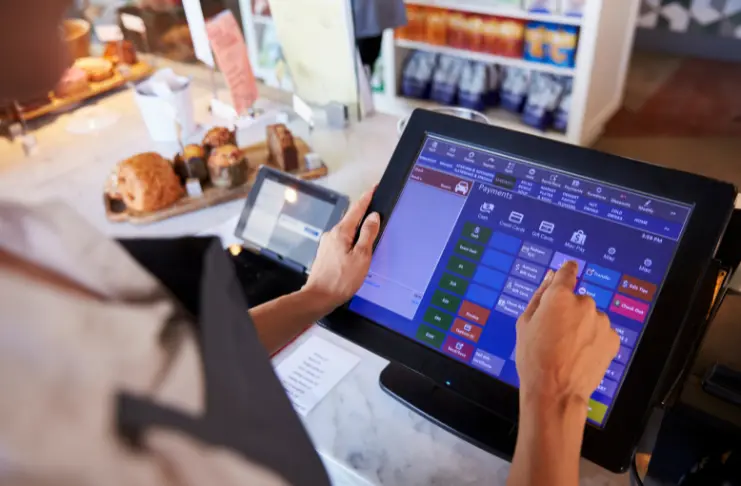
Tech tools enhance efficiency and customer experience while also helping to manage your operating expenses .
Tech That Transforms
Adopting tech can simplify operations and expand your reach. Modern cafes need modern solutions. Tech saves time and scales service.
Details:
- POS Systems (Point-of-Sale): Platforms like Posist handle orders, tips, customer data, and inventory. Some even integrate loyalty programs and real-time analytics.
- Inventory Management Software: Use tools to automate stock tracking, reorder supplies, and reduce waste.
- Mobile Ordering & Loyalty Apps: Starbucks revolutionized this model. Cafes using apps for mobile orders report a 20%+ increase in order frequency and average ticket size.
- CRM & Email Marketing Tools: Platforms help you stay in touch with customers, send offers, and get feedback.
- Contactless Payment & QR Menus: Fast, hygienic, and now expected by most customers.
The right tools can make a small management team work like a big one.
What are Sustainability Practices?

Sustainability encourages conscious consumers and reduces waste.
Serve Coffee, Save the Planet
Eco-practices are good ethics and good business. Going green isn’t a trend, it’s a responsibility.
Details:
- Compostable packaging
- Reusable discounts
- Local sourcing
- Waste segregation
Sustainable cafes build a loyal, value-aligned customer base.
What is Risk Management?

Risks are inevitable. Preparedness is optional—but smart.
Plan for the Worst, Serve at Your Best
Risks are unavoidable. Preparedness is optional, but smart.
Plan for the Worst, Serve at Your Best
Mitigating risk ensures your cafe can survive shocks. A fire, illness, or supplier issue shouldn’t shut you down.
Details:
- Business insurance
- Backup vendors
- Safety drills
- Emergency fund
Being proactive means you’re never paralyzed by problems.
What are Monitoring & Growth Metrics?

Growth happens through reflection and refinement.
Data-Driven Decisions Win
Track what matters, scale what works. Numbers tell the real story. Let them guide your next move.
Details:
- Foot traffic, sales, most liked/ordered items
- Monitor social media coverage
- Staff and Customer Feedback Sessions
Improvement isn’t luck, it’s measurement plus action..
How to Scale Up Your Cafe Business?

Once your cafe stabilizes, scale for impact and income.
Grow Without Breaking the System
Expansion requires strategy, not just ambition. Scaling isn’t just opening more branches—it’s optimizing every process first.
Details:
- New locations
- Franchising
- Online stores
- Delivery-only kitchens
Scale only what works—and keep your quality intact while doing it.
How real-life Cafes Transformed their Business?
1. Stumptown Coffee Roasters (Portland, OR)
It was founded in 1999 and is known for direct trade. It gained national popularity through its emphasis on quality and storytelling and was eventually bought out by Peet’s Coffee
2. Blue Bottle Coffee (Oakland, CA)
James Freeman founded it as a garage-based roastery in 2002. Focus on freshness and simplicity. Raised an enormous amount and also got acquired by Nestlé in 2017.
3. Joe Coffee Company (NYC, NY)
Launched in 2003 as a neighborhood cafe. Known for barista training and premium beans. Now, it has 20+ locations and online subscription offerings.
Conclusion
Just as the perfect espresso requires both science and soul, your café’s success story will unfold through that same powerful blend of passion and strategy. The coffee shop business plan you’ve crafted isn’t just paperwork filed away—it’s the living blueprint that transforms those morning inspirations into evening celebrations.
Remember that aroma of possibility we talked about? It’s still there, now backed by financial projections that make sense, marketing strategies that resonate, and operational plans that won’t leave you burned out before your first anniversary.
Your café has the potential to become more than just another spot for caffeine—it can be that magical third place in your community where ideas percolate alongside your signature brews. The journey from passionate coffee lover to successful café owner isn’t always smooth, but with your comprehensive roadmap in hand, you’re equipped to navigate the inevitable bumps without spilling your dreams.
So, take that final sip of preparation, and step confidently into the adventure ahead. After all, the most satisfying businesses, like the most memorable coffees, are crafted with intention, served with heart, where your restaurant dream comes true, and is enjoyed for years to come.
Frequently Asked Questions
1. How do I write a business plan for a restaurant?
To write a restaurant business plan, start with the concept, market research, target audience, menu, location, operations, financials, and marketing strategy.
2. What are the 7 things in a business plan?
7 things in a business plan are: Executive Summary, Business Description, Market Analysis, Organization & Management, Menu/Service, Marketing Plan, Financial Projections.
3. How do small restaurants make money?
Small restaurants make money through dine-in sales, takeout/delivery, catering, and upselling high-margin menu items like beverages and desserts.
4. What 5 things should a business plan include?
5 things a business plan should include are: Concept, Market Research, Operations, Marketing Plan, Financials.
5. How profitable is a cafe business?
In a cafe business, profit margins range between 10–20%, depending on location, menu pricing, and operational efficiency.
6. How do I attract customers to my cafe?
Engage customers at your café through social media and influencer marketing campaigns, distinctive menus, a comfortable environment, and loyalty programs.
7. Is cafe a good business to start?
Yes, if backed by a strong concept, solid planning, and market understanding, it offers steady demand and brand potential.
8. How profitable is a small cafe?
In a small cafe, you can earn ₹50,000 to ₹2 lakhs per month after 6 to 12 months.
9. How do you write a business plan for a cafe shop?
Define your concept, target market, menu, location, structure, team, equipment, finances, and marketing channels.
10. How do I start planning for a cafe?
Research your market, define your concept, plan your budget, scout locations, and start building your business model.
11. Is a cafe a profitable business?
Yes, especially in urban areas, with strategic operations and a loyal customer base. Profitability increases over time.
12. What is the best business structure for a cafe?
For most, a Private Limited Company or LLP offers scalability, funding potential, and limited liability protection.