
Starting a restaurant in India (or anywhere, for that matter) demands the right approvals. Among the first is the Shop and Establishment License, a mandatory registration under the state’s Labour Department.
This license ensures your restaurant, café, or retail food outlet complies with working hours, employee welfare, and basic operational laws.
Alongside this, a food service establishment license from the Food Safety and Standards Authority of India (FSSAI) and other clearances make up the legal foundation for running a food business.
Be it for fine dining restaurants, food vendors, grocery stores, or retail food stores, the application process follows a structured path: submission of documents, payment of the license fee, and verification through inspection and compliance checks.
In some cases, authorities allow variance and exemptions, while certain categories of food establishments must meet special requirements.
Understanding the eligibility criteria and the scope of the shop and establishment license for restaurant upfront will save you time, prevent penalties, and keep your restaurant operations legally sound from day one.
INDUSTRY INSIGHT
| In India, the Shop and Establishment License fee for restaurants varies by state and employee count, usually ranging between ₹200 and ₹4,000 annually. Some states, like Delhi and Maharashtra, also offer multi-year or lifetime validity options. On average, approval takes 8–10 working days if documents are complete, though a full set of food establishment licenses (Shop & Establishment plus FSSAI) can stretch the timeline to 2–4 weeks. Delays often arise due to missing documents or inspection failures, making it essential for food vendors and restaurant owners to carefully prepare their applications. |
Who is Eligible for a Shop and Establishment License?
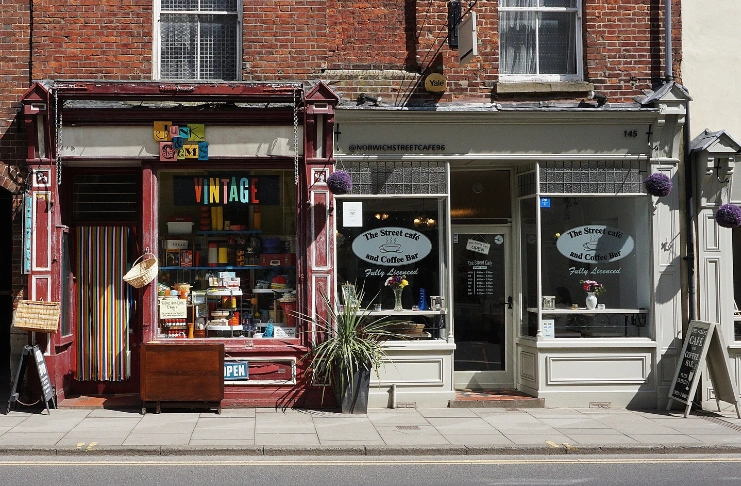
Before you apply for a Shop and Food Establishment License for your restaurant, make sure you meet the state’s basic eligibility checks. Your registration won’t get approved by the authorities unless these conditions are in place.
What you need to qualify:
- Registered ownership: The applicant must provide proof of ownership or a valid rental agreement for the restaurant space. Without clear rights to the location, the department won’t process your request.
- Valid identity: Owners must submit government ID along with business registration documents: PAN, Aadhaar, or company incorporation papers.
- Employee records: If your restaurant employs staff, details of employees, working hours, and wages must be disclosed. This ensures compliance with labor and health welfare rules.
- Operational readiness: The facility must have essential equipment and arrangements to handle food safely for human consumption, even before the inspector’s visits.
- Public responsibility: Applicants are expected to show systems for managing customers, maintaining hygiene, and being responsible for the safety of food and drinks being sold.
- Jurisdiction: Your business must fall within the relevant county or state jurisdiction. Applications with the wrong mailing address or across state lines are rejected.
Meeting these conditions to the T speeds up the licensing and avoids penalties later when you begin operating your restaurant.
Important: Register yourself under the Shop and Establishment Registration Act within 30 days of the commencement of business.
What Documents are Required to Obtain a Shop and Establishment License for Restaurant?
Once you meet the eligibility criteria, the next step in obtaining food licenses is pulling together the right paperwork. Missing or incorrect paperwork is the top reason for delays in approval.
Here’s what most state departments ask for when you submit your application for a Shop and Establishment License for a restaurant:
- Proof of ownership or tenancy: Registered lease deed, sale deed, or NOC from landlord.
- Identity and business documents: Aadhaar/PAN of the owner, GST registration, and business incorporation papers.
- Food safety clearances: FSSAI certificate if the food establishment will serve items for human consumption.
- Employee details: List of staff members with roles, working hours, and wage structure.
- Operational information: Restaurant address, contact number, and basic layout plan of the facility showing kitchen, storage, and service areas.
- Utility and tax receipts: Electricity or water bills to verify location, plus tax receipts if available.
Authorities will review the documents against the state and its agriculture regulations before moving your application ahead. Having a complete file upfront avoids back-and-forth queries and shortens the approval timeline.
What Is the Application Process for a Shop and Establishment License?
Securing food establishment licenses in India follows a structured licensing process under the state Labour Department. Here’s how to complete it without delays:
Step 1: Online Registration
Most states now offer online portals for shop and establishment registration. Visit your state’s Labour Department website and create an account using valid contact details.
Fill out the application form with accurate information about your restaurant establishment. Double-check all details before submitting, as errors can delay the process significantly.
Pay the required license fee online through net banking, debit/credit card, or UPI. The system will generate a receipt that you’ll need for future reference.
Step 2: Document Upload
Upload clear, readable copies of all required documents. Make sure file sizes comply with the portal’s specifications and that all text is clearly visible.
Submit additional details about your food establishment operations, including the types of processed food you plan to serve and your target customer base.
Provide accurate facility information, including the complete address, contact numbers, and details about the space where your restaurant will operate.
Step 3: Application Review
The department will review your submitted application and documents. This typically takes 5-7 working days for complete applications.
If any information is missing or unclear, authorities may contact you for clarification or additional documents. Respond promptly to avoid delays.
Once the preliminary review is complete, your application moves to the inspection stage, where an inspector will visit your location.
Step 4: Inspection and Approval
Schedule the inspection at a convenient date when your facility is ready for review. The inspector will verify that your setup matches the submitted documents and meets safety standards.
During the visit, demonstrate that you have proper arrangements for employee welfare, food safety, and customer service as per establishment regulations.
After a successful inspection, you’ll receive your Shop and Establishment License, typically within 2-3 working days of the inspection date.
Tip: It is always better to hire a consultant for any sort of assistance you may need throughout the application process.
How Much Is the License Fee for a Food Establishment?
The license fee for a food establishment in India depends on the location, type of business, and number of employees.
For small restaurants, the license fees may start as low as ₹200 annually, while larger food service establishments pay higher slabs, often ₹4,000 or more. Some states allow lifetime registration for one-time fees.
Apart from the license fee, you may face extra charges like inspection fees or permit charges if you handle processed food or drinks. Always pay on time, as delayed payments stall approval.
How Do Inspection and Compliance Work for Restaurants?
Regular inspections ensure your restaurant maintains required standards throughout its operations. The inspector assigned to your case will verify ongoing compliance with labor and food safety regulations.
Pre-Opening Inspection
Before you can start serving consumers, an inspector will visit your facility to verify that everything matches your submitted application and meets safety requirements.
Common inspection points include employee facilities, food storage areas, kitchen hygiene standards, and compliance with working hour regulations for your staff.
Make sure your establishment is fully operational during the inspection, with all equipment in place and staff present to demonstrate your operational procedures.
Ongoing Compliance Requirements
Maintain detailed records of employee attendance, wages, and working hours as required by the Shop and Establishment Act. These documents must be available for inspection at any time.
Keep your food licenses, certificates, and permits displayed prominently in your restaurant as per legal requirements. This includes the FSSAI certificate, the Shop and Establishment license, and any other relevant approvals.
Address any violations promptly when identified during routine inspections. Minor issues can usually be corrected quickly, while serious violations may result in temporary closure until resolved.
Record Keeping
Document all staff details, including employment dates, salary structures, and working schedules. This information helps demonstrate compliance with labor laws during inspections.
Maintain registers for daily attendance, leave records, and overtime calculations as required by state regulations. These records protect both your business and your employees.
Keep copies of all license renewals, fee payments, and correspondence with authorities in easily accessible files for quick reference during inspections.
What Records Must Restaurants Maintain for Compliance?
Shop and Establishment licenses require regular renewal to maintain legal operations. The renewal schedule varies by state, with most requiring annual or multi-year renewals.
Renewal Timeline
Start your renewal process at least 30 days before your current license expires to avoid any operational disruptions. Late renewals often involve penalties and additional paperwork.
Submit renewal applications with updated information about your business operations, employee count, and any changes in facility or ownership structure.
Pay renewal fees promptly to avoid penalties that can significantly increase your total costs. Some states offer early renewal discounts for timely applications.
Compliance Monitoring
Authorities may conduct surprise inspections to ensure continued compliance with license conditions. Keep all required documents and records current and easily accessible.
Train your staff on basic compliance requirements so they can assist during inspections and demonstrate that your business follows proper procedures.
Update your food establishment licenses promptly when making significant changes to your restaurant operations, facility, or ownership structure to avoid compliance issues.
What Special Requirements Apply to Different Food Establishments?
Certain types of restaurants face additional requirements beyond standard Shop and Establishment licensing based on their operations and target customers.
High-Volume Operations
Large restaurants with extensive seating or multiple locations may need enhanced documentation and more frequent inspections to ensure compliance across all areas of operation.
Chain restaurants operating across different cities or states must obtain separate licenses for each location while maintaining centralized compliance records.
Specialized Service Models
The cloud kitchen business model has specific requirements related to online operations, delivery partnerships, and food packaging standards.
Catering services need additional permits for off-site food service and may require special transportation and handling certifications for mobile operations.
Location-Specific Requirements
Restaurants in shopping malls, airports, or special economic zones may need additional clearances from relevant authorities beyond standard municipal licenses.
Establishments in residential areas face stricter noise and operating hour restrictions, which must be reflected in their license conditions and operational procedures.
Understanding these special requirements early in your planning process helps avoid delays and ensures comprehensive compliance from day one of operations.
The licensing process may seem complex, but methodical preparation and attention to detail make it manageable. Start early, maintain organized records, and work closely with local authorities to ensure your restaurant meets all legal requirements for safe, compliant operations.
Remember that proper licensing protects not just your business but also your customers and employees. The time and effort invested in complete compliance pays dividends through legal protection, customer trust, and smooth operations.
How Can Food Businesses Navigate Multi-License Compliance in India?
Many restaurateurs, food vendors, grocery stores, and retail food stores assume one license covers everything. It doesn’t. Understanding the full spectrum of food establishment licenses is critical to avoid fines, delays, or legal risks.
1. Cross-Check Licenses by Business Model
- Restaurants vs. cloud kitchens: different requirements for serving on-premise vs. delivery.
- Grocery stores vs. retail food stores: separate registration needed if selling processed foods.
- Mobile vendors or pop-ups: may require additional permits for temporary locations.
2. Plan for State-Specific Regulations
- License fees, renewal schedules, and operational rules vary by state.
- Businesses operating across state lines must obtain licenses for each jurisdiction.
3. Use a Centralized Compliance Tracker
- Maintain a single record of all licenses, fees, expiration dates, inspections, and documents.
- Track processed food approvals, drinks permits, and employee certifications in one place.
- Reduces missed renewals and ensures inspectors find everything in order.
4. Optimize Inspection Success
- Prepare the facility with a quick pre-inspection audit focusing on high-risk areas: kitchens, storage, and food for human consumption.
- Assign a staff member responsible for each inspection checklist.
- Document any corrective actions taken so inspectors see ongoing compliance.
5. Align Operational Changes with Licenses
- Any expansion, menu change, or relocation should be checked against existing food establishment licenses.
- Updates must be submitted promptly to avoid lapses in compliance.
Following these strategies reduces delays, protects your facility, and keeps employees and customers safe while ensuring regulatory compliance.
Conclusion
Securing and maintaining a shop and establishment license is critical for any food establishment to operate legally and safely. Following the proper licensing process, paying the license fee on time, and keeping all food establishment licenses up to date ensures your restaurant, retail food store, or grocery store can serve customers without interruptions.
Regular inspections and compliance checks protect both your business and employees, while empowering each person in your team to maintain operational standards.
Proper attention to these requirements safeguards your food establishment and builds trust with your consumers.