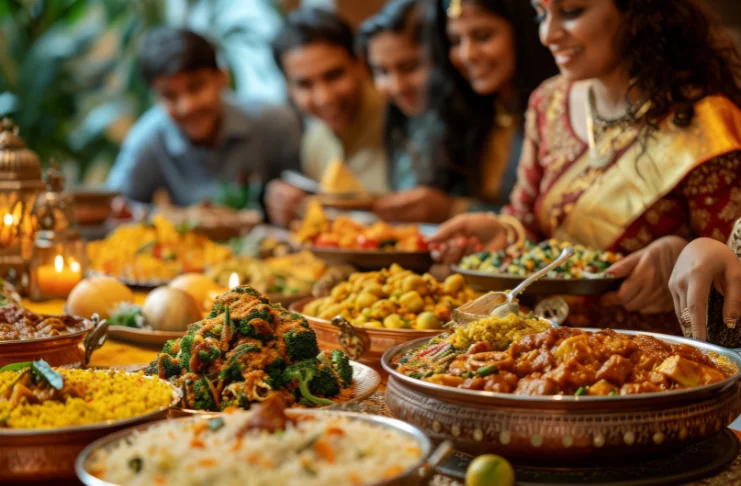

Navratri, a nine-day festival celebrated across India, unites communities through devotion, dance, and food. For restaurants, caterers, and food entrepreneurs, it offers a prime opportunity to attract customers with specially curated menus. Success hinges on understanding which foods appeal to devotees during fasting periods, as adherence to dietary guidelines is strictly observed. Offering vrat-friendly dishes that satisfy both religious requirements and taste buds is crucial for engaging this audience.
Devotees often abstain from regular grains, onions, garlic, and certain spices, creating demand for specialized dishes that are spiritually appropriate yet flavorful. Crafting Navratri food ideas to attract customers requires balancing tradition with innovation, combining authentic fasting foods with creative presentations and new flavor combinations. Businesses that plan diverse menus spanning breakfast, snacks, main meals, and desserts can maximize revenue while delighting customers throughout the nine-day festival.
Understanding Navratri Vrat and Its Dietary Requirements

Navratri vrat follows strict dietary rules, allowing only vrat-friendly ingredients like buckwheat flour, water chestnut flour, root vegetables, paneer, milk, yogurt, fresh fruits, nuts, rock salt, and mild spices.
During Navratri, using gluten free ingredients brings nutrition and flavor to every festive dish. Some wholesome options to include are:
- Buckwheat flour (kuttu ka atta) is ideal for making puris, pakoras, pancakes, and even noodles while keeping devotees energized throughout the fast.
- Water chestnut flour (singhara atta) adds a mild sweetness and smooth texture, making it perfect for both savory and sweet dishes, especially when combined with mashed potatoes for cutlets and tikkis.
- Fresh fruits such as bananas, apples, pomegranates, and seasonal varieties offer natural sweetness and essential vitamins for fruit salad, fruit chaat, or smoothies.
Blending these gluten-free ingredients into your Navratri offerings helps create a menu that feels festive, healthy, and deeply satisfying for your customers.
Popular Navratri Recipes That Drive Customer Interest
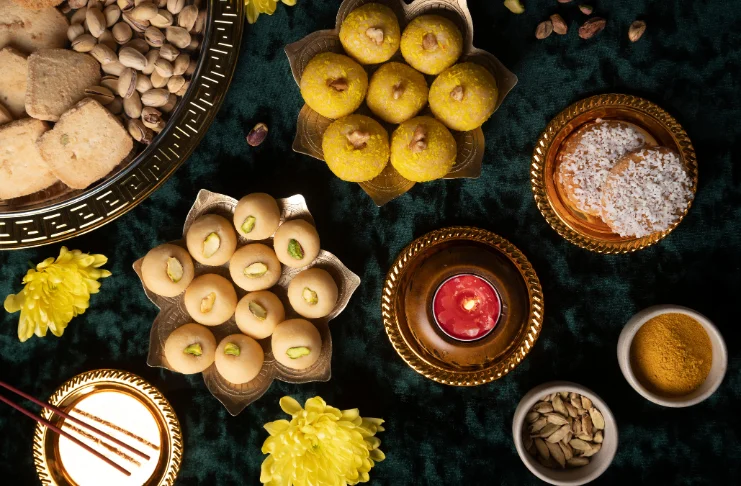
Offering Navratri recipes that blend traditional favorites with innovative dishes attracts customers seeking nutritious, flavorful vrat food. Versatile recipes can be customized regionally, ensuring consistent quality and repeat orders.
Sabudana Khichdi: A Classic Fast Recipe
Sabudana khichdi remains a timeless favorite among Navratri vrat recipes, loved for its comforting taste and satisfying texture. Elements that make this dish special include:
- Tapioca pearls, peanuts, and mashed potatoes come together to create a hearty and flavorful combination, with pearls turning soft and translucent when cooked just right.
- Proper soaking of sabudana for four to five hours ensures they stay soft without becoming mushy, while roasted peanuts, cumin seeds, and green chilies add crunch and aroma.
- Restaurant-friendly variations like adding grated coconut for richness or serving with cucumber raita can enhance presentation and flavor, finished beautifully with coriander and lemon juice.
When prepared with care and creativity, sabudana khichdi can become a signature vrat-friendly dish that delights customers and keeps them coming back for more.
Kuttu Ki Puri: The Essential Navratri Food
Kuttu ki puri stands out as a classic Navratri food that diners eagerly look for during the festive season. What makes this vrat favorite so special includes:
- Buckwheat flour-based puris are completely gluten free, offering sustained energy and a delicious nutty flavor when fried to a golden brown perfection.
- Perfect dough consistency is achieved by mixing buckwheat flour with mashed potatoes, rock salt, and black pepper, ensuring the puris roll easily and taste authentic.
- Serving combinations like aloo sabzi, pumpkin curry, or sweet potato curry turn this dish into a hearty meal, especially when the puris are served hot and crispy.
By mastering kuttu ki puri and pairing it with comforting curries, restaurants can create one of the most irresistible Navratri food ideas.
Singhara Atta Pakoras: Crispy Delights
Singhara atta pakoras make for a delightful and satisfying Navratri snack that perfectly bridges hunger between meals. The elements that make them stand out are:
- Water chestnut flour with mixed vegetables creates pakoras that are crispy on the outside and soft within, offering a perfect texture balance for fasting customers.
- Flavorful batter preparation includes chopped green chilies, grated ginger, and fresh coriander, while variations with grated coconut or nuts add extra crunch and taste.
- Serving them hot and fresh preserves their crisp texture, especially when paired with mint and coconut chutney or classic green chutney.
These singhara atta pakoras not only make a delicious snack but also elevate your Navratri menu with their irresistible taste and festive appeal.
Sweet Potato Based Navratri Food Ideas
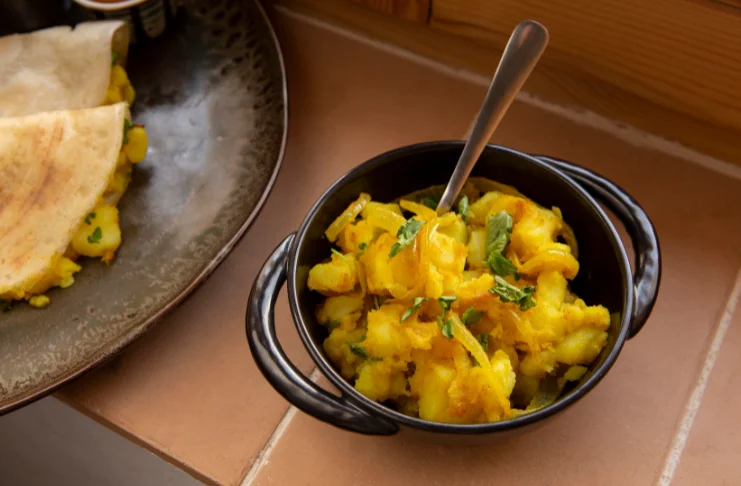
Sweet potato offers versatility for Navratri food, ideal for savory or sweet vrat recipes. Its natural sweetness, creamy texture, and rich nutrition keep devotees energized while appealing to health-conscious customers visually and gastronomically.
Sweet Potato Chaat: A Tangy Twist
Sweet potato chaat brings a vibrant mix of flavors and colors to any Navratri menu, making it a customer favorite. The features that make this dish irresistible are:
- Roasted sweet potatoes seasoned with rock salt, roasted cumin powder, and lemon juice deliver a light yet flavorful twist to the classic aloo recipe.
- Flavor layering with pomegranate seeds, chopped coriander, and a drizzle of yogurt adds sweetness, tanginess, and spice for a balanced and refreshing bite.
- Appealing presentation in colorful bowls with creative garnishes makes this chaat visually stunning and highly shareable on social media.
With its healthy profile, striking presentation, and delightful taste, sweet potato chaat is a winning Navratri food idea to attract customers and boost festive engagement.
Sweet Potato Halwa: A Delicious Dessert
Sweet potato halwa, or ka halwa, is a rich and comforting dessert that perfectly complements the spirit of Navratri fasting. The aspects that make it truly special include:
- Slow-cooked sweet potatoes combined with milk, sugar, and ghee create a creamy dessert that fulfills sweet cravings while remaining vrat-friendly.
- Attention to texture through grating or mashing ensures smooth consistency, while continuous stirring brings out a beautiful golden brown color and deep flavor.
- Elegant garnishing with almonds, cashews, and pistachios enhances both taste and visual appeal, making it perfect for dine-in or takeaway options.
With its creamy sweetness and festive warmth, sweet potato halwa stands as a delightful dessert that adds luxury and tradition to your Navratri menu.
Baked Sweet Potato Fries: Modern French Fries Alternative
Baked sweet potato fries provide a nutritious and modern alternative to traditional french fries, appealing to health-conscious diners. The elements that make them popular are:
- Lightly baked sweet potato strips tossed with minimal oil and rock salt deliver a crispy texture while keeping fat content low.
- Crispiness techniques such as cutting uniform pieces, spacing them properly on the tray, or lightly coating with arrowroot or water chestnut flour enhance the final texture.
- Flavorful accompaniments like mint or coriander chutney complement the natural sweetness, making the fries a versatile side, snack, or combo addition.
By offering baked sweet potato fries, restaurants can attract fitness-focused customers while providing a guilt-free and satisfying Navratri food option.
Potato Based Delightful Recipes for Navratri
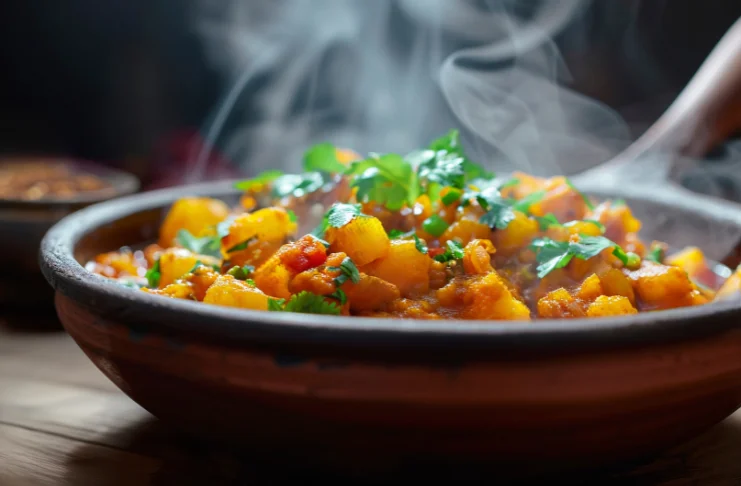
Potatoes are a versatile Navratri vrat ingredient, forming the base of curries, snacks, and main courses. Their affordability and universal appeal help businesses create diverse, flavorful, and engaging fasting menus for customers.
Aloo Jeera: Simple Yet Satisfying Dish
Aloo jeera demonstrates how simple ingredients can come together to create a comforting and flavorful Navratri dish. Key highlights of this recipe include:
- Cubed potatoes cooked with cumin seeds, green chilies, and rock salt deliver a tender yet flavorful dish that emphasizes natural tastes.
- Parboiling potatoes ensures even cooking and a slightly crispy exterior, while a squeeze of lemon juice adds a refreshing tang and fresh coriander brightens the presentation.
- Versatile serving options make it perfect for a thali or as a side with kuttu ki puri, appealing to all age groups and quick to prepare during busy festival hours.
With its mild spices and comforting taste, aloo jeera is a reliable Navratri food idea that keeps customers satisfied and coming back for more.
Vrat Wale Aloo: A Delicious Aloo Recipe
Vrat wale aloo transforms simple potatoes into a creamy and flavorful curry that can become a highlight of any Navratri menu. What makes this dish stand out includes:
- Potatoes cooked in a yogurt-based gravy with ginger and green chilies create a light and aromatic curry that satisfies devotees’ appetites.
- Balanced consistency is achieved by adding water gradually, ensuring the curry is neither too thick nor too thin while maintaining a smooth texture.
- Finishing touches like freshly grated coconut and chopped coriander enhance both the visual appeal and flavor of the dish.
Offering vrat wale aloo on your menu provides a popular and hearty option that consistently delights customers and boosts festive sales.
Stuffed Potato Cutlets: Nutritious Dish
Stuffed potato cutlets turn simple mashed potatoes into a crispy, flavorful, and versatile Navratri dish that appeals to a wide range of customers. Highlights of this preparation include:
- Mashed potatoes with a flavorful filling coated in water chestnut or buckwheat flour create a golden brown exterior with a soft and tasty interior.
- Customizable fillings like paneer, nuts, or grated coconut allow for menu variations, while proper binding ensures the cutlets hold their shape during cooking.
- Serving and presentation with mint and coconut chutney on a bed of lettuce enhances both taste and visual appeal, making them ideal for thalis or combo meals.
These stuffed potato cutlets offer a delicious and attractive option that can elevate your Navratri menu and encourage higher customer engagement.
Innovative Arbi Based Navratri Food
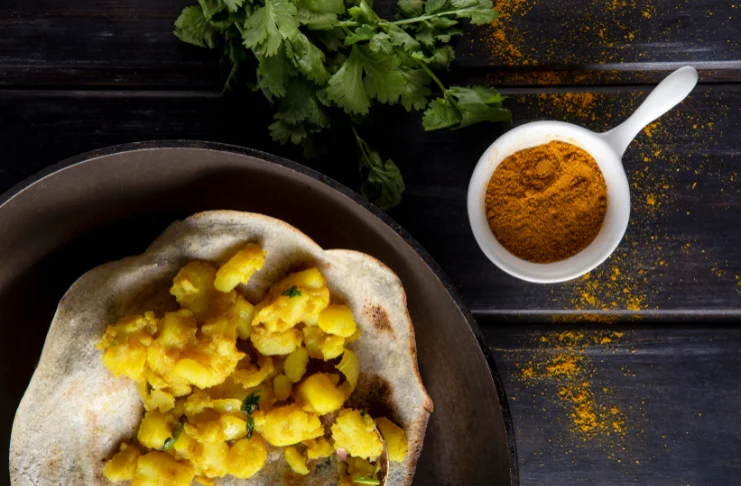
Arbi, or colocasia root, adds a unique flavor and texture to Navratri food. Versatile in curries, frying, or boiling, it differentiates your menu and attracts devotees seeking innovative vrat recipes.
Delicious Arbi Kofta Recipe
Arbi kofta transforms humble colocasia into a rich and indulgent Navratri dish that impresses both taste buds and diners. Key points that make it special include:
- Boiled and mashed arbi combined with water chestnut flour forms koftas that are deep-fried to golden perfection before being added to a creamy, spiced yogurt gravy.
- Careful frying and gravy preparation ensure the koftas remain light while the yogurt-based sauce achieves the right balance of tanginess and richness, enhanced with cardamom and roasted cumin powder.
- Premium presentation and pricing position this dish as a specialty menu item, attracting customers seeking high-quality vrat meals during Navratri.
With its indulgent flavors and memorable presentation, arbi kofta offers a standout option that encourages repeat orders and elevates your festive menu.
Crispy Arbi Fry: Tasty Snack
Crispy arbi fry turns a simple vegetable into a crunchy and addictive Navratri snack that delights customers. Highlights of this preparation include:
- Thinly sliced arbi coated with rock salt, mild spices, and buckwheat flour creates chip-like crisps with a satisfying texture.
- Uniform slicing and thorough drying ensure maximum crispiness while the minimal coating enhances flavor without overpowering the natural taste.
- Versatile serving options allow them to be offered as a takeaway snack or on a platter with chutneys, appealing to health-conscious diners.
This crispy arbi fry is a standout snack that adds innovation and variety to your Navratri menu while attracting a broad customer base.
Paneer Dishes: Delightful Paneer Recipe Ideas
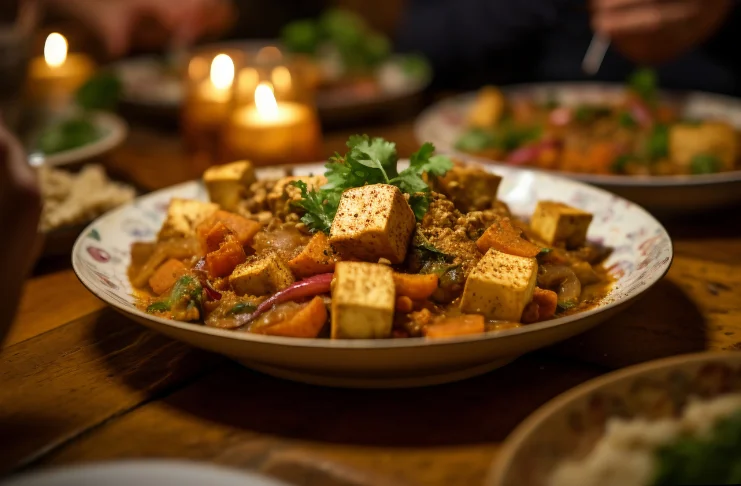
Paneer, a protein-rich ingredient, is essential for Navratri food. Versatile in curries, snacks, and vrat recipes, its mild flavor absorbs spices well, ensuring satisfying taste and high-quality fasting menu offerings.
Paneer Tikka: Restaurant Style
Paneer tikka brings restaurant-style flavors to Navratri menus while remaining completely vrat-friendly. Key points that make it irresistible include:
- Marinated paneer cubes in yogurt, ginger, and permitted spices develop a smoky, tender texture when grilled or roasted to perfection.
- Proper marination and skewering for at least two hours ensures deep flavor penetration and the authentic tikka presentation with a slight char.
- Serving with mint or coriander chutney alongside sliced onions and lemon wedges enhances both taste and visual appeal, making it ideal as an appetizer or part of a platter.
With its premium flavors and festive presentation, paneer tikka is a must-have dish that boosts menu appeal and drives customer satisfaction during Navratri.
Paneer Kheer: Creamy Dessert
Paneer kheer elevates traditional milk-based kheer into a rich and indulgent Navratri dessert that delights every sweet tooth. Key features of this dessert include:
- Grated paneer cooked with milk, sugar, and cardamom powder creates a creamy consistency with soft paneer pieces that absorb the sweetened milk.
- Continuous stirring and optional condensed milk ensure smoothness, speed up preparation, and enhance the creamy sweetness.
- Garnishing with chopped nuts and saffron strands adds a touch of luxury and visual appeal, making it perfect for dine-in or takeaway servings.
This creamy and textured dessert stands out on the menu, attracting customers seeking unique and satisfying Navratri sweets.
Paneer Cutlets with Mint and Coconut Chutney
Paneer cutlets turn simple ingredients into a flavorful and visually appealing Navratri snack that customers love. Highlights of this dish include:
- Crumbled paneer mixed with mashed potatoes, mild spices, and herbs forms patties that are shallow fried to achieve a crispy exterior and soft, flavorful interior.
- Proper binding using water chestnut or buckwheat flour ensures the cutlets hold their shape while maintaining a satisfying texture contrast.
- Serving with mint and coconut chutney enhances flavor, making them perfect for combo meals or Navratri special platters for dine-in and delivery.
With their appealing look and rich taste, paneer cutlets are a versatile option that can boost engagement and orders on your festive menu.
Fruit Based Navratri Food Ideas
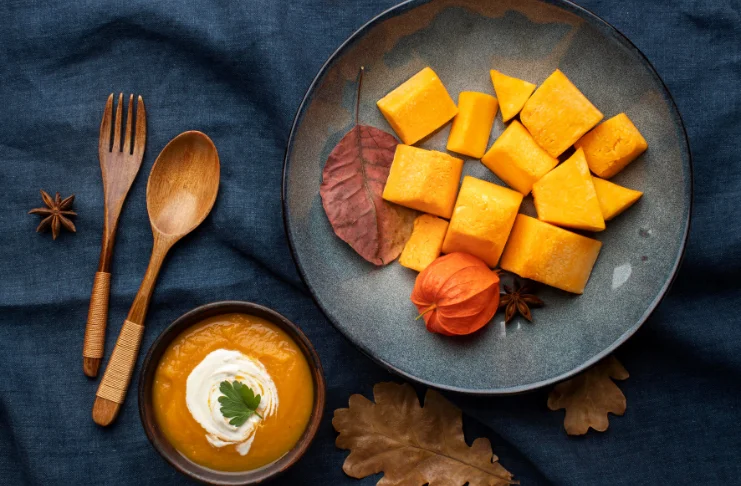
Fresh fruits are ideal for Navratri food, offering natural sweetness, nutrients, and refreshing flavors. Versatile in fruit salad, desserts, and beverages, they attract health-conscious customers and provide quick, appealing vrat options.
Fruit Salad with Tangy Dressing
A thoughtfully prepared fruit salad transforms simple fruits into a refreshing and flavorful Navratri dish. Key elements that make it stand out include:
- Tangy dressing with lemon juice, rock salt, and roasted cumin powder enhances the natural sweetness of fruits while adding a subtle spicy twist.
- Colorful fruit selection such as pomegranate, apple, banana, grapes, and seasonal varieties creates an appealing presentation, with grated coconut and chopped nuts adding texture and nutrition.
- Flexible serving options allow different portion sizes, making it suitable for all ages and perfect for quick service during busy hours.
This vibrant and nutritious fruit salad offers a guilt-free indulgence that attracts health-conscious customers while enhancing your Navratri menu.
Fruit Chaat: Spicy and Sweet Combination
Fruit chaat adds a spicy twist to traditional fruit preparations, creating a vibrant and addictive Navratri snack. Key highlights include:
- Fresh fruit chunks tossed with rock salt, roasted cumin, black pepper, and lemon juice balance natural sweetness with savory spices for a unique taste.
- Firm fruits like apples, pears, pomegranate, and guava hold their shape well, and a light sprinkle of permitted chaat masala can enhance the flavor profile.
- Attractive presentation in colorful bowls makes the dish visually appealing and shareable on social media, boosting word-of-mouth marketing.
This flavorful and visually engaging fruit chaat offers a creative Navratri menu option that appeals to adventurous taste buds and encourages repeat orders.
Fresh Fruit Smoothies and Juices
Fresh fruit smoothies and juices offer nutritious and convenient refreshment options that appeal to customers during Navratri. Key points that make them popular include:
- Blending fresh fruits with yogurt creates creamy and satisfying drinks suitable as meal replacements or accompaniments, ideal for lunch or evening refreshments.
- Signature combinations like banana-date-almond or mango-coconut-cardamom showcase creativity while permitted ingredients like fox nuts or soaked almonds enhance nutrition and texture.
- Customizable servings with different sizes and add-ons such as extra nuts or honey allow upselling opportunities and increase customer satisfaction.
These vibrant and refreshing beverages provide a profitable and appealing menu option that attracts health-conscious customers and boosts festival sales.
Sabudana Specialties: Tapioca Pearl Dishes
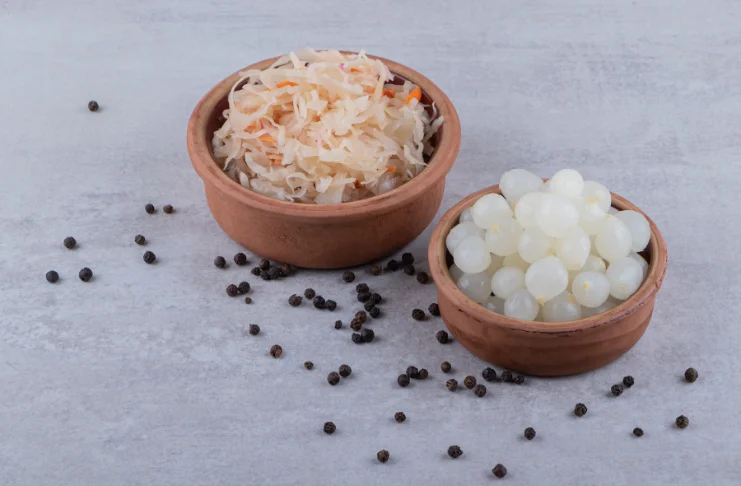
Sabudana, or tapioca pearls, is a gluten-free Navratri ingredient versatile for khichdi, vadas, and snacks. Proper soaking and preparation ensure consistent texture, creating menu variety and appealing fasting options for customers.
Sabudana Vada: Popular Indian Snacks
Sabudana vada is a beloved Indian snack that combines crispiness and flavor, making it a must-have during Navratri. Key aspects that make it irresistible include:
- Deep-fried patties with soaked tapioca pearls, mashed potatoes, roasted peanuts, and green chilies deliver a crunchy exterior with a soft, flavorful interior.
- Proper binding with water chestnut flour ensures the vadas hold their shape while maintaining a light and airy texture.
- Serving hot with mint or coriander chutney enhances taste, and offering them individually or in snack platters increases versatility and appeal.
With its satisfying crunch and popularity, sabudana vada is a staple that attracts customers and drives Navratri menu success.
Sabudana Kheer: Delightful Dessert Option
Sabudana kheer is a light and flavorful dessert that combines creamy milk with tender tapioca pearls, making it perfect for Navratri meals. Key features include:
- Tapioca pearls cooked in milk and sugar create a translucent, soft texture that satisfies sweet cravings without being heavy.
- Careful cooking with cardamom and saffron enhances aroma and ensures the milk reduces to a creamy consistency that coats the pearls perfectly.
- Garnishing with chopped nuts adds visual appeal and texture, and serving it warm or chilled caters to diverse customer preferences.
This versatile and aromatic dessert offers a refreshing finale to Navratri meals while appealing to a wide range of customers.
Crispy Sabudana Papad
Crispy sabudana papad provides a crunchy and versatile snack option that enhances any Navratri menu. Key aspects of this preparation include:
- Thin discs made from tapioca pearl flour, rock salt, and mild spices deliver a satisfying crunch, either roasted or fried, perfect as a standalone snack or accompaniment.
- Proper dough and drying techniques ensure the papads achieve the right texture, with roasting offering a healthier alternative to frying.
- Take-home and packaged options extend shelf life and allow customers to enjoy them beyond meal times, creating additional revenue opportunities.
This unique and convenient snack adds variety to your offerings while appealing to customers seeking both taste and versatility.
Dry Fruit and Nut Based Preparations
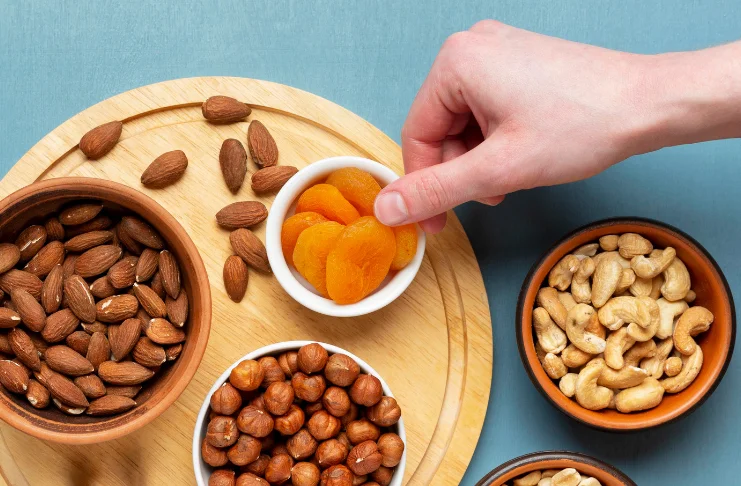
Dry fruits and nuts are auspicious and nutritious Navratri ingredients, adding energy, healthy fats, and premium appeal to main dishes, garnishes, and vrat snacks while enhancing menu value.
Makhana Kheer: Fox Nuts Delicacy
Makhana kheer is a nutritious and indulgent dessert that combines creamy milk with roasted fox nuts, making it a standout Navratri treat. Key highlights include:
- Roasted fox nuts cooked in milk with sugar and cardamom create a creamy kheer with soft, flavorful pieces that provide both texture and nutrition.
- Careful roasting and timing ensure the fox nuts remain crispy initially but soften appropriately in the milk, maintaining a balanced consistency.
- Premium appeal and health benefits position this dessert as a superfood option, attracting wellness-conscious customers and justifying higher pricing.
This flavorful and protein-rich kheer adds a unique, health-focused dimension to your Navratri dessert offerings while enhancing profitability.
Dry Fruit Ladoo: Energy Packed Treat
Dry fruit ladoo offers a wholesome and naturally sweet treat that fits perfectly into Navratri menus. Key points that make them appealing include:
- Dates, figs, roasted nuts, and grated coconut combine to create no-cook ladoos that provide concentrated energy and satisfy sweet cravings without added sugar.
- Customizable nut and fruit blends ensure signature flavors, while rolling in desiccated coconut or crushed pistachios adds texture, flavor, and visual appeal.
- Take-away and gifting options allow these ladoos to be marketed as premium, healthy treats, increasing both menu and retail revenue opportunities.
These nutrient-rich ladoos deliver a delicious and profitable option that appeals to health-conscious customers while enhancing your festive offerings.
Mixed Nut Chikki: Crunchy Delight
Mixed nut chikki is a crunchy and indulgent traditional sweet that adds festive appeal to any Navratri menu. Key highlights include:
- Caramelized jaggery or sugar combined with roasted nuts creates a crunchy, flavorful treat that balances sweetness with nutty richness.
- Proper cooking to the hard crack stage ensures the chikki is crisp, while quick spreading and cutting produce uniform, attractive pieces.
- Bulk preparation and attractive packaging allow for retail sales, making it a versatile product with broad appeal across age groups.
This nostalgic yet premium sweet offers both taste and business potential, making it a valuable addition to your Navratri offerings.
Beverages to Complement Navratri Food
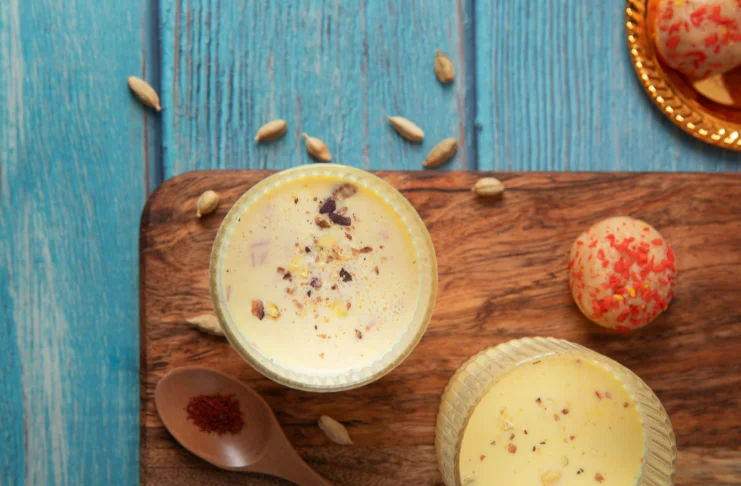
Beverages complement Navratri meals, using permitted ingredients to offer refreshing and energizing drinks that attract customers and boost sales..
Thandai: Traditional Cooling Drink
Thandai is a rich and refreshing beverage that adds a festive and nutritious touch to Navratri menus. Key elements that make it appealing include:
- Milk blended with nuts and mild spices like almonds, cashews, and cardamom creates a creamy, flavorful drink.
- Grinding, straining, and chilling ensures smooth consistency, while garnishing with chopped nuts or rose petals adds visual appeal.
- Premium positioning as a specialty drink allows it to serve as a dessert replacement or afternoon refreshment, justifying higher pricing.
This traditional yet luxurious beverage elevates the dining experience and provides a profitable addition to your festive offerings.
Fruit Lassi Variations
Fruit lassi is a creamy and refreshing Navratri beverage that combines yogurt with fresh fruits for a healthy and flavorful treat. Key aspects of this drink are:
- Blending yogurt with fruits like mango, banana, strawberry, or mixed varieties creates smooth, nutritious drinks with probiotic benefits.
- Enhancing flavor with cardamom or saffron elevates the beverage to a premium offering, while serving in attractive glasses with fruit garnishes makes it visually appealing.
- Customizable servings with options like extra nuts or honey allow upselling opportunities and cater to different customer preferences.
These vibrant and wholesome lassis offer a profitable, quick-to-prepare menu option that keeps customers refreshed during the festival.
Innovative Combo Meals and Thali Options
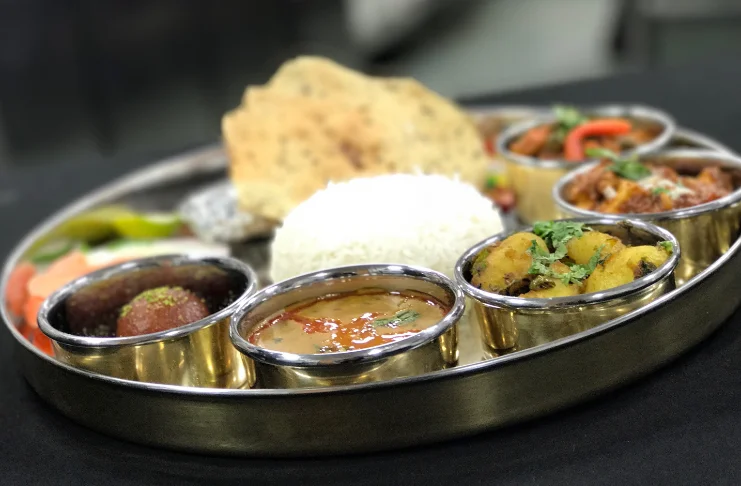
Combo meals and thali options enhance Navratri food offerings, providing balanced nutrition, satisfying portions, and complementary flavors. These bundled meals increase average order value, simplify choices, and attract customers seeking complete fasting menu experiences.
Traditional Navratri Thali
A traditional Navratri thali offers a complete and wholesome meal that combines taste, nutrition, and variety. Key elements of this thali include:
- Inclusion of dishes like kuttu ki puri, vrat wale aloo, sabudana khichdi, cucumber raita, and a sweet such as sweet potato halwa or fruit salad delivers a balanced and satisfying dining experience.
- Thoughtful presentation on compartmentalized plates with garnishes highlights each dish, enhancing visual appeal and perceived value.
- Flexible options and marketing as a complete meal for breaking the fast attract different appetites and budgets while streamlining service during busy periods.
This well-curated thali creates a memorable dining experience and encourages customers to choose a premium, all-in-one Navratri meal.
Snack Combo Platter
A snack combo platter offers a shareable and visually appealing way to enjoy popular Navratri items. Key highlights of this offering include:
- A combination of items like sabudana vada, kuttu pakoras, and paneer tikka served with multiple chutneys allows customers to sample a variety of flavors in one order.
- Attractive arrangement with garnishes and color balance enhances visual appeal, making it ideal for social dining and shareable social media content.
- Strategic pricing that offers savings compared to individual items boosts average order value while ensuring customer satisfaction.
This versatile platter encourages group dining, increases sales, and provides an engaging, Instagram-worthy menu option during Navratri.
South Indian Platter for Navratri
South Indian cuisine adds regional flair to Navratri menus, offering innovative fasting-friendly dishes that delight customers seeking variety. Key highlights include
- Sabudana Dosa Thin, crispy crepes made from soaked tapioca pearls and yogurt, served with coconut chutney for a visually appealing and flavorful experience
- Vrat Wale Uttapam: Thick, fluffy pancakes using buckwheat or water chestnut flour, topped with permitted vegetables and served with raita or mint-coconut chutney for a wholesome meal
- Coconut Chutney Variations: Freshly grated coconut blended with mild spices and herbs, customizable with mint, coriander, or roasted peanuts, enhancing taste and menu versatility
These South Indian offerings introduce unique flavors, elevate your festive menu, and encourage repeat orders during Navratri..
Marketing Strategies for Navratri Food Business

Effective marketing during Navratri boosts food sales through special menus and targeted promotions. The nine-day festival generates over ₹50,000 crore in business nationwide, highlighting significant consumer spending. Tailored strategies for families, professionals, and health-conscious diners help engage customers, differentiate offerings, and drive growth.
Social Media Content Strategy
Social media is a cost-effective and impactful tool for promoting Navratri offerings and engaging customers. Key strategies include:
- Visually appealing content featuring dishes, behind-the-scenes preparation, and testimonials encourages orders and builds brand credibility.
- Consistent posting throughout the day highlights breakfast, snacks, and dinner thalis while using stories for real-time updates on specials and availability.
- Active engagement with comments and messages fosters customer relationships, while branded hashtags and contests amplify reach and attract new followers.
Leveraging social media effectively drives visibility, increases orders, and strengthens your brand presence during the festival.
Local Community Engagement
Participating in local Navratri events helps increase brand visibility and connect directly with target audiences. Key approaches include:
- Sponsoring or setting up stalls at garba events showcases your food to attendees, while offering event-specific discounts encourages immediate orders.
- Partnerships with temples or community organizations for bulk orders or catering build credibility and often lead to recurring business beyond the festival.
- Traditional marketing like distributing flyers with QR codes links offline promotion to online ordering, keeping your offerings top-of-mind for nearby customers.
Engaging with the community through events and partnerships strengthens brand presence and drives both immediate and long-term sales during Navratri.
Promotional Offers and Discounts
Strategic promotional offers drive customer engagement and increase sales while balancing profitability during Navratri. Key tactics are:
- Early bird discounts and happy hour specials attract morning traffic and boost sales during slower afternoon periods.
- Bundle offers combining moderate- and high-margin items create perceived value, such as complimentary beverages with thali orders.
- Limited-time offers and daily specials announced via social media generate urgency, encouraging repeat visits and maintaining customer interest throughout the festival.
These promotions effectively increase footfall, enhance customer satisfaction, and maximize revenue during the nine-day celebration.
Quality Control and Consistency

Consistent quality in Navratri food builds customer trust and loyalty. Staff training, portion control, and regular quality checks ensure dishes meet standards throughout the nine-day festival, enhancing satisfaction and repeat orders.
Ingredient Sourcing and Freshness
Sourcing high-quality ingredients forms the foundation for flavorful and consistent Navratri offerings. Key practices are:
- Fresh fruits, vegetables, and dairy from reliable suppliers ensure consistent quality throughout the festival period.
- Inventory management and regular quality checks maintain freshness, reduce waste, and prevent substandard products from reaching customers.
- Marketing the use of premium ingredients builds trust with health-conscious diners and supports premium pricing by emphasizing authenticity and quality.
This focus on quality enhances taste, strengthens reputation, and attracts discerning customers to your Navratri menu.
Preparation Standards and Training
Standardized recipes with clear procedures maintain consistency and quality across all Navratri dishes. Key measures are:
- Written recipes with precise measurements guide staff on cooking techniques, timings, and plating standards, reinforced through regular training sessions.
- Specialized roles for team members allow them to develop expertise in specific dishes, ensuring consistent results and efficient service.
- Tasting and quality checks before service guarantee that only dishes meeting standards are served, preventing negative reviews and building a reputation for excellence.
This structured approach ensures every dish delights customers and maintains high-quality
Customer Feedback Management
Actively seeking and responding to customer feedback strengthens satisfaction and provides insights for menu and service improvements. Key practices are:
- Multiple feedback channels, such as comment cards, online reviews, and direct conversations, capture diverse customer opinions.
- Analyzing patterns in feedback identifies recurring issues, allowing adjustments to recipes or service to prevent future complaints.
- Publicizing improvements based on feedback demonstrates attentiveness, builds trust, and encourages repeat visits and positive word-of-mouth.
This proactive approach turns customer input into actionable improvements, fostering loyalty and advocacy during Navratri.
INDUSTRY INSIGHT
| According to studies, 93% of consumers consult online reviews before making a purchase. This trend strongly influences decisions in the food delivery and dining sector in today’s digital era and emphasizes the importance of leveraging customer feedback for continuous improvement. |
Packaging and Presentation for Takeaway Orders
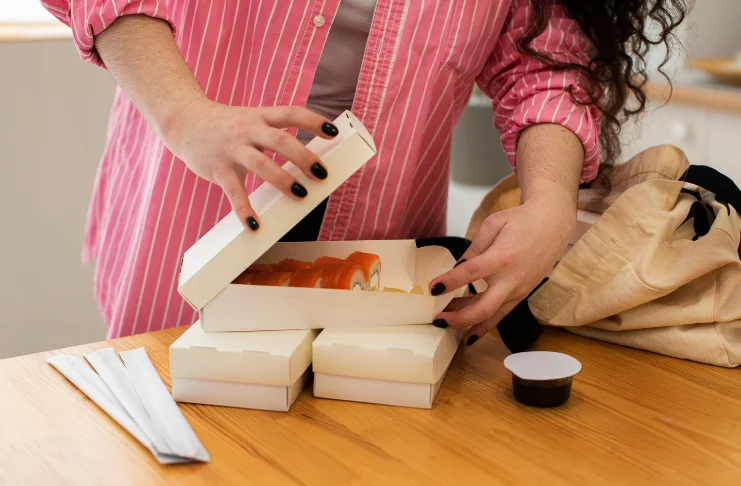
Navratri food delivery success relies on proper packaging that maintains temperature, texture, and presentation while boosting brand visibility and social media appeal.
Temperature Maintenance Strategies
Proper packaging and handling ensure Navratri meals maintain quality during delivery or takeaway. Key considerations are:
- Hot foods in vented containers retain heat without becoming soggy, with separate compartments for items requiring different temperatures.
- Cold items like fruit salad and raita should use insulated containers or ice packs, with clear storage instructions to preserve freshness.
- Coordinated preparation and delivery timing minimizes wait time, keeping food at optimal quality and enhancing customer satisfaction.
Attention to packaging and timing elevates the dining experience, setting your establishment apart during the festival.
Portion Control and Value Perception
Consistent portion sizes provide reliable value and enhance customer satisfaction during Navratri meals. Key practices are:
- Standardized utensils and containers help staff serve uniform portions efficiently, ensuring fairness and operational consistency.
- Generous servings create positive perception, encouraging repeat orders and word-of-mouth recommendations while increasing long-term customer value.
- Clear labeling and usage instructions for combo meals or family packs improve customer experience and prevent mishandling, building brand loyalty.
Maintaining portion consistency ensures every customer feels satisfied and valued, strengthening trust and repeat business.
Pricing Strategy for Maximum Profitability

Smart Navratri pricing balances profit and value. Analyze costs and demand to price premium and high-volume items effectively, ensuring sustainability while appealing to diverse customer budgets.
Cost Analysis and Menu Engineering
Detailed cost analysis ensures each Navratri menu item contributes effectively to profitability. Key practices are:
- Factoring ingredient costs, preparation time, and waste helps determine accurate pricing and highlights high-profit, popular items to promote.
- Menu engineering using stars, plowhorses, puzzles, and dogs guides promotion strategies, pricing adjustments, and decisions about removing underperforming items.
- Regular cost reviews and adjustments during the festival maintain margins, with transparent communication preserving customer trust.
This systematic approach maximizes revenue while keeping the menu efficient, appealing, and profitable throughout the festival.
Psychological Pricing Techniques
Psychological pricing strategies help make Navratri menu items more appealing and profitable. Key techniques are:
- Pricing just below round numbers like Rs. 99 instead of Rs. 100 enhances perceived value while maintaining actual revenue.
- Offering multiple size options encourages customers to select medium portions, optimizing profitability through anchoring effects.
- Bundling items into combo meals creates a savings perception while increasing overall transaction value, boosting both customer satisfaction and revenue.
These pricing strategies influence customer choices subtly, driving sales and maximizing profit without affecting perceived fairness.
Managing Peak Hour Rush Efficiently

Efficient Navratri rush management ensures smooth service and happy customers. Adequate, cross-trained staff handle surges effectively, maintaining quality and maximizing revenue during peak hours.
Pre-Preparation
Extensive pre-preparation ensures efficient and timely service during busy Navratri periods. Key practices are:
- Preparing ingredients and batters in advance like boiled potatoes, soaked sabudana, and cut vegetables enables rapid assembly of orders.
- Batch cooking certain dishes during slower periods such as curries, chutneys, and snacks ensures immediate service during peak hours without compromising quality.
- Efficient workstation organization with frequently used ingredients and tools within reach reduces movement, prevents errors, and speeds up preparation.
This proactive approach maximizes service efficiency, maintains food quality, and ensures customers receive fresh dishes promptly during high-demand periods.
Order Management Systems
Digital order management systems streamline kitchen operations and enhance customer satisfaction during Navratri service. Key benefits are:
- Direct transmission of orders to kitchen displays reduces errors, prevents lost tickets, and speeds up processing compared to paper-based systems.
- Prioritizing orders by preparation time ensures longer-cooking items start earlier, so complete orders are ready simultaneously, improving overall throughput.
- Clear communication and real-time updates keep front-of-house staff informed, allowing accurate wait-time estimates and preventing customer frustration.
This integration of technology and coordination optimizes efficiency, reduces errors, and improves the overall dining experience.
Customer Queue Management
Comfortable and well-managed waiting experiences enhance customer satisfaction during busy Navratri periods. Key strategies are:
- Providing seating and complimentary beverages improves comfort, while visible preparation areas reassure customers that their orders are actively being made.
- Digital queue management with SMS notifications allows customers to wait elsewhere, reducing crowding and perceived wait times.
- Setting realistic expectations for wait times ensures transparency, prevents frustration, and minimizes complaints or negative reviews.
These thoughtful measures make waiting enjoyable and reinforce a positive impression of your service quality.
Hygiene and Food Safety Standards
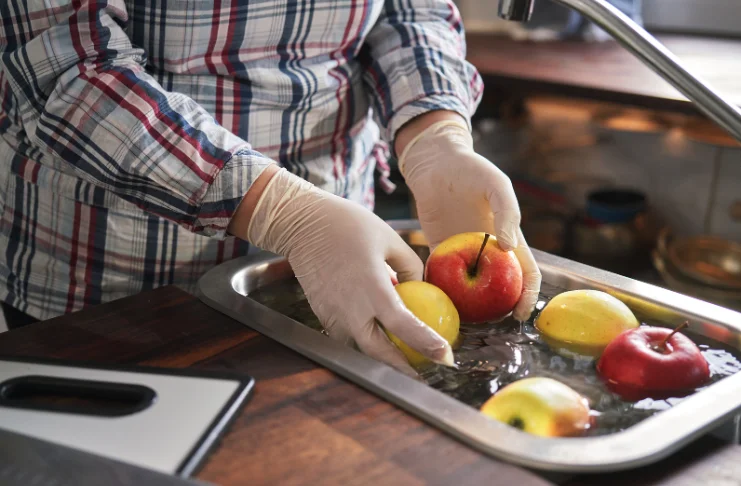
Impeccable hygiene is essential during Navratri when customers value purity and cleanliness. 84% of Indian consumers place food safety high on their list of priorities, and nearly half prefer eco-friendly packaging. Regular staff training and a culture of shared responsibility ensure consistent food safety and protect your brand’s reputation.
Kitchen Sanitation Protocols
Systematic cleaning practices maintain hygiene and safety while supporting efficient operations during Navratri. Key measures are:
- Regular cleaning of equipment, surfaces, and high-touch areas ensures consistent sanitation, with deep cleaning at closing to simplify daily maintenance.
- Separate cutting boards and utensils for different food categories to prevent cross-contamination, with color-coding and frequent sanitizing, enhancing staff compliance.
- Proper waste management, including covered, regularly emptied, and cleaned bins, prevents pests and keeps both back-of-house and customer-visible areas sanitary.
These hygiene protocols protect customers, staff, and reputation while creating a safe and professional kitchen environment.
Personal Hygiene Standards
Strict personal hygiene practices protect food safety and customer health during Navratri service. Key measures are:
- Mandatory hand washing at designated intervals and after specific activities with convenient, well-stocked stations ensures contamination is minimized.
- Proper uniforms and hair restraints worn by kitchen staff, along with restrictions on jewelry and nail polish, maintain cleanliness and reassure customers.
- Health checks and clear illness reporting policies prevent sick employees from handling food, safeguarding both staff and patrons.
These hygiene standards create a safe, professional environment that builds customer trust and ensures safe food preparation.
Storage and Temperature Control
Proper storage and temperature control maintain food safety and quality during Navratri service. Key practices are:
- Refrigeration with regular temperature monitoring and first-in-first-out rotation prevents spoilage and ensures the freshness of perishable ingredients.
- Separation of raw and prepared foods with clear labeling minimizes cross-contamination and ensures safe usage within proper timeframes.
- Maintaining proper cooking temperatures using thermometers guarantees doneness, preserves flavor and texture, and protects customer health.
These measures safeguard both food quality and your business reputation while ensuring a safe dining experience.
Building Customer Loyalty Beyond Navratri

Navratri boosts business, but lasting success comes from retaining customers. Loyalty programs and ongoing engagement turn festive visitors into year-round regulars.
Loyalty Program Implementation
Loyalty programs drive repeat orders and strengthen customer relationships during Navratri. Key strategies are:
- Digital reward systems like stamp cards or point tracking simplify redemption, encourage repeat visits, and collect valuable customer data.
- Post-festival redeemable rewards motivate customers to return after Navratri, sustaining revenue beyond peak periods.
- Tiered programs with escalating benefits reward higher spending, foster emotional connections, and turn loyal patrons into brand ambassadors.
These loyalty initiatives increase customer retention, boost order values, and enhance long-term brand engagement.
Post-Festival Engagement Strategies
Post-festival engagement strengthens customer loyalty and encourages repeat visits beyond Navratri. Key approaches are:
- Personalized thank-you messages with special offers show appreciation and provide incentives for future visits.
- Sharing customer photos, testimonials, and behind-the-scenes content on social media keeps your brand visible and maintains engagement.
- Introducing limited-time offerings or special events connects festival favorites to regular operations, encouraging continued patronage and testing permanent menu additions.
This proactive outreach ensures lasting relationships, extends revenue opportunities, and reinforces your brand’s presence year-round.
Community Building Activities
Community engagement initiatives strengthen brand loyalty and create meaningful connections with customers. Key strategies are:
- Hosting cooking classes or demonstrations teaches customers Navratri recipes, positioning your business as an authority and fostering deeper relationships.
- Participation in year-round local events and festivals maintains visibility and demonstrates ongoing community commitment, building goodwill.
- Creating online communities via social media groups encourages customers to share recipes, experiences, and connect, making your brand central to their social interactions.
These initiatives extend your influence beyond transactions, enhancing loyalty, brand awareness, and customer engagement throughout the year.
Conclusion
Navratri offers a prime opportunity for food businesses to attract customers through thoughtfully designed menus, appealing presentation, and excellent service. Understanding dietary restrictions and creating dishes from permitted ingredients is key. Traditional favorites like kuttu ki puri and sabudana khichdi can be complemented with innovative options such as sweet potato chaat and fusion dosas to keep customers engaged throughout the nine-day festival. Using high-quality ingredients like fresh fruits, buckwheat flour, water chestnut flour, and paneer ensures an authentic taste, while careful attention to rock salt, mild spices, and perfect golden brown finishes demonstrates culinary excellence.
Strategic marketing, including social media promotions, community engagement, and limited-time offers, boosts reach and drives orders. Operational efficiency, proper packaging, and strict hygiene maintain customer satisfaction and trust. Extending engagement beyond the festival through loyalty programs and post-festival communication turns one-time visitors into loyal patrons. Implementing these strategies maximizes revenue while building long-term brand growth and reputation in the competitive food industry.
Frequently Asked Questions
1. What is the famous food of Navratri?
Popular Navratri foods include sabudana khichdi, kuttu ki puri, singhara atta pakoras, sweet potato halwa, and vrat-friendly dishes that follow fasting guidelines.
2. What are the snacks for Navratri?
Common Navratri snacks are sabudana vada, singhara pakoras, paneer cutlets, crispy arbi fry, and fruit chaats suitable for fasting.
3. What food is eaten in Navratri fast?
During Navratri fasts, devotees eat vrat-friendly foods like buckwheat flour, water chestnut flour, root vegetables, paneer, milk, yogurt, fruits, nuts, and mild spices.
4. What food is prohibited in Navratri?
Foods prohibited during Navratri include regular grains (wheat, rice), lentils, onions, garlic, non-permitted spices, and heavy or processed foods.