Running a restaurant has become more complex than ever, with owners and managers juggling multiple responsibilities. From tracking inventory to monitoring labor costs, managing customer experiences, and meeting evolving market conditions, the challenges are significant. This is where integrated systems for restaurant operations come in, offering a streamlined way to connect all aspects of the business under one platform.
By integrating technology solutions, such as a POS system, inventory management, customer relationship management, and accounting software, restaurants can save time, reduce manual errors, and make more informed decisions that improve profitability.
Why Integrated Systems for Restaurant Operations Matter

In the hospitality industry, efficiency has a direct impact on customer satisfaction and long-term success. Integrated systems consolidate disparate systems into a single platform, providing a unified view of operations. Instead of switching between multiple systems to access sales data, inventory levels, or customer preferences, managers can rely on one system for real-time data and actionable insights. This shift reduces missed opportunities, streamlines operations, and enhances decision-making.
INDUSTRY INSIGHT
| In the Restaurant Technology Landscape Report 2024 by the National Restaurant Association, 76% of operators say using technology gives them a competitive edge. This highlights the growing role of system integration in restaurant management. |
Key Benefits of Integrated Systems

Adopting integrated systems for restaurant operations is not only about convenience; it is about reshaping how restaurants function on a daily basis. Instead of relying on disparate systems for inventory, finance, customer engagement, and labor, a single connected platform provides clarity and control. This unified approach has a direct impact on operational efficiency, staff productivity, customer loyalty, and long-term profitability. Below are the most significant benefits of integrated systems and their importance in the hospitality industry.
1. Streamline Operations and Save Time
Restaurant owners and managers often spend hours switching between platforms to reconcile data or update records. Integrated systems eliminate this challenge by connecting everything from payment processing to recipe costs in one place. Workflows such as order management, billing, and inventory updates become automated, reducing administrative burdens. This not only saves time but also allows staff to focus on higher-value activities such as enhancing the guest experience or experimenting with new menu ideas.
2. Reduce Manual Errors
When restaurants rely on multiple systems, human error becomes almost inevitable. Data duplication, missed entries, and mismatched records create inefficiencies that ripple across the business. By using a single integrated system, all updates are synchronized in real-time, which means order information flows seamlessly to the kitchen, stock counts adjust automatically, and financial records remain accurate. This accuracy helps restaurant owners avoid costly mistakes such as stockouts, incorrect bills, or inventory shrinkage.
3. Enhance Efficiency and Improve Profitability
Operational efficiency is a cornerstone of profitability. Integrated systems provide real-time reports and deeper insights into sales data, labor costs, and inventory levels, offering a comprehensive view of business operations. Managers can quickly identify patterns, control recipe costs, and ensure staffing levels align with demand.
Restaurants that adopt integrated technology can increase their profitability by up to 20%, largely due to reduced waste and more efficient resource allocation. With actionable data at their fingertips, decision-makers can respond more quickly to market changes and maintain financial stability.
4. Improve Customer Experiences
Modern diners value convenience, personalization, and quick service. Integrated systems support these expectations by linking tools such as loyalty programs, customer relationship management, and POS integration. For example, when a customer places an order, the system can automatically track their preferences, apply loyalty rewards, and update their records for future visits. This creates a seamless flow that enhances satisfaction and fosters repeat business. Restaurants that can anticipate customer preferences and deliver tailored experiences are more likely to build long-term loyalty, even in competitive markets.
Customer Relationship Management in Restaurants
Customer relationship management (CRM) plays a vital role in building loyalty and driving repeat business. Through integrated CRM, restaurants can track customer preferences, analyze order history, and personalize marketing campaigns.
Key benefits of CRM in integrated systems include:
- Tracking customer data for personalized engagement.
- Running loyalty programs that reward repeat business.
- Using predictive analytics to anticipate guest expectations.
According to Salesforce, 80% of customers say their experience with a company is as important as its products. For restaurants, this highlights the importance of utilizing integrated CRM tools to meet customer expectations and foster loyalty.
Inventory Management and Cost Control

Effective inventory management is crucial for controlling food costs and minimizing waste. Integrated systems provide a real-time view of stock levels, inventory levels, and usage patterns, helping managers avoid overstocking or shortages.
Benefits include:
- Accurate tracking of recipe costs.
- Monitoring of supplier performance.
- Generating real-time reports for inventory decisions.
Research indicates that up to 40% of the food produced in the U.S. is sent to landfills or goes to waste. Integrated systems help address this challenge by providing better control over stock and minimizing unnecessary losses.
Accounting Software and Financial Management
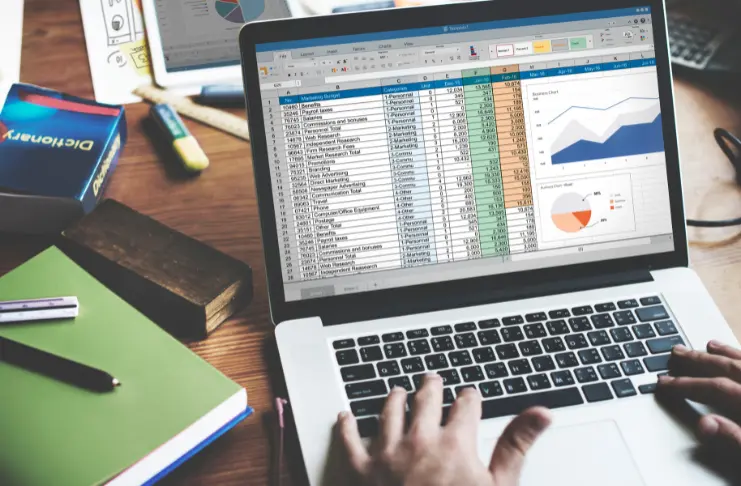
An integrated restaurant management system often includes accounting software that simplifies bookkeeping and enhances financial management. By connecting sales data with accounting tools, restaurants gain a clear picture of revenue, expenses, and profitability.
Advantages include:
- Automatic tracking of daily sales and expenses.
- Simplified payroll management.
- Better forecasting based on real-time data.
With unified financial management, restaurants can make more informed decisions and adjust their strategies to meet changing market conditions.
Labor Costs and Workforce Optimization

Labor remains one of the highest expenses in restaurant operations. Integrated systems allow owners to track schedules, monitor attendance, and analyze productivity. By having a unified view of labor costs alongside sales performance, managers can optimize staffing levels without compromising service quality.
Restaurant365 notes that many operations target a labor cost between 25% and 35% of their sales. Integrated systems enable managers to align labor with demand, ensuring efficiency and profitability.
Meeting Customer Expectations

The modern diner is more discerning than ever, with higher standards for speed, personalization, and consistency. Customers now expect seamless service that includes quick order processing, transparent billing, and tailored experiences that reflect their preferences. Failing to meet these expectations can lead to dissatisfied guests and missed opportunities for repeat business.
Integrated systems for restaurant operations play a crucial role in bridging this gap. By connecting the point of sale (POS), inventory management, and customer relationship management (CRM) tools, these systems ensure order accuracy and smooth communication between the front and back of the house. For instance, when an order is placed at the POS, the integrated system sends the details directly to the kitchen display, minimizing delays and reducing manual errors.
Additionally, CRM integration enables restaurants to personalize service based on order history, dietary preferences, and loyalty programs. A returning guest might receive recommendations aligned with their past orders or earn points through a reward system, both of which enhance satisfaction and encourage repeat business.
By aligning technology with guest expectations, restaurants not only improve customer satisfaction but also strengthen their reputation in a competitive market.
Integrated Systems as a Powerful Tool for Decision Making

Restaurants operate in a fast-paced environment where decisions must be made quickly and accurately. From adjusting menus to managing stock or evaluating staff performance, delays in decision-making can directly affect customer experiences and profitability.
Integrated systems provide real-time reports and actionable insights that support quick decision-making. Managers gain access to sales trends, recipe costs, labor utilization, and inventory levels in one place, enabling them to make informed choices without relying on fragmented data. For example, if a particular dish is underperforming, the system highlights sales patterns, recipe costs, and inventory waste, helping managers decide whether to promote it, adjust the recipe, or remove it from the menu.
This advantage becomes even more critical for restaurants operating across multiple locations. A cloud-based platform ensures consistency by offering a single system where owners can compare outlet performance, track inventory levels, and assess customer experiences across all branches. This unified perspective eliminates guesswork and ensures that every decision is backed by data.
By enabling faster and smarter decisions, integrated systems position restaurants to adapt effectively to changing market conditions and customer expectations.
Overcoming Operational Challenges

Even the most successful restaurants face daily operational challenges. These often include inconsistent data across systems, limited visibility into key metrics, and the inefficiencies caused by siloed processes. For example, one system might track sales, another inventory, and yet another payroll, leaving managers with the time-consuming task of manually reconciling data. Such fragmentation increases the risk of errors and slows down operations.
Adopting an integrated cloud-based solution helps overcome these challenges by centralizing all critical functions on a single platform. This means sales automatically update inventory, customer preferences sync with marketing campaigns, and financial records align with real-time transactions. The result is improved transparency and fewer bottlenecks in the workflow.
Additionally, integration offers improved alignment with customer preferences and market conditions. Restaurants can adjust their menus based on demand, respond more quickly to supply chain changes, and deliver experiences that meet evolving expectations.
Ultimately, integrated systems not only resolve operational pain points but also transform them into opportunities for growth. By streamlining operations and providing a unified view of the business, restaurants can operate more efficiently, reduce waste, and improve profitability.
Conclusion
The hospitality industry is evolving rapidly, and restaurants must adopt technology solutions that enhance efficiency, reduce costs, and improve customer experiences. Integrated systems for restaurant operations provide a unified view of data, enabling restaurant owners to manage everything from inventory levels to labor costs and financial management in one centralized location. By investing in the right management software, restaurants can optimize their operations, strengthen customer loyalty, and make more informed decisions for long-term growth.
Frequently Asked Questions
1. What system do they use in restaurants?
Restaurants typically use an integrated restaurant management system that combines POS, CRM, inventory management, and accounting software.
2. What system do most restaurants use?
Most restaurants use a POS system integrated with other tools such as inventory and labor management to streamline operations.
3. What is an integrated restaurant?
An integrated restaurant uses a single platform where all operational functions, including ordering, inventory, billing, and customer engagement, are connected.
4. What is the best software for restaurant management?
The best software depends on business needs, but leading solutions offer system integration, cloud-based platforms, and features like real-time reports, CRM, and accounting tools to improve profitability and efficiency.