

Running a restaurant in India involves more than serving delicious meals; it means upholding the highest food safety standards set by the Food Safety and Standards Authority of India (FSSAI). As per the Food Safety and Standards regulations, every food business operator is responsible for ensuring safe food for consumers and protecting public health. However, many restaurants and cloud kitchens still fall short due to poor hygiene, improper storage, substandard food, and a lack of monitoring at preparation or billing counters. These oversights often lead to serious FSSAI violations for restaurants, resulting in heavy penalties, fines, and damage to brand reputation.
To avoid such food safety violations, restaurant owners must prioritize ensuring compliance with food safety norms and maintain strict oversight. Regular inspection, proper pest control, staff training, and swift action on issues can make a significant difference. Consistent focus on food quality, cleanliness, and documentation protects both.
Understanding FSSAI and Its Role in Food Safety

The FSSAI, under the Food Safety and Standards Act, regulates food businesses, ensuring restaurants, cafes, and cloud kitchens follow hygiene and food safety norms.
Why Food Safety Compliance Matters
Food safety violations can severely impact restaurants, leading to public health risks from bacteria, contamination, and substandard food products. Such food safety issues, highlighted in media reports, destroy customer trust and damage business reputation permanently.
The Impact on Public Health
Every FSSAI violation is a direct threat to public health. From improper storage and poor pest control to ignoring food safety standards, each lapse risks contamination. Food business operators must take full responsibility for maintaining safe food across all preparation and serving premises, ensuring every dish meets FSSAI norms and protects consumers.
According to ex-FSSAI CEO G Kamala Vardhana Rao, unsafe food leads to approximately 600 million infections and 4.2 lakh deaths every year in India.
Common FSSAI Violations for Restaurants

Most food safety violations occur due to negligence or lack of awareness. Understanding common offenses helps restaurants maintain FSSAI compliance effectively.
Operating Without a Valid FSSAI License
A major FSSAI violation is operating without a valid FSSAI license. The license must be displayed at premises and billing counters and included on packaging and documents. Violations can lead to fines, closure, and loss of consumer trust.
Poor Hygiene and Sanitation Practices
Hygiene violations are among the most common FSSAI violations, including dirty kitchens, unclean preparation areas, poor waste disposal, and inadequate staff handwashing. Food safety officers inspect storage, cooking, and dining areas to ensure safe food.
Inadequate Pest Control Measures
Effective pest control is a crucial aspect of food safety that many restaurants neglect. The presence of rodents, insects, or pests in preparation or storage areas is a serious FSSAI violation, requiring regular pest management and proper documentation to avoid fines or closures..
Improper Food Storage and Temperature Control
Improper storage of food products at incorrect temperatures fosters bacteria growth, contamination, and food spoilage. Food business operators must store raw and cooked foods separately, maintain proper temperatures, monitor refrigeration systems, and train staff on food safety protocols to prevent FSSAI violations and disposal of unsafe food.
Serving Substandard or Contaminated Food
Serving contaminated, expired, or poor-quality food products is a serious FSSAI violation. Using expired ingredients, serving spoiled items, or including foreign objects endangers public health. Food business operators must conduct strict quality checks during preparation to ensure only safe food reaches consumers.
The Indian government reported that nearly 20% of food samples tested during the 2024-25 period were found to be substandard, including chocolates among the affected products.
Food Safety Violations Related to Documentation

Documentation plays a crucial role in demonstrating compliance with food safety standards. Many restaurants face penalties not because of actual safety issues but due to poor record-keeping.
Missing or Incomplete Records
Food business operators must keep detailed records of suppliers, ingredient sources, preparation methods, and staff training. These documents should be available during inspections, as missing records can lead to FSSAI violations and penalties, even if other operations comply with food safety standards.
Failure to Display Mandatory Information
Restaurants must display key information for customers, including their FSSAI license, hygiene ratings, and ingredient lists. QR codes linking to food safety details should be present. Lack of transparency constitutes an FSSAI violation.
Violations in Food Labeling and Claims
How restaurants present their food products to consumers is heavily regulated to prevent misleading claims and ensure transparency.
INDUSTRY INSIGHT
| Over the past five years, the FSSAI has recorded 21,042 consumer complaints against online food delivery platforms, reflecting growing concerns around food quality, adulteration, and hygiene violations. This underscores the critical need for restaurants and cloud kitchens to maintain strict food safety standards and ensure transparency across delivery channels. |
Misleading Claims About Food Products
Making false or exaggerated claims about food quality, nutritional content, or health benefits is a serious FSSAI violation. All menu descriptions, advertisements, and verbal claims must be accurate and comply with food safety standards, ensuring transparency for consumers.
Incorrect or Missing Nutritional Information
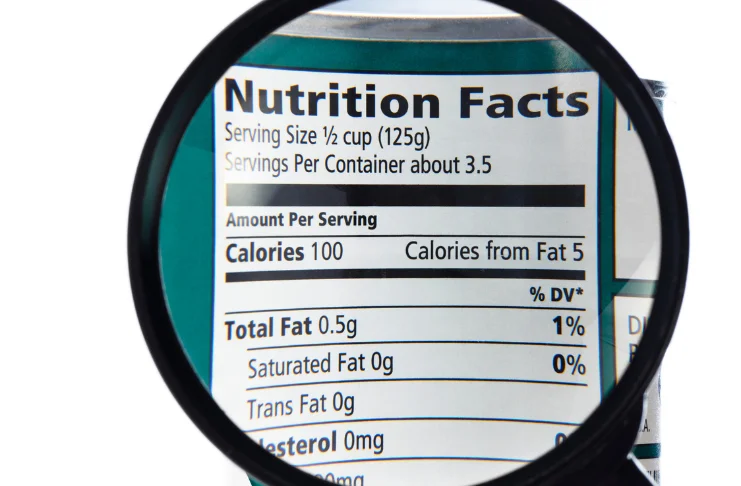
For packaged items and prepared foods, restaurants must provide accurate nutritional information, including allergens, ingredients, and content. Cloud kitchens and delivery-focused businesses face strict scrutiny to meet FSSAI labeling and food safety standards.
How to Avoid FSSAI Violations and Ensure Compliance

Preventing violations requires a systematic approach to food safety that involves every aspect of restaurant operations.
Obtain and Maintain Proper Licensing
The first step is ensuring your FSSAI license is valid and appropriate for your scale of operations. Register through the official channels, display your license prominently, and set reminders for renewal well before expiration dates. Keep copies of all license documentation easily accessible for inspections.
Implement Comprehensive Food Safety Systems
Develop and document standard operating procedures for every aspect of food handling, from receiving ingredients to serving finished dishes. These systems should cover personal hygiene, cross-contamination prevention, temperature monitoring, and waste management. Regular internal audits help identify gaps before officials do.
Train Staff on Food Safety Standards
Your staff represents your first line of defense against food safety violations. Train staff thoroughly on hygiene practices, proper food handling techniques, and the importance of following established procedures. Regular refresher training keeps food safety at the forefront of daily operations and helps maintain consistent standards.
Conduct Regular Self-Inspections
Do not wait for food safety officers to identify problems. Conduct regular internal inspections using the same criteria that authorities use. Document these inspections and address any issues immediately. This proactive approach helps catch potential violations before they result in penalties or health risks.
Maintain Proper Documentation
Create a robust system for maintaining all required records. This includes supplier information, staff training logs, temperature monitoring sheets, pest control reports, and cleaning schedules. Digital systems can make this easier, but ensure backups exist and records remain organized and accessible.
Cooperating During Inspections
When food safety officers arrive for an inspection, cooperate fully and provide all requested documentation promptly. Attempting to hide issues or being uncooperative typically results in more severe penalties. Answer questions honestly and professionally, and take note of any concerns raised during the inspection.
Addressing Notices and Taking Corrective Action
If a notice issued by FSSAI arrives, treat it seriously. It outlines violations and required corrective actions. Food business operators must take swift action, document remediation, and respond promptly to avoid further action, fines, or closure.
Using Technology for Food Safety Compliance

Modern technology offers valuable tools for maintaining food safety standards and demonstrating compliance.
Leveraging the Food Safety Connect App
The Food Safety Connect app provides a direct channel for both monitoring compliance and addressing concerns. Food business operators can use this platform to stay updated on regulations, while consumers can report complaints directly to authorities. Familiarizing yourself with this app and responding promptly to any issues raised through it demonstrates your commitment to food safety.
Digital Monitoring Systems
Implement digital temperature monitoring, automated cleaning logs, and electronic record-keeping systems. These technologies reduce human error, provide clear audit trails, and make it easier to demonstrate compliance during inspections. QR codes can link customers to detailed information about ingredients, sourcing, and safety measures.
Conclusion
Preventing FSSAI violations begins with strong leadership and a deep-rooted commitment to food safety. Restaurant owners and food business operators must go beyond basic compliance to align with food safety and standards set by the Standards Authority of India (FSSAI). Regular inspections, proper pest control, and staff training ensure hygiene in food preparation, storage, and packing. Using digital tools like the Food Safety Connect App helps monitor operations and maintain transparency with food safety officers, reducing risks of substandard food, contamination, or misleading claims that can harm public health.
Sustainable compliance requires consistency and accountability. Restaurants that make safe food and food quality their top priorities earn customer trust and long-term success. Adhering to food safety norms not only prevents notice issued or fines but also builds credibility in the market. By ensuring swift action and constant improvement, eateries uphold FSSAI’s mission of delivering safe, hygienic food across India.