
You know, since Cocoro is tucked on a quieter side of Ponsonby Road, it is easy to walk past. It “might fly under the radar, evading hype,” but still it “stands as a benchmark for Japanese restaurants in the city.” The restaurant is in an old brick building, and the room inside is all simple, sleek wood and low lighting. One reviewer even wrote that you “will be surprised about the type and unexpected provenance of big-shots who will answer ‘Cocoro’ when asked about their favorite restaurant in Auckland.”
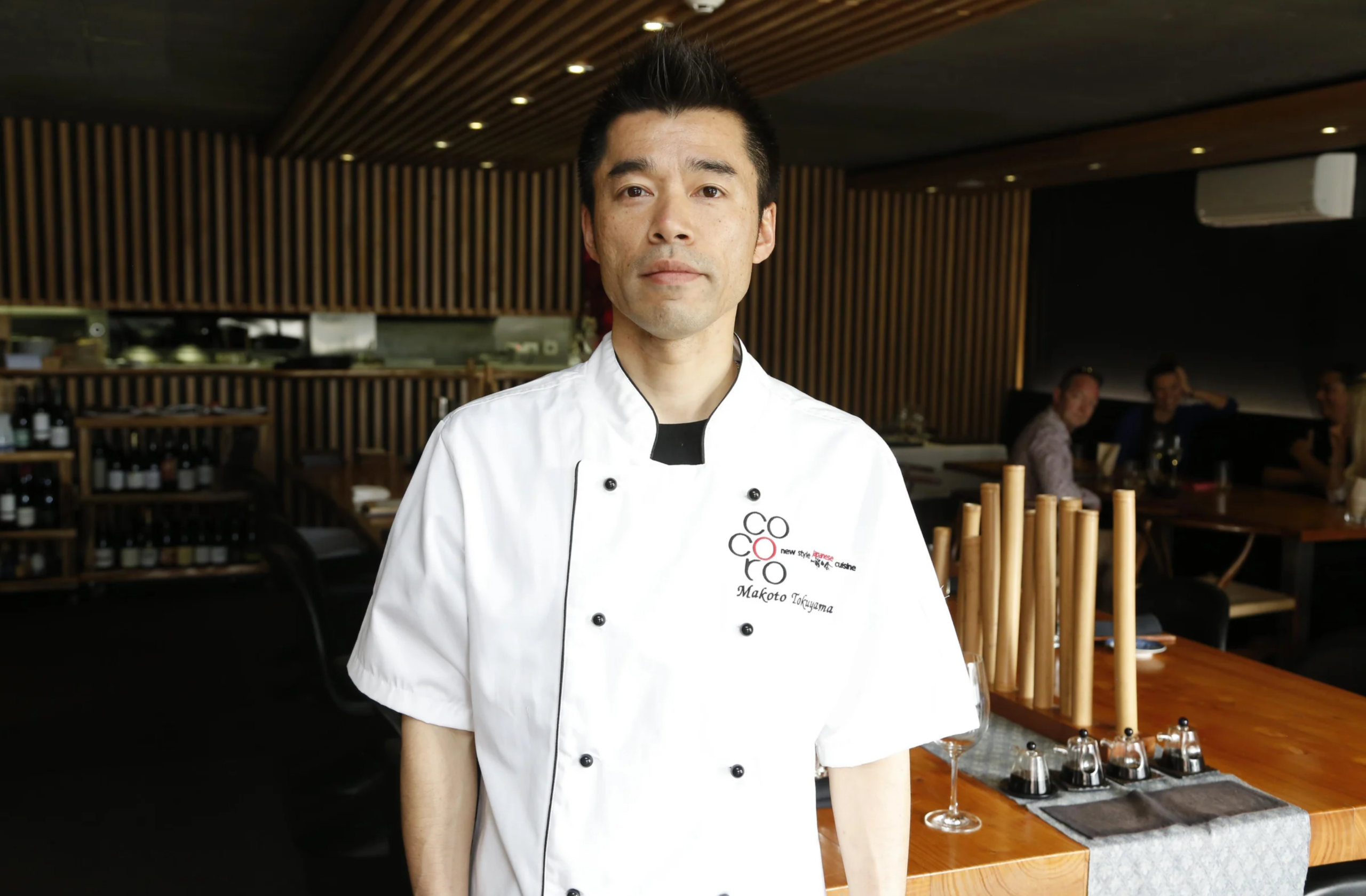
The word Cocoro itself means “heart and soul” in Japanese, and the chef who chose it, Makoto Tokuyama, has built a restaurant that tries to live up to it. To see how he got here, we have to start far, far from Ponsonby, in a Zen Buddhist temple in Japan.
A Childhood Spent Around Good Food
Makoto grew up in a Zen Buddhist temple, and the meals there left a mark on him. Mealtimes were a mix of locally sourced seafood, produce from local farmers, and pickles, soups, and rice prepared by his grandmother, Chizu. She taught him to respect the ingredients and to waste as little as possible, and you can still see those lessons in his cooking today. The temple also showed him the joy of communal meals and how much fresh, high-quality ingredients matter. He brought both ideas to Cocoro, where every dish is crafted with care and designed for sharing.
He says his love of food began as he watched his family make traditional dishes. “I became a chef because I love to eat, to drink, to meet people, and most importantly to see people become happy through these things,” Makoto said. On one of the trips back to his hometown for his sister’s wedding, he enjoyed tasting the food he was raised on, and it reminded him of his roots and his cooking philosophy.
“There isn’t one dish that I would always have on the menu at Cocoro, but I always try to incorporate something that is based on the family cooking that I was brought up with,” he said. Charcoal grilling is one of his favorite techniques, and he says the ingredients inspiring him right now “are definitely around NZ local seafood.”
One Opportunity, One Encounter
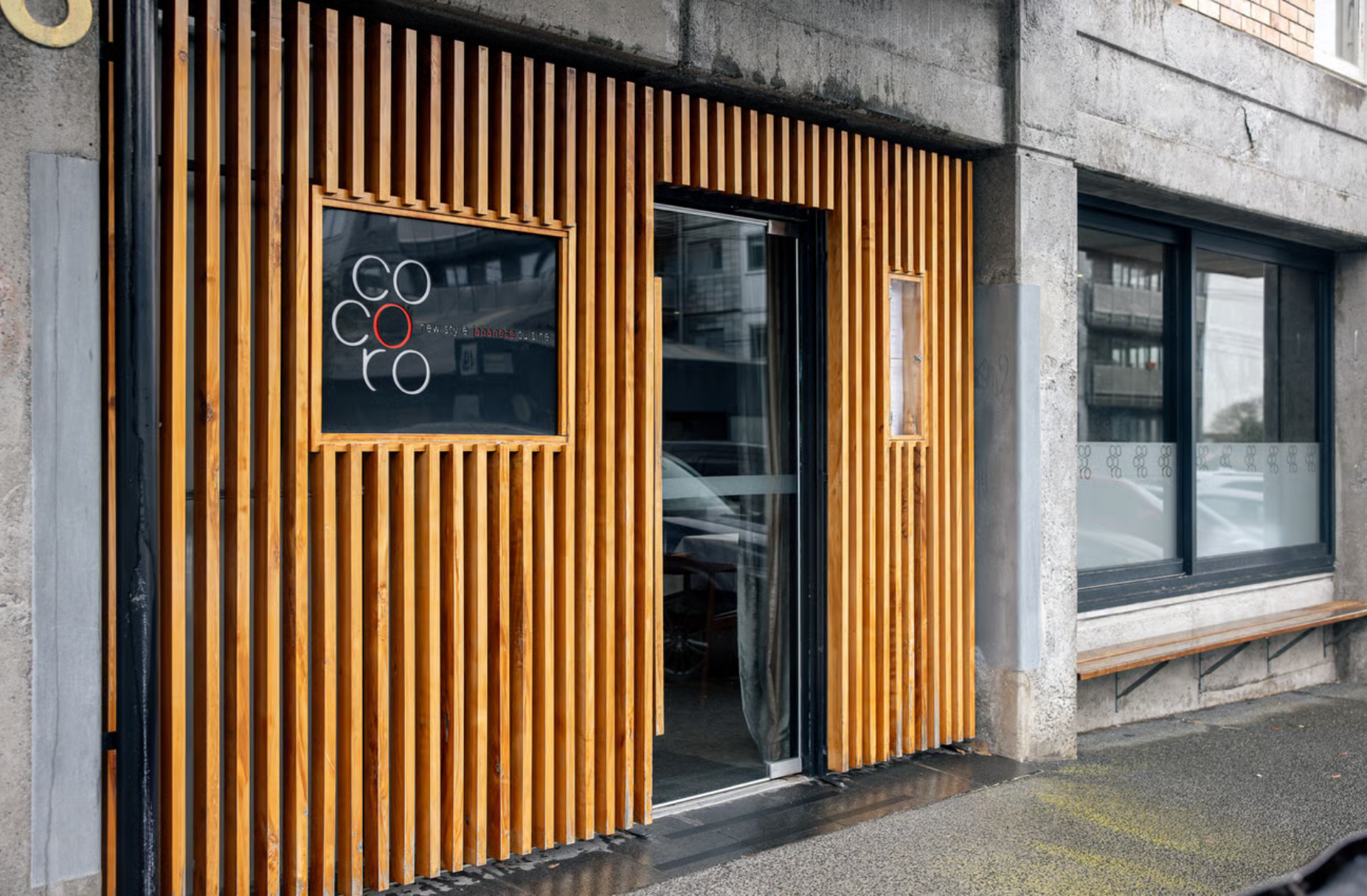
Makoto arrived in New Zealand from Japan in 2002. He says he was lured by the “beautiful natural environment.” He worked in a number of well-established Auckland restaurants, including Rikka and Soto, and his résumé also lists Nobu in London and Trattoria Coco in Kumamoto in Japan. In 2011, he finally made the leap and opened his own place. Cocoro quickly found its place in many people’s must-try lists, and it has stayed there ever since. He calls opening it his biggest accomplishment, yet he believes he is “just getting started.”
The restaurant runs on a Japanese idea called ichigo ichie, which means “one opportunity, one encounter.” Metro describes it as treasuring the unrepeatable nature of each and every moment. “We aim to create unique dining experiences filled with heart and soul,” Makoto explains. Each visit is meant to feel like a bespoke culinary experience, and the restaurant says, “We recommend our degustation courses as they showcase the heart and soul of the restaurant.”
Makoto has three carefully crafted degustation menus, and they range from $180 to $360. You can also order à la carte, where you get “an array of sublime appetizers” first and then “an abundance of seafood.” The degustations are made for the whole table to enjoy and need an evening reservation. Lunch is à la carte only, and a limited number of à la carte reservations are taken. Groups of eight or more can ask about bookings by phone or email.
As for the room itself, a reviewer wrote that “what forms every gestalt and ethos of Cocoro is elegance,” and noted white tablecloths on the tables, with a long communal table in the center. You can sit at an individual table or side by side at the solid timber communal table, where, as the restaurant puts it, seating is “carefully considered to provide you space amongst other diners.” The same reviewer, however, said that “space between tables could have been more, though.”
The Plates People Remember
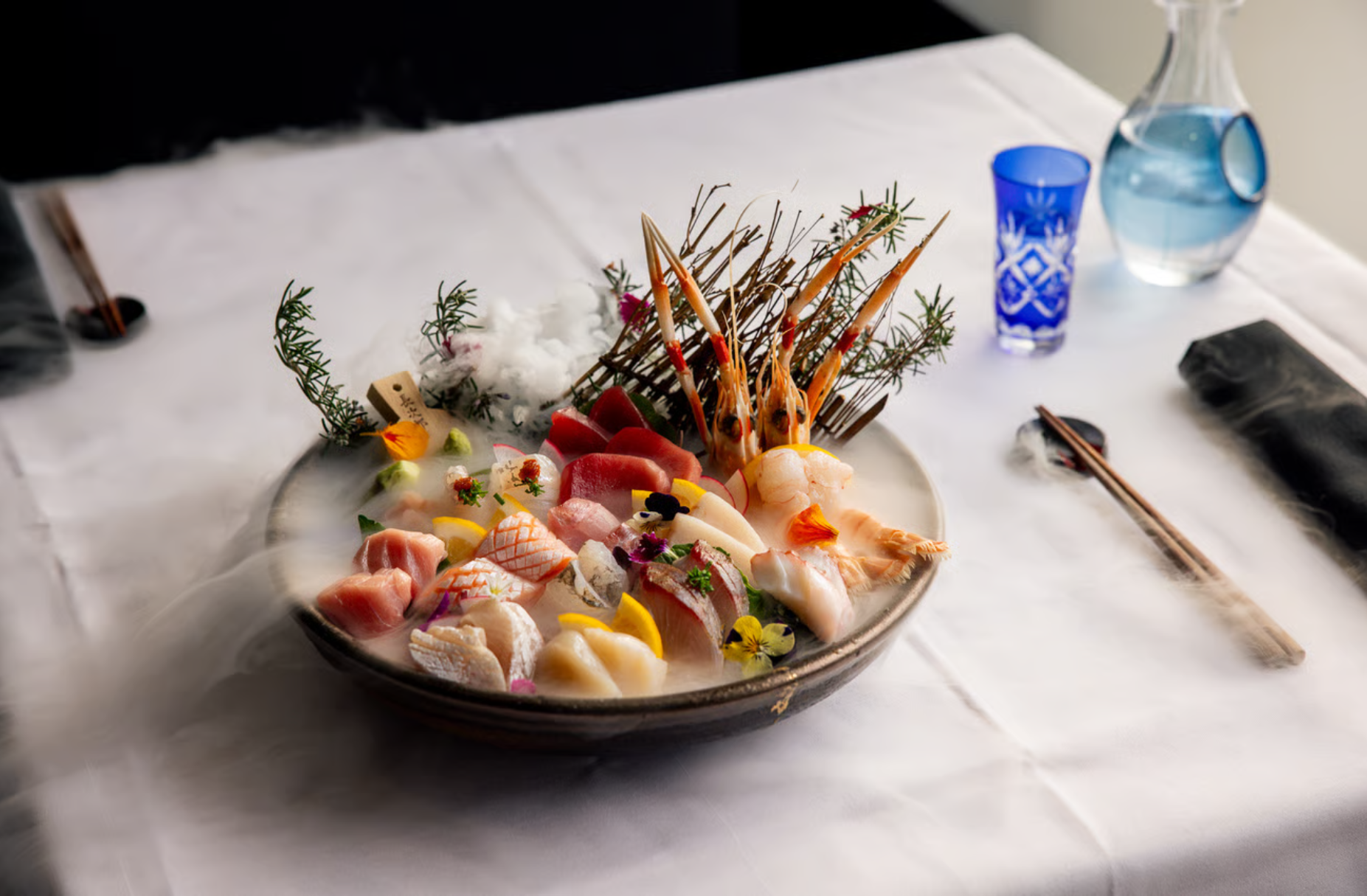
A menu highlight at Cocoro is the signature sashimi platter. Makoto’s version features up to 30 types of fresh fish, set out on a bed of ice, “as if the dish were a still life. A startling thing to behold.” Whatever platter you plan to order, it must be done at least 24 hours in advance.
Then there is the chawanmushi. It is a Japanese savory steamed egg custard. “Chawan” means tea cup or rice bowl, and “mushi” means steaming. It is one of the fan favorites, and you only get a “few dining moments that are as satisfying as lifting the lid on the beguilingly jiggly Tora Bay pāua chawanmushi.”
One reviewer who has visited Cocoro at least twice wrote, “What struck me was how cohesive the flavor delivery and textural arrangement was.” The vegetable tempura “distinguished itself as an excellent appetizer.” A chunk of crayfish was “luxuriously buttery and softly crisp.” And the grilled warehou, served with sweet miso, won the biggest praise: “luxuriously smooth, arrestingly buttery, with a touch of sweetness accentuated by the sweet miso marination.” The reviewer first thought the portion looked small, and then found it was a fish that valued “qualitative pleasure over quantitative heft.”
A Kitchen Where Every Second Counts
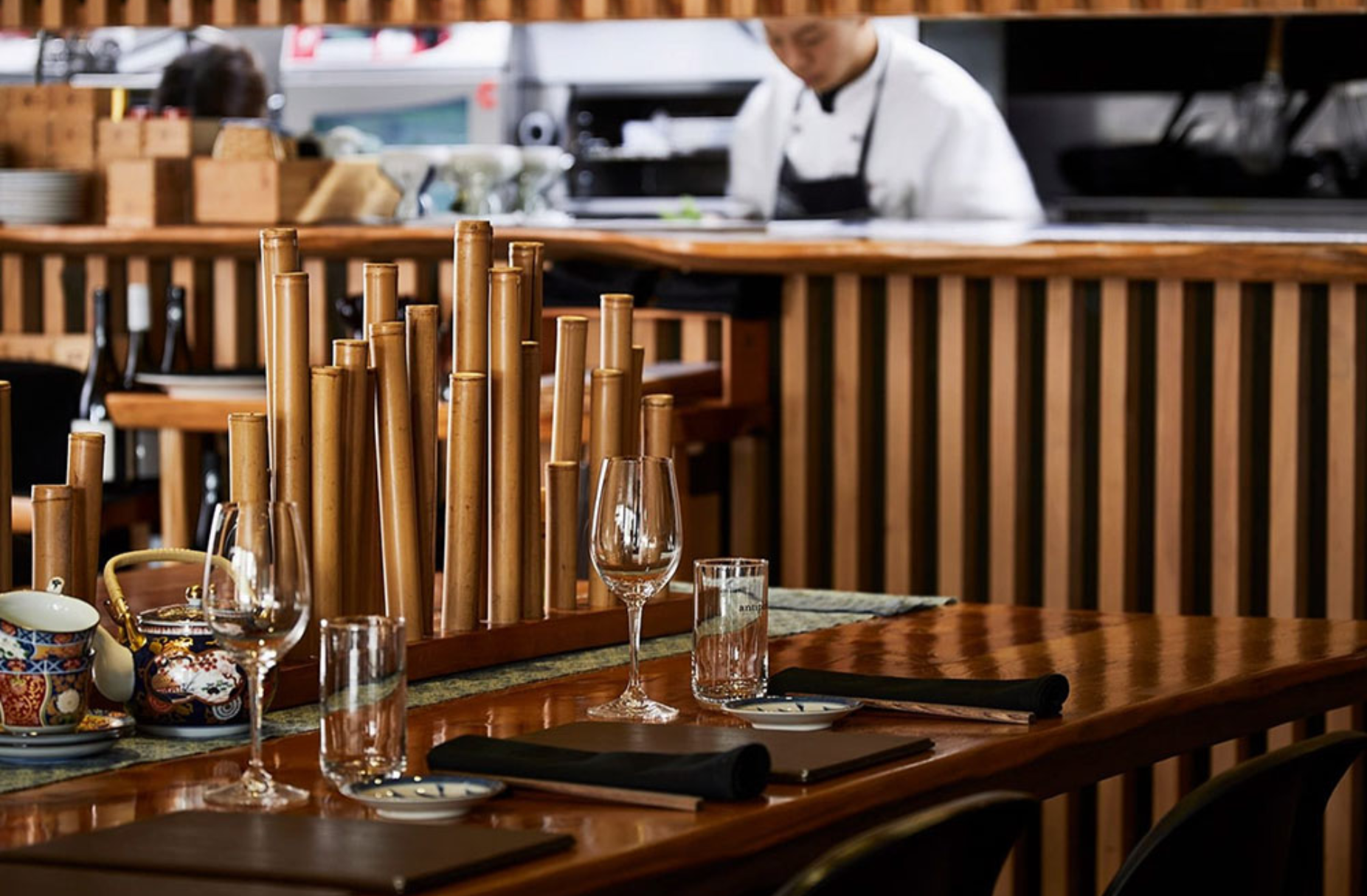
After years of working in kitchens around the world, Makoto designed Cocoro’s kitchen to blend traditional tools with modern technology. It has a Japanese hibachi grill and a Convotherm mini combi-steamer. “Every second matters in our work,” he says, and he wants an efficient layout so his dishes stay precise.
His day starts at the market. “I go to the market every morning to buy the produce used for the day to ensure the quality of my food that goes out to customers,” he said. “I spend a lot of time finding great ingredients and make my best effort to communicate with suppliers and producers. But most importantly, I am always in the kitchen of my restaurant.”
He runs that kitchen with a firm hand and a bit of humor. “Cooking in my kitchen is almost military-like,” he said, half jokingly. “I do believe that working hard and having the self-discipline always leads to a much sweeter success.” He is training two young chefs at Cocoro, William Jing and Niki Hattori, and says he is “very much looking forward to seeing the future” of both.
He does not spend much time watching trends come and go. He makes time to read and learn about cooking techniques and business so the restaurant keeps growing. Living in Auckland also lets him enjoy the beaches with his family, which strengthens his belief in fresh, local ingredients for authentic Japanese cooking.
Still Getting Started
Since opening in 2011, Cocoro has built a name for its degustation menu and won Three Hats and Restaurant of the Year at the 2018 Cuisine Good Food Awards. It took 3 Hats again at the 2023 Cuisine Good Food Awards, and it is listed on The World’s 50 Best Discovery. Metro includes it among its Top 50 restaurants, and Makoto is a Japanese Cuisine Goodwill Ambassador for New Zealand.
As New Zealand’s food scene changes, his plans change with it. He recently partnered with Jason Lee to open Waku Waku, a modern Japanese restaurant that offers innovative cuisine with a creative twist. “I want to keep working with top-quality ingredients and see happy customers enjoying what we create,” he shares.
If you go, you will find Cocoro at 56A Brown St, Ponsonby. The reviewer summed up the place as “an elegant, expensive restaurant” where the kitchen and service staff “work hard.” Makoto would likely say the same about himself, and then head back to the market the next morning.