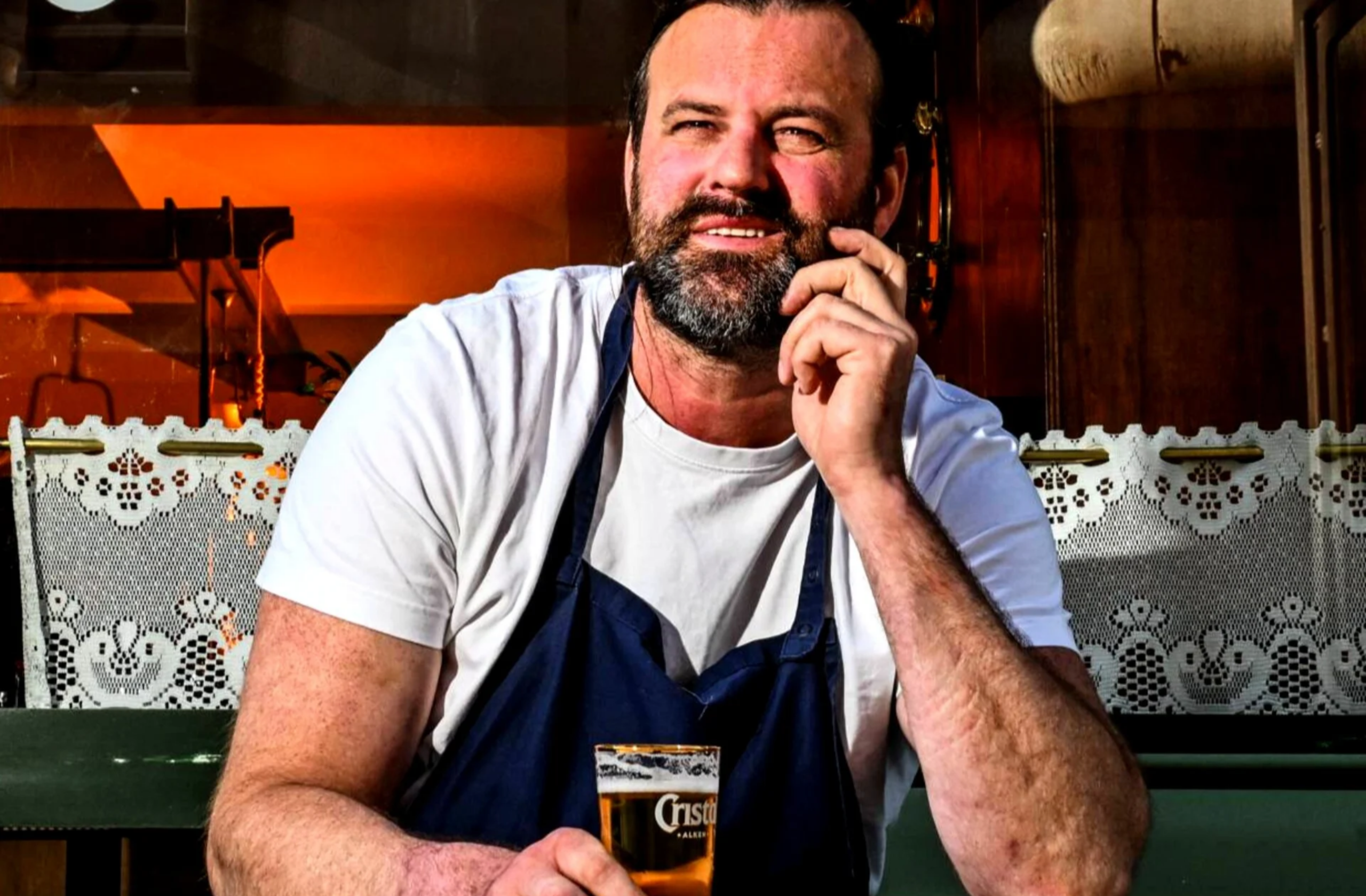

The first-ever Willem Hiele restaurant was in a fisherman’s house that, too, dates back to 1832. It belonged to Willem Hiele’s ancestors (yes, the restaurant’s name is the same as its owners’ name), going back seven generations, and Hiele is the eighth to keep the fire burning there. In 2015, he decided to turn that old house into a full-fledged gastronomic restaurant in Koksijde. Before that, he had already had experience hosting guest tables in the cottage.
In the early days of the opening of the restaurant, there was only one table for eight people, and his parents still lived in the house. “Some guests took the wrong door and then stood in my father’s living room,” Hiele remembers. “Or they looked curiously through the window. ‘This is not Bokrijk, you know!’ he would shout angrily.”
The house holds his childhood too. The tree house he played in still stands in the garden, and his old bedroom sits under the pointed roof. “My mom put butter cookies in a basket, and I pulled it up to my room on a string,” he says. “That purity and simplicity is the feeling I want to give to our guests. That people let time stand still for a moment and step out of their rushed lives.”
For Hiele, the restaurant and the home are the same thing. “This is not just a restaurant for me; this is my home,” he says. “Everything that happens here touches me in my heart and soul.”
The Soup That Says It All
One of his signature dishes at Willem Hiele restaurant is a bisque of shrimp served with bread and butter. It appears in his first book, Zeevuur / Seafire, published in 2019 by Kannibaal Publishers. The base is raw North Sea shrimp, which Hiele calls “the nectar of the sea.” They are caught by local fishermen a few kilometers away and tipped straight from their baskets into the soup pot.
Hiele is very particular about how those shrimps are sourced and transported to the restaurant. He explains that the rules say he should buy through the fish auction, where a bag of sulfite goes over the shrimp. “I do not want filth and preservatives,” he says. “I want super fresh, still living shrimp.”
Time is the second ingredient. A new bisque is made every Monday, Wednesday, and Friday. On Saturdays he tastes all three versions, each with its own aging, and mixes them into one. “I always use the same pot, the same spoon,” he says. “The recipe is always exactly the same, but the taste is always a little different. That is the beauty of this way of cooking, there is always a bit of magic left.”
The bisque…kind of also carries a piece of his family. His grandmother used to cook shrimp in chicory, and that inspired Hiele to finish his soup with a coffee cream and serve it as a “shrimp cappuccino.” The cups were his grandmother’s too, until there was a dishwashing accident and he lost those cups. But again, after he put one message on Facebook about that accident, almost thirty people showed up with the old tea sets of their own grandparents. “That is how we continue the story, with all the unique stories of those families,” Hiele says.
From Bakery To Surfboard
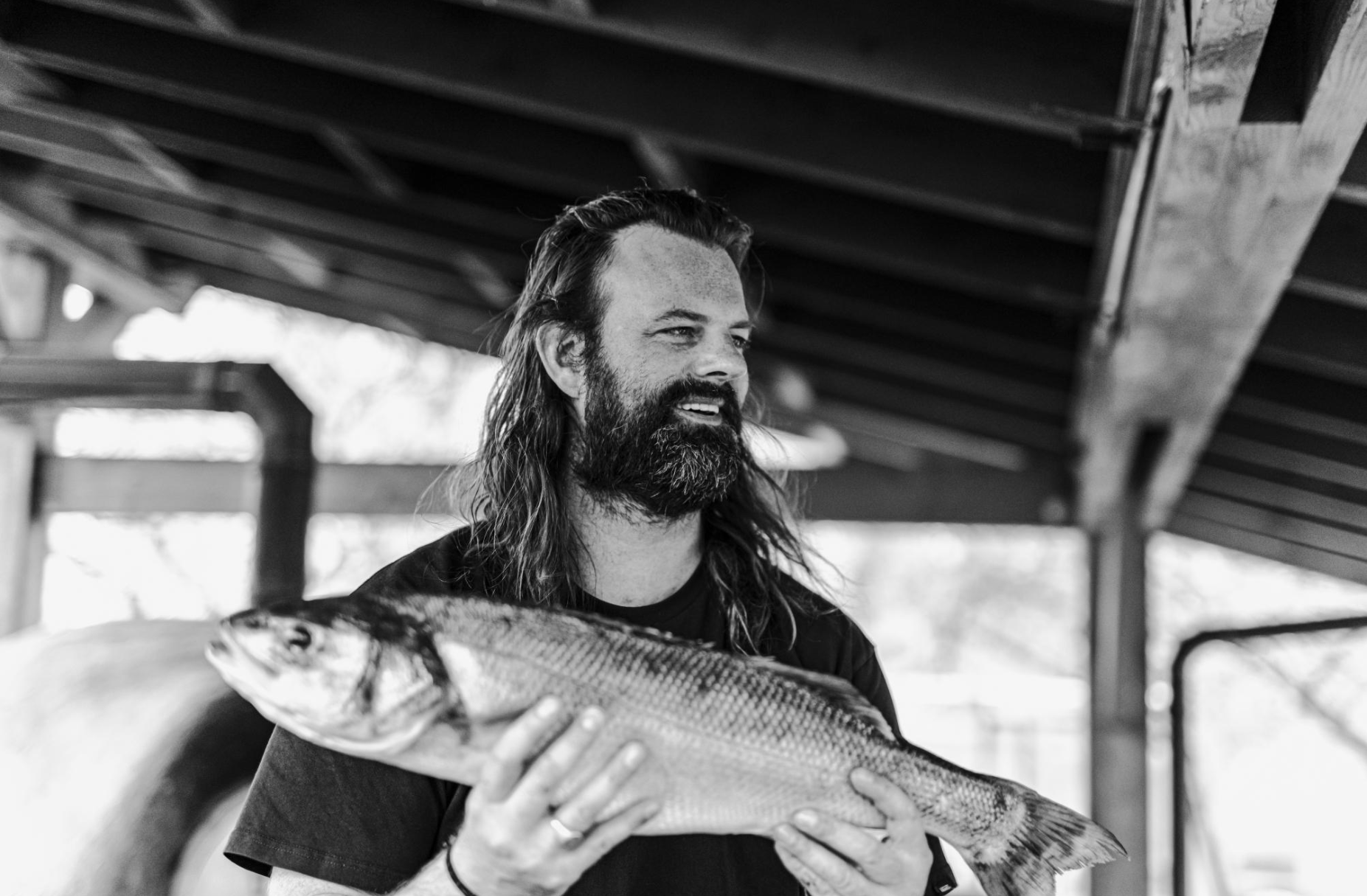
Hiele first started working in a kitchen at the age of 15, when his father made him work weekends at a bakery. He admits his teenage years were rough. “In the end I started to rebel against everything and everyone,” he says. “I wore out all the ‘sint’ schools in Ostend.” The bakery changed that. “The moment I walked in, I felt a spark, as if someone had lit a little fire in me.”
The baker there was a kind older man who had built a small stone oven in an old farmhouse. They baked three kinds of artisan bread there. “For the first time in my life I got confirmation and recognition,” Hiele says. “I could finally be proud of something I made with my own hands.” On Fridays, after detention at school, he rode to the bakery and worked through the night until seven in the morning.
At sixteen, he started surfing. “Staring at that endless horizon until the next wave comes, all alone, at the mercy of the power of nature,” he says. Surf guidebooks became his bibles, and he dreamed of the coasts of France, Brittany, Cantabria, Portugal and Morocco. From age 23 to 28, he traveled through South Africa, Indonesia and New Zealand. There he learned to spearfish, light a fire on the beach and cook for his friends. “Actually, my passion for surfing sparked my passion for cooking,” Hiele says.
The Rules Of The Kitchen
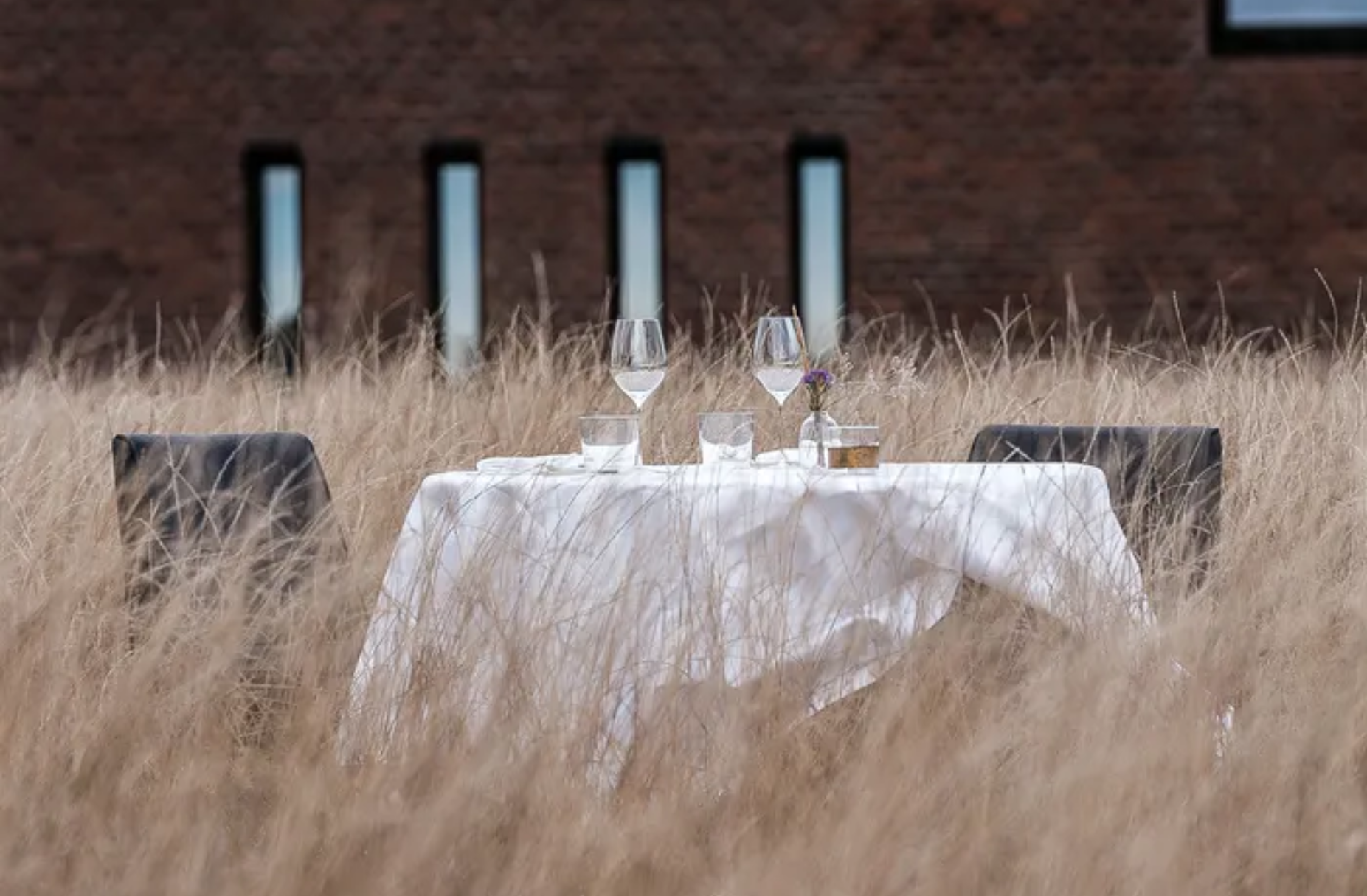
If you go to the restaurant’s website…there’s this line: “Here, we cook to the rhythm of the sea, inspired by the unpredictability of nature, the individuality of the region and the rich offerings of local farmers and fishermen.”
Everything that happens within the restaurant points back to this very line. The kitchen keeps a short supply chain and buys from local farmers. It uses only the daily catch of fish. It cooks nose to tail, so the whole animal is used. By the end of each week, everything is used up, and leftovers find their way into new dishes. In 2018, Hiele joined NorthSeaChefs as an advocate for North Sea fish and as a member of its research team.
As far as his garden is concerned, his father used to work in a bank but always kept a vegetable garden. “We never ate vegetables from the supermarket,” Hiele says. “As a child I got all that knowledge with my mother’s milk.” When the first blossoms appear on the linden trees, he knows asparagus dishes can be planned. “Even in this season, when almost nothing grows, I see sorrel in the garden, and then the ideas come.”
He remembers a lunch at a famous three-star restaurant where he looked out the window and saw a farmer harvesting beets. “I wanted to walk outside, pull those beets out of the soil with my bare hands and make a dish with them,” he says. “That is my idea of cooking. I want those fresh beets on my plate!” He adds that he has endless respect for the chef there, Peter Goossens. Goossens later brought him a gift of 21 copper pans in which he had cooked for two stars. “I cook in those pots every day; that gives me strength,” Hiele says.
The Team And The Hard Year
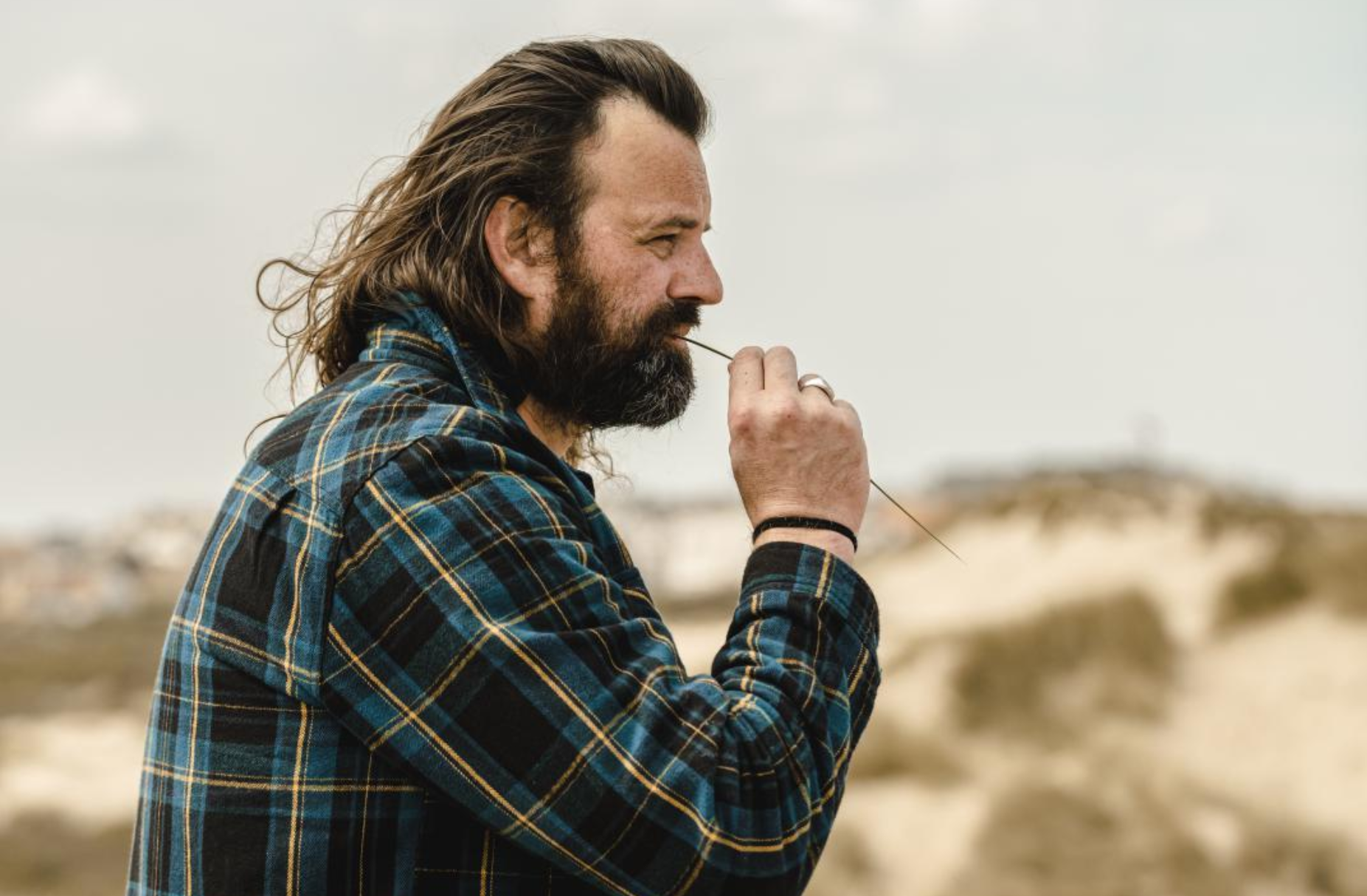
The road to today, where the restaurant stands, was definitely not an easy one. In 2016, for example, something big happened – he crashed. All reservations were canceled, and his wife Shannah took him on a forced vacation. A pep talk from chef Sergio Herman helped him through. “It was grow or quit,” Hiele says. “As soon as I could hire a few staff, I could set the bar much higher. Now I have much more room to be creative.”
The team is a big part of the brand. Almost nobody on it has classic hospitality training, and the staff picks cèpes in the Ardennes on their days off. “They are as obsessed as I am,” Hiele says. “We stand here 16 hours a day. If there is no laughing and dancing in the kitchen, then it is not worth it for me.” He adds a plain truth: “Honestly, without them I would not be sitting here.”
He keeps his mind full outside the kitchen too. He loves Gainsbourg and Gezelle, Raveel and Prince. Prince even led to a dish of mussels in a purple beer batter called “Purple Rain,” served on a sea buckthorn branch. “Even if I work a hundred hours in a week, I damn well want to go to the Nils Frahm concert,” he says.
Shannah, The Other Half Of The House
Shannah, who runs the restaurant beside Hiele, studied philosophy and holds a master’s degree in philosophy and moral sciences. She planned a life of helping children in Africa or working for Amnesty International. Today she is an excellent sommelier, a host and the driving force behind the scenes. “I would never want to work in an ordinary restaurant,” she says. “But this is a unique story. It was Willem’s idealism that appealed to me right away.”
She describes what she wants guests to take home. “I want people to leave here a little bit different from how they came in,” Shannah says. “That something happens to them that does not leave them untouched.” A later headline about the end of their restaurant and their marriage carried this line: “There is more to life than playing restaurant.”
A Road Of Awards And A New Home
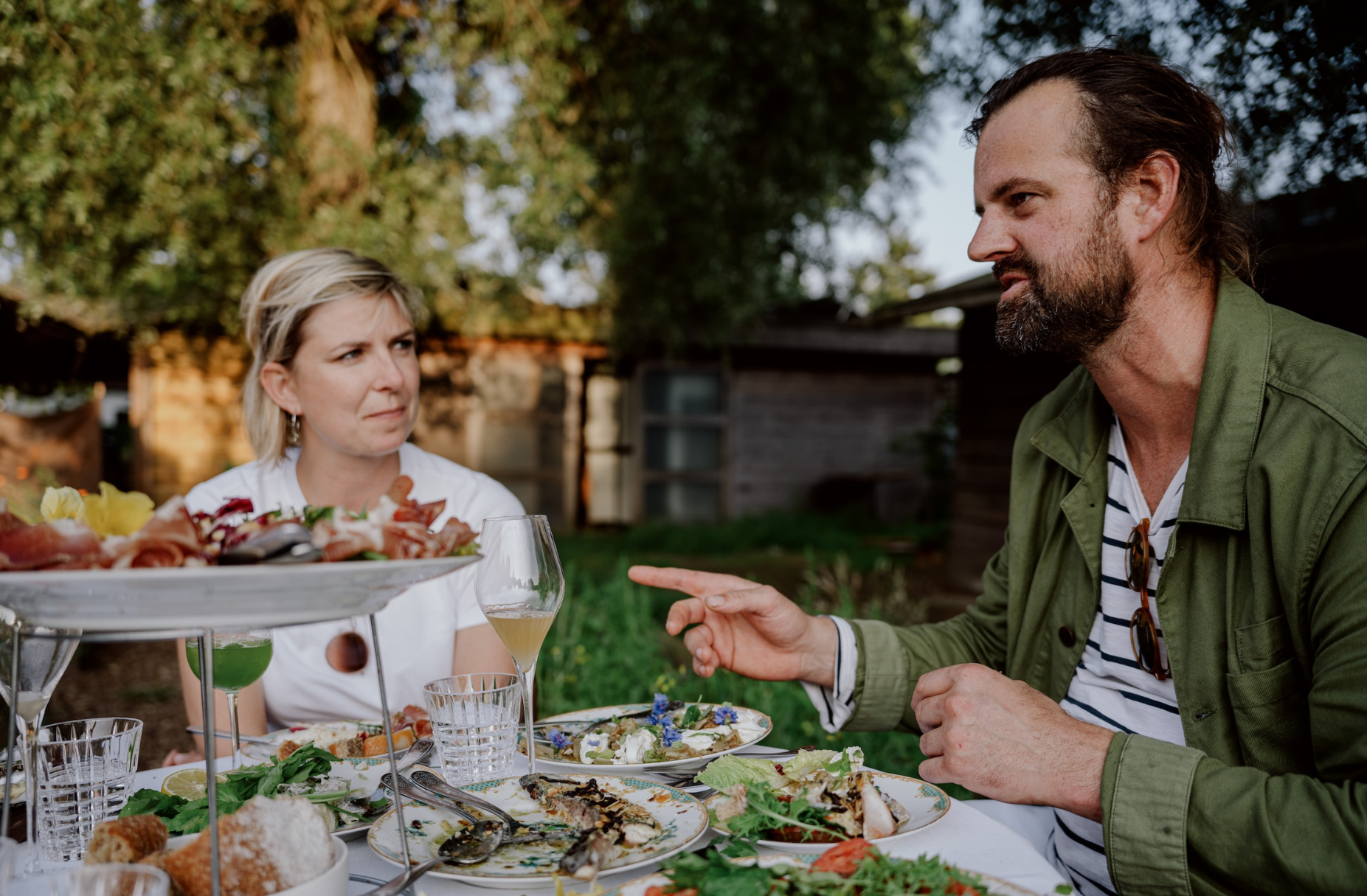
In 2016, Gault&Millau named Hiele “Discovery of the Year” with 15/20 and two chefs’ hats. A year later, he had his first mention in the Michelin Guide and three chefs’ hats. In 2019, he won the Restaurant Philosophy award from Gault&Millau. That same year, the restaurant landed on the first Discovery list of the World’s 50 Best.
In 2020, he opened Boutique and Bar/Brasserie Raphaël, first as a boutique and later as a popular outdoor brasserie in the restaurant’s garden. In 2021, he earned his first Michelin star, rose to 57th place on the European OAD list and took the 77th spot on the World’s 50 Best Restaurants list. But then he decided to end the story on a high and closed the Koksijde restaurant in December of that year to renew himself.
In 2022, the restaurant started again in a brutalist building from 1971 by the Belgian artist and architect Jacques Moeschal. It stands among the polders of the Big Keignaert, in the backyard of Ostend. In 2023, the team regained its Michelin star and ranked 68th on the OAD list. In 2024, they kept the star.
What Ends Up On The Plate Today
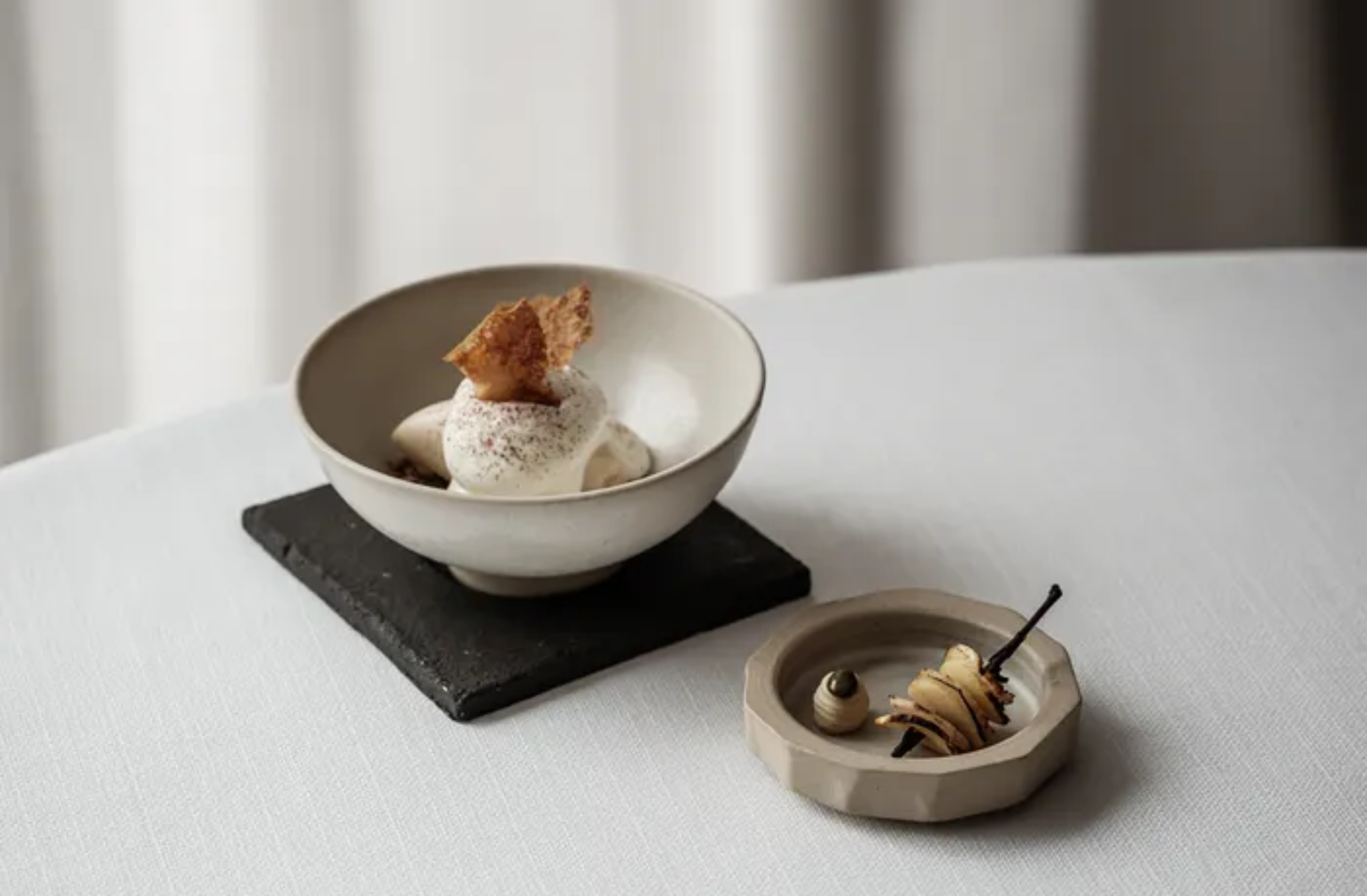
The menu at Willem Hiele changes every day, based on what the day offers. The restaurant says this spontaneity and cooking in the moment define the kitchen. A charcoal fire always burns outdoors, and the signature turbot is hot-smoked and steamed over a roaring wood fire, served with a punchy salsa and ratatouille. Other dishes include a plate of poached lobster with green beans, courgette and peas in a clear consommé, and yakitori with local cuttlefish and beach rose petals, which also grow on the driveway. One guide describes hare from the polders cooked on the bone in bay leaf, with mature cherries, black trumpet mushrooms and a blackberry sorbet.
Guides praise his work too. One says Hiele “has no need of surprising combinations to convince or entice his diners.” Another says he “brings a strong story that is right from start to finish.” Guests can book one of six guest rooms for the night and stay for breakfast. The restaurant is at Kapittelstraat 71 in Oudenburg. It serves lunch and dinner and is closed on Mondays, and reservations are recommended.
The Story That Is Still Being Written
Despite all the recognition and the years of effort, Hiele still does not see this as a final chapter. “I am not going to keep doing this forever,” he said. “Hugo Claus also wrote more than one beautiful book. This is the story I want to tell now, and it is not finished yet.”
Today the story has moved from a cottage by the sea to a house among the polders. But the soup pot, the fire, and the people around the table remain at the center.