

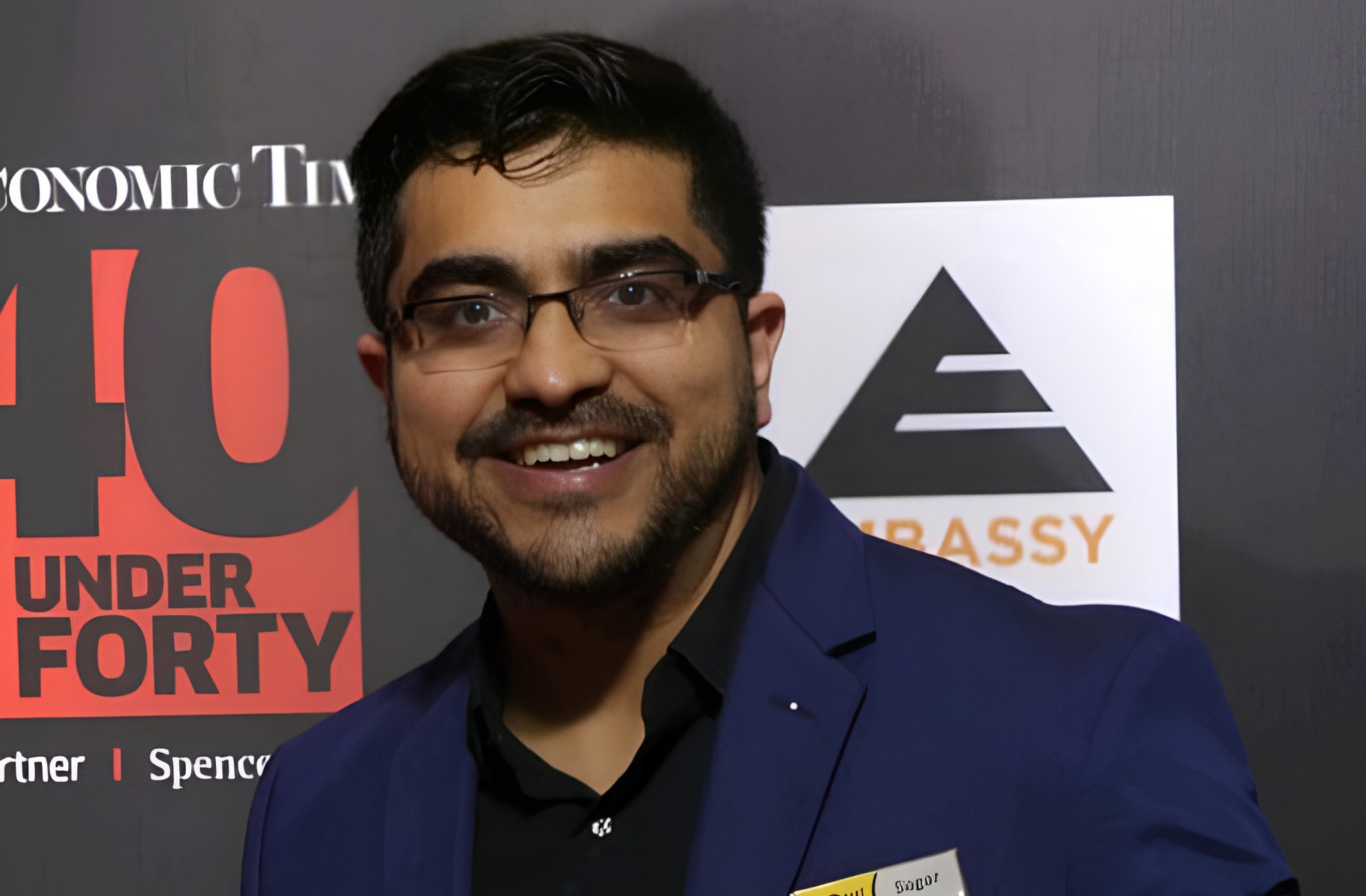

They say, “where there is a will, there is a way,” and Sagar Daryani, Co-Founder of Wow! Momo and his partner, Binod Homagai, have proven this statement true.
A small business that started with mere Rs 30,000 has, over the years, grown into one of India’s most recognizable homegrown food brands, expanding across formats, cities, and now sister brands.
The very first QSR format specializing in momos went on to become one of the most profitable stories in India’s restaurant industry.
The Journey of Sagar Daryani and Wow! Momo
Below are excerpts from what Sagar Daryani shared with The Restaurant Times team about his journey and experiences building a food brand from scratch.
The Idea Behind Wow! Momo
“We started Wow! Momo immediately after college. Our journey has pretty much been like a Bollywood movie; we started our business with a mere Rs 30,000 and reached a Rs 230 crore business in the last few years,” shares Sagar.
During his childhood, he was very fascinated by brands. He used to draw logos of Nike or Adidas in his textbooks. Even during college, he always had in his mind that he would not be able to pursue an MBA because he was very poor at Maths. So, clearing entrance exams like CAT was not an option.
So, the question was what next after college. “I always wanted to build a brand, and there is no better option than entering the food business to develop a brand.”
In the food business, everything works through word of mouth. Before momos, he and Binod thought of various concepts around parathas. They realized people had already tried their hands with burgers, pizzas, and continental food. But no one had experimented with momos, and that’s how the idea of Wow! Momo bounced in.
There was a lady near Sagar’s school. “She used to make momos in 10-15 minutes, and that gave me confidence that good-quality momos can be prepared in a short span of time.”
Starting Up With Just Rs 30,000
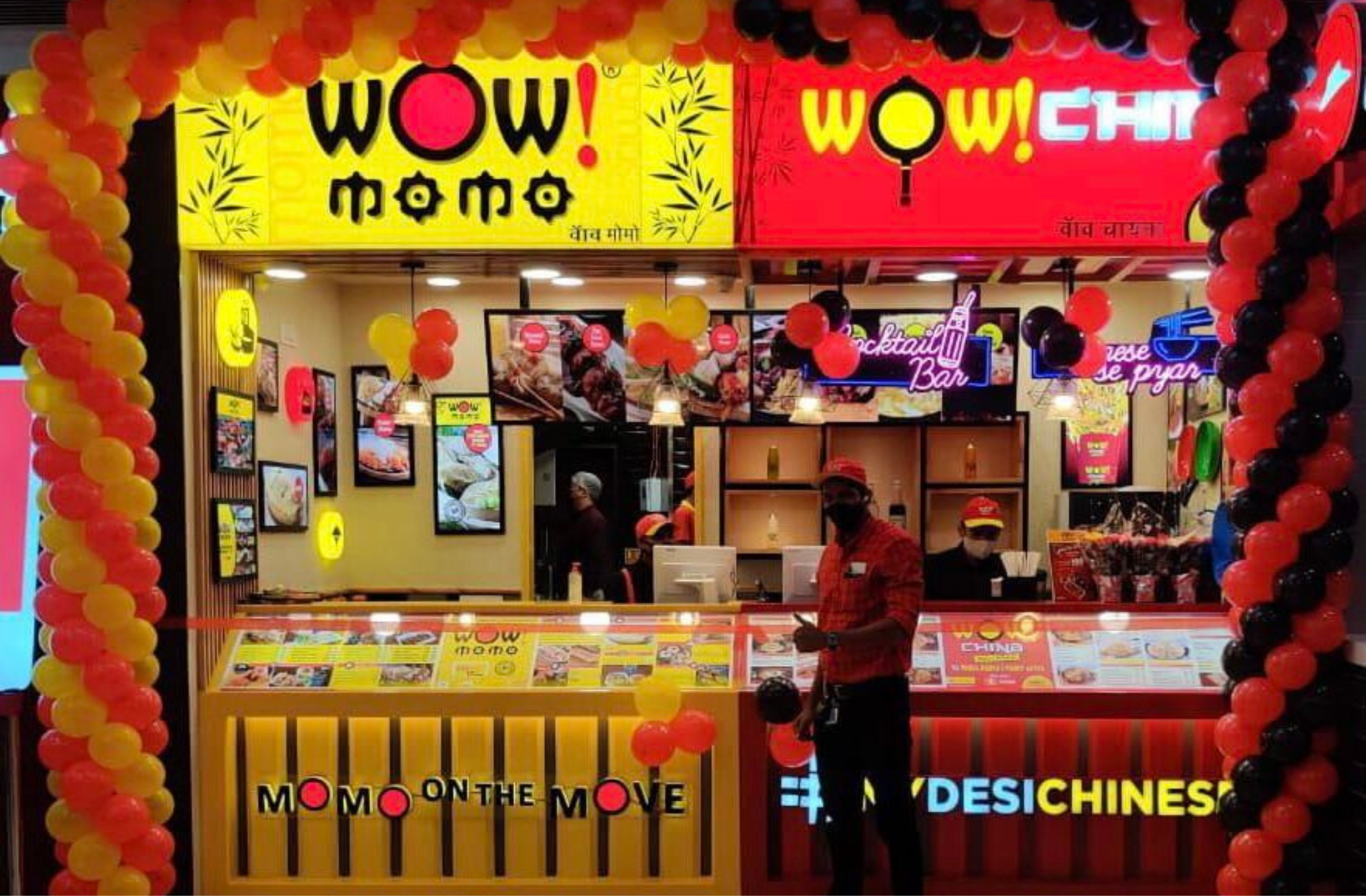
Yes, Sagar and Binod started their business with a mere investment of Rs 30,000. They started with a small 6X6 sq ft kiosk; it was a retail shop format. In this particular format, you don’t need to make the flooring or ceiling; it was just a regular kiosk. However, they used bright yellow colors, similar to the kind of Bank Kiosks where they do promotional activities like distributing leaflets and helping people understand their product.
“My entire rent for the month was very low, and we shared 18 percent of our revenue. But seeing the rentals, I gained confidence that the concept might click.”
At that time, they never had the money to print leaflets and didn’t even hire a full-time chef. They had a part-time chef who used to come in the morning and prepare momos for them. “But we had a full-time helper who would stand at the stall to sell the momos.”
Binod and Sagar used to wear Wow! Momo t-shirts and go up to customers with a tray of momos for taste sampling, as they did not have money for leaflets. They were confident that their product was good, and after tasting momos, customers would come to their counter to buy a full plate of momos. That’s how they marketed their brand and their product. “We always had a product-oriented marketing campaign. At Wow! Momo, we decided not to spend money on hoardings.”
From One Kiosk To Multiple Formats
At the time of this interview, Wow! Momo had 96 stores across eight cities, operating across four formats: primarily kiosk, food court, high-street shop with 20-person capacity, and a high-end street restaurant of up to 1000 sq ft. Sagar and Binod designed their menu and concept in such a way that their smallest kiosk of a 7X7 sq ft size generated revenue of Rs 12 lakhs per month. So operating in different formats gave them the flexibility to enter the right location depending on the size of the shop. This made their model scalable and also gave them space to expand. It also helped bring down the real estate cost. They had just opened a flagship store in Bangalore around that time.
That scale has since grown many times over. Speaking to Fortune India earlier this year, Daryani noted that the core Wow! Momo business alone had grown to around 600 stores, with sister brands Wow China and Wow Chicken adding roughly 250 more outlets to the group (credit: Fortune India, May 2026).
Eighteen Years Of Building The Brand
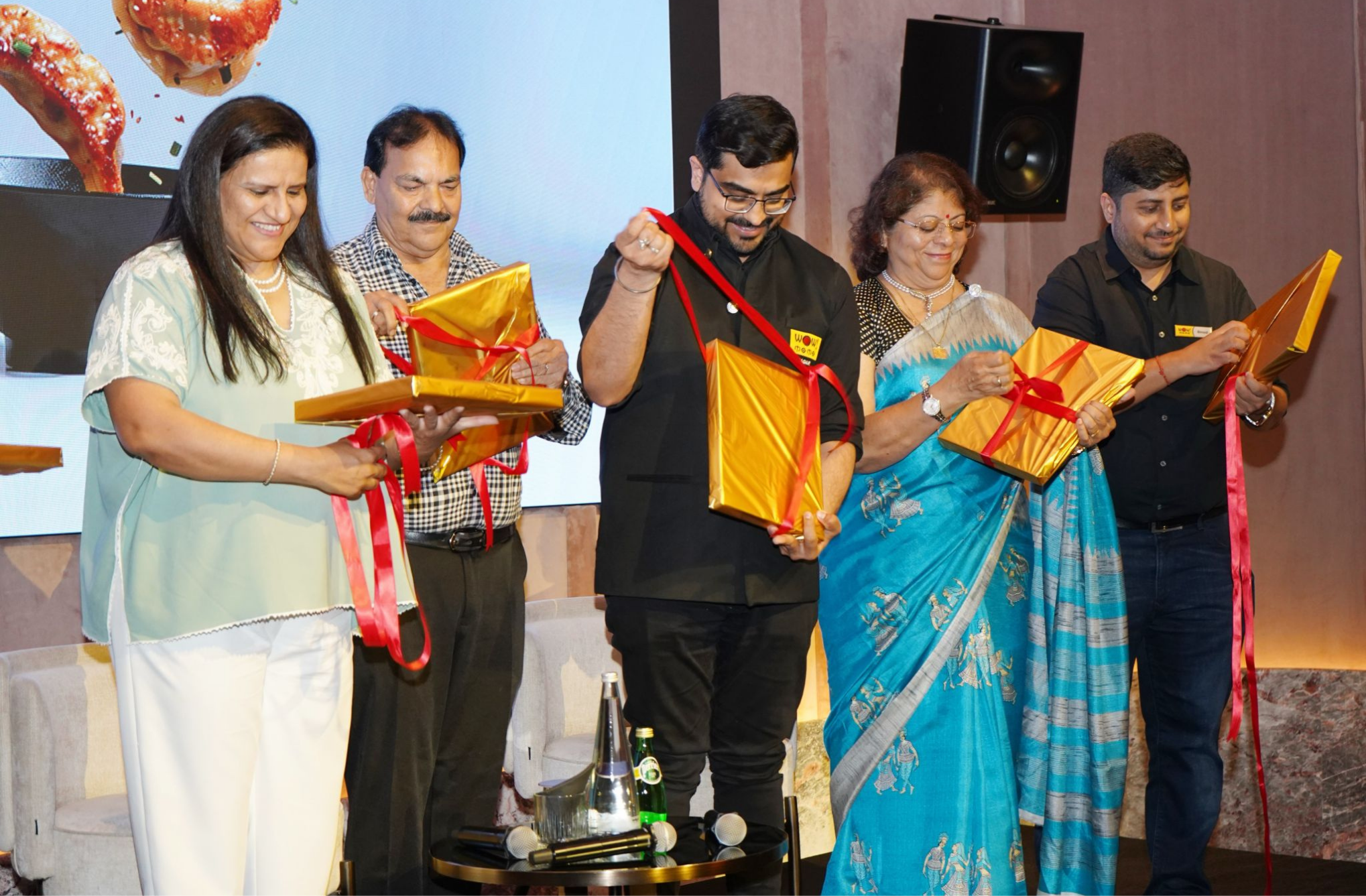
It has been eighteen years now. Wow! Momo was started in 2008, on 29th August. “We grew with our own money. By the time we reached three stores, we had a revenue of Rs 19 crore with a little bit of debt.” In 2015, they got a valuation of Rs 100 crore and raised Rs 10 crore. They were also entering another round of funding at the time, looking at tripling their valuation.
Keeping Consistency Across Outlets
During their expansion, Sagar and Binod never raised funding because money was not the problem. They were doing well and knew that they would get the funding. But they needed to have the right bandwidth.
Talking about consistency, “we kept our model very simple, as we only have 15 SKUs (Stock Keeping Units), with 12 types of momos, one thukpa, and three types of sauces. The 15 SKUs are prepared in the central kitchen and supplied to different stores. We have five base kitchens across eight cities, so we are only managing those five base kitchens.” (Of course, since then a lot of things have changed for the better!)
When To Innovate The Menu
Innovation should not be done just for the sake of it, but done depending on the requirements of the business. Further, for successful scaling, you need to learn on the go.
India is a very diverse country, and you have to know your customers. You need to keep a few things simple, innovate, and tweak some parts of the menu.
For example, Wow! Momo has a rice momos meal in Kochi, which they don’t sell anywhere else. You have to adapt over time.
Competing With Street Vendors On Price
Yes, on the street you get momos for Rs 15, and at Wow! Momo, they are sold for Rs 40 at least. Pricing was a concern at the beginning.
But ultimately, the quality of the product and the hygiene factor matter, among other things.
When you buy chicken momos on the street, you sometimes get an onion momo instead. “We focused more on our product than on pricing. When people can buy a pizza for Rs 700, people can spend Rs 100 for good quality momos as well.”
Where Wow! Momo Stands Today
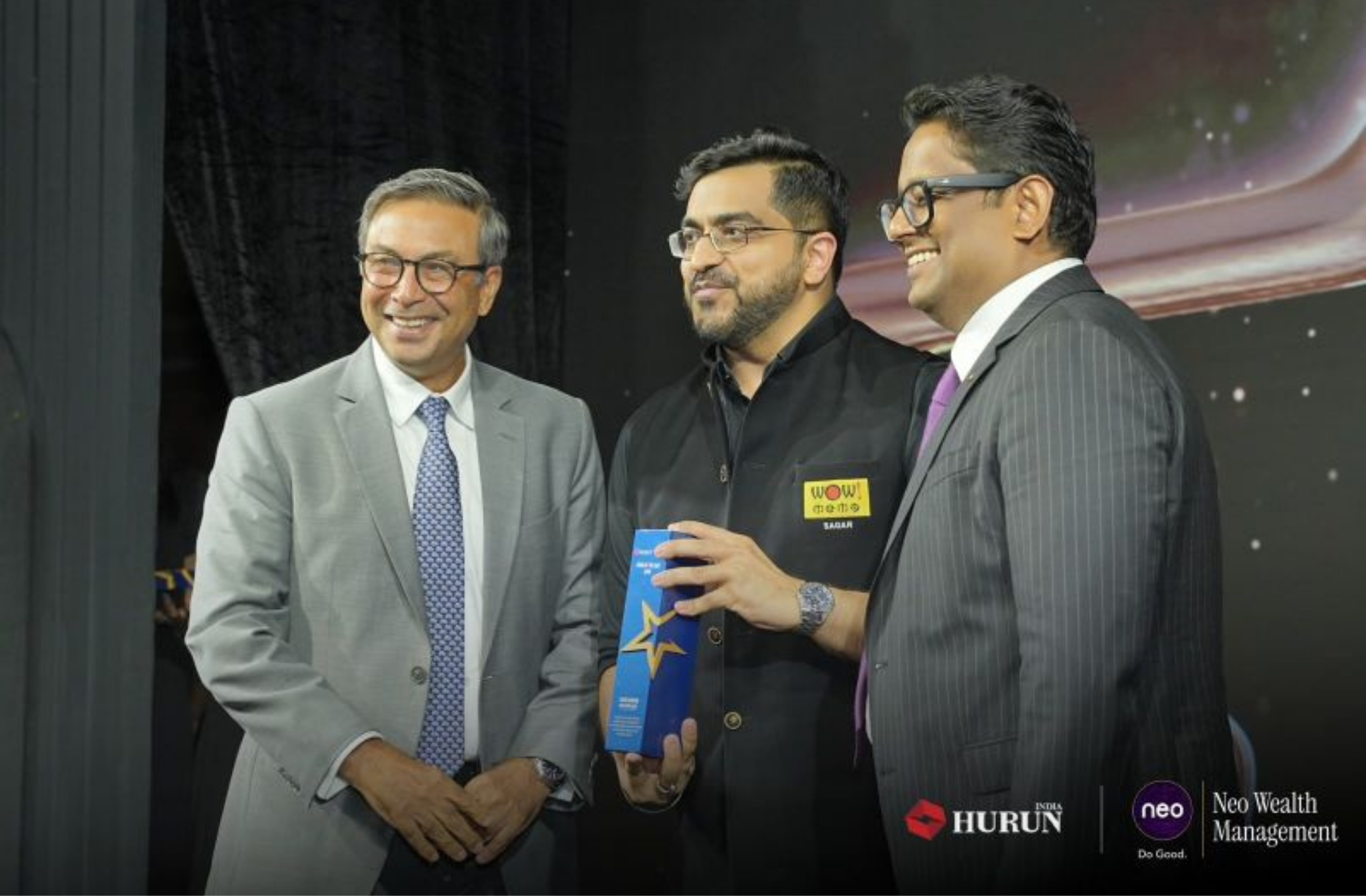
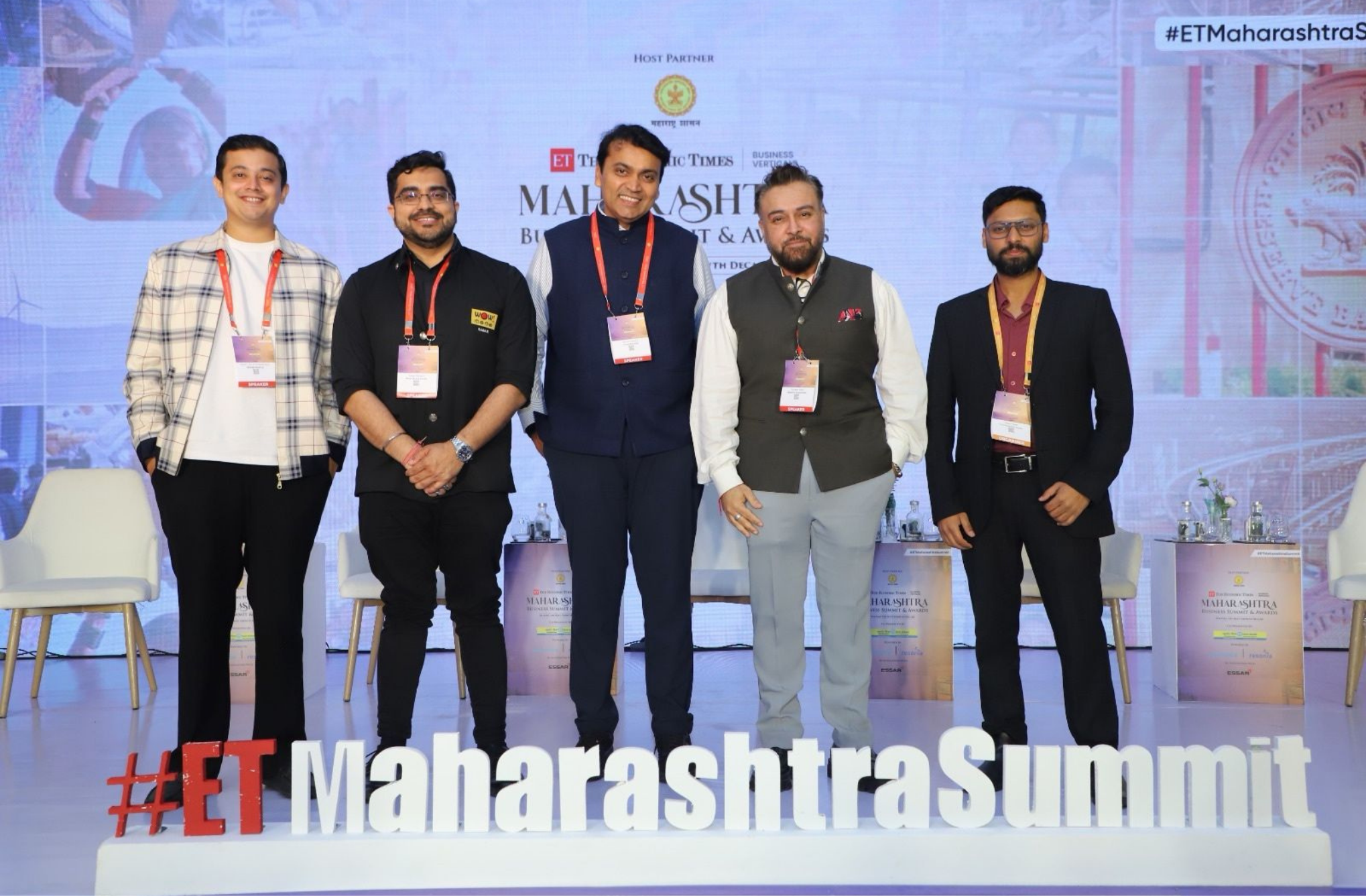
Nearly two decades since that first kiosk, Daryani’s role in the industry has expanded well beyond his own brand. In October 2025, he took the stage as co-chair of The Economic Times Food XP in Delhi NCR, speaking not just as the founder of Wow! Momo but as president of the National Restaurant Association of India (NRAI). He pointed out that food service has become the third largest industry in the country, contributing meaningfully to both GDP and GST collections, and that the sector now employs 8.5 million people, a figure expected to cross 10.5 million within two years (credit: ETHospitalityWorld, October 2025).
Reflecting on the scale of change the industry has seen, Daryani described the last decade as something close to a culinary renaissance for India, one where a roadside snack like the momo could grow into an Rs 800 crore business, and where homegrown pizza brands could hold their own against global giants (credit: ETHospitalityWorld, October 2025).
That growth, however, hasn’t come without its share of turbulence.
Speaking to Fortune India in May 2026, Daryani spoke candidly about the pressure a sharp spike in commercial LPG prices put on the entire restaurant industry, with fuel costs rising sharply within just a couple of months and pushing thin-margin operators toward menu price hikes they had long resisted. He explained that LPG, which usually made up around a tenth of food costs, was expected to climb to 12-15 percent, forcing operators into a corner on pricing (credit: Fortune India, May 2026).
Within Wow! Momo’s own portfolio, the core Wow! Momo business, running largely on electricity across its roughly 600 stores, was barely affected and even posted strong same-store sales growth, while sister brands Wow China and Wow Chicken, more dependent on gas-based operations, had to shift partially to electric setups or cut hours, taking a real hit to their margins. The company ended up spending close to a crore of rupees converting outlets to a hybrid model, a move Daryani framed as being about survival and staying future-ready.
Even with that pressure, Daryani struck an optimistic note about the industry’s underlying resilience, one that has echoed through nearly every conversation he’s had about Wow! Momo since that first 6×6 sq ft kiosk: that good products, built with consistency and put in front of the right customer, will always find a way to grow.


