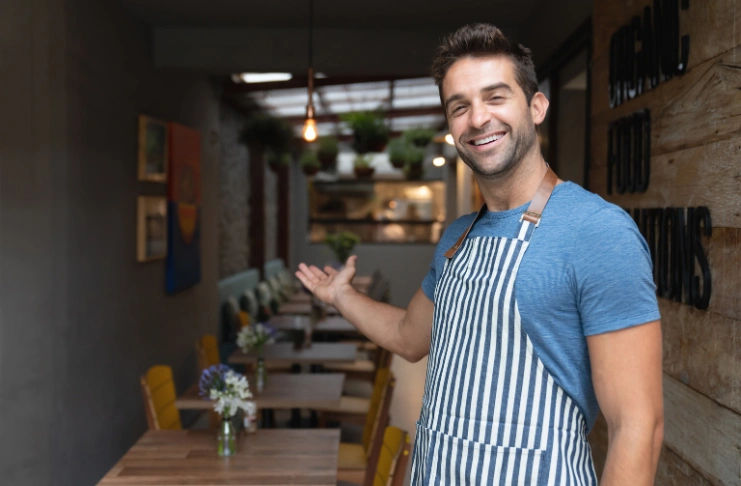

Every restaurant experiences slow days. The days when tables remain empty, and staff outnumber guests. While these lulls are normal in the restaurant business, consistently empty dining rooms can seriously impact your bottom line.
The good news? With proper planning, you can still churn profits off your restaurant’s slow days.
What Causes Slow Periods in Restaurants?
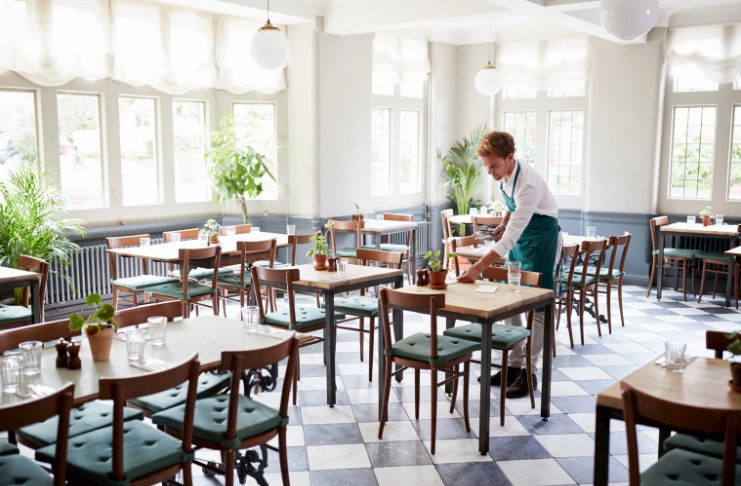
Slow days aren’t just frustrating; they’re expensive. Empty tables mean wasted inventory, underutilized staff, and fixed costs that continue regardless of your sales volume.
Understanding what causes these slow periods is the first step toward addressing them. Is it seasonal? Weather-related? Due to local events or competitor promotions? Tracking your sales data is essential to identifying patterns and creating targeted solutions.
INDUSTRY INSIGHT
| Slow days in the restaurant industry often align with predictable seasonal patterns. For instance, December 2023 in the U.S. saw a 2.3% year-over-year increase in same-store sales, marking the strongest month since July. However, this uptick was mainly due to holiday dining, with earlier months experiencing stagnant traffic despite higher guest spending. At the same time, the holiday season can be a double-edged sword. While some restaurants thrive, many upscale establishments report declines in business as high as 60% during major holidays. This drop is often because customers prefer spending time with family, preparing meals at home, or allocating budgets to travel and gifts. In India, for instance, the summer of 2024 led to a 40% decrease in business due to extreme heat waves keeping diners indoors. By understanding these seasonal patterns and their effects on footfall versus guest spending, restaurant owners can craft targeted strategies to counteract the lean periods and keep revenue stable throughout the year. |
What Are the Top Strategies to Boost Sales on Slow Days?
Here are the high-impact restaurant slow day strategies that can uplift your sales at any time of the year:
1. Create a Slow Day Menu
Curate a specialized menu exclusive to your slowest shifts. This could include high-margin, low-prep items designed to move volume without overburdening your kitchen.
Give people a reason to come in on a day they’d usually skip. An offer that’s available only on a slow day encourages repeat visits. Plus, it helps with inventory turnover and keeps portions in check.
Design your menu with practicality in mind. Stick to items that share ingredients with your regular menu or have a longer shelf life, so nothing goes to waste. Also consider dishes that showcase seasonal ingredients at their peak availability and at a price point that works for you.
2. Optimize Loyalty Programs for Off-Peak Hours
Use your loyalty program to shape customer behavior. How? Reward their visits during off-peak hours. For example, you can offer them double points on Wednesdays or a free appetizer on Monday nights after 7 PM.
Your CRM should do the heavy lifting here. Segment regulars by their visit frequency and spending patterns, then send them hyper-targeted slow-day offers.
You should also build a tiered rewards system for off-peak hours. This may include priority rewards, exclusive dishes, or early access benefits.
3. Cater for Local Offices or Schools
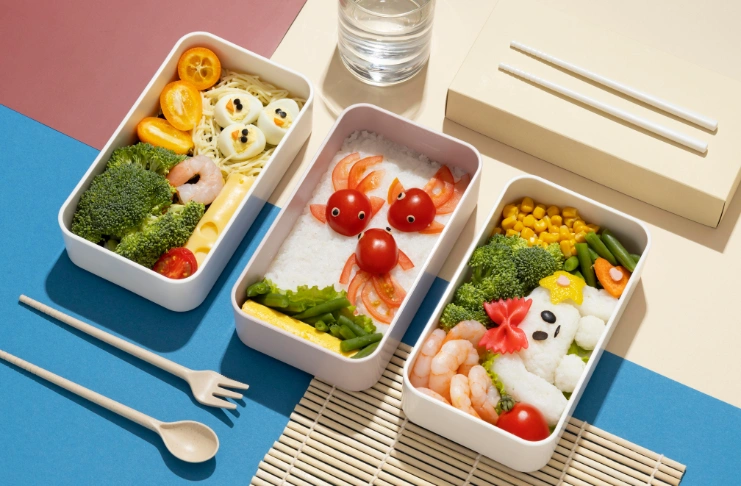
Slow afternoons? Reach out to nearby offices, co-working spaces, schools, or coaching centres with simple group lunch deals. Add pre-order windows or fixed delivery slots so the kitchen stays efficient and predictable.
For best results, target businesses within a 10-minute radius, as proximity dramatically increases conversion rates.
Develop a dedicated corporate menu featuring items that travel well and can be easily set up by non-restaurant staff.
Professional service firms and creative agencies typically have the highest budget per head for these arrangements. Create a simplified digital ordering portal for corporate clients that allows scheduling orders up to two weeks in advance, giving your kitchen valuable production forecasting.
4. Launch Themed Nights or Experiences
Give people a reason to show up on days they usually don’t. Themed nights, for example, work because they create a habit.
These events work amazingly well on slow days, but you don’t need to keep them running for the entirety of the day. Better pick a 3-hour window and concentrate your energy there.
Also, keep the theme local and relatable. Tap into what your community already enjoys or what’s trendy. Promote it through social media, email, and local event listings.
Pro Tip: Collect basic details from each attendee so you can invite them back the next time, too.
5. Leverage Weather-Based Promotions

Weather affects diner behavior, and most restaurants already know this. That’s why they use hyperlocal weather triggers via platforms like Wisely or Thanx to send people offers that feel “meant for them.”
A simple message like “Too hot to cook? Get 15% off AC-cooled dine-in today” speaks to exactly how people feel in that moment and capitalizes on their impulse behavior.
Mind that the most effective weather-based promotions address a specific pain point. For example: “Beat the heatwave with our frozen margaritas.” Weather-triggered SMS campaigns show 3-4× higher conversion rates than standard promotional messages when sent within one hour of weather changes.
Consider creating a weather-based promotion calendar in advance, with different strategies for rain, extreme temperatures, or unexpected sunshine.
6. Offer Limited-Time Collabs or Pop-ups
Slow days are ideal for testing new concepts. Invite a local chef, bartender, or brand to host a pop-up. This will inject novelty into your offering, boost business, create cross-promotion opportunities, and attract new audiences, especially if the collaboration is exclusive to that day.
Partner with complementary brands like craft breweries, local bakeries, or specialty food producers. Structure the financial arrangement as a percentage of incremental sales rather than a flat fee to ensure mutual interest in driving traffic.
Document these collaborations with professional-quality photos and videos to create content for future marketing.
7. Run Micro Influencer Takeovers During Off-Peak Hours

Rather than shelling out for macro influencers, build a long-term collaboration plan with micro influencers (1K–10K followers) who live within 5 km of your location.
Invite them to your restaurant during off-peak hours. Let them eat, film, talk, and share their experience online. With a midweek Instagram stories takeover, a few honest reels, and some behind-the-scenes, you are sure to hit a jackpot (not really, but yes, it works!).
Remember: A well-executed collaboration can yield 2–3 high-converting assets for your feed, giving it a more dynamic, timely feel overall.
8. Fine-Tune Your Google Business Profile
On weekdays, most diners don’t plan ahead. They search as and when hunger hits. That’s where your Google Business Profile comes in handy.
However, to make the most of it, you must:
- Keep it fresh
- Update your hours
- Add new photos
- Call out day-specific offers
- Use Posts and the Q&A section to feature slow-day specials
There’s a reason this works. Google Business Profiles with regularly updated posts are 2.7 times more likely to be trusted by consumers.
One last tip: Respond to every review within 24 hours to boost your listing’s algorithm ranking.
9. Introduce Flash Deals Via SMS or WhatsApp

When foot traffic dips, activate flash deals through SMS or WhatsApp. These immediate nudges, like ” Dine in before 6 PM today and get dessert free,” often get those “maybe” customers through the doors.
But they work best only with opt-in customer lists and minimal lead time.
Pro Tip: Segment your SMS list by area and focus on people who can reach you within 15 minutes.
Time these messages strategically. For example, lunch flash offers land best between 10:30 and 11:15 AM, while dinner deals see the highest conversion between 3:00 and 4:30 PM.
However, don’t overdo it. Limit these messages to 1-2 per week at max to prevent subscriber fatigue.
10. Staff Smarter, Not Harder
While you’re driving demand, make sure your staffing stays lean and smart.
Use your POS and reservation data to analyze labor demand. Cross-train your team to handle multiple roles more effectively.
On quieter shifts, consider bringing your most experienced staff on the ground so they can upsell naturally and manage more independently.
Most importantly, track your sales-per-labor-hour by time slot. It will give you a better idea of where you’re overstaffed or where you’re just right.
Consider implementing a “flex schedule” system that allows staff to self-select reduced hours during predictable slow periods. This would create a win-win situation that reduces labor costs while honoring employee preferences.
Conclusion
While slow days present challenges for any restaurant, they also allow for creativity, relationship building, and business growth.
However, remember that consistency is key. The above-mentioned slow day strategies aren’t one-time fixes but ongoing programs that customers come to anticipate and enjoy. With persistent effort, those formerly empty tables can become reliable sources of revenue and customer loyalty.
Frequently Asked Questions
1. What is the slowest day for a restaurant?
Monday is typically the slowest day for most restaurants, followed closely by Tuesday. Weekend diners often tighten their budgets early in the week.
2. Which strategy is best for restaurant?
While the “best” is subjective, loyalty programs consistently show strong returns across the industry.
3. What’s the slowest month for restaurants?
January and February are generally the slowest months for restaurants in most regions. Post-holiday budget constraints and winter weather contribute to this seasonal slump.
4. How do you turn around a struggling restaurant?
Turning around a struggling restaurant requires a multi-faceted approach: analyze your data to identify specific problem areas, refresh your menu focusing on high-margin items, invest in targeted marketing, train staff for exceptional service, and create loyalty programs to encourage repeat business.
5. What are the slowest days for restaurants?
Monday and Tuesday are consistently the slowest days for most restaurants, but business gradually increases on Wednesday as the week progresses.
6. How to boost sales in a restaurant?
You can boost restaurant sales by implementing strategic promotions during slow periods, creating a robust loyalty program, optimizing your menu for profitability, focusing on exceptional service to encourage repeat visits, and leveraging online ordering and delivery platforms to build customer loyalty.
7. What is the slowest week of the year for restaurants?
The first week of January is typically the slowest week for restaurants nationwide, as customers recover from holiday spending and focus on New Year’s resolutions.
8. Why are Mondays slow for restaurants?
Mondays are slow primarily because customers often dine out during weekends and then economize early in the week. Plus, many people grocery shop on weekends and cook at home early in the week.
9. How can I increase sales on slow days?
You can increase sales on slow days by offering day-specific promotions, hosting special events, creating a dedicated social media strategy for slow days, implementing happy hour specials during off-peak hours, and developing a loyalty program that incentivizes visits during traditionally slow periods to ensure happy customers.
10. What are good ways to attract customers?
Effective methods to attract customers include maintaining an active social media presence, offering targeted promotions, hosting special events, creating a customer loyalty program, ensuring consistent food quality, providing exceptional service, and collecting and responding to customer feedback.
11. What are the 4 ways to increase sales?
Four effective ways to increase restaurant sales are:
1. Implement a data-driven loyalty program
2. Optimize your menu for profitability and create limited-time offers
3. Develop targeted marketing for specific slow periods, and
4. Train staff in suggestive selling techniques.
12. How to attract foot traffic?
You can attract foot traffic by creating eye-catching window displays and sidewalk signage, hosting sidewalk sampling events, partnering with nearby businesses, offering time-limited promotions visible to passersby, and maintaining an inviting restaurant exterior.
13. Why is the restaurant industry so slow right now?
The restaurant industry faces challenges, including rising food costs, labor shortages, changing consumer habits with increased preference for takeout and delivery, and economic pressures affecting discretionary spending on dining out.