

The restaurant industry faces mounting pressure to deliver an exceptional customer experience while managing rising operational costs. Restaurant automation systems offer a practical solution to these challenges, transforming the way businesses operate daily.
In fact, the global restaurant tech market hit $5.1 billion in 2024 and is expected to climb to $17.16 billion by 2032, growing at 16.39%.
This rapid expansion reflects how restaurant automation tools help reduce labor costs, improve service quality, and streamline operations across all areas of your business.
Why Should You Consider Restaurant Automation?
Restaurant automation addresses the most pressing challenges the hospitality industry faces today. A report by the National Restaurant Association revealed that 47% of restaurants plan to increase automation to address staffing shortages.
The numbers tell a compelling story. Currently, 94% of restaurant managers believe AI tools are crucial to remaining competitive, particularly in areas such as scheduling, ordering, and inventory forecasting.
Over three-quarters (95%) of restaurant operators have implemented some form of artificial intelligence within their establishments.
Automation technology enables restaurant operators to efficiently handle repetitive tasks that consume valuable staff time and resources.
This way, your staff can focus on food quality, service, and the dining experience rather than non-value-added tasks.
What Are the Essential Restaurant Automation Tools?
The right automated technology can enhance your restaurant’s performance, attract more customers, and directly impact sales. Below are a few must-have restaurant automation tools:
Point of Sale (POS) Systems
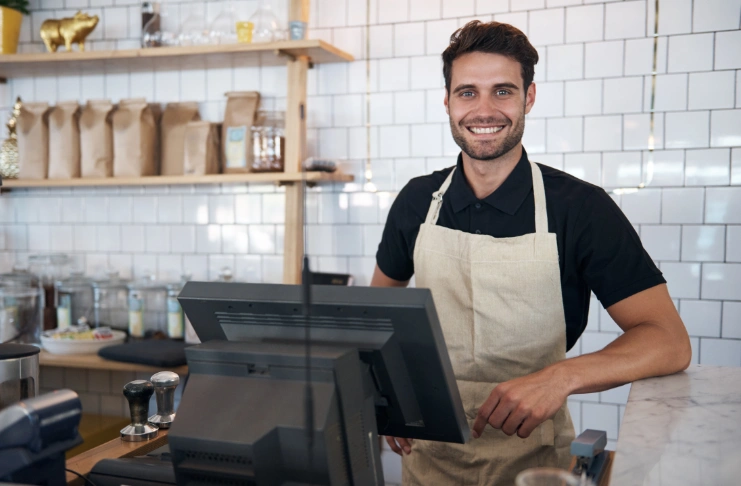
Modern POS systems serve as the backbone of restaurant automation. Currently, 63% of restaurants utilize cloud-based POS systems, while 34% continue to rely on legacy POS systems.
These systems track sales data, manage inventory levels, and process payments efficiently. Advanced POS systems also support mobile apps for tableside ordering and digital menu boards for dynamic pricing.
Key features include:
- Real-time sales tracking
- Integrated payment processing
- Customer data management
- Inventory synchronization
Kitchen Display Systems
Kitchen display systems revolutionize back-of-house operations by replacing traditional paper tickets. These digital displays streamline the ordering process and improve kitchen operations efficiency.
Orders appear instantly on screens, reducing miscommunication and preparation errors. Kitchen staff can track order timing, prioritize items, and coordinate meal preparation more effectively.
Self-Service Kiosks
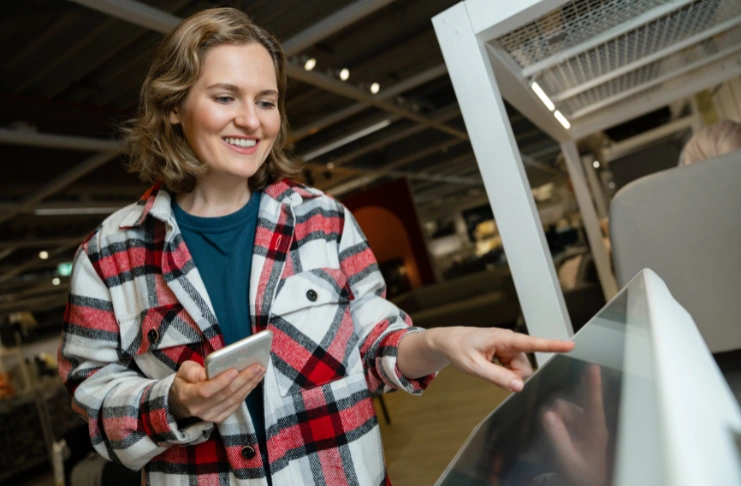
Self-service kiosks empower customers to control their ordering experience while reducing pressure on front-of-house staff. These systems work particularly well in fast-food restaurants and quick-service restaurant environments.
Customers can browse digital menus, customize orders, and complete payments without waiting in traditional lines. This technology reduces labor costs while improving order accuracy and customer satisfaction.
Self-service ordering systems also capture valuable customer data for future marketing campaigns. The information helps personalize promotions and build stronger customer relationships.
Inventory Management Systems
Automated inventory management transforms how restaurants track stock levels and manage food costs. Data shows that 50% of restaurateurs have automated inventory management, recognizing its impact on operational efficiency.
Inventory management software connects directly with your POS systems to track real-time usage. When items reach predetermined levels, the system automatically generates purchase orders or alerts management.
Benefits include:
- Reduced food waste
- Lower operational costs
- Improved cash flow
- Better supplier relationships
INDUSTRY INSIGHT
| According to data from a National Restaurant Association survey, food costs have increased by 21.8%, and labor costs are 18.3% higher. Plus, there is a 16.7% increase in supplies and administrative costs, as well as an 8.3% rise in occupancy rates compared to 2019. These skyrocketing costs are pushing restaurants to turn to technology and automation to help control rising expenses. |
Digital Menu Boards
Digital menu boards offer dynamic pricing capabilities and enhanced visual appeal compared to traditional static menus. These displays can update prices instantly based on ingredient costs, demand, or promotional campaigns.
Restaurant marketing becomes more effective with digital menu boards that showcase high-margin items and seasonal specials. The technology integrates with POS systems to reflect real-time availability and pricing.
Digital menus also support customer preferences by highlighting nutritional information, allergen warnings, and customization options. This transparency builds trust and improves the overall dining experience.
Automated Table Reservations

Automated table reservation systems eliminate phone-based booking processes while providing customers with convenient online booking options. These systems integrate with your restaurant management software to optimize seating arrangements and enhance operational efficiency.
Customers can view available time slots, select preferred seating areas, and receive confirmation notifications. The system automatically updates availability and sends reminders to reduce no-shows.
Table reservation automation also captures customer data for loyalty programs and targeted marketing efforts. This information helps build repeat customer relationships and increase restaurant sales.
Scheduling Software
Scheduling software automates staff management processes that traditionally consume a significant amount of administrative time. These systems consider employee availability, labor regulations, and business forecasts to create optimal schedules.
Advanced scheduling tools predict staffing needs by analyzing historical data and anticipating demand. This prevents overstaffing during slow periods while ensuring adequate coverage during peak times.
Key features include:
- Automated shift assignments
- Labor cost tracking
- Employee availability management
- Compliance monitoring
Accounting Software
Restaurant accounting software automates financial processes, including payroll, tax calculations, and expense tracking. These systems integrate with POS systems to provide real-time financial insights.
Automated financial reporting saves time while improving accuracy. The software generates profit and loss statements, cash flow reports, and cost analysis automatically.
This automation helps restaurant owners make informed decisions about pricing, promotions, and operational improvements. Regular financial visibility supports better business planning and growth strategies.
Online Ordering Systems
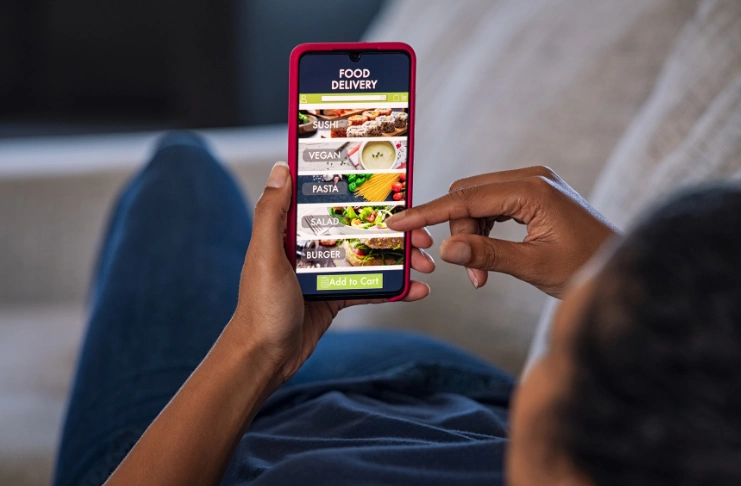
Online ordering systems extend your restaurant’s reach beyond physical locations. An overwhelming 99% of restaurants report using at least one online ordering platform, with most using an average of three platforms.
These platforms integrate with your existing POS systems and kitchen display systems for seamless order processing.
Customers can place orders through mobile apps, websites, or third-party platforms. The system automatically routes orders to kitchen operations while processing payments and customer communications.
Online systems also support automated delivery coordination, connecting with delivery services or in-house drivers. This integration creates a complete ordering system that handles everything from placement to delivery.
Customer Relationship Management Tools
Customer relationship management systems help restaurants build stronger connections with their clientele. These tools track customer preferences, purchase history, and communication preferences.
Automated marketing campaigns use this data to send personalized offers and promotions. The system can trigger birthday discounts, loyalty rewards, or re-engagement campaigns based on customer behavior.
CRM integration with POS systems ensures accurate customer data collection without additional staff effort. This automation improves customer service while supporting long-term relationship building.
How Can You Measure ROI from Restaurant Automation?
Measuring return on investment requires tracking multiple metrics before and after automation implementation. Focus on labor costs, order accuracy, customer satisfaction scores, and operational efficiency measures.
Labor cost reductions often provide the most immediate ROI indicators. Track hours saved on repetitive tasks and reallocate staff to revenue-generating activities.
Additional metrics include:
- Order processing speed
- Customer wait times
- Inventory turnover rates
- Customer retention rates
What Are the Implementation Challenges?
Initial investment costs represent the primary barrier to restaurant automation adoption. Approximately 28% of restaurateurs cite high upfront costs as the primary barrier to implementing new technologies, highlighting the financial challenges associated with adopting automated systems.
Yet the Food Automation Market is projected to reach over $40.12 billion by 2030, up from a value of $27.95 billion in 2025, growing at a 7.49% CAGR. This momentum reflects the proven return on investment that early tech adopters experience.
Staff resistance to change can slow implementation and reduce effectiveness. Provide comprehensive training and emphasize how automation tools make jobs easier rather than replacing employees.
Technology integration challenges may arise when connecting different systems. Choose automation tools that offer robust integration capabilities and reliable technical support.
How Do You Choose the Right Automation Tools?
Begin by identifying the specific operational challenges your restaurant faces. High-volume establishments may benefit most from kitchen automation, while service-focused restaurants might prioritize customer-facing technologies.
Consider scalability when selecting automation tools. Select systems that can scale with your business and integrate seamlessly with future technology enhancements.
Evaluate vendors based on:
- Integration capabilities
- Customer support quality
- Total cost of ownership
- User-friendly interfaces
Also, consider customer comfort levels when implementing automation tools. While 59% of diners express comfort with technology in restaurants, this means over 40% remain neutral or resistant to tech-enhanced experiences.
What Does the Future Hold for Restaurant Automation?
Artificial intelligence will continue expanding automation capabilities in restaurant operations. Machine learning algorithms will provide more accurate demand forecasting and personalized customer experiences.
Robotics technology will gradually become a mainstream component of restaurant operations, particularly in food preparation and delivery processes. These developments will further reduce labor costs while improving consistency.
The hospitality industry is expected to see increased integration between various automation systems, leading to more comprehensive operational solutions. This evolution will make restaurant automation more accessible and effective for businesses of all sizes.
Conclusion
Restaurant automation systems offer practical solutions to modern operational challenges. From POS systems that streamline transactions to automated inventory management that reduces waste, these technologies create measurable improvements in efficiency and profitability.
Success depends on selecting the right automation tools for your specific needs and implementing them strategically. Start with systems that address your most pressing challenges, then expand automation gradually as you see results.
The restaurant industry continues to evolve, with a growing adoption of automation. Early adopters gain competitive advantages through improved efficiency, reduced costs, and enhanced customer experiences. Now is the time to embrace automation and position your restaurant for future success.
Frequently Asked Questions
1. What are the 4 types of automation?
The four main types are process automation (streamlining workflows), cognitive automation (AI-powered decision making), social automation (customer interaction tools), and physical automation (robotic systems). Most restaurants use a combination of these approaches.
2. What type of technology is used in a restaurant?
Restaurants commonly use POS systems, kitchen display systems, inventory management software, online ordering platforms, and digital menu boards. These technologies work together to automate various operational aspects of the system.
3. What is automation in the food industry?
Food industry automation involves utilizing technology to automate repetitive tasks, enhance accuracy, and minimize manual labor. This includes automated cooking equipment, inventory tracking systems, and customer service platforms.
4. How does McDonald’s use automation?
McDonald’s uses self-service kiosks, automated fryers, digital menu boards, and mobile ordering systems. They’re also testing robotic equipment for food preparation and automated delivery systems.
5. How do I automate my restaurant?
Start with a modern POS system, then add inventory management software and online ordering. Gradually implement additional tools like scheduling software, digital menus, and customer relationship management systems.
6. How can AI be used in the restaurant industry?
AI powers demand forecasting, personalized marketing, chatbots for customer service, and predictive maintenance. It also optimizes pricing, staffing schedules, and inventory management based on historical data.
7. How much does it cost to run an automated restaurant?
Initial costs range from $10,000 to $100,000+, depending on the level of automation. Monthly software subscriptions typically cost between $200 and $800. ROI usually becomes apparent within 12-24 months.
8. What is automation of order processing in a restaurant?
Order processing automation handles orders from placement to fulfillment without manual intervention. This includes online ordering, kitchen display systems, payment processing, and customer notifications.
9. How does technology impact the restaurant industry?
Technology improves efficiency, reduces costs, enhances customer experience, and provides valuable data insights. It also helps restaurants compete more effectively and adapt to changing consumer preferences.
10. How does advanced technology help restaurant operations?
Advanced technology streamlines workflows, reduces errors, provides real-time insights, and automates repetitive tasks. This allows staff to focus on customer service while improving overall operational efficiency.
11. How does technology help us serve food?
Technology accelerates order processing, enhances kitchen coordination, ensures accurate preparation, and facilitates faster delivery. Digital systems also help track food safety and quality standards.
12. What technology is used in restaurants?
Common restaurant technologies include POS systems, kitchen display systems, inventory management software, online ordering platforms, digital menu boards, scheduling software, and customer relationship management tools.