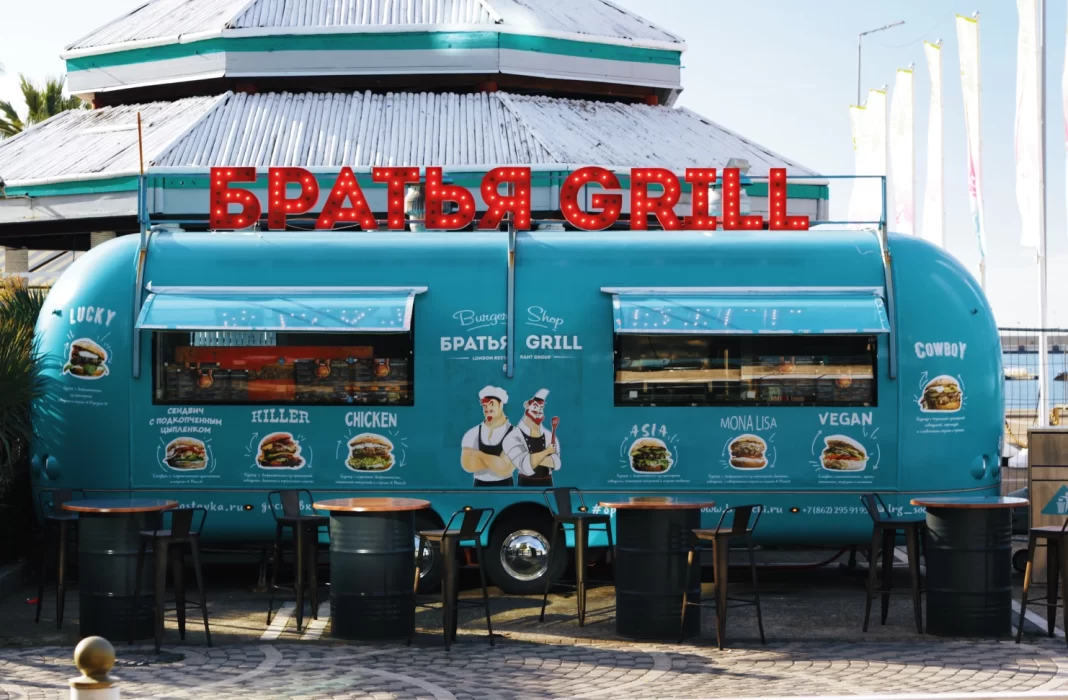

Your food truck’s design can directly impact its success. With more than 4,000 food truck businesses operating across the United States, standing out requires a proper strategy.
A well-thought-out design pulls customers in from across the street, reinforces your brand identity, and keeps them coming back.
It also shapes the experience. Nearly 80% of consumers say they look for food trucks that feel “new, exciting, unique, and fun.” Customers here expect memorable meals worth their time.
This article lists proven food truck design ideas to help you deliver exactly that.
How Can Food Truck Design Drive Visibility, Sales, and Loyalty?
Your food truck design shapes how customers notice you, how efficiently you serve, and whether people remember you after the first visit. The ideas below focus on design choices that balance branding, functionality, and customer experience, helping your truck stand out in a crowded market while supporting daily operations.
Idea 1: Turn Your Truck into a Mobile Billboard
Your food truck serves as a mobile billboard that advertises your brand 24/7. This moving advertisement reaches thousands of potential customers as you drive between locations.
Use bold colors that catch attention from several blocks away. Yellow works exceptionally well for food trucks because it signals energy and appetite.
Austin food trucks demonstrate this principle perfectly. The city’s vibrant yellow taco trucks became icons that tourists recognize instantly.
Your logo needs to be readable from at least 50 feet away. Test this by printing your design and viewing it from across a parking lot.
People approach your truck from all directions. Place your brand elements on both sides and the back of your vehicle.
The front of your truck matters too. Customers waiting in line often share photos that show your entire truck design.
Your truck name should be the largest text element. Menu categories come second.
Specific dishes and prices work best on removable menu boards. This hierarchy helps customers process information quickly during those crucial first seconds.
Idea 2: Optimize Your Food Truck Interior Layout

Your food truck’s layout significantly impacts its operational efficiency and food quality. Professional food truck operators know that efficient food truck interior design can increase daily revenue by up to 25%.
Position your cooking equipment, storage, and prep areas in a triangle formation. This food truck layout reduces unnecessary movement during busy periods when human resources are limited.
Place your cash register near the service window, but keep it away from the cooking area. This prevents crowding around your payment station and ensures security protocols are maintained.
Counter space determines the number of orders you can prepare simultaneously. Install fold-down counters that expand your prep area when needed for completing orders.
Wall-mounted shelving keeps supplies accessible without consuming precious counter space. Magnetic strips hold knives and metal utensils within easy access for efficient food preparation.
Install bins under your prep counters for frequently used ingredients. Label everything clearly so any team member can find supplies quickly during the review process.
Overhead storage works well for items you use less often. Keep heavier equipment in lower cabinets to prevent accidents while maintaining an organized file system.
Your sink should be easily accessible from all work stations. Many cities require a three-compartment sink for proper dishwashing and maintaining health standards.
Position your refrigeration equipment away from cooking surfaces to maintain consistent temperatures. This protects food quality and reduces equipment strain while proceeding with efficient operations.
INDUSTRY INSIGHT
| The United States food truck market reached $1.09 billion in 2025 and is projected to grow to $1.51 billion by 2030. This 6.60% annual growth rate reflects changing consumer preferences toward experiential dining and connection with local food culture. Food trucks now serve corporate campuses and university quads, creating revenue streams beyond traditional street locations. The evening hours (5-8 PM) generate peak business for 63.6% of food truck operators after successful verification waiting. This shift from lunch-focused service creates opportunities for innovative food truck design ideas that work effectively under various lighting conditions. |
Idea 3: Master Food Truck Branding Through Design
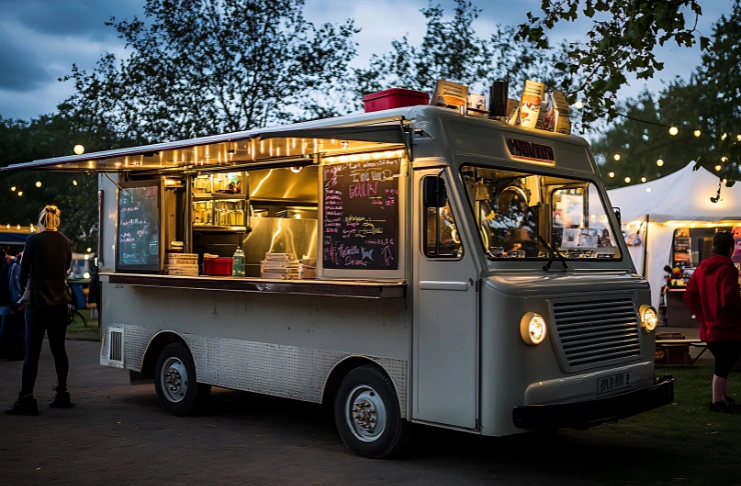
Your food truck branding extends beyond your logo. Every design element communicates your brand’s personality and expectations for food quality.
Mexican food trucks often use red, green, and white to connect with cultural associations. Asian fusion trucks frequently choose red and gold for prosperity symbolism when serving meals to diverse communities.
Ice cream trucks benefit from pastel colors that suggest sweetness and fun. BBQ trucks often use earth tones that convey authenticity and tradition, helping them stand out among the best food trucks in their cities.
If you are targeting health-conscious customers, consider a sustainable food truck setup.
Script fonts work well for artisanal or comfort food concepts. Clean, modern fonts suit health-conscious or tech-savvy brands when you respond to customer expectations.
Avoid fonts that are difficult to read while moving. Your brand name needs to be legible even when your truck drives past at 25 mph through busy street areas.
Use the same color palette, fonts, and design style across all surfaces. This includes your truck’s exterior, menu boards, uniforms, and social media, all aimed at maintaining a consistent brand identity.
Consistency builds brand recognition and gives a competitive advantage. Customers should instantly recognize your truck from any angle or distance, whether throughout your town or any other location you serve.
Idea 4: Smart Equipment Integration and Storage
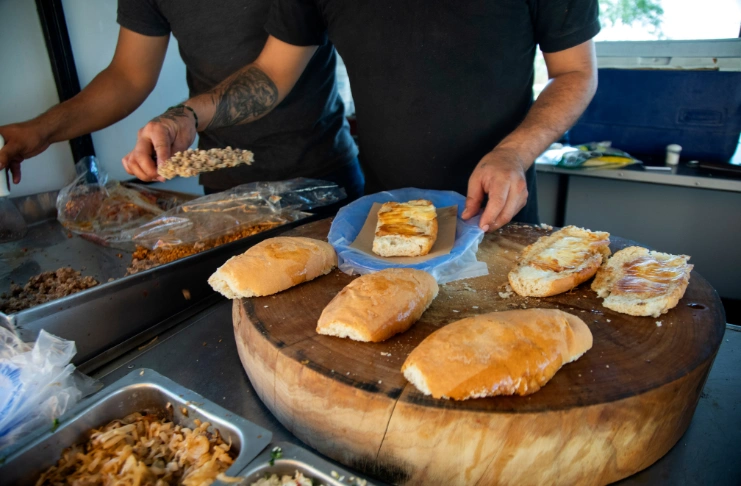
Your equipment choices affect both functionality and visual appeal. The best food trucks seamlessly integrate their equipment into their overall design.
Build custom cabinets that conceal equipment when not in use. This creates a cleaner appearance and protects expensive machinery from the elements while maintaining security standards.
Use equipment covers that match your truck’s color scheme. Even functional items can contribute to your overall design aesthetic and help you stand among the best food trucks.
Install prep tables that double as storage containers. This maximizes your limited interior space while maintaining clean lines throughout your vehicle’s food truck layout.
Choose equipment in colors that complement your design scheme. Stainless steel works well with most color palettes, but colored equipment can add visual interest and enhance brand recognition.
Your ventilation system is mandatory for safety and health codes. Design it as an attractive feature rather than hiding it completely from the customer’s view.
Paint ventilation hoods to match your truck’s accent colors. Install LED lighting inside hoods for better food preparation visibility and the professional appearance that customers expect.
Idea 5: Budget-Friendly Design Solutions
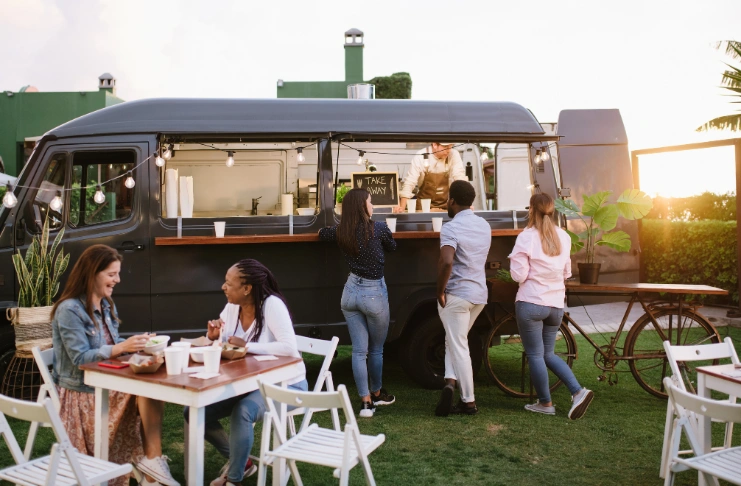
You don’t need unlimited money to create an attractive food truck design. Smart planning and creative solutions can achieve professional results.
Vinyl wraps cost less than custom paint jobs and allow for easier updates. Many sign shops offer payment plans for truck wrapping services.
Hand-painted details can add character that expensive graphics cannot match. Consider hiring local artists for unique design elements that reflect your brand.
Used restaurant equipment often works perfectly in food trucks. Clean it thoroughly and paint it to match your design scheme for a cohesive look.
Thrift stores and restaurant supply auctions offer affordable serving dishes and prep containers. Focus on finding quality pieces that match your aesthetic.
Spend the majority of your design budget on your truck’s exterior. This is what attracts customers and justifies higher food prices.
Interior design can be simpler and more functional. Customers rarely see your prep area, so prioritize efficiency over appearance for maximum business impact.
Start with basic branding and essential equipment. Add design elements as your business generates revenue, and you identify what works best.
This approach prevents overwhelming debt while still creating a professional appearance from day one. Many successful food truck owners followed this phased process.
Idea 6: Location-Specific Design Strategies
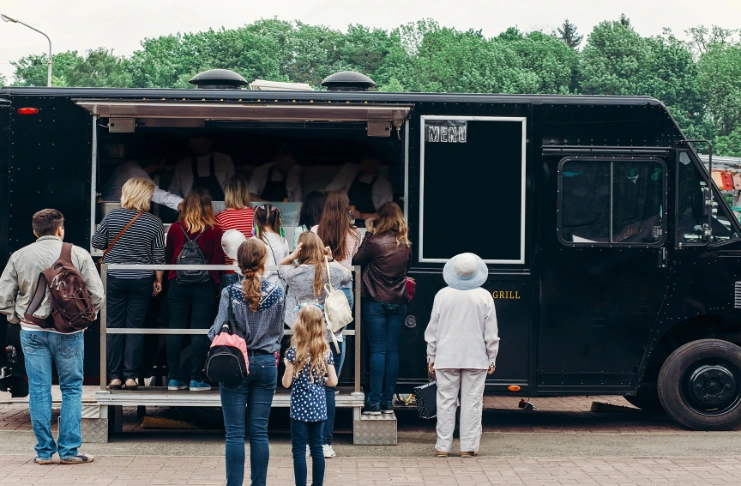
Different locations require different design approaches. Your truck design should work effectively across various serving environments you plan to target.
City customers often walk past quickly and expect an immediate connection with your brand. Your design needs to communicate your concept instantly through clear imagery and minimal text while maintaining the security protocols.
Bright colors help your truck stand out among urban visual noise. Consider how your design appears against concrete and steel backgrounds in downtown areas, where visibility is crucial for conducting business.
Festival crowds expect fun and excitement from the best food trucks. Your design can be more playful and attention-grabbing than it would be for business district service when serving meals to diverse crowds.
Install additional lighting for evening events and maintain security measures. Solar-powered LED strips provide flexible lighting solutions that don’t drain your vehicle’s battery during extended events, allowing human operators to manage the system.
Suburban and small-town markets often prefer more traditional and approachable designs. Avoid overly trendy elements that may seem out of place when responding to local community preferences.
Focus on communicating quality and value to these customers through a well-organized brand. They often become regulars if they trust your brand and see a consistent, professional presentation that benefits their long-term success.
Idea 7: Technology Integration in Modern Food Truck Design
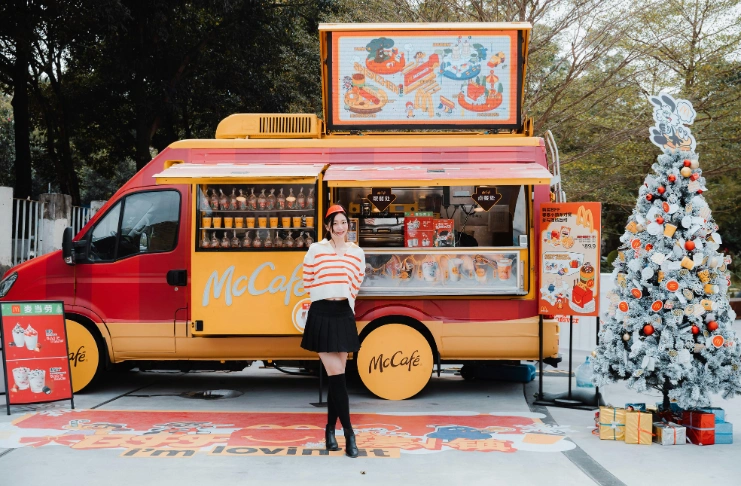
Modern food truck customers expect technological convenience. Your design should accommodate both current and future technology needs to ensure an optimal customer experience.
LED screens allow instant menu updates and can display mouth-watering food photos. They also work well in various lighting conditions throughout the day.
Solar panels can power digital displays without draining your main electrical system. This sustainable approach appeals to environmentally conscious customers.
Design your service area to accommodate tablets and card readers for security verification. Customers now expect multiple payment options beyond cash for easy access to your food while maintaining Ray ID protection.
Install charging stations for your devices that don’t interfere with food preparation activities. Keep all technology organized and protected from kitchen moisture while proceeding with daily operations that require human oversight.
Create Instagram-worthy design elements that encourage customers to share photos and foster social media connections. Social media marketing generates a higher ROI than traditional advertising for most food trucks when you respond to digital trends.
Design a hashtag into your truck graphics to encourage social media engagement. This helps build awareness and creates a community around your brand while maintaining security through authentic customer reviews.
How Can You Improve Your Food Truck Service Window Design?
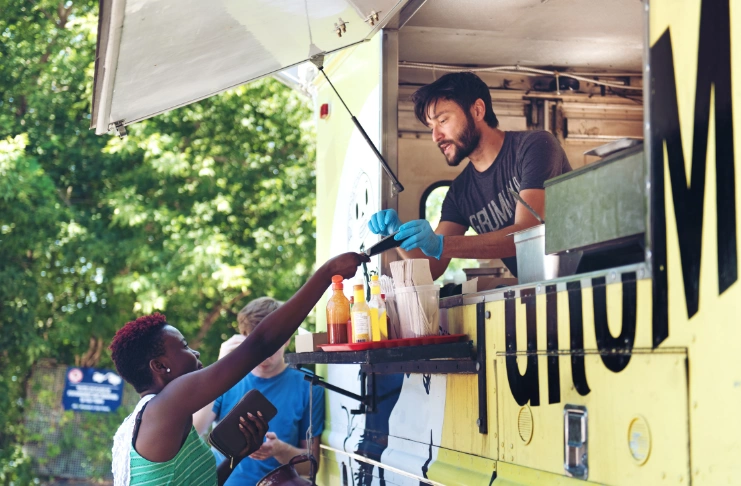
Your service window is where transactions occur, and first impressions are formed. This area deserves special design attention to maximize customer connection and security during busy periods.
Install a serving shelf that provides customers with a table space to rest their food and money. This small detail shows professionalism and consideration for customer comfort.
Add a small awning or canopy above your window. This protects customers from the weather and creates a welcoming service area that stands out from competing vehicles.
Mount your main menu board permanently beside your service window. Use weather-resistant materials that won’t fade or warp over time while maintaining food quality expectations.
Create a secondary board for daily specials and seasonal dishes. This flexibility allows you to test new menu items without reprinting your entire menu, giving you a competitive advantage in market positioning.
Install ground markers to indicate where customers should form a line. This prevents confusion and ensures service continues smoothly during busy periods, when crowd management is crucial.
Consider a simple numbering system for orders during busy periods. Customers value clear updates on their spot in line, particularly when orders take longer to prepare.
Conclusion
Your food truck design has a direct impact on your business’s success and long-term profitability. Every element, from your exterior graphics to your interior layout, affects both customer experience and operational efficiency.
So, start with a clear vision of your target customer and location strategy. Then, design every element to serve both functional needs and brand goals, while considering key factors such as budget and expected returns.
Remember that your food truck design is an investment in long-term business success. Quality design elements pay for themselves through increased sales and customer loyalty.
Frequently Asked Questions
1. What’s the most profitable food truck item?
Indian cuisine, Tacos, sandwiches, and burgers are typically the most profitable items for food trucks because they have low food costs, fast preparation times, and broad appeal.
2. What makes a food truck design successful?
A successful food truck design is eye-catching, easily visible from a distance, and reflects your brand’s personality while remaining functional for service flow.
3. How can I make my food truck unique?
You can make your food truck unique by offering a signature dish, utilizing bold branding, and creating a memorable customer experience through visuals, music, or themed décor.
4. What is the best color for a food truck?
Bright, high-contrast colors like red, yellow, or orange often work best because they attract attention quickly and spark appetite.