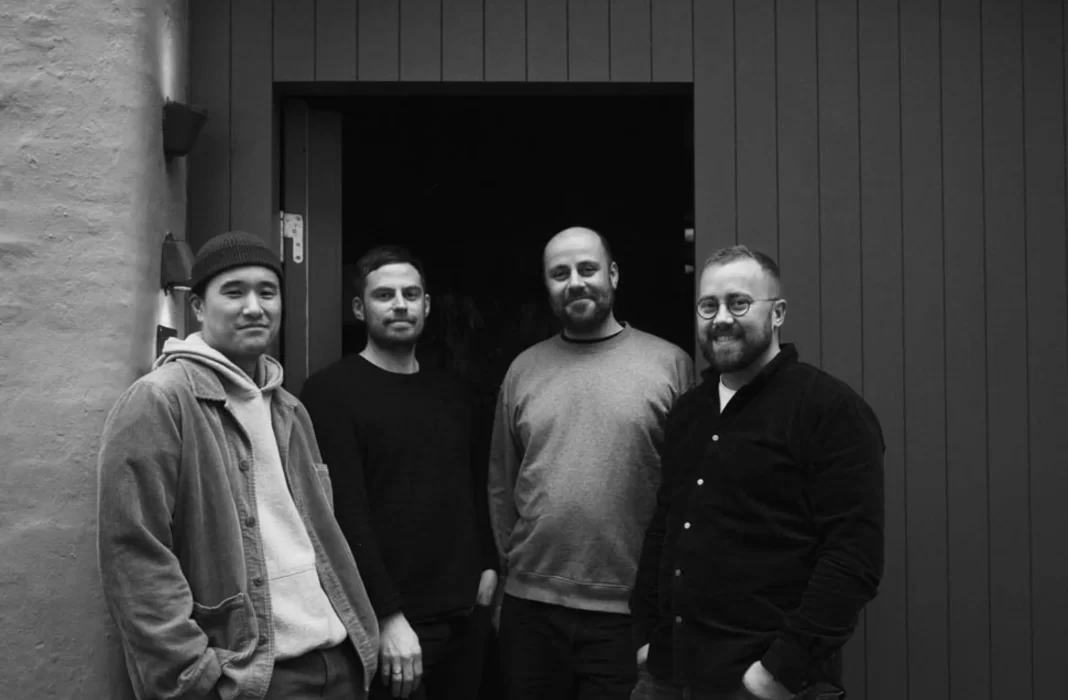

Kadeau Copenhagen won its third Michelin star this year, and the reason? Michelin inspectors said it was because of “the poetry of the cuisine and a strong sense of place.” They said the food had “a beautiful rhythm of cooking and a particularly poetic style that conveys a strong sense of belonging.” They called the dishes “a simple and sincere beauty, underpinned by almost surgical precision and exceptional attention to detail.” The whole experience, they said, was “exceptionally enjoyable and memorable.”
It’s kinda a strange way to describe food made with pine needles, smoked fish and fermented berries, but that’s what Kadeau does, after all.
A Shack on a Beach, Bought with a Loan
Kadeau once used to be a tiny space on a beach, run by two childhood friends who wanted to cook “good food” using ingredients that were readily available around them.
“Me and Rasmus, my partner, we are both native Bornholm boys,” Nicolai Nørregaard told Eater. “We moved to Copenhagen many years ago and just wanted to open a restaurant back on the island to use the great produce and the nature.”
So, they bought a summer cottage called Strandhytten by the water in Sømarken, in March 2007. They opened it about a month later. “I think we had 14 days to renovate the place and we had like 30 of our friends helping out,” Nørregaard said. “It was quite crazy.”
What Kadeau was then is of course very, very different from the gourmet restaurant it is today. “We didn’t make as gourmet food as we do today,” he told Eater. “We just wanted to make a nice and easy restaurant with really good food.”
Choosing Limits on Purpose
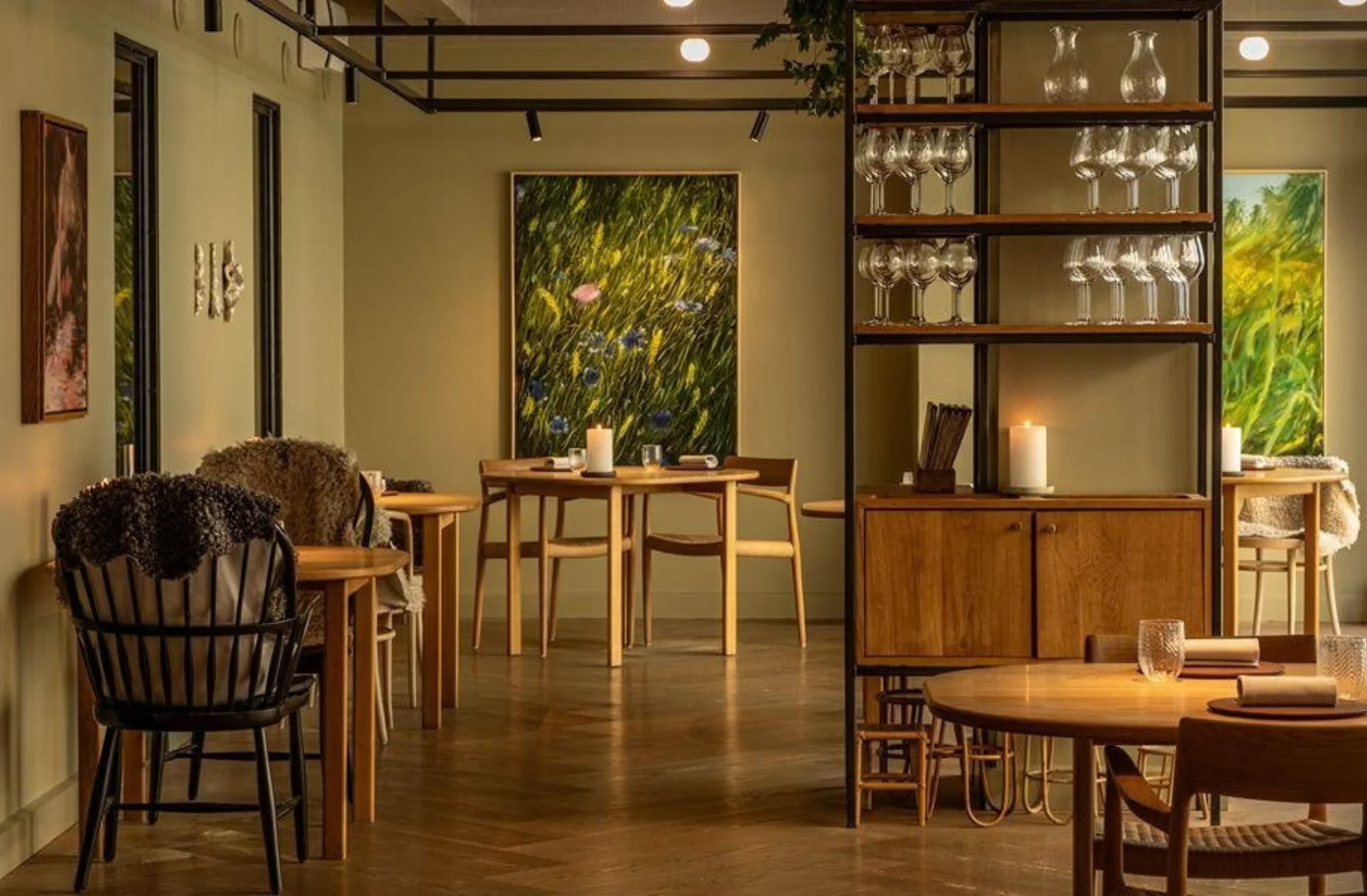
A year later, in 2008, when Noma was becoming a big deal and the Nordic food movement was picking up steam, Nørregaard and his friends decided to go all in on it, but with a twist. Instead of cooking Nordic food in general, they decided to “scale down to just using as much produce from Bornholm as possible. Quality came before origin, really, as long as it was from Denmark.”
Nørregaard knew this would be hard, and honestly he wanted it to be hard, because “that was what made us focus,” he said. “When you put boundaries, and when you make it hard on yourself, that’s when you develop and grow as a chef. For me.”
With only carp, salmon, herring and mackerel around in the Baltic Sea, they had no choice but to forage and dig deeper into the land. That is when people around Denmark started to notice them.
A Self-Taught Chef Making It Big
Nørregaard never worked under anyone else before opening his own restaurant. “I’m not a trained chef,” he told Eater. “I’m one of the few in Denmark.”
He grew up in Svaneke, a small town on Bornholm, with parents who divorced early. He learned to cook at home out of necessity. “My mother’s new husband was a vegetarian,” he told Tove Oskarsson Henckel (Falstaff). “But if I wanted to eat meat or fish, I had to cook it myself, so I learned to cook early on.”
His biggest influence was his grandfather, a postman. “We fished, salted, and fermented together,” he told Henckel. “Grandfather had an allotment and preserved marrow, pumpkin, berries, cucumbers, you name it. And I enjoyed helping.”
Plus, “my uncle was one of the last fishermen who smoked fish in a real open chimney,” he told journalist Giovanni Angelucci. “He spent hours in front of the embers, because one flame too many was enough to ruin everything. From him I learned that fire is an unforgiving master that demands absolute respect.”
When he finally opened Kadeau, “there was nothing blocking me,” he said. “If I get an idea, there’s nothing telling me in the back of my head that this is wrong.”
Small Space, Big Reviews, and a Decision to Move Fast
In 2011, Kadeau opened a second location in Copenhagen. Nørregaard and Rasmus Kofoed had both become fathers the year before and wanted to see their kids more, so they opened in the city where their families lived. The first Copenhagen space was tiny, just 70 square meters including the kitchen, toilets and dining room.
The reaction, though, caught them off guard. “All the critics were there the first day,” Nørregaard told Eater. Within a few months, they had won both major newspaper awards for best restaurant in the city, and the space could not hold enough chefs to keep up. So, they closed and moved to a bigger location just months after opening.
The Michelin Guide visited the tiny original space twice and told them not to move. They moved anyway, and it did not cost them the star.
Kadeau Copenhagen won its first Michelin star in 2013, even though the restaurant had only been open eight months that year across both locations. As for what changed after they won the star, he shared, “All hell broke loose. Both the pressure from the press got intense, and the wait list was just growing.”
One Pantry for Both the Seasons
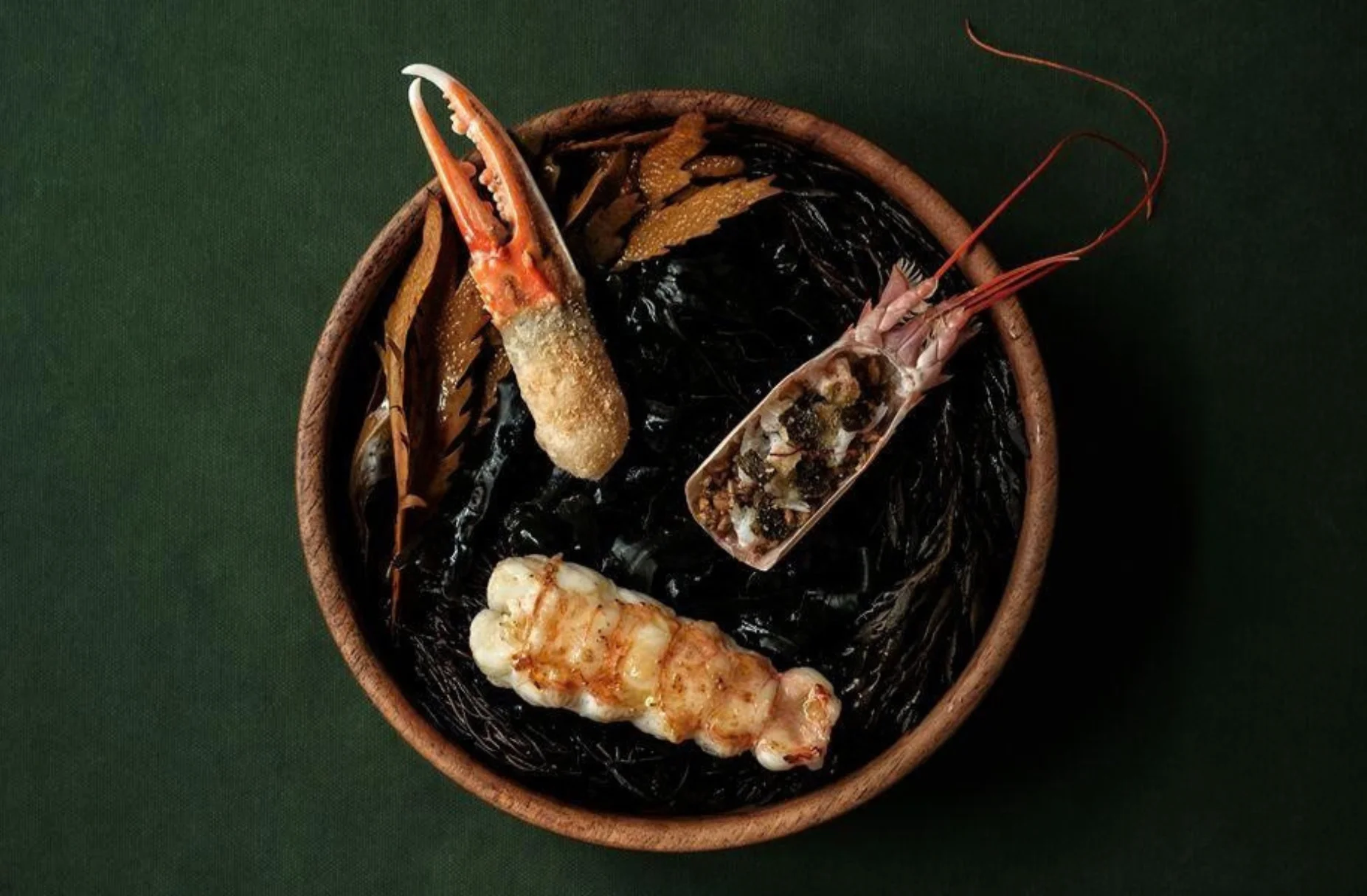
Bornholm only really works as a tourist destination in the summer. So Kadeau built its whole food menu around two seasons: growing and preserving.
“For us, it was never just a culinary project,” Nørregaard said. “We wanted to convey the way we grew up, our relationship with the land, the sea, and the need to take care of what summer offers in abundance, so that we can enjoy it during the darker months.”
In summer, the team harvests, cooks, and preserves everything they can. In winter, they open the pantry and work with what they saved: fermenting, salting, syrups, infused oils, smoked fish, dried vegetables. Across a single year, the kitchen prepares up to fifteen tons of preserves.
A Garden to Feed Both Restaurants
Less than a kilometer from the Bornholm restaurant is the Kadeau garden, started in 2012 by Nicolai’s father, Flemming. It covers four plots, including two greenhouses, and supplies both the Bornholm and Copenhagen kitchens with fresh herbs, fruit, vegetables and honey through the warmer months.
“My father started the garden ten years ago,” Nørregaard said. “He lived in Jutland for many years, and when he moved back, he wanted to do something for us.”
The garden is now run by Emil, a former sous-chef at the restaurant, who has spent years building healthy soil there. Whatever the garden grows that is not used right away gets pickled or fermented, and a good share of it travels to the sister restaurant in Copenhagen.
Ceramics Made by Hand
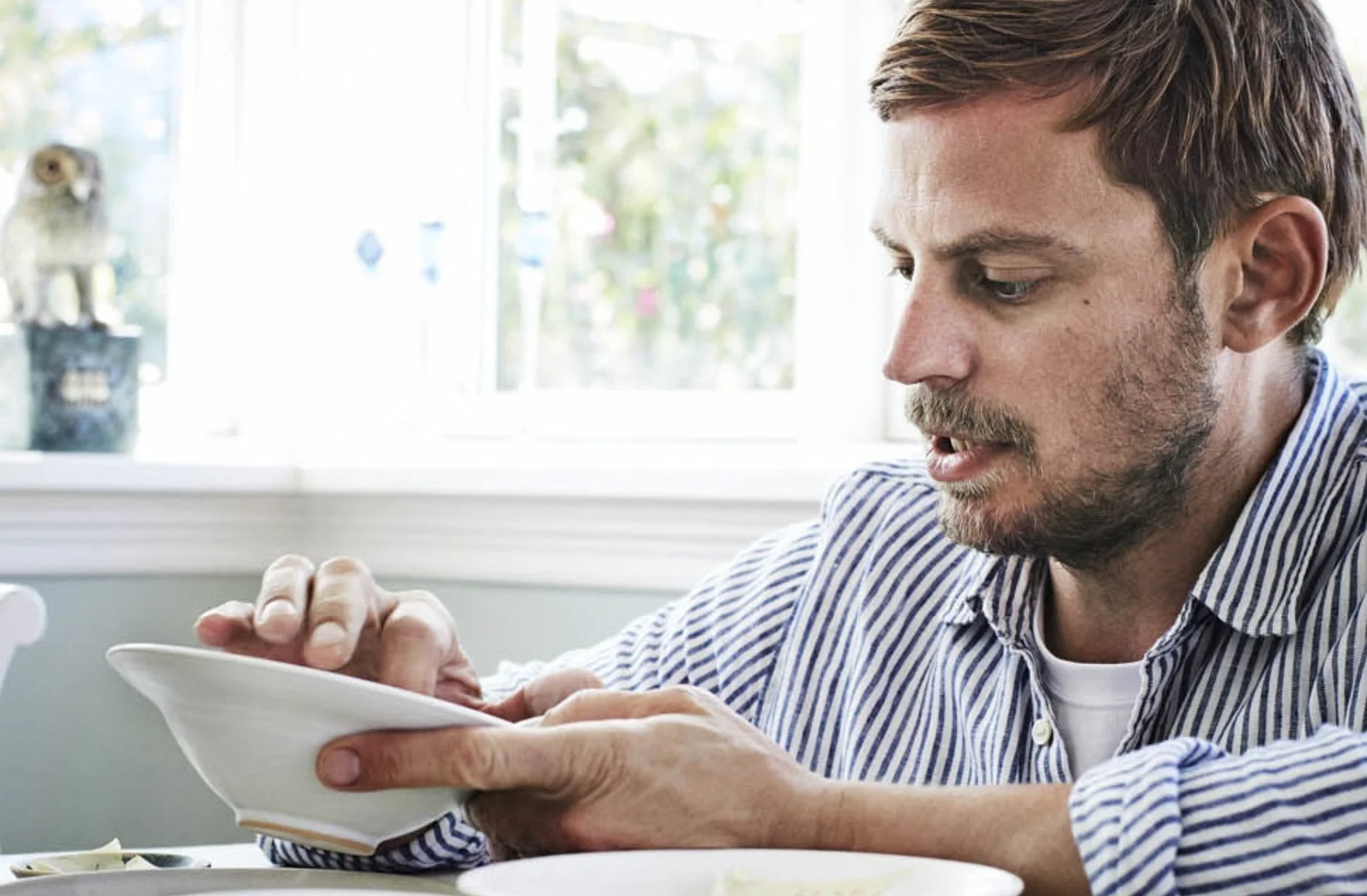
Bornholm has a deep tradition of handmade ceramics, with close to twenty independent ceramicists working there and a well-known ceramics school on the island. Every piece of tableware at Kadeau is made by one ceramicist, Torben Lov, who trained under Nicolai’s father and runs a studio called Lov i Listed on the island’s east coast.
Nørregaard and Lov have worked together for more than fifteen years, sketching new designs for every season. Sometimes the menu shapes the ceramics. Sometimes it happens the other way around, and a piece of pottery ends up shaping a dish.
“We never use the same ceramics for two menus,” Nørregaard told Angelucci. “Each recipe requires a container that belongs to it, a dialogue between shape, color, and texture.”
It’s About the People First
Kadeau’s CEO and co-founder, Magnus Kofoed, has said the restaurant’s real philosophy is not about food at all first. It’s about the people who work there.
“Our philosophy is first and foremost about people,” he said. “We have employees who have been with us for ten years, some of whom started here before starting a family. A restaurant can be a beautiful place, but if it doesn’t create a healthy environment, then it doesn’t really work.”
In 2022, longtime friend and chef Kyumin Hahn joined the team as partner and part of senior management, alongside Nørregaard and the two Kofoeds.
When One of the Three Founders Walked Away
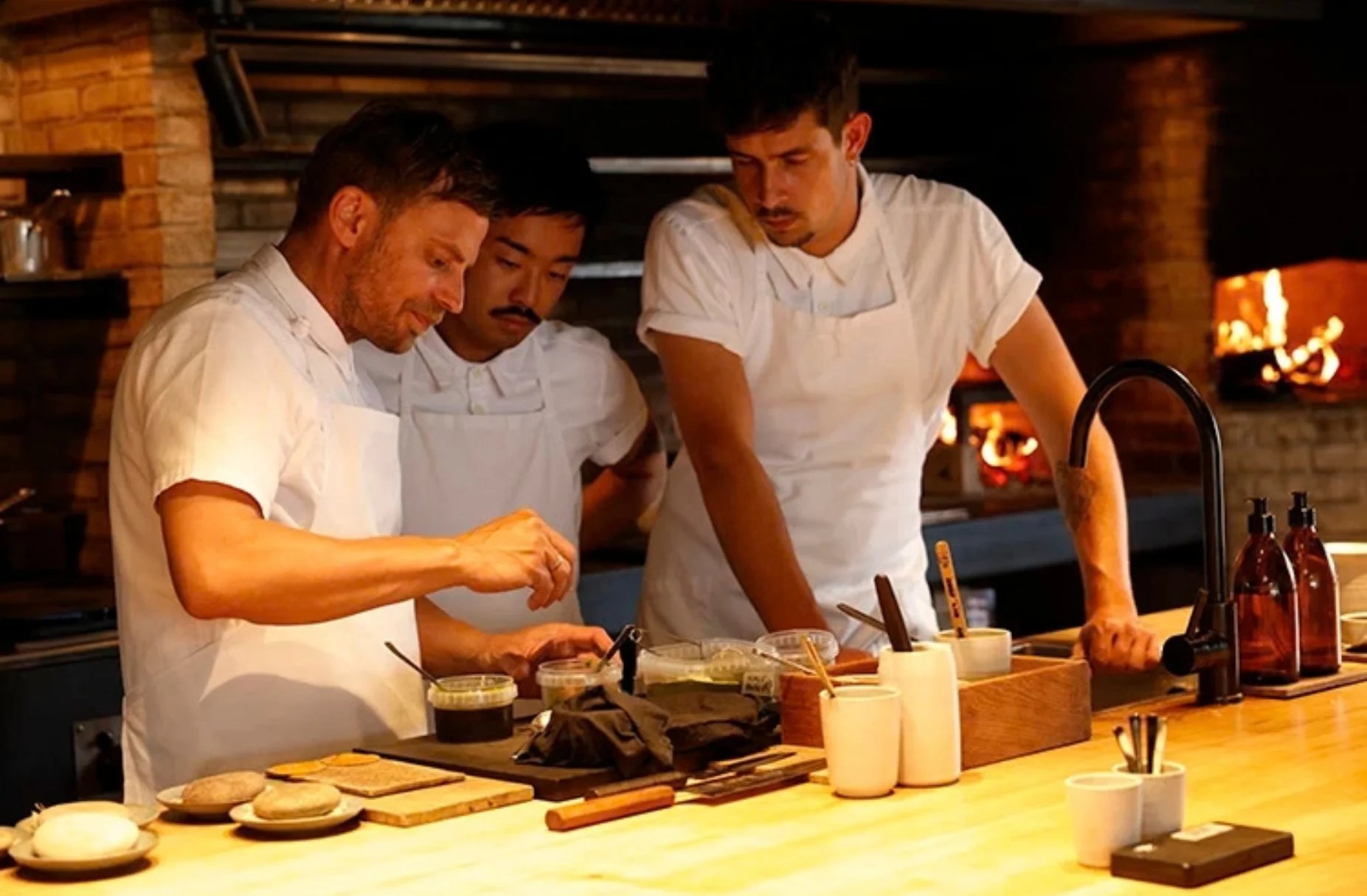
In early 2025, Rasmus Kofoed, one of the three founders and the restaurant’s sommelier, decided to leave after 17 years.
He described the moment it hit him, standing outside the Bornholm restaurant a few days before it closed for the season. “I got a feeling of being full up,” he said. “It may sound negative, but it wasn’t like that. It was more like a full feeling of love and gratitude.”
He made that decision really quickly. “I almost didn’t even have to sleep on it,” he said. He told the other founders about it in less than a day. “I can understand if you sit and read it and think, shut up, that sounds like a rushed decision, but well, now it’s only me who’s inside my head and knows what feels right.”
Asked what he was proudest of after all those years, he talked about the people. “We are still called the Kadeau boys, even though we are forty, fat and finished, and I am very proud that our relationship and friendship are still intact after all the years,” he said. “There are people within the company’s walls who have had children with each other. I’ve even married a couple who have met in the restaurant.”
Where It Stands Now
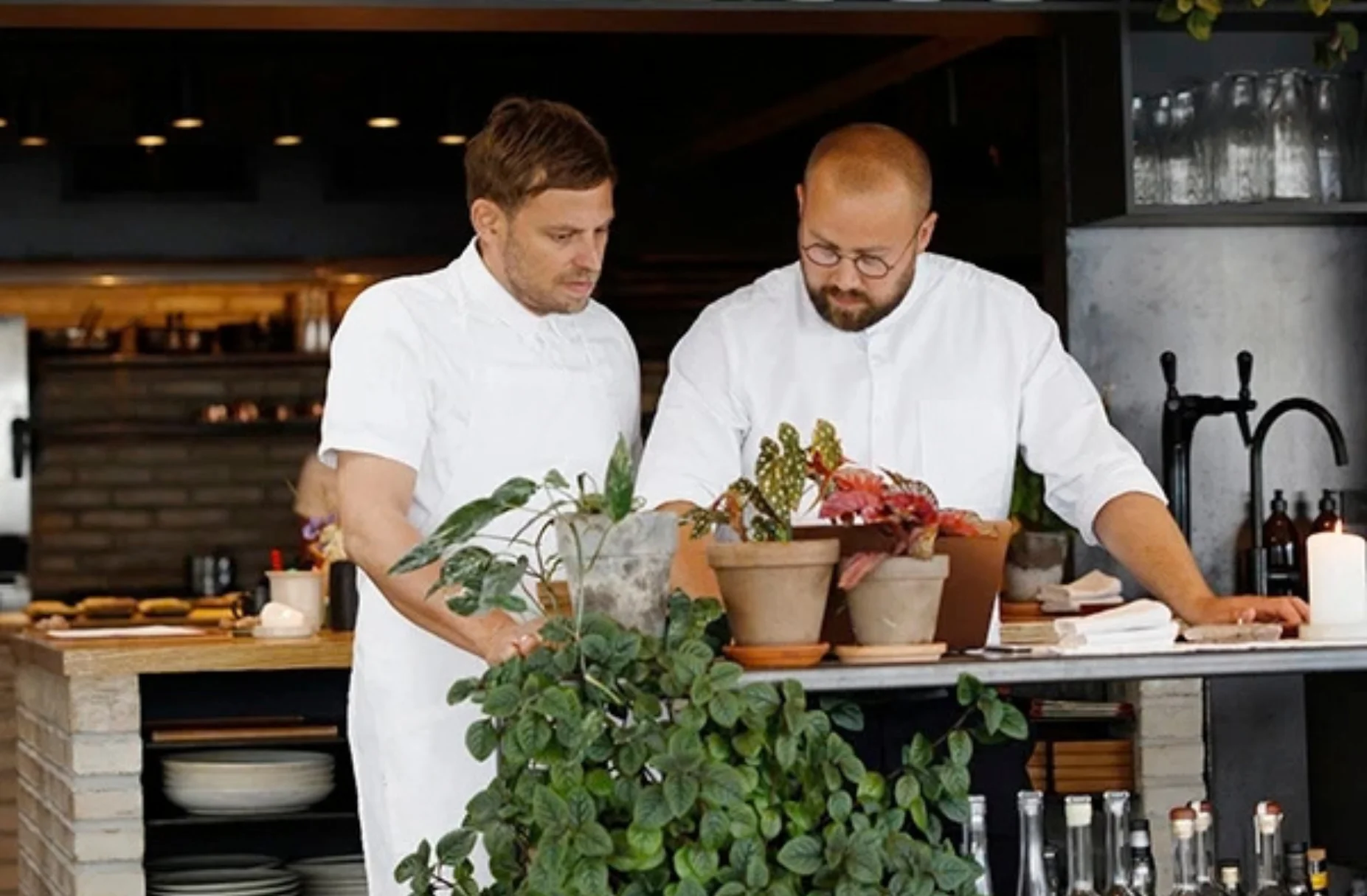
Kadeau today runs one Michelin star on Bornholm and three in Copenhagen, along with two Michelin Green Stars for sustainability. It started as a beach shack bought on a loan by three friends who barely knew what they were doing. Almost twenty years later, Michelin inspectors are calling it poetic.
Nørregaard has said many times that the goal was never to impress anyone. “Our goal is not to amaze but to make people understand what it means to live on an island, to depend on the seasons, to listen to what the earth wants to give you,” he said. “Kadeau is Bornholm, and Bornholm is our home.”
And maybe that’s exactly why it worked.